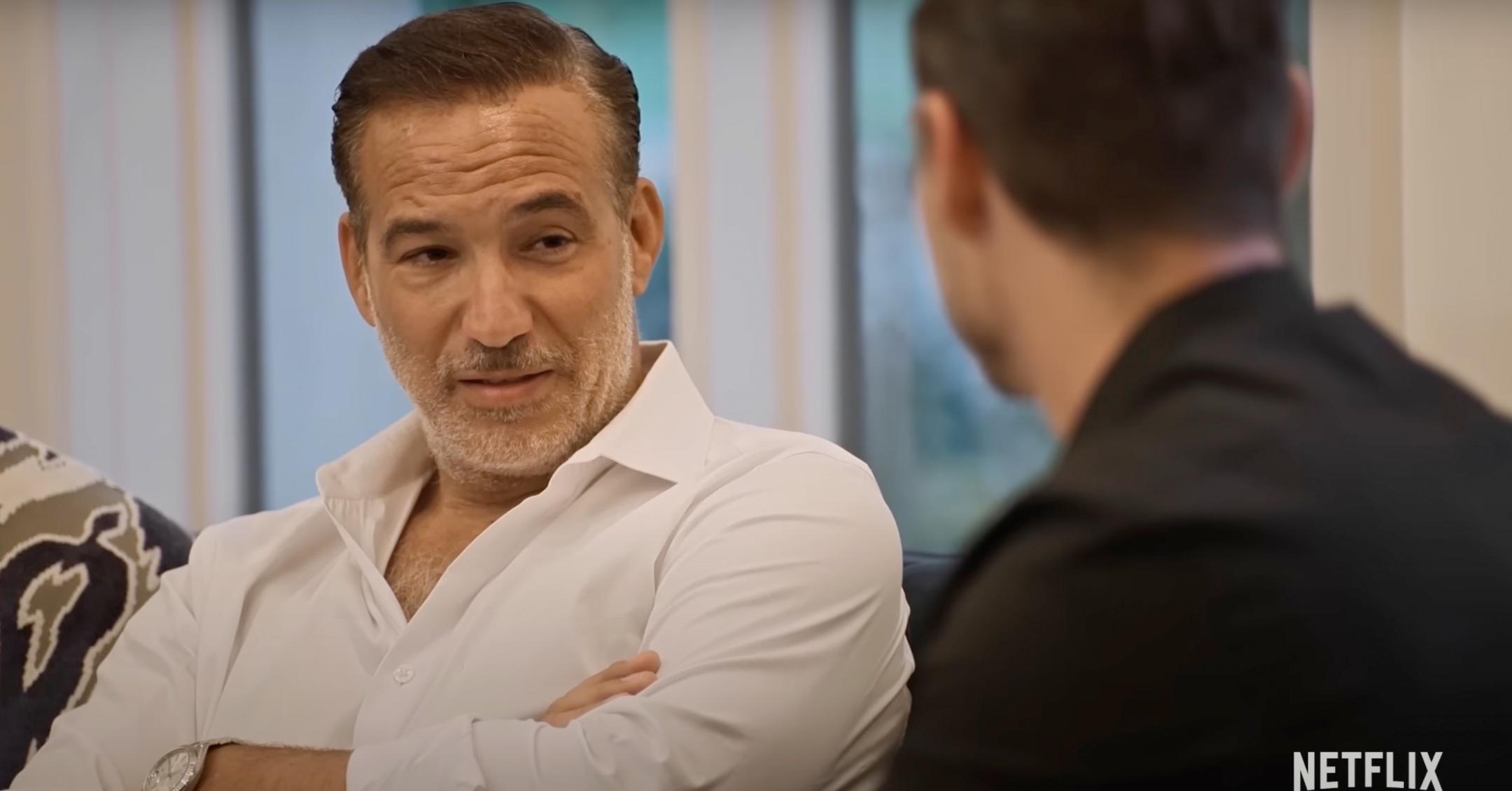
During Season 3 of Netflix’s hit reality dating series Love Is Blind, contestant Alexa Alfia and her now-husband Brennan Lemieux captured viewers' attention, but it was Alexa’s father, Stavros Alfia, who frequently dominated online discussions. The intense focus on Stavros—often characterized by audiences as an obsessive protection of his daughter and her lifestyle—sparked widespread debate across social media platforms. Behind the viral memes and dramatic editing lies a complex intersection of cultural expectations, familial wealth, protective parenting, and the manufactured pressures of reality television production.
Understanding the Roots of the Parental Dynamic on Reality Television
Reality television thrives on heightened interpersonal dynamics, and introducing contestants' families is a tried-and-true method for generating dramatic tension. When Alexa Alfia brought Brennan Lemieux home to meet her family, the cultural and economic contrast between the two men immediately set the stage for viewer scrutiny. Stavros Alfia, a successful businessman with a lavish lifestyle, approached the meeting with visible skepticism regarding Brennan’s financial status, background, and ability to provide the kind of luxury Alexa was accustomed to enjoying.
This paternal wariness is common in traditional family structures, particularly within close-knit communities where financial security and social standing are heavily emphasized. However, the television format compressed these initial reservations into a concentrated narrative arc. Viewers witnessed a father interrogating a prospective son-in-law about his income, lifestyle choices, and readiness for marriage. What appeared on screen as an intense, almost obsessive focus on wealth and status was interpreted by many fans as overbearing behavior, prompting a deep dive into what was truly driving the dynamic.
Cultural Expectations, Wealth, and Protective Parenting
To understand Stavros Alfia’s protective stance, one must examine the specific cultural and socioeconomic context that shaped the Alfia family. Growing up in a prosperous household, Alexa enjoyed significant financial comfort, designer wardrobes, and a lifestyle defined by high-end aesthetics. For a parent who has worked to build substantial wealth and provide a high standard of living, handing over responsibility for a child’s well-being to a relative stranger on a compressed timeline naturally breeds anxiety.
The obsession with financial stability exhibited by Stavros was not merely about materialism in a vacuum; it reflected a traditional view of provision and protection. In many tight-knit family units, a father’s role is evaluated by his ability to secure his family's future, and he projects those same expectations onto anyone seeking to enter the family circle. While Brennan Lemieux represented a more grounded, down-to-earth background—working as a support systems wrangler—Stavros evaluated this difference through a lens of risk assessment rather than open-minded romance.
| Participant / Entity | Background Context | Primary Television Conflict | Post-Show Reality |
|---|---|---|---|
| Alexa Alfia | Raised in a wealthy, close-knit family; accustomed to luxury. | Bridging her high-end lifestyle with Brennan’s modest background. | Happily married to Brennan; expanded digital media presence. |
| Stavros Alfia | Successful entrepreneur and patriarch; protective family head. | Skepticism toward Brennan’s financial readiness and suitability. | Remained supportive of his daughter post-production, maintaining family ties. |
| Brennan Lemieux | Grounded upbringing; employed in technical support systems. | Navigating intimidating family wealth and traditional expectations. | Adapted to public life while continuing his marriage to Alexa. |
The Impact of Reality Television Editing on Public Perception
A critical element in analyzing the "shocking truth" behind the obsession is recognizing the role of post-production editing. Reality television programs operate under strict time constraints, condensing weeks of real-life interactions, conversations, and emotional processing into single-hour episodes designed for maximum dramatic impact. Nuanced discussions about values, mutual respect, and emotional compatibility are frequently edited out in favor of sharp conflicts, pointed questions, and dramatic stares.
Consequently, viewers saw a heavily curated version of Stavros Alfia. Moments of warmth, humor, or parental vulnerability that occurred off-camera or on the cutting room floor were omitted to preserve a compelling narrative conflict: the wealthy, intimidating father versus the humble, earnest suitor. The public obsession with this dynamic demonstrated how effectively producers can channel viewer attention toward specific interpersonal friction points, transforming standard familial caution into a viral cultural talking point.
Navigating Marriage Across Socioeconomic Divides
Beyond the television drama, the situation highlights real-world challenges faced by couples bridging different socioeconomic strata. When partners come from drastically different financial backgrounds, the integration of their families often involves awkward negotiations regarding expectations, gift-giving, holidays, and lifestyle maintenance.
| Socioeconomic Factor | Traditional Background Impact | Modern Adaptation Strategy |
|---|---|---|
| Financial Transparency | High emphasis on income verification and provider roles. | Establishing independent household budgets while honoring family ties. |
| Lifestyle Expectations | Friction over luxury standards versus frugality. | Finding compromises that satisfy both partners without resentment. |
| Family Involvement | Paternal oversight and protective boundaries. | Setting healthy communication limits between extended family and the nuclear couple. |
For Alexa and Brennan, navigating these waters required a strong foundation of communication that transcended the initial awkwardness displayed on screen. Brennan’s willingness to engage respectfully with Stavros, combined with Alexa’s clear boundary-setting between her husband and her family, allowed the couple to build a stable marriage independent of external skepticism.
Public Fascination and Social Media Reaction
The phenomenon surrounding Alexa’s father illustrates the modern intersection of reality television fandom and social media commentary. Platforms like TikTok, Instagram, and Reddit became breeding grounds for psychoanalysis of family members who signed up for brief cameos rather than full-time public scrutiny. Users dissected Stavros’s facial expressions, tone of voice, and body language, projecting their own family anxieties and class consciousness onto a heavily edited television character.
This public obsession reveals as much about the audience as it does about the subjects. Viewers frequently use reality TV characters as avatars to debate broader societal issues, such as income inequality, patriarchal control, modern dating standards, and generational wealth divides. The discourse transformed a routine familial introduction into a symbolic battleground for differing views on marriage and family loyalty.
Separating Television Persona from Real-World Reality
As the dust settled on Season 3 and subsequent reunion specials aired, public perception underwent a natural recalibration. Interviews and social media updates revealed a reality far more harmonious than the edited television narrative suggested. Stavros Alfia, despite his formidable screen presence, maintained a supportive relationship with his daughter and son-in-law, demonstrating that initial protective skepticism does not preclude long-term familial acceptance.
Understanding the truth behind the obsession requires stripping away the layers of production sensationalism and recognizing standard parental protectiveness amplified through a commercial entertainment lens. While the cultural and financial gaps between the families provided fertile ground for dramatic television, the enduring marriage of Alexa and Brennan proved that mutual commitment can successfully bridge even the most heavily scrutinized family divides.
Frequently Asked Questions
Why did Alexa’s dad face so much attention from viewers?
Stavros Alfia drew intense viewer focus because of his direct questioning of Brennan Lemieux regarding finances and lifestyle standards, creating a dramatic clash of socioeconomic backgrounds that resonated strongly with reality television audiences.
Were Stavros Alfia’s concerns about Brennan justified?
From a traditional protective standpoint, a parent evaluating a suitor met days prior on a television show naturally experiences apprehension. However, the intensity of these concerns was amplified by production editing designed to maximize dramatic tension.
How did Alexa handle the tension between her father and Brennan?
Alexa consistently demonstrated loyalty to her husband while respecting her close family ties, effectively mediating expectations and reassuring her father of Brennan’s dedication and character.
Are Alexa and Brennan still married today?
Yes, Alexa Alfia and Brennan Lemieux successfully navigated the post-show transition, remaining married and sharing glimpses of their life together through digital media channels.
Did production editing exaggerate the family conflict?
Like many reality television programs, Love Is Blind relies on compressed timelines and selective editing to highlight interpersonal friction, frequently overshadowing nuanced moments of warmth and mutual understanding between family members.
Next Steps for Fans and Viewers
For those interested in exploring the broader social dynamics of modern matchmaking shows, examining interviews released by cast members post-production offers valuable perspective. Viewers looking to understand reality TV production ethics can also research how documentary and unscripted formats shape interpersonal narratives through editing choices, providing a clearer lens through which to evaluate future television phenomena.