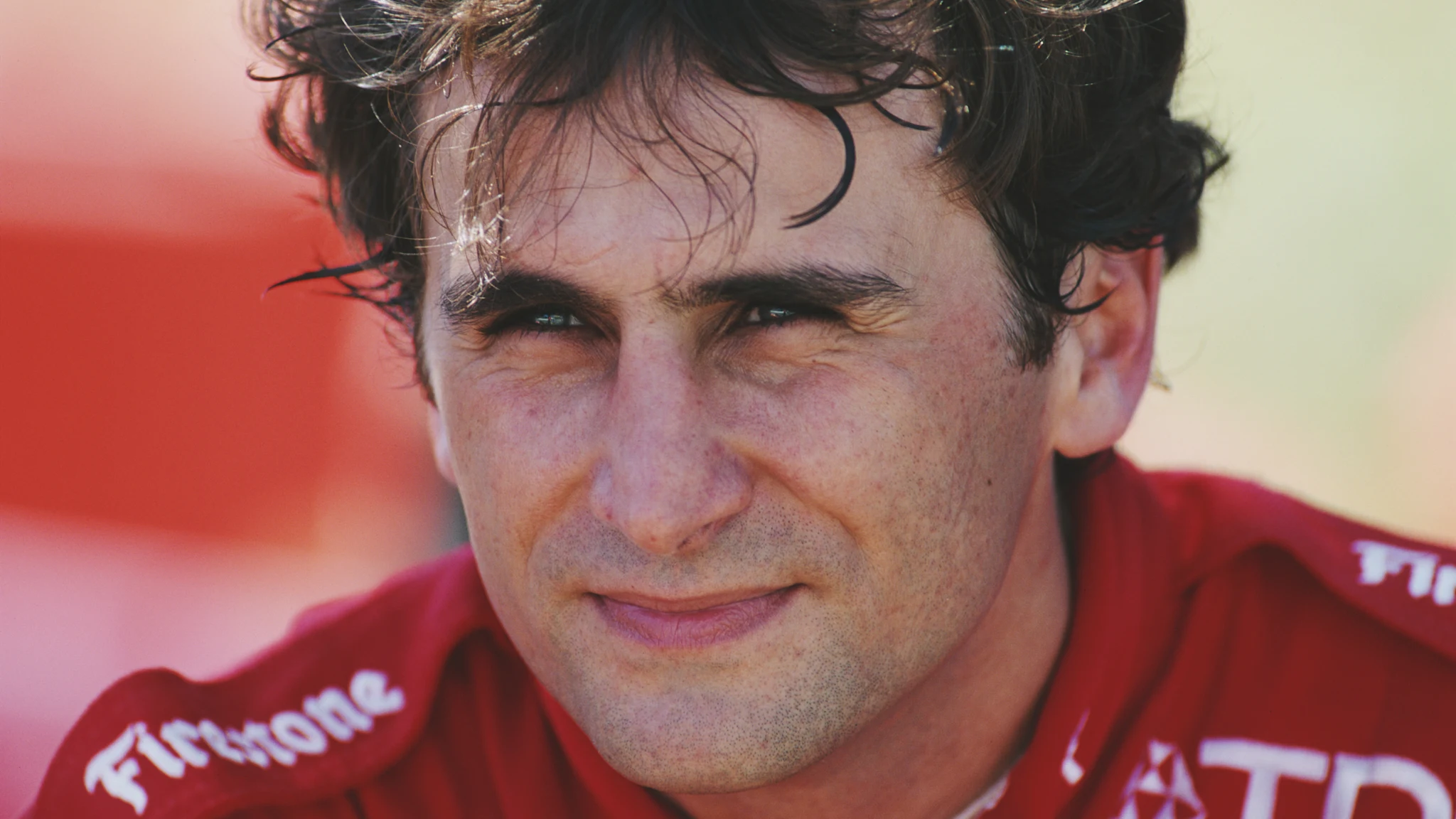
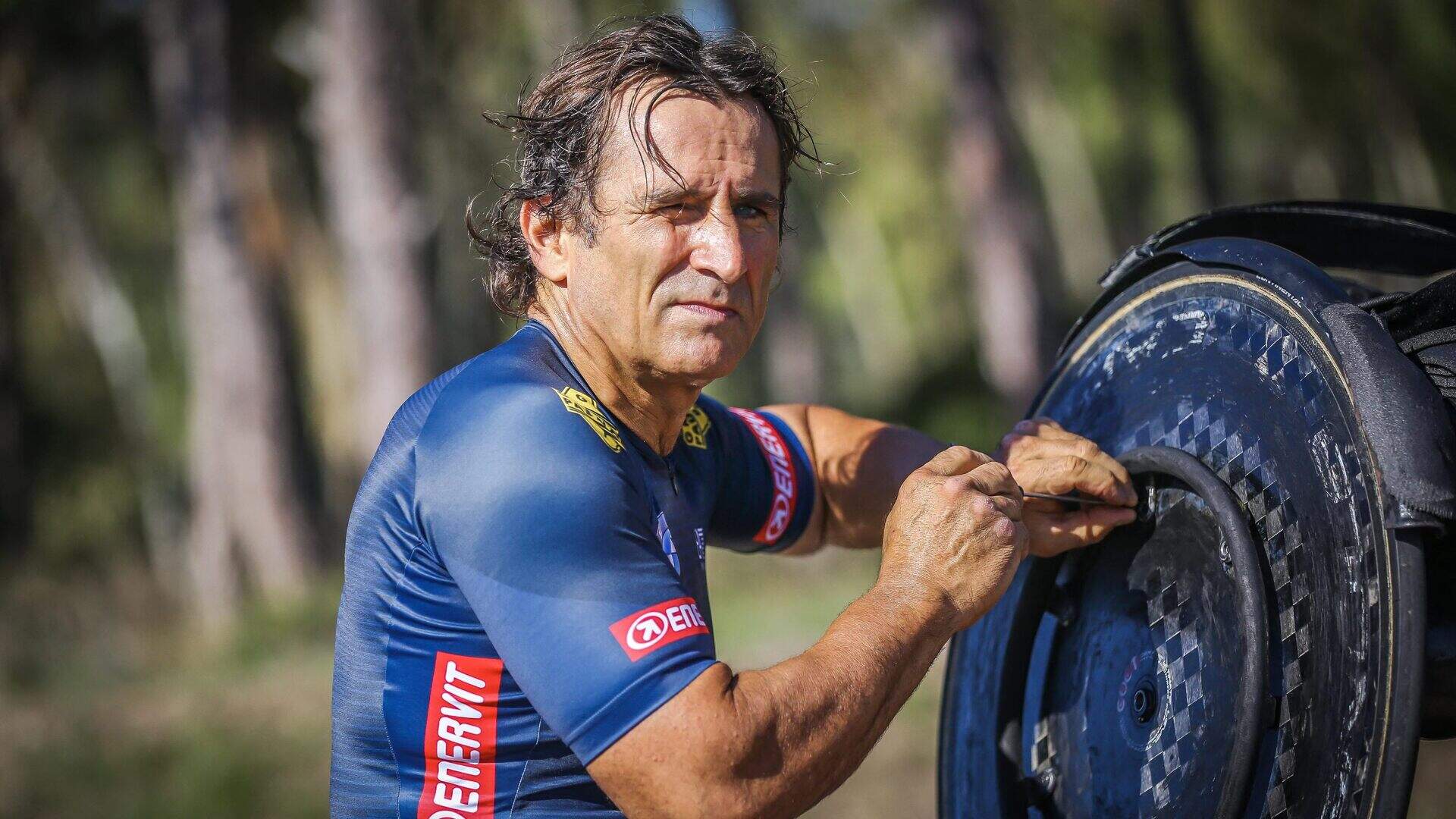
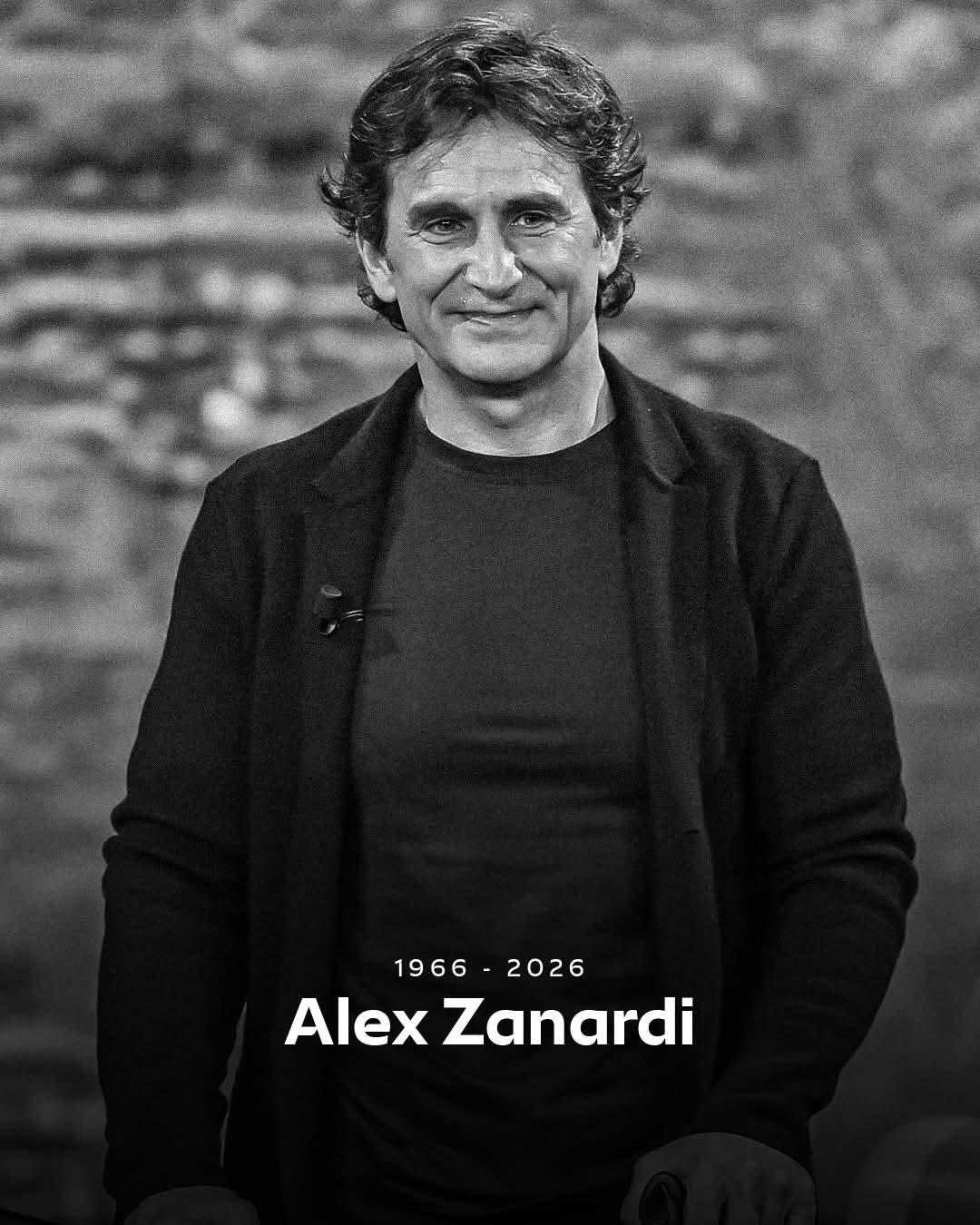
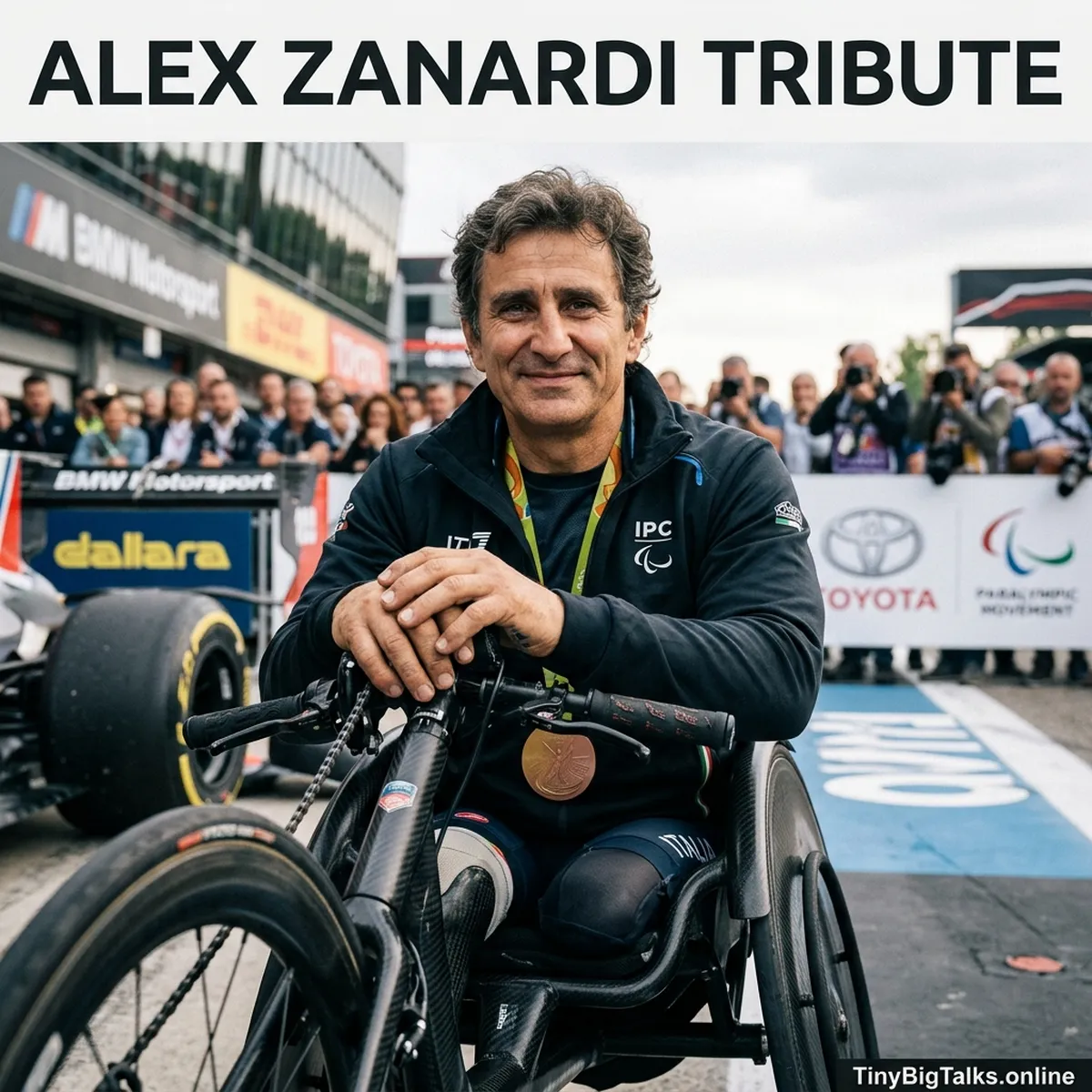
Alessandro "Alex" Zanardi stands as one of the most remarkable figures in modern motorsport, defined not merely by his race victories and championship titles, but by an indomitable resilience that carried him through catastrophic physical trauma and into Paralympic glory. From his early days climbing the European karting ranks to his dominant reign in American open-wheel racing, Zanardi displayed a ferocious driving style characterized by daring late braking maneuvers and absolute commitment. Yet, his trajectory extends far beyond the tarmac of Indianapolis and Monza. Following a horrific 2001 Champ Car accident that cost him both legs, he redefined the boundaries of elite athletic adaptation, transitioning into international handcycling competition and capturing multiple Paralympic gold medals. Examining his life requires looking at how raw speed, technical adaptability, and profound personal reinvention converged to create a unique blueprint of human endurance.
Early Life, European Karting, and the Ascent Through Formula Junior
Born in Bologna, Italy, in 1966, Zanardi cultivated an early fascination with internal combustion engines and speed, constructing his first go-kart from spare parts and scrap metal during his childhood. His competitive entry into organized motorsport began in karting, where he quickly demonstrated the car control and racecraft that would define his professional career. Navigating the fiercely competitive Italian and European karting circuits required operating on tight personal budgets, forcing Zanardi to rely heavily on natural talent, mechanical intuition, and sheer grit.
As he progressed into Formula Three and Formula 3000 in the late 1980s and early 1990s, Zanardi consistently punched above his weight class, securing podiums and race wins against factory-backed entries. His performances in the International Formula 3000 Championship caught the eye of Formula One scouts, leading to sporadic Grand Prix opportunities with mid-field and backmarker teams. Driving for outfits such as Jordan, Minardi, and Lotus during a financially unstable era for Formula One, Zanardi struggled to secure machinery capable of showcasing his full potential, yet his raw speed and technical feedback earned him respect within the paddock and laid the groundwork for his eventual transition to the United States.
Conquering American Open-Wheel Racing in CART
Finding limited upward mobility in Formula One, Zanardi made a career-defining move in 1996 by signing with Chip Ganassi Racing to compete in the Championship Auto Racing Teams (CART) series. Driving the dominant Reynard-Honda package, Zanardi immediately revolutionized American open-wheel racing with an aggressive, European-influenced driving style that prioritized high cornering speeds and audacious overtaking maneuvers.
His rookie campaign yielded three victories and a stunning second place in the championship standings, highlighted by a legendary last-lap, last-corner pass on leader Bryan Herta at Mazda Raceway Laguna Seca in 1996—an iconic moment involving Zanardi passing through the dirt on the outside of the famous "Corkscrew" turn. He followed this explosive debut by dominating the 1997 and 1998 CART seasons, capturing back-to-back drivers' championships with unmatched authority. His signature post-race celebration—spinning his car in wide, smoke-filled doughnuts to delight the crowds—became a staple of CART events and cemented his status as a fan favorite across North America.
| Season | Series | Team | Chassis/Engine | Wins | Championship Position |
|---|---|---|---|---|---|
| 1996 | CART | Chip Ganassi Racing | Reynard-Honda | 3 | 2nd |
| 1997 | CART | Chip Ganassi Racing | Reynard-Honda | 5 | 1st |
| 1998 | CART | Chip Ganassi Racing | Reynard-Honda | 7 | 1st |
| 1999 | Formula One | Williams | Williams-Supertec | 0 | 19th |
| 2007 | World Touring Car | BMW Team Italy-Spain | BMW 320si | 1 | 10th |
The Catastrophic Crash at Lausitzring and Miraculous Survival
Zanardi’s immense success in CART prompted a lucrative return to Formula One in 1999 with the Williams team. However, the Williams-Supertec package proved uncompetitive, and Zanardi parted ways with the team after a single difficult season. After a brief hiatus, he returned to American open-wheel racing in 2001, competing in the CART FedEx Championship Series for Mo Nunn Racing.
On September 15, 2001, during the American Memorial at the Lausitzring in Germany, Zanardi experienced a near-fatal accident that forever altered his life. Exiting the pit lane following a routine stop, he lost control of his Reynard-Ford on the wet, high-speed banking, spinning sideways into the path of oncoming driver Alex Tagliani. Tagliani’s car struck Zanardi’s machine broadside at a speed exceeding 200 miles per hour, slicing the monocoque in half and instantly severing both of Zanardi's legs above the knee.
Quick-thinking medical personnel, led by CART director of medical affairs Dr. Steve Olvey, performed emergency on-track triage, stemming massive arterial hemorrhage and reviving Zanardi after he suffered cardiac arrest multiple times. Surviving seven separate heart stops and losing nearly all the blood in his body, Zanardi spent weeks in a medically induced coma before beginning a long, grueling physical rehabilitation process.
Reinvention as a Paralympic Champion in Handcycling
Rather than retreating from the public eye, Zanardi channeled his relentless competitive fire into physical rehabilitation, working closely with prosthetic specialists to design custom mechanical legs that allowed him to walk and eventually return to competitive motorsport. Within two years of the accident, he engineered hand controls that enabled him to drive a modified touring car, competing in the FIA World Touring Car Championship (WTCC) for BMW and securing emotional race victories at tracks like Oschersleben, proving that elite-level driving capability remained intact.
| Discipline | Key Milestones | Major International Medals |
|---|---|---|
| Touring Car Racing | FIA WTCC race winner with BMW using hand controls | N/A |
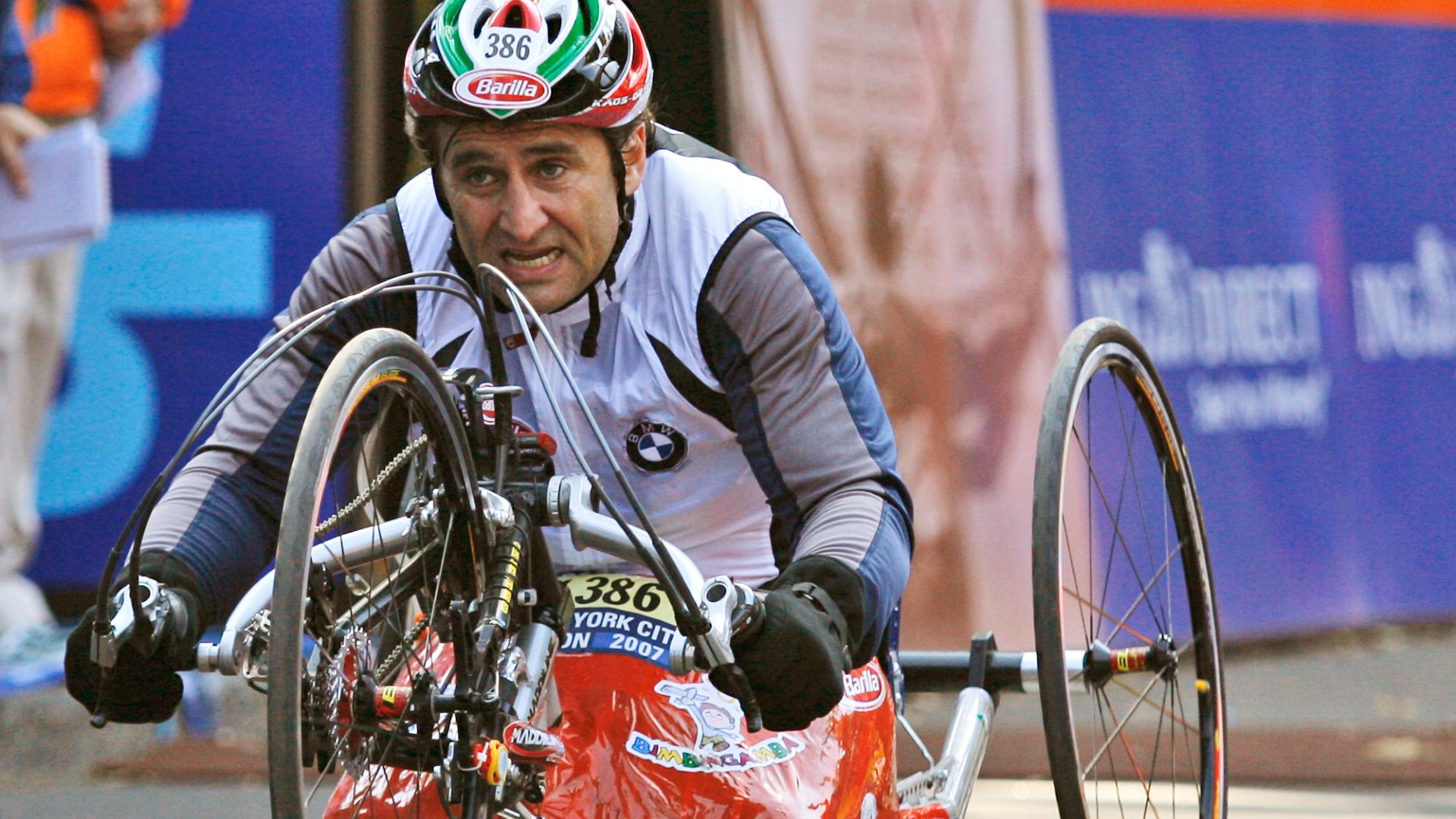
| Handcycling | Rome Marathon finisher (2007), World Championship podiums | 4 Paralympic Gold Medals, 2 Paralympic Silver Medals |
| Paracycling Road World Cups | Multiple individual time trial and road race victories | Multiple Gold and Silver Medals |
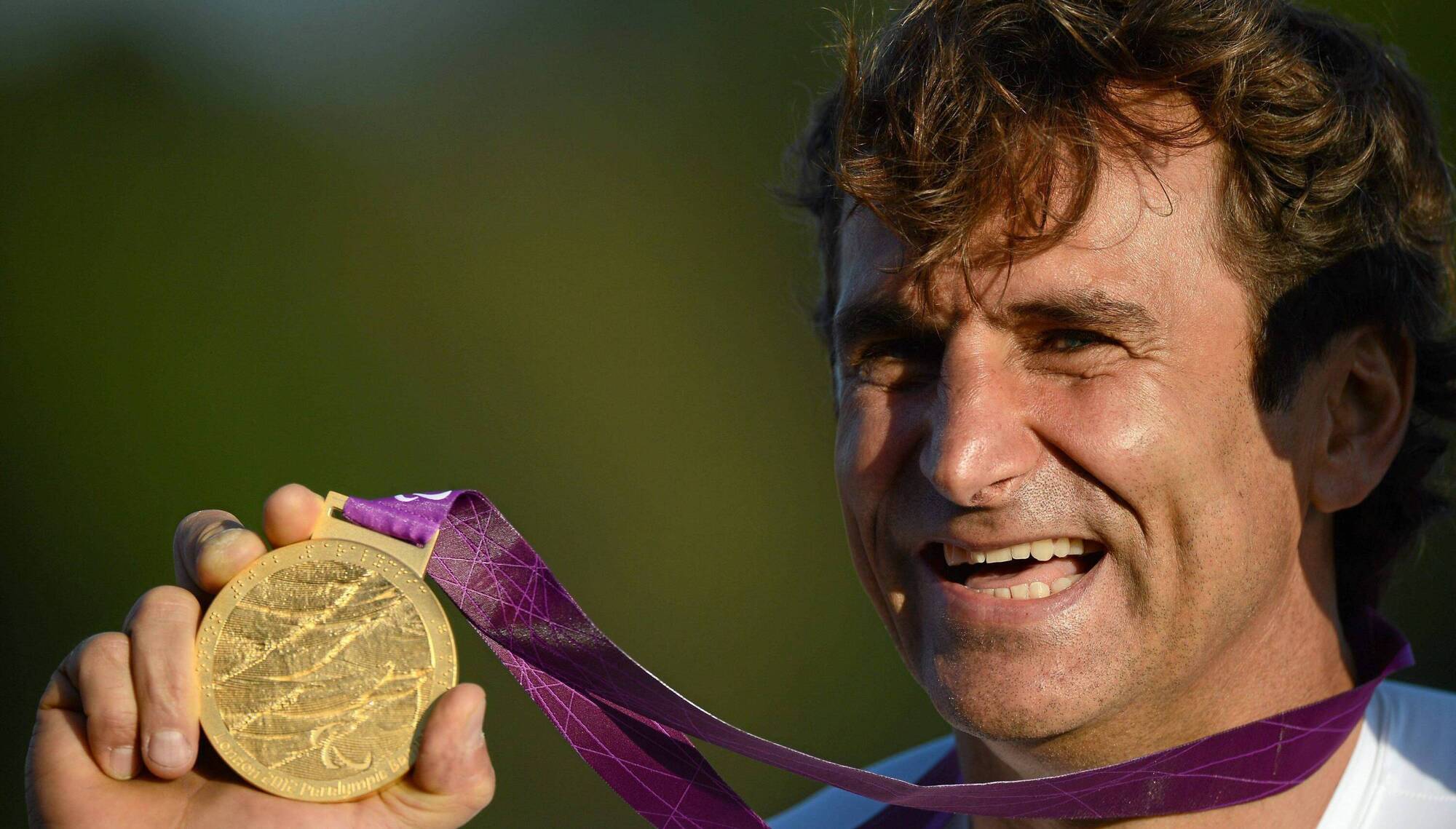
As his driving career in touring cars wound down, Zanardi discovered handcycling, a sport that tested his upper-body endurance and tactical acumen. Applying the same engineering mindset and exhaustive training regimen that made him a CART champion, he rapidly ascended the global handcycling ranks. Representing Italy at the London 2012 Paralympic Games, he captured gold medals in the H4 time trial and the H4 road relay, alongside a silver in the road race. Four years later, at the Rio 2016 Paralympic Games, he defended his H4 time trial title and secured another gold in the team relay, cementing his status as a world-class endurance athlete.
Enduring Legacy and Impact on Motorsport Safety
Alex Zanardi’s legacy extends far beyond his championship trophies and Paralympic medals; it represents a profound shift in how the sporting world perceives disability, rehabilitation, and human determination. His refusal to accept limitations reshaped engineering standards in adaptive sports and motorsport safety. The medical interventions deployed at Lausitzring in 2001—particularly the immediate on-track stabilization protocols implemented by CART medical teams—subsequently influenced trauma response standards across professional racing series worldwide.
Furthermore, Zanardi’s transparent documentation of his physical and psychological recovery offered a blueprint for athletes and ordinary individuals facing life-altering trauma. By demonstrating that catastrophic injury does not preclude high-level athletic achievement or personal fulfillment, he became a global symbol of resilience. Whether piloting a handcycle through torrential rain or sliding a BMW touring car through a hairpin turn, Zanardi consistently embodied the principle that human will can bridge any physical deficit.
Frequently Asked Questions
What caused Alex Zanardi’s devastating accident in 2001?
Alex Zanardi's accident was caused by a high-speed collision during the American Memorial CART race at the Lausitzring in Germany. After exiting the pit lane on cold tires, he spun on the wet track surface and came to rest perpendicular to the racing line, where Canadian driver Alex Tagliani struck his car at over 200 mph, severing both of his legs.
How many CART championships did Alex Zanardi win?
Alex Zanardi won two consecutive CART drivers' championships during his career, taking the title in 1997 and 1998 while driving for Chip Ganassi Racing. During this two-year dominant period, he secured a combined 12 race victories and numerous podium finishes.
Did Alex Zanardi ever race in Formula One again after his accident?
No, Alex Zanardi did not race in Formula One after his 2001 accident, having previously competed in F1 during the 1991–1994 seasons and a full campaign in 1999 with Williams. However, he did test a modified BMW Formula One car in 2006, successfully completing laps using specially designed hand-operated throttle and clutch systems.
How many Paralympic medals did Alex Zanardi win?
Alex Zanardi won a total of six Paralympic medals across two Paralympic Games in handcycling. He claimed four gold medals (London 2012 H4 time trial and road relay; Rio 2016 H4 time trial and team relay) and two silver medals (London 2012 road race; Rio 2016 road race).
What modifications allowed Zanardi to return to professional racing?
Zanardi returned to professional motorsport using specially engineered hand controls developed in cooperation with BMW and racing equipment specialists. These systems allowed him to operate the throttle, brakes, and clutch entirely through manual levers mounted on the steering wheel, compensating for the absence of his legs.
Practical Steps and Next Actions for Exploring Motorsport History
For enthusiasts and researchers seeking a deeper understanding of Alex Zanardi’s career and broader motorsport safety evolution, structured exploration yields the most accurate historical context:
- Review Official Racing Archives: Examine official CART, WTCC, and IndyCar historical databases for race statistics, lap charts, and technical regulations from the 1996–2001 era.
- Consult Medical Journals: Read published case studies and trauma reports from the CART safety team regarding trackside hemorrhage control and rapid extraction protocols following the 2001 Lausitzring crash.
- Examine Paralympic Documentation: Access International Paralympic Committee (IPC) classification guides and event archives to understand the H4 handcycling category specifications and competition formats.
- Read Authorized Biographies: Explore comprehensive biographical works detailing Zanardi's Italian upbringing, his time in Formula One, and his meticulous rehabilitation process under the guidance of sports medicine specialists.