Alex Van Halen's net worth is estimated at roughly $90 million to $100 million, accumulated primarily through decades of global album sales, extensive stadium tours, songwriting royalties, and high-value publishing rights as the co-founder and powerhouse drummer of Van Halen. While popular internet folklore and search terms sometimes playfully mischaracterize band members or misattribute guitar roles, Alex Van Halen’s wealth is firmly rooted in his foundational percussion work, business stakes, and intellectual property ownership within one of rock history's most successful commercial enterprises.
Understanding the financial architecture of a legendary rock band requires looking past simple headline figures. The wealth generated by Van Halen spans multiple revenue streams, from multi-platinum record sales and merchandise licensing to corporate entities and publishing catalogs. This analysis breaks down how Alex Van Halen constructed his net worth, examining the economics of the band, the impact of touring, publishing assets, and the broader financial realities of maintaining a multi-decade career in the upper echelon of rock music.
The Foundations of Van Halen: Commercial Success and Album Sales
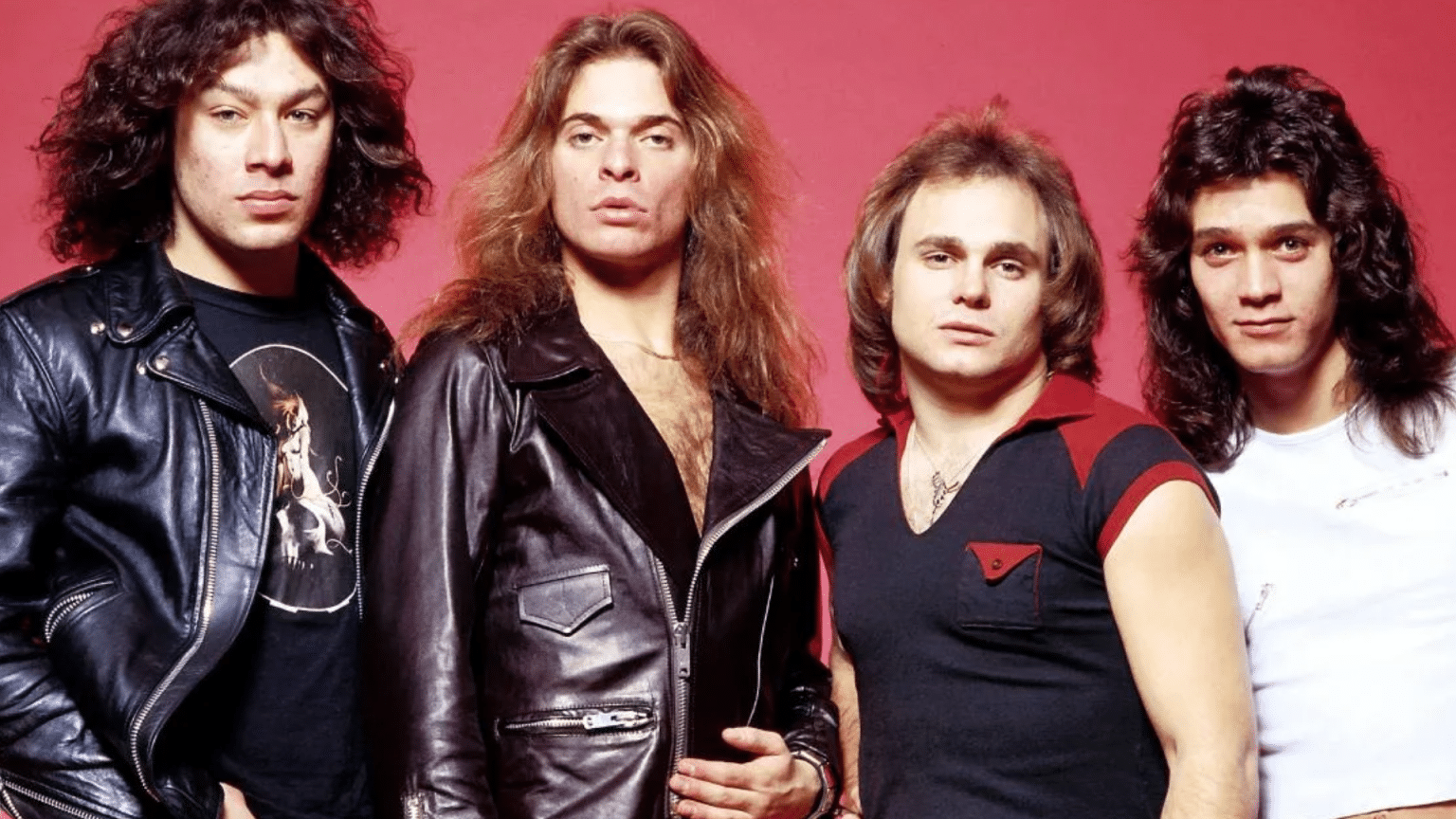
The primary engine of Alex Van Halen’s wealth is the enduring commercial success of the band Van Halen, which he formed alongside his brother, guitarist Eddie Van Halen, in Pasadena, California, in 1972. Throughout the late 1970s, the 1980s, and beyond, the band established itself as an American rock powerhouse, characterized by massive stadium hooks, virtuoso musicianship, and a string of chart-topping releases.
Van Halen’s self-titled 1978 debut album revolutionized hard rock and set a benchmark for commercial viability, eventually achieving Diamond certification by the Recording Industry Association of America (RIAA) for shipping over 10 million units in the United States alone. Subsequent releases, including Fair Warning, Diver Down, and the blockbuster 1984 album (featuring the global chart-topper "Jump"), consistently moved millions of copies worldwide.
When the band transitioned frontmen from David Lee Roth to Sammy Hagar in the mid-1980s, their commercial dominance continued uninterrupted. Albums like 5150, OU812, and For Unlawful Carnal Knowledge debuted at number one on the Billboard 200 chart, solidifying steady revenue from physical media sales, cassette tapes, compact discs, and later, digital downloads and streaming royalties.
Touring Economics and Live Performance Revenue
While recorded music laid the groundwork, live performance has historically represented the largest revenue generator for elite rock bands. Van Halen was renowned as a premier live act, commanding massive guarantees, gate percentages, and lucrative corporate sponsorships during their peak touring eras.
During the 1980s and 1990s, the band embarked on monumental tours that routinely grossed tens of millions of dollars. In later decades, reunion tours—particularly the triumphant 2007–2008 reunion with David Lee Roth and subsequent outings in 2012 and 2015—ranked among the highest-grossing concert tickets of their respective years.
Ticket sales, VIP packages, and official merchandise lines sold at venues generated substantial gross revenues. After accounting for production costs, crew salaries, venue rentals, and management commissions, the remaining profits were divided among the core band partners, providing significant cash injections into Alex Van Halen’s personal portfolio.
| Album / Tour Era | Primary Release / Milestone | Commercial Impact | Primary Revenue Source |
|---|---|---|---|
| 1978–1983 (Roth Era I) | Van Halen, 1984 | Diamond certification (10x Platinum); multi-million unit sales | Album sales, arena-level touring |
| 1986–1995 (Hagar Era) | 5150, For Unlawful Carnal Knowledge | Multiple #1 Billboard albums; consecutive multi-platinum certifications | Stadium tours, CD sales, publishing |
| 2007–2015 (Reunion Era) | North American Tours (Roth returns) | Grossed over $90 million in 2007–2008 alone | High-tier ticket sales, festival headlining, merchandise |
Publishing Rights, Royalties, and Songwriting Credits
Intellectual property represents a lasting pillar of wealth for legacy musicians. As a co-writer on numerous Van Halen tracks, Alex Van Halen shares in the publishing and songwriting royalties generated whenever the band's catalog is broadcast on terrestrial radio, streamed on digital platforms, featured in television, film, or commercials, or covered by other artists.
While guitarists and vocalists often receive a higher percentage of publishing splits due to lyric and primary melody creation, Van Halen’s rhythm section—specifically the collaborative writing dynamic between the Van Halen brothers and their respective bandmates—ensured a steady baseline of performance and mechanical royalties.
Furthermore, the longevity of classic rock radio formatting and the migration of music consumption to streaming services like Spotify and Apple Music provide a consistent, passive income stream. Catalog assets of this magnitude often appreciate in value over time, serving as a reliable financial buffer long after active touring concludes.
Business Ventures, Endorsements, and Asset Management
Beyond direct music royalties, successful rock musicians typically diversify their wealth through smart asset management, real estate holdings, and corporate endorsements. Throughout his career, Alex Van Halen maintained major endorsement relationships with premier equipment manufacturers, most notably Paiste cymbals and Ludwig drums, ensuring access to top-tier custom gear and promotional support.
Prudent financial management is critical for high-earning entertainers. Prudent diversification into real estate holdings in Southern California and other high-value markets allowed Alex Van Halen to preserve and grow his capital away from the volatile shifts of the music industry. Unlike artists who faced severe financial distress due to mismanagement, the Van Halen brothers maintained strict oversight of their business affairs, rehearsal spaces (such as the famous 5150 studio complex), and corporate entities.
Addressing Misconceptions: The "Silent Guitarist" Label
The internet search phrasing referring to the "silent guitarist" often stems from playful misattributions, humorous social media discourse, or confusion regarding the internal dynamics of Van Halen. In reality, Alex Van Halen is widely recognized as one of rock music's most powerful, distinctive, and technically proficient drummers, known for his thunderous double-bass work and driving groove.
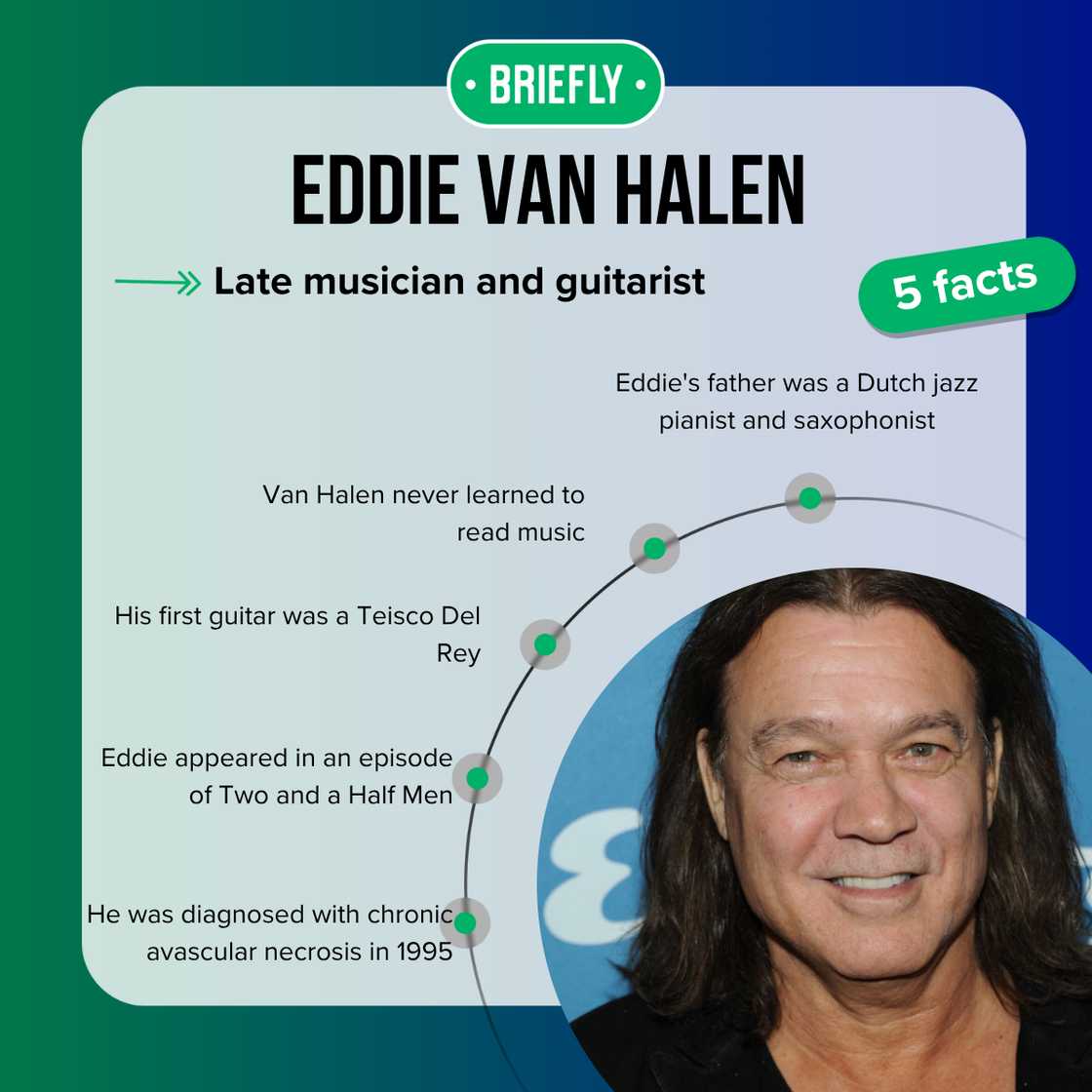
Eddie Van Halen was the undisputed guitar virtuoso of the group, widely celebrated for pioneering techniques like two-handed tapping. Alex, meanwhile, anchored the rhythm section with precision and power. The "silent" moniker occasionally applied to Alex in pop-culture trivia or media profiles usually highlights his relatively reclusive public persona compared to his more bombastic bandmates and brother, rather than any literal musical role. His fortune was built entirely behind the drum kit and through his ownership stake in the Van Halen enterprise, not as a silent guitarist.
Frequently Asked Questions About Alex Van Halen's Wealth
What is Alex Van Halen's net worth in 2026?
Alex Van Halen's net worth is estimated to be between $90 million and $100 million. This wealth is derived from decades of record sales, global stadium tours, songwriting royalties, and publishing assets associated with the rock band Van Halen.
How did Alex Van Halen make his money?
The majority of his wealth comes from co-founding Van Halen in 1972, recording multi-platinum albums, headlining major international concert tours, and earning long-term royalties from music publishing and master recordings.
Does Alex Van Halen still receive royalties from Van Halen music?
Yes. As a founding member, drummer, and co-writer of numerous tracks, he continues to earn substantial performance and mechanical royalties from radio airplay, digital streaming platforms, sync licensing, and physical media sales.
Why is Alex Van Halen sometimes called the silent guitarist?
This phrase is a colloquial misconception or internet quirk. Alex Van Halen is a legendary drummer, not a guitarist. The term "silent" typically refers to his private personal life and infrequent media appearances compared to other rock icons, while his brother Eddie Van Halen was the band's famous guitarist.
How much do Van Halen tours contribute to net worth?
Live touring was historically Van Halen's highest-grossing revenue channel. Massive arena and stadium tours, particularly their lucrative 2000s and 2010s reunion runs, generated tens of millions of dollars in gross revenue, directly boosting the band members' personal fortunes.
Strategic Financial Lessons from Legacy Rock Portfolios
For observers and aspiring creators analyzing the financial trajectories of legacy rock musicians, the primary takeaway is the power of intellectual property ownership and business discipline. Building a lasting net worth in the entertainment industry requires more than initial talent; it demands long-term retention of publishing rights, careful control over production overhead, and strategic diversification into tangible assets such as real estate. Alex Van Halen’s financial standing illustrates how a decades-long commitment to a singular, high-value creative enterprise can yield generational wealth when paired with disciplined asset management.