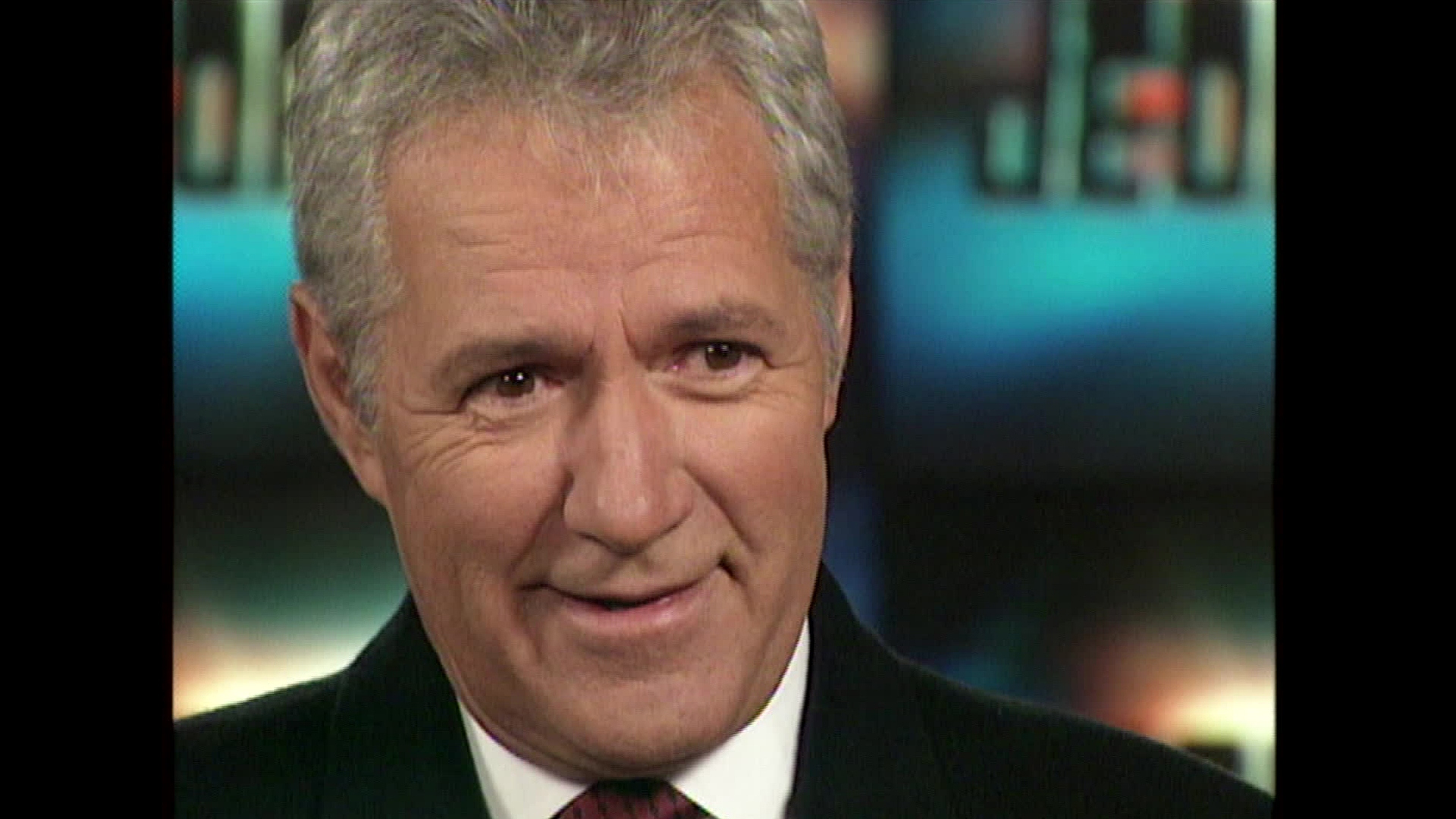
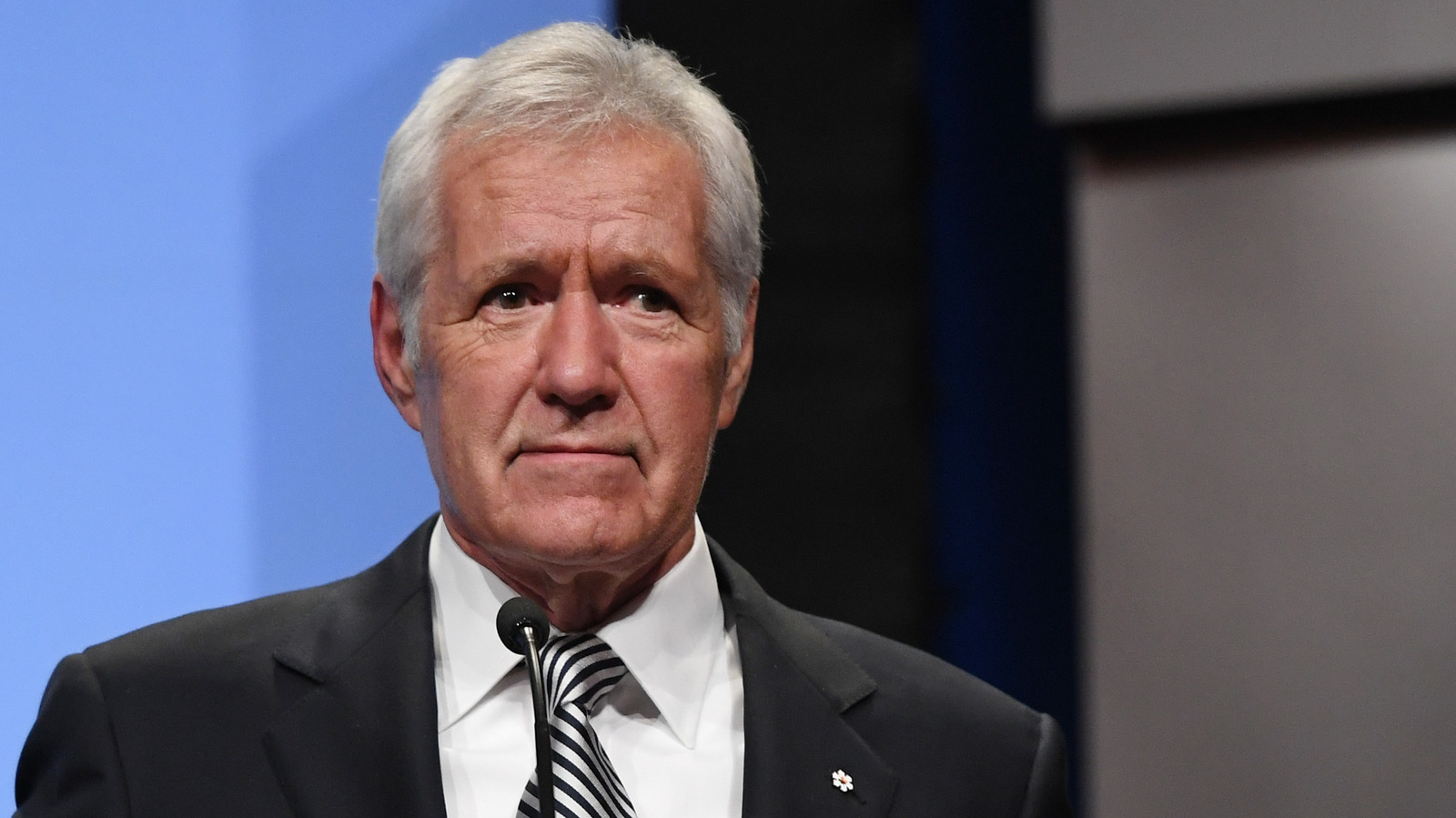
During his historic 37-year tenure as the host of Jeopardy!, Alex Trebek earned an annual salary estimated between $10 million and $18 million in his later years, supplemented by various contractual perks, syndication bonuses, and significant merchandising revenue that accumulated into an estimated net worth of $75 million at the time of his passing in 2020.
Understanding the financial compensation of one of television's most iconic game show hosts requires looking beyond a single paycheck. Trebek’s income evolved dramatically from his early days on Canadian television and initial syndication launches in 1984 to a multi-million-dollar pillar of American broadcasting. His compensation package reflected not only his stability and widespread cultural footprint but also the immense syndication revenues generated by Sony Pictures Television and local broadcasting affiliates across the United States.
The Evolution of Alex Trebek’s Early Broadcasting Compensation
Alex Trebek began his career in broadcasting with the Canadian Broadcasting Corporation (CBC) in 1961, working as a reporter and announcer before transitioning to game show hosting with programs like Reach for the Top and The Wizard of Odds. During these formative decades of North American television, hosting salaries were substantially lower than the multi-million-dollar figures commanded by primetime anchors and elite game show hosts in the late 20th and early 21st centuries.
When Trebek moved to the United States and hosted shows like High Rollers, The Classic Concentration, and Pitfall through the 1970s and early 1980s, his compensation aligned with standard industry rates for daytime television professionals. Daytime game show hosts typically operated on flat per-episode fees or moderate weekly retainers without the backend equity participation or lucrative syndication profit-sharing arrangements that later became standard for top-tier talent. This period established his reputation for professionalism, rapid pacing, and unflagging composure under pressure—qualities that made him the definitive choice when Merv Griffin sought a host for the daily syndicated revival of Jeopardy! in 1984.
Syndication Success and the Transition to Tier-One Compensation
When Jeopardy! premiered in its modern syndicated format on September 3, 1984, Trebek signed a standard hosting agreement. As the program transformed into a cultural phenomenon and a cash cow for King World Productions and subsequent distributors, Trebek's compensation structure adjusted to reflect his rising value. In the television industry, syndicated game shows generate massive advertising revenue through split-barter advertising and cash license fees paid by local network affiliates.
| Era / Career Phase | Estimated Annual Salary | Key Revenue Drivers & Contract Terms |
|---|---|---|
| Early Syndication (1984–1990s) | $1M – $3M per year | Standard per-episode syndication fees, base hosting salary |
| Peak Syndication (2000s–2010s) | $8M – $10M per year | Multi-year contract renewals, ratings bonuses |
| Final Contract (2018–2020) | $10M – $18M per year | Sony Pictures Television renewals, extended terms through 2022 |
During the 1990s and 2000s, as ratings soared and the show cemented its place in American households, Trebek negotiated substantial pay increases. By the mid-2000s, public reports and industry disclosures indicated that his annual salary hovered around $8 million to $10 million. These figures placed him among the highest-paid television hosts in daytime and syndicated broadcasting, comparable to long-running figures like Pat Sajak and Vanna White of Wheel of Fortune.
Contract Negotiations, Perks, and Sony Pictures Television Agreements
Trebek's negotiating leverage stemmed from his dual role as both the face of the franchise and its stabilizing administrative anchor. Beyond reading clues and managing contestants, Trebek exercised executive producer duties during certain periods of the show's run, which further increased his earning potential. His contracts with Sony Pictures Television routinely included provisions for cost-of-living adjustments, performance bonuses tied to household ratings stability, and promotional obligations.
Unlike primetime network stars who work limited seasonal schedules, Trebek's workload for Jeopardy! required immense stamina. The production schedule typically involved recording five episodes a day, spanning two days per week, for approximately 46 to 48 days per year. This high-efficiency production model meant Trebek taped the entirety of a standard 230-episode season in roughly 46 working days. When evaluated on a per-episode basis, his compensation reached extraordinary heights, translating to hundreds of thousands of dollars for each 30-minute broadcast recorded.
Comparative Earnings in the Syndicated Television Landscape
To understand how Alex Trebek’s salary compared to peers in syndicated broadcasting, it is helpful to examine the compensation tiers of contemporaneous hosts. Game show and talk show hosts commanding top-tier salaries share common characteristics: decades of consistent daily audience retention, minimal controversy, and deep integration into the syndication market.
- Syndicated TV Salary Tiers
- Tier 1: Elite Hosts ($10M – $20M+ per year)
- Alex Trebek (Jeopardy!)
- Pat Sajak (Wheel of Fortune)
- Oprah Winfrey (Prime Syndication Era)
- Tier 2: Established Hosts ($3M – $9M per year)
- Vanna White (Wheel of Fortune)
- Steve Harvey (Family Feud)
- Tier 3: Emerging / Standard ($500K – $2.5M per year)
- Standard daytime network hosts
- Tier 1: Elite Hosts ($10M – $20M+ per year)
Trebek’s salary aligned directly with that of his colleague Pat Sajak. Both men anchored their respective Sony-distributed game shows for decades, creating a formidable hour-long syndication block for network affiliates across the United States. While nighttime talk show hosts like David Letterman or Conan O'Brien commanded higher gross figures due to the massive overhead and advertising rates of network late-night television, Trebek’s stability, lower production overhead, and longevity yielded an extraordinarily secure and lucrative career earnings profile.
Estate Valuation, Philanthropy, and Posthumous Financial Legacy
Following Trebek's death on November 8, 2020, public interest naturally turned toward his accumulated wealth and estate planning. Financial analysts and entertainment industry publications estimated his net worth at approximately $75 million. This figure encompassed his accumulated earnings from Jeopardy!, real estate holdings—including his long-time Studio City, California home—and various investments amassed over a nearly 60-year broadcasting career.
True to his private nature, Trebek and his wife, Jean Currivan Trebek, engaged in substantial philanthropic endeavors throughout their lives and structured their estate to support charitable causes. They donated millions of dollars to educational institutions, including his alma mater the University of Ottawa, and various homeless shelters and medical research facilities. Trebek's financial legacy was defined not only by the high salary he commanded through rigorous contract negotiations with Sony Pictures Television, but also by his disciplined financial management and commitment to giving back.
Frequently Asked Questions About Alex Trebek’s Salary
How much did Alex Trebek make per episode of Jeopardy!?
During his final contract periods, when his annual salary was estimated between $10 million and $18 million for producing approximately 230 episodes per year, Trebek earned between $43,000 and $78,000 per individual episode recorded. Because the production schedule required taping five episodes per single production day, his daily earnings while on set reached hundreds of thousands of dollars.
Did Alex Trebek own a percentage of Jeopardy!?
Alex Trebek did not own equity or backend syndication rights in Jeopardy!; the intellectual property and syndication profits belonged entirely to Merv Griffin Enterprises and subsequently Sony Pictures Television. His compensation consisted of a massive guaranteed annual salary, performance bonuses, and contractual fees rather than ownership stakes in the show's syndication profits.
Was Alex Trebek one of the highest-paid TV hosts?
Yes, in the realm of syndicated daytime and early-fringe television, Trebek was consistently among the highest-paid hosts in the industry. His earnings placed him in the same elite tier as fellow long-running game show host Pat Sajak, matching the top tier of syndicated television compensation.
How did Alex Trebek's salary change over his 37 years on the show?
Trebek started with a standard hosting fee when the show launched in 1984. As the program achieved massive ratings dominance and syndication expansion through the 1990s and 2000s, Sony Pictures Television repeatedly increased his compensation through multi-year contract renewals that pushed his salary into the eight-figure range by the end of his career.
What was Alex Trebek's total net worth when he passed away?
At the time of his passing in November 2020, financial estimates placed Alex Trebek’s total net worth at approximately $75 million. This sum was accumulated through decades of high-tier television salaries, real estate investments, and careful financial planning.
Maximizing Career Longevity and Value in Media
For media professionals and aspiring broadcasters, Trebek’s career offers a clear lesson in the economic value of consistency, audience trust, and professional reliability. While many television personalities pursue high-turnover primetime projects or volatile network experiments, Trebek’s financial success stemmed from anchoring a daily appointment-viewing staple. Creators and executives negotiating long-term talent agreements can look to his model as proof that sustained ratings performance, institutional knowledge, and immaculate professional reputation form the strongest foundation for sustained peak-tier compensation.