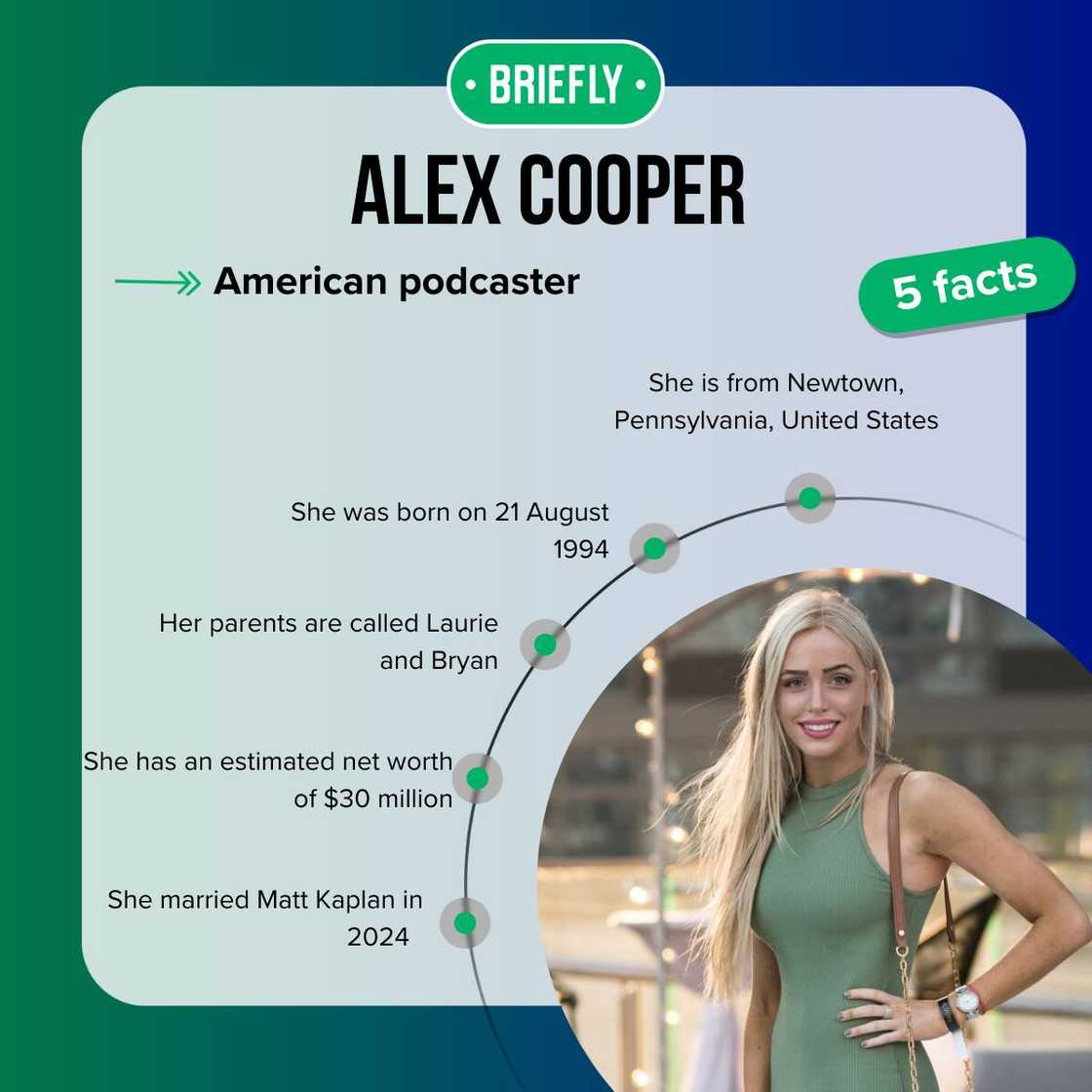
Evaluating public financial figures requires distinguishing between gross revenue, estimated enterprise value, and verified liquid assets, particularly when assessing media personalities and digital influencers like Alex from Rush. While specific personal asset declarations are rarely matters of public record, tracking historical venture performance, channel monetization metrics, and brand valuation offers a reliable methodology for establishing financial standing.
The digital media landscape has fundamentally transformed how public figures accumulate wealth, shifting the balance from traditional salary-based employment to diversified revenue streams spanning content monetization, brand partnerships, digital products, and equity stakes in emerging enterprises. When examining individuals associated with high-profile digital networks, online communities, or media brands such as Rush, onlookers often conflate brand equity with personal net worth. This comprehensive breakdown examines the underlying financial mechanics, industry standards, and valuation models required to understand how digital media creators build, sustain, and protect their wealth.
Defining Personal Net Worth in the Digital Age
Net worth is fundamentally calculated as total assets minus total liabilities. For digital creators, entrepreneurs, and media figures, this equation involves unique asset classes that traditional financial analysts do not evaluate in standard corporate valuations. Physical property, liquid bank accounts, and publicly traded stocks represent only a portion of a modern creator's financial profile.
Intellectual property, proprietary software, audience reach, monetization rights to digital channels, and long-term sponsorship contracts frequently constitute the majority of a creator's portfolio. However, these intangible assets are notoriously volatile. Unlike real estate or established equities, the valuation of a digital brand can fluctuate rapidly based on platform algorithm updates, shifting advertising markets, and changes in public sentiment. Consequently, estimates regarding any digital personality's net worth must account for liquidity constraints. A creator may command a substantial brand valuation or generate high gross revenue while maintaining relatively low liquid capital due to continuous reinvestment into production infrastructure, team expansion, and inventory.
Primary Revenue Streams Driving Creator Wealth
Understanding the financial standing of a media personality requires analyzing the specific vehicles that generate income. Modern digital ecosystems rely on multi-channel monetization strategies designed to mitigate the risks associated with depending on a single platform.
- Platform Ad-Revenue Sharing: Monetization programs deployed by major video hosting and social media platforms distribute a percentage of advertising revenue directly to creators based on viewer engagement, watch time, and demographic value.
- Direct Brand Partnerships and Sponsorships: Endorsement deals, integrated product placements, and long-term ambassador contracts often outpace platform ad revenue significantly, depending on the creator's niche and audience purchasing power.
- Merchandise and E-Commerce: Direct-to-consumer apparel, hardware, or digital goods provide higher profit margins and establish tangible brand equity independent of third-party platforms.
- Subscription and Community Models: Premium membership tiers, patron-supported platforms, and exclusive community access generate recurring monthly revenue, providing financial stability against advertising market fluctuations.
| Revenue Stream | Typical Margin & Risk Profile |
|---|---|
| Platform Ad-Revenue | Low-to-Medium Margin; High Platform Risk |
| Brand Sponsorships & Endorsements | High Margin; High Reputation Risk |
| Direct-to-Consumer Merchandise | Medium Margin; High Inventory Risk |
| Subscription & Community Models | High Margin; High Churn Risk |
The Economics of Brand Equity vs. Personal Cash Flow
A common misconception in financial commentary involves equating gross business turnover or brand valuation with personal wealth. When a media brand or digital channel expands, the entity often operates through a corporate structure—such as an LLC or S-Corp—that separates business liabilities from personal assets.
Gross revenues generated by digital properties must cover substantial operational overheads, including production crew salaries, equipment depreciation, studio leasing, legal representation, and management fees. Furthermore, tax obligations for independent media operators require careful structuring. Net earnings distributed to an individual as personal income are subject to progressive income taxes, self-employment taxes, and corporate distribution levies. Therefore, estimating personal net worth requires a conservative discount applied to gross business earnings, factoring in operational expenses and corporate retention of capital.
Evaluating Valuation Models for Digital Media Personalities
Financial analysts utilize specific valuation multiples to estimate the worth of digital media assets. These models provide a structured framework for assessing what a channel, brand, or associated enterprise might command in an acquisition scenario.
- Revenue Multiple Valuation: This approach multiplies annual gross or net revenue by a factor determined by growth rate, niche stability, and market conditions. Digital media properties typically trade at multiples ranging from 2 to 5 times annual net profit, though high-growth brands with diversified revenue can exceed these benchmarks.
- Discounted Cash Flow (DCF) Analysis: DCF modeling projects future cash flows generated by the creator's portfolio and discounts them back to their present value. This method accounts for the anticipated lifespan of the creator's brand and audience retention rates over a 3-to-5-year horizon.
- Comparable Company Analysis: Analysts evaluate transactions involving similar media entities, comparing audience size, engagement rates, and monetization efficiency to establish a baseline valuation range.
Common Pitfalls in Estimating Creator Wealth
Public estimates of net worth published across internet forums, social media commentary, and unverified biographical sites frequently rely on speculation and inflated figures. Several recurring errors distort these evaluations.
First, observers frequently confuse revenue with profit. A channel generating seven figures in gross merchandise sales may operate on razor-thin margins after accounting for manufacturing, shipping, and return rates. Second, speculation often assigns arbitrary valuations to subscriber counts or follower totals without analyzing engagement quality or demographic monetization potential. A million passive followers frequently yield lower economic returns than a highly targeted, niche audience of fifty thousand active consumers. Finally, failure to account for debt, production financing, and contractual obligations to management agencies leads to highly inaccurate assessments of an individual's true financial baseline.
Frequently Asked Questions
What is net worth in the context of digital media personalities?
Net worth represents the total value of an individual's liquid assets, real estate, investments, and owned business equity minus any outstanding debts and liabilities. For digital creators, it includes both personal capital and the estimated valuation of intellectual property and corporate entities they control.
Why do public estimates of creator net worth vary so widely?
Public estimates rely on external speculation because private citizens and privately held companies are not legally required to disclose personal financial statements. Different sources utilize inconsistent valuation formulas, often conflating gross channel revenue with personal liquid wealth.
How do digital creators protect their personal assets from business liabilities?
Creators typically establish formal corporate structures, such as Limited Liability Companies (LLCs) or corporations, to separate business operations, contracts, and liabilities from their personal bank accounts and real estate holdings.
Are brand partnerships more lucrative than platform ad revenue?
In most cases, direct brand partnerships and sponsored integrations provide significantly higher financial returns than platform ad-revenue sharing, particularly for creators with highly engaged, specific demographic audiences.
What factors cause a digital media brand's valuation to drop?
Valuations can decrease rapidly due to platform algorithm changes that reduce organic reach, controversies affecting public reputation, shifts in consumer advertising spending, or a failure to diversify revenue streams beyond a single platform.
Strategic Financial Planning for Content Entrepreneurs
Navigating the financial complexities of digital media entrepreneurship requires transitioning from short-term cash flow management to long-term wealth preservation. Creators who successfully sustain their net worth typically diversify their holdings outside the digital ecosystem. Reinvesting media earnings into traditional asset classes—such as commercial real estate, diversified stock portfolios, and venture capital syndicates—mitigates the inherent volatility of the creator economy. Establishing robust accounting practices, retaining qualified legal counsel, and maintaining adequate liability insurance remain essential operational requirements for anyone managing a high-visibility media brand.