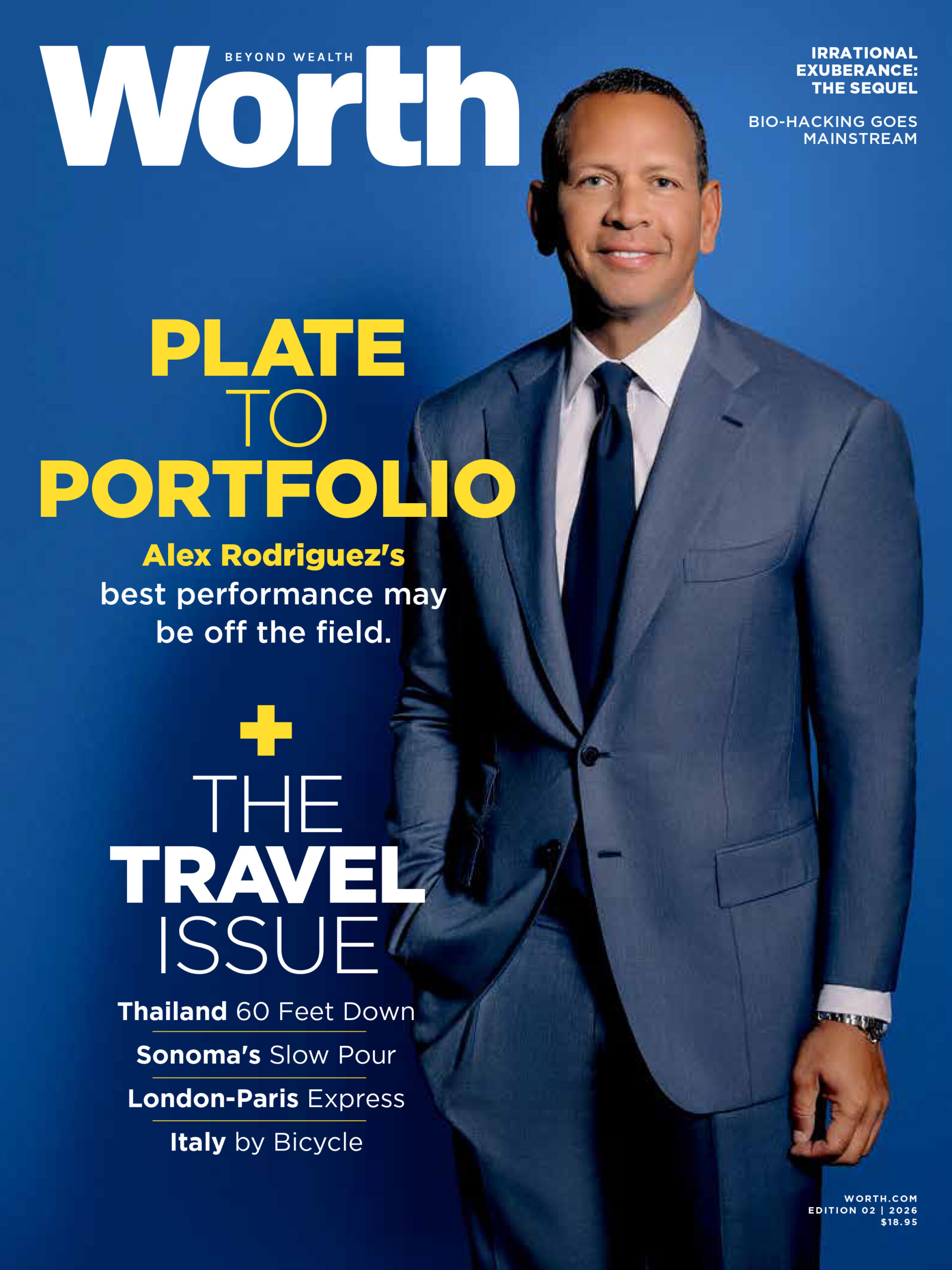
As of 2026, Alex Rodriguez’s net worth is estimated to be approximately $500 million. This wealth is the result of a meticulously managed transition from a record-breaking Major League Baseball career, where he earned over $450 million in salary alone, to a prolific second act as a private equity investor, real estate mogul, and professional sports team owner.
While many elite athletes struggle with financial stability after retirement, Alex Rodriguez, commonly known as A-Rod, has become a case study in brand diversification and capital preservation. His financial portfolio is no longer tethered solely to his past athletic achievements but is instead driven by the growth of A-Rod Corp, substantial holdings in multi-family real estate, and a high-profile ownership stake in the NBA’s Minnesota Timberwolves. By 2026, his strategic moves in the venture capital space and his consistent presence in national media have further solidified his position as one of the wealthiest retired athletes in the world.
The Financial Blueprint of an MLB Legend
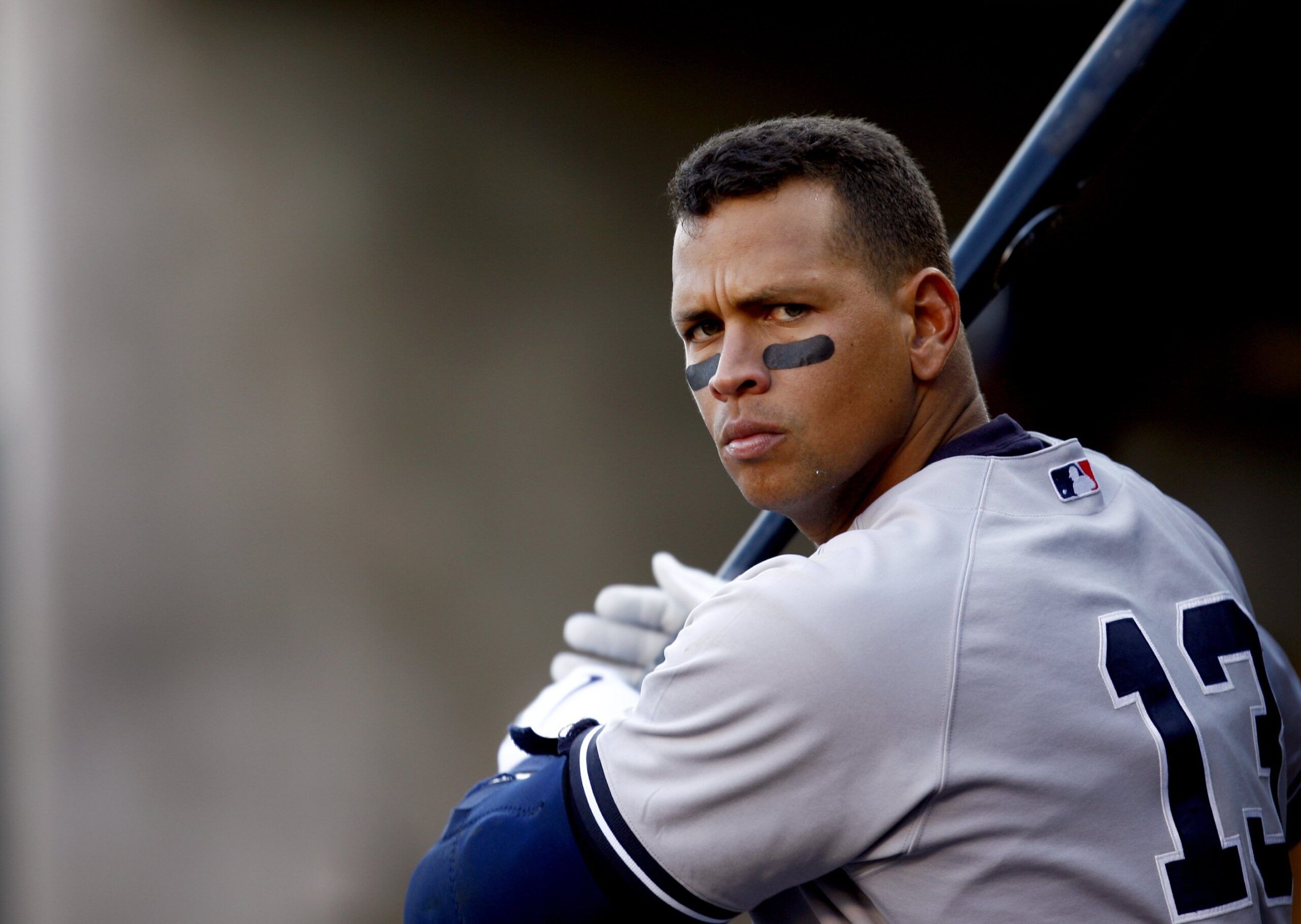
The foundation of Alex Rodriguez’s massive net worth was built on the diamond, characterized by two of the most lucrative contracts in sports history. Unlike many players of his era, Rodriguez approached his playing contracts with a long-term investment mindset, often seeking advice from financial heavyweights like Warren Buffett early in his career. This proactive approach allowed him to leverage his peak earning years into a self-sustaining investment engine.
During his 22-season career, Rodriguez played for the Seattle Mariners, Texas Rangers, and New York Yankees. His first massive payday came in 2000 when he signed a 10-year, $252 million deal with the Rangers—a figure that, at the time, was the largest in sports history. He later opted out of this deal to sign an even larger 10-year, $275 million contract with the Yankees in 2007. These earnings provided the liquidity necessary to launch his investment firm, A-Rod Corp, even while he was still an active player.
Beyond the base salary, Rodriguez earned tens of millions in performance bonuses and incentives. However, it was his ability to minimize lifestyle creep and maximize the "time value of money" that set him apart. By the time he retired from baseball in 2016, he had collected roughly $455 million in career earnings, a sum that serves as the primary capital base for his current diversified portfolio.
A-Rod Corp and the Real Estate Empire
The most significant contributor to Rodriguez's net worth post-retirement is A-Rod Corp, an investment conglomerate he founded in 1996. While many athletes start businesses as passion projects, Rodriguez built A-Rod Corp into a sophisticated entity that mirrors a private equity firm. The crown jewel of this organization is Monument Capital Management, which focuses specifically on multi-family real estate.
By 2026, Monument Capital Management has acquired more than 15,000 apartments across the United States. The strategy is straightforward but effective: target "workforce housing" in high-growth markets like Florida, Texas, and the Southeast. These properties offer steady cash flow and significant appreciation potential. Rodriguez often notes that he chose real estate because it is a tangible asset that provides a hedge against inflation—a strategy that has served him exceptionally well in the economic climate of the mid-2020s.
A-Rod Corp’s reach extends beyond just housing. The firm has invested in a wide array of industries, including fitness (UFC Gyms and TruFusion), wellness (Hims & Hers), and technology. Rodriguez’s investment in Hims & Hers, which went public via a SPAC (Special Purpose Acquisition Company) merger, represents a successful venture into the telehealth sector, yielding significant returns as the company’s valuation grew.
Ownership in Professional Sports: The Minnesota Timberwolves
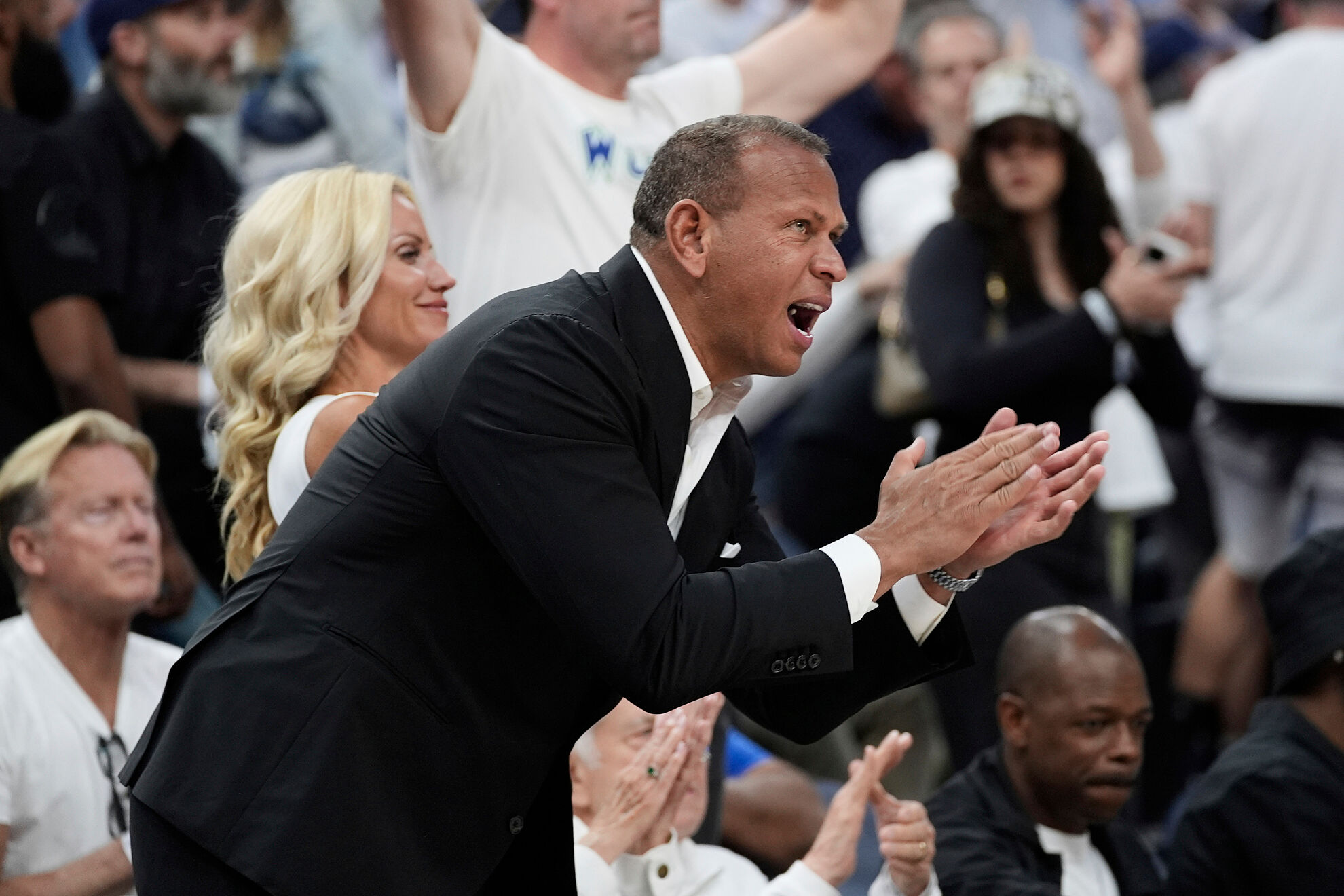
One of the most high-profile shifts in Rodriguez’s wealth profile occurred with his entry into professional sports ownership. Alongside business partner Marc Lore, Rodriguez embarked on a multi-year acquisition of the NBA’s Minnesota Timberwolves and the WNBA’s Minnesota Lynx. This transaction, valued at approximately $1.5 billion at the time of the initial agreement, has seen the team's valuation soar in line with broader NBA trends.
By 2026, the appreciation of NBA franchises has significantly inflated Rodriguez's net worth. NBA teams are no longer just sports entities; they are global media and real estate platforms. The Timberwolves' valuation has benefited from new broadcast rights deals and the continued international expansion of the league. As a primary stakeholder, Rodriguez is not just a figurehead; he is actively involved in the business operations and brand revitalization of the franchise.
Ownership provides a level of equity that is rare for former athletes. While salary and endorsements are taxed as ordinary income, the growth in the value of a sports franchise represents long-term capital gains, which are often more tax-efficient. This move into the "owner’s box" represents the pinnacle of his transition from employee to employer.
| Category of Wealth | Estimated Value/Earnings | Primary Source/Entity |
|---|---|---|
| MLB Career Earnings | $455 Million (Gross) | Mariners, Rangers, Yankees |
| Real Estate Holdings | $150M+ (Equity) | Monument Capital Management |
| Sports Ownership | $200M+ (Estimated Stake) | Minnesota Timberwolves & Lynx |
| Equity & Ventures | $75M - $100M | A-Rod Corp, Hims & Hers, FitPlan |
| Media & Endorsements | $5M - $10M (Annual) | FOX Sports, ESPN, Brand Deals |
Media, Branding, and Global Endorsements
Alex Rodriguez’s ability to rehabilitate his public image after his suspension in 2014 is a significant factor in his sustained earning power. By rebranding himself as a savvy businessman and an insightful broadcaster, he opened doors to lucrative media contracts that keep his name—and his brand—in the public eye.
In 2026, Rodriguez remains a fixture on major sports networks. His work as an analyst for FOX Sports during the MLB postseason and his previous tenure with ESPN's Sunday Night Baseball have paid him millions annually. These roles provide more than just a paycheck; they offer a platform to maintain his relevance, which in turn fuels his endorsement deals.
His endorsement portfolio has evolved from traditional athletic gear to lifestyle and luxury brands. While he previously represented Nike and Rawlings, his modern partnerships often include equity components. He has worked with companies like Anheuser-Busch InBev, Ralph Lauren, and Mercedes-Benz. By taking equity instead of or in addition to cash fees, Rodriguez ensures that his net worth continues to climb alongside the success of the brands he promotes.
Strategic Partnerships and Venture Capital
A key driver of the growth in Rodriguez's net worth between 2020 and 2026 has been his foray into venture capital and SPACs. Rodriguez co-founded Slam Corp, a SPAC aimed at the sports, media, entertainment, and health and wellness sectors. This vehicle allowed him to leverage his network of high-net-worth individuals and institutional investors to acquire and take companies public.
Furthermore, his partnership with Marc Lore has been a force multiplier. Lore, the former CEO of Walmart U.S. eCommerce, brought a level of technological and operational expertise that complemented Rodriguez’s marketing and relationship-building skills. Together, they have invested in various "future-of-work" and "future-of-commerce" startups.
These venture capital investments are inherently riskier than multi-family real estate, but they offer the "home run" potential that can move the needle for someone already worth hundreds of millions. His portfolio includes early-stage bets on fintech, sustainable energy, and consumer goods that reflect the shifting priorities of the 2026 economy.
Life After Baseball: Managing a Global Brand
Alex Rodriguez’s financial success is often attributed to his work ethic, which he translated from the gym to the boardroom. He is known for maintaining a rigorous schedule, often meeting with CEOs and industry leaders to discuss market trends and investment opportunities. This dedication has allowed him to avoid the pitfalls that lead 60% of professional athletes to go broke within five years of retirement.
His wealth management strategy involves a heavy emphasis on diversification. He does not put all his capital into one sector. Instead, he balances the high-growth potential of tech startups with the stability of real estate and the prestige of sports team ownership. This "barbell" investment strategy ensures that even if one sector faces a downturn, the overall portfolio remains resilient.
Rodriguez also utilizes a sophisticated family office structure to manage his assets, tax planning, and philanthropic efforts. By treating his personal brand and wealth as a corporate entity, he has maximized his ability to grow his net worth year-over-year, even long after his final home run.
Frequently Asked Questions
What was Alex Rodriguez's highest annual salary during his MLB career?
His highest single-season salary reached approximately $33 million with the New York Yankees. This was part of his landmark 10-year, $275 million contract signed in 2007. When adjusted for inflation and compared to the league average at the time, this made him the highest-paid player in the game by a significant margin.
How much did A-Rod pay for the Minnesota Timberwolves?
The deal to purchase the Timberwolves and the Lynx was valued at $1.5 billion. Rodriguez and Marc Lore entered a phased payment structure to acquire the team from Glen Taylor. By 2026, the value of the team has appreciated significantly, making their initial investment highly profitable on paper.
Does Alex Rodriguez still get paid by the New York Yankees?
While his active playing contract ended in 2017, the Yankees and Rodriguez reached a settlement for the remainder of his contract and a subsequent role as a special advisor. Any deferred compensation or specific advisor fees have mostly concluded by 2026, though his brand remains deeply tied to the Yankees' legacy.
What is A-Rod Corp's most successful investment?
While Monument Capital Management is the most consistent producer of wealth through real estate, the investment in Hims & Hers is often cited as one of A-Rod Corp's most successful venture capital moves. The company's successful public listing provided a significant liquidity event for early investors like Rodriguez.
How does A-Rod's net worth compare to other retired athletes?
Rodriguez is in the upper echelon of wealthy retired athletes, alongside figures like Michael Jordan, Magic Johnson, and Tiger Woods. While he has not yet reached the "billionaire" status of Jordan, his trajectory through real estate and team ownership puts him on a path to potentially reach that milestone within the next decade.
The Long-Term Outlook for the Rodriguez Portfolio
For those looking to understand the mechanics of high-level wealth building, Alex Rodriguez provides a clear roadmap: leverage your primary income to buy cash-flowing assets. His transition from a "star athlete" to a "business mogul" is nearly complete in 2026. He has successfully navigated the complexities of large-scale real estate, professional sports management, and venture capital.
The next steps for the Rodriguez portfolio likely involve further expansion into international markets and potentially increasing his stake in the sports world. As media rights continue to explode and the global appetite for American sports franchises grows, his equity in the Timberwolves will remain a cornerstone of his financial identity. For fans and investors alike, A-Rod represents the modern evolution of the athlete-turned-entrepreneur, proving that the smartest plays often happen off the field.