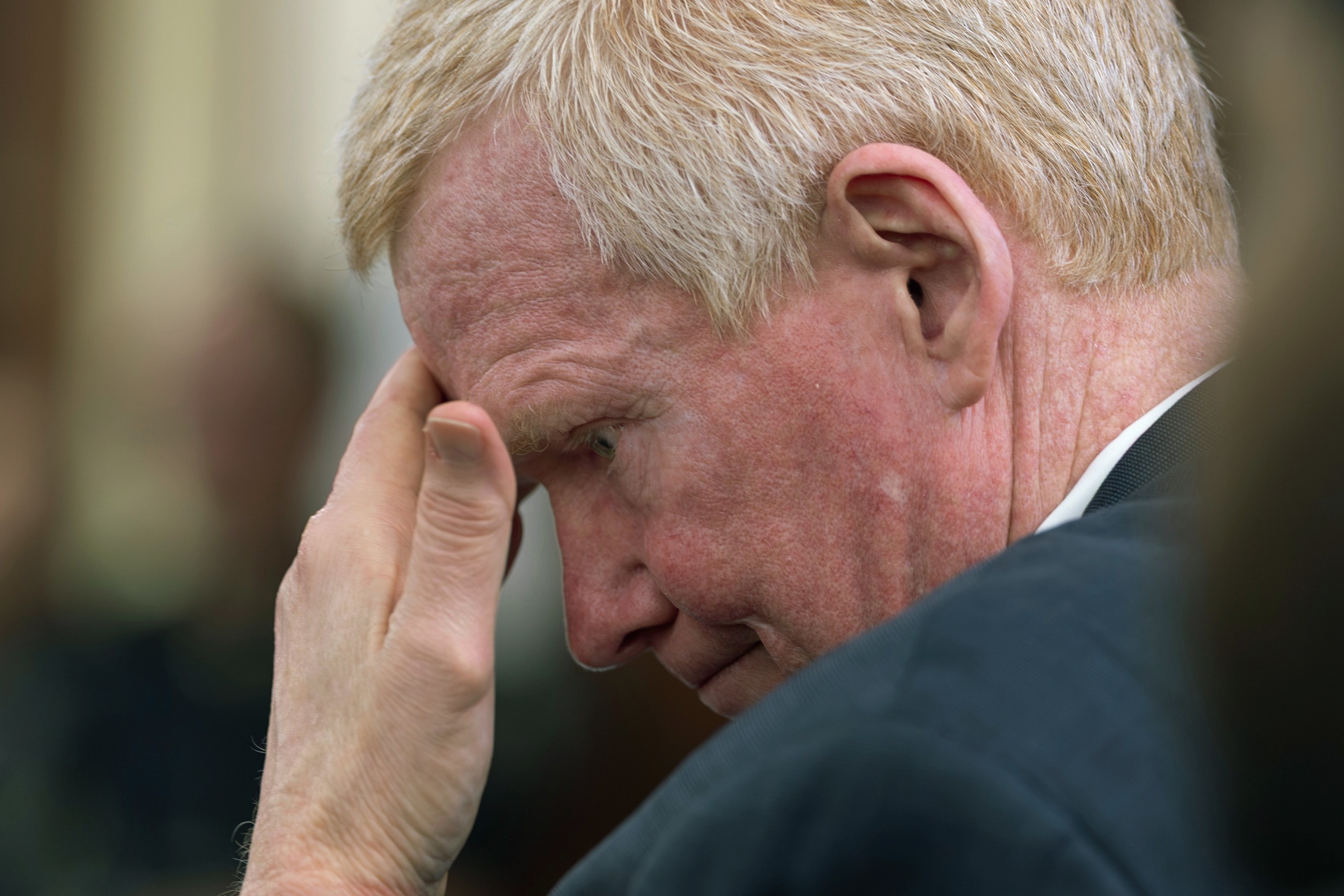
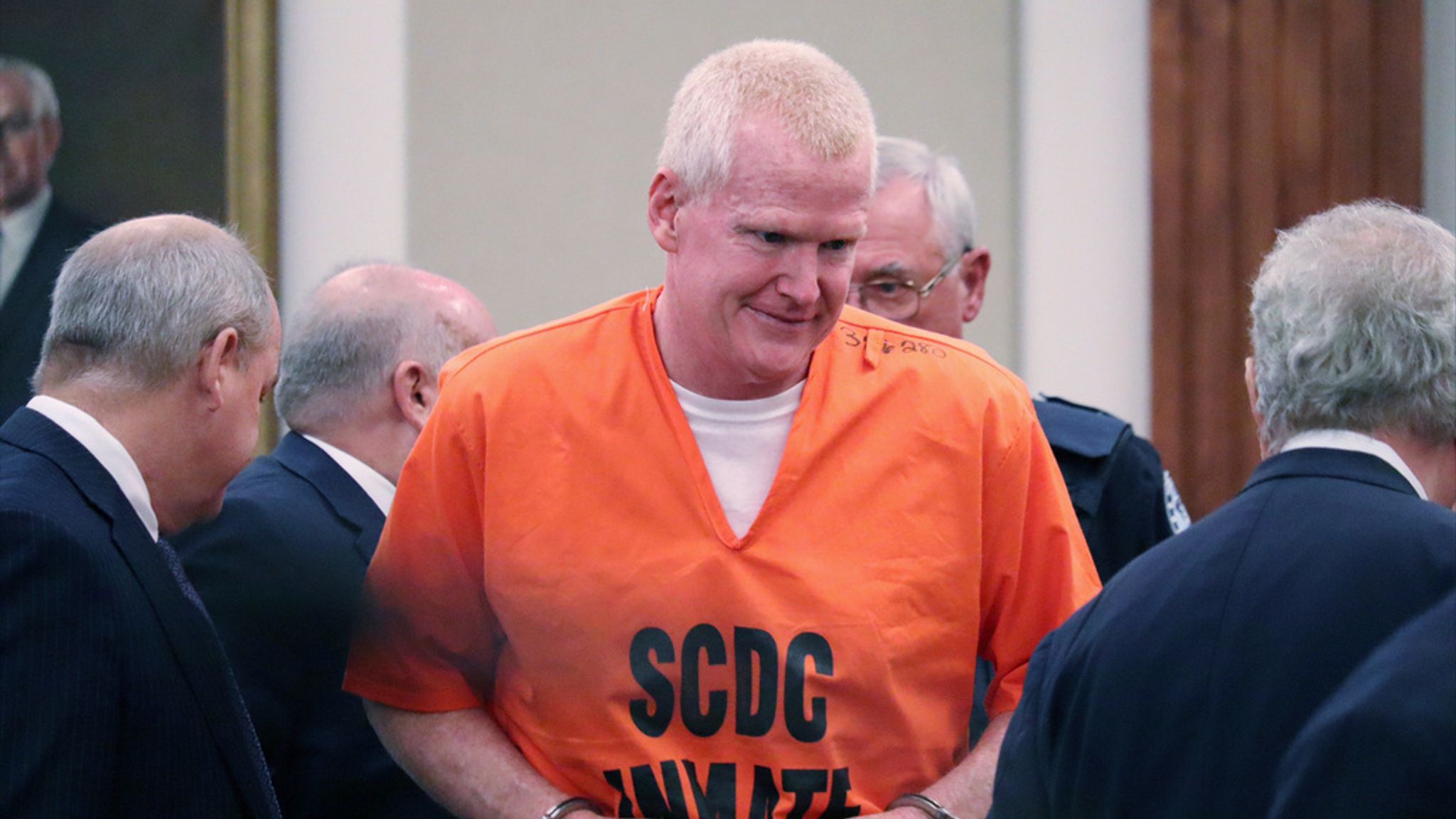
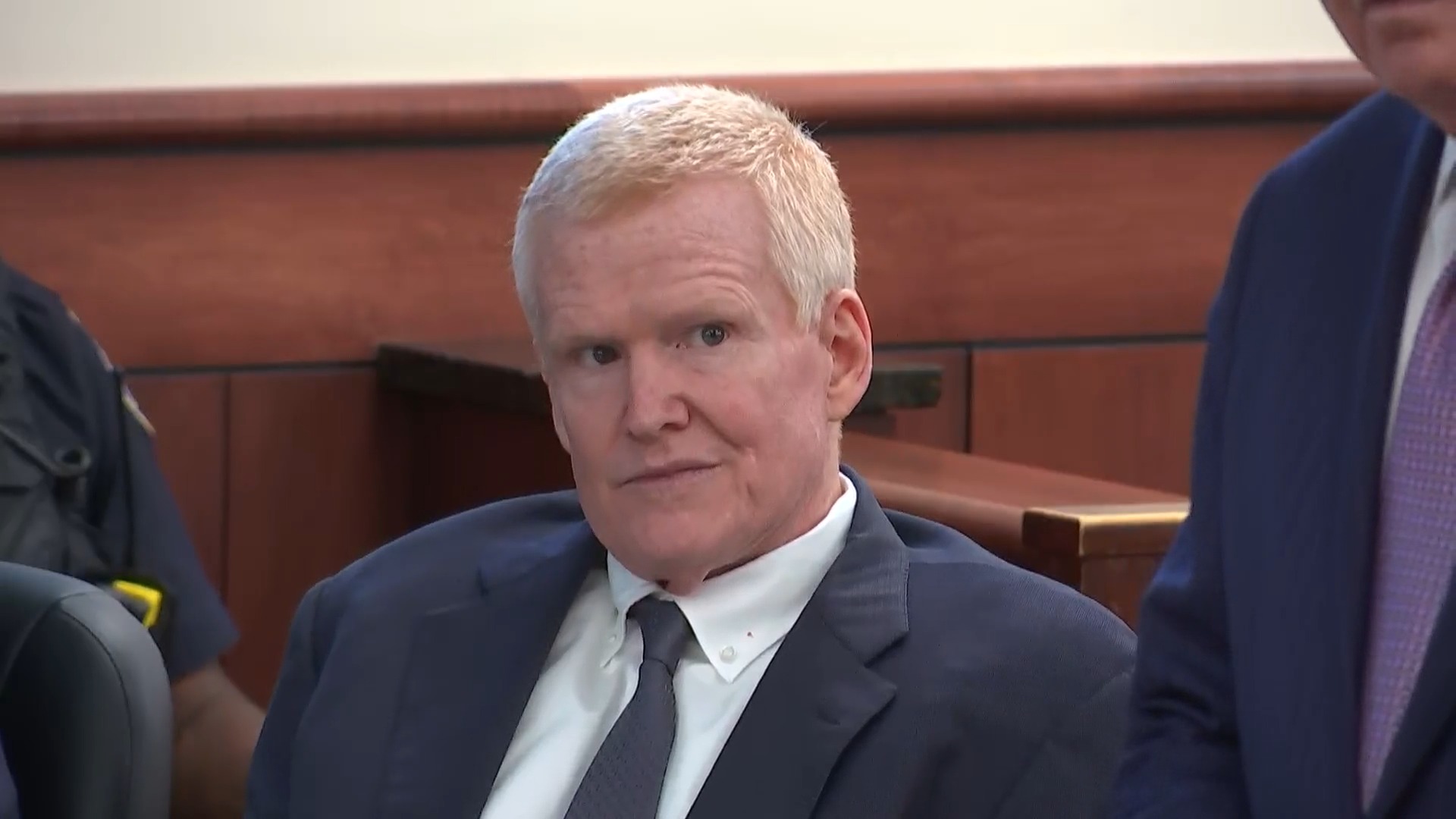
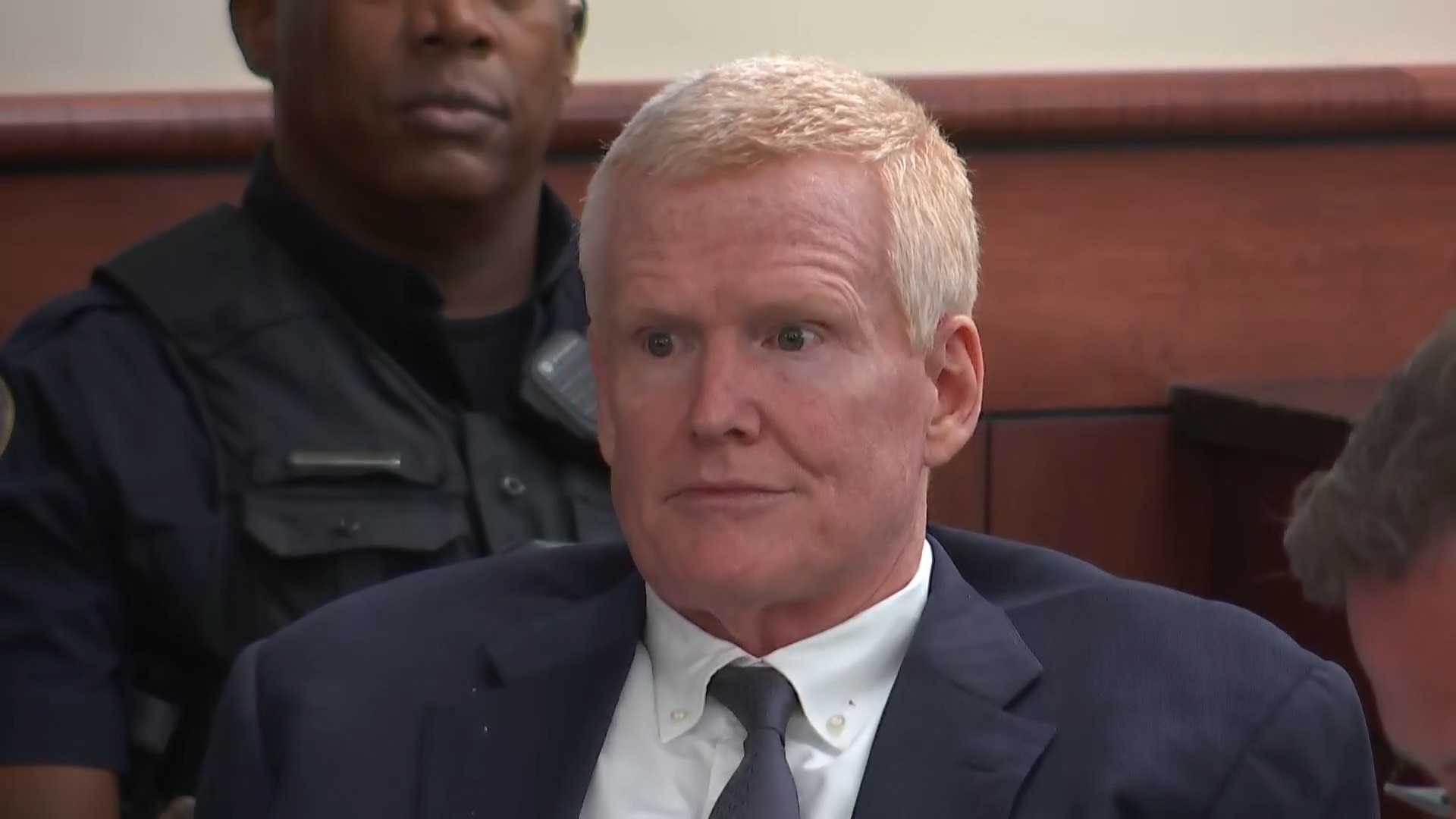
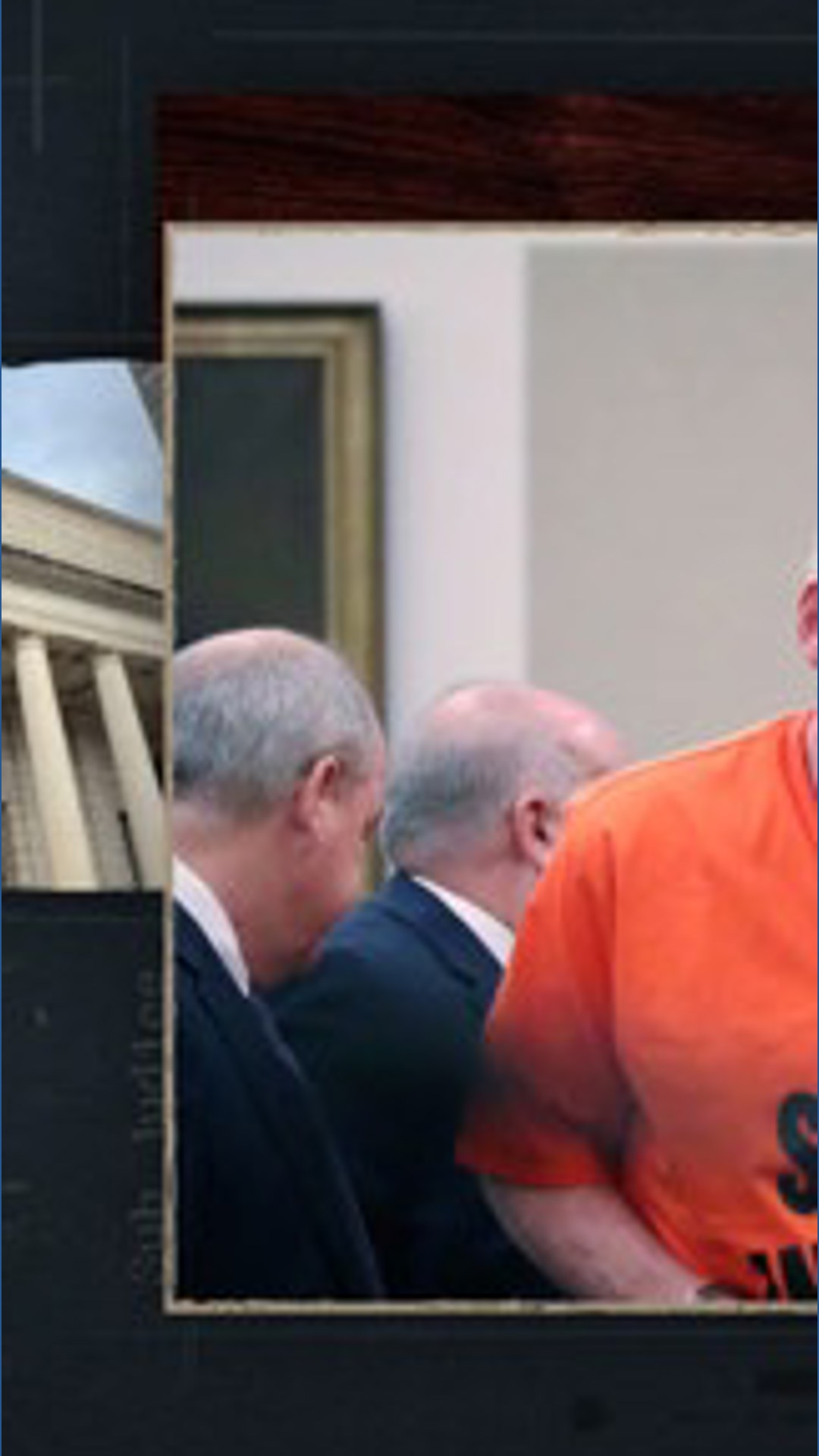
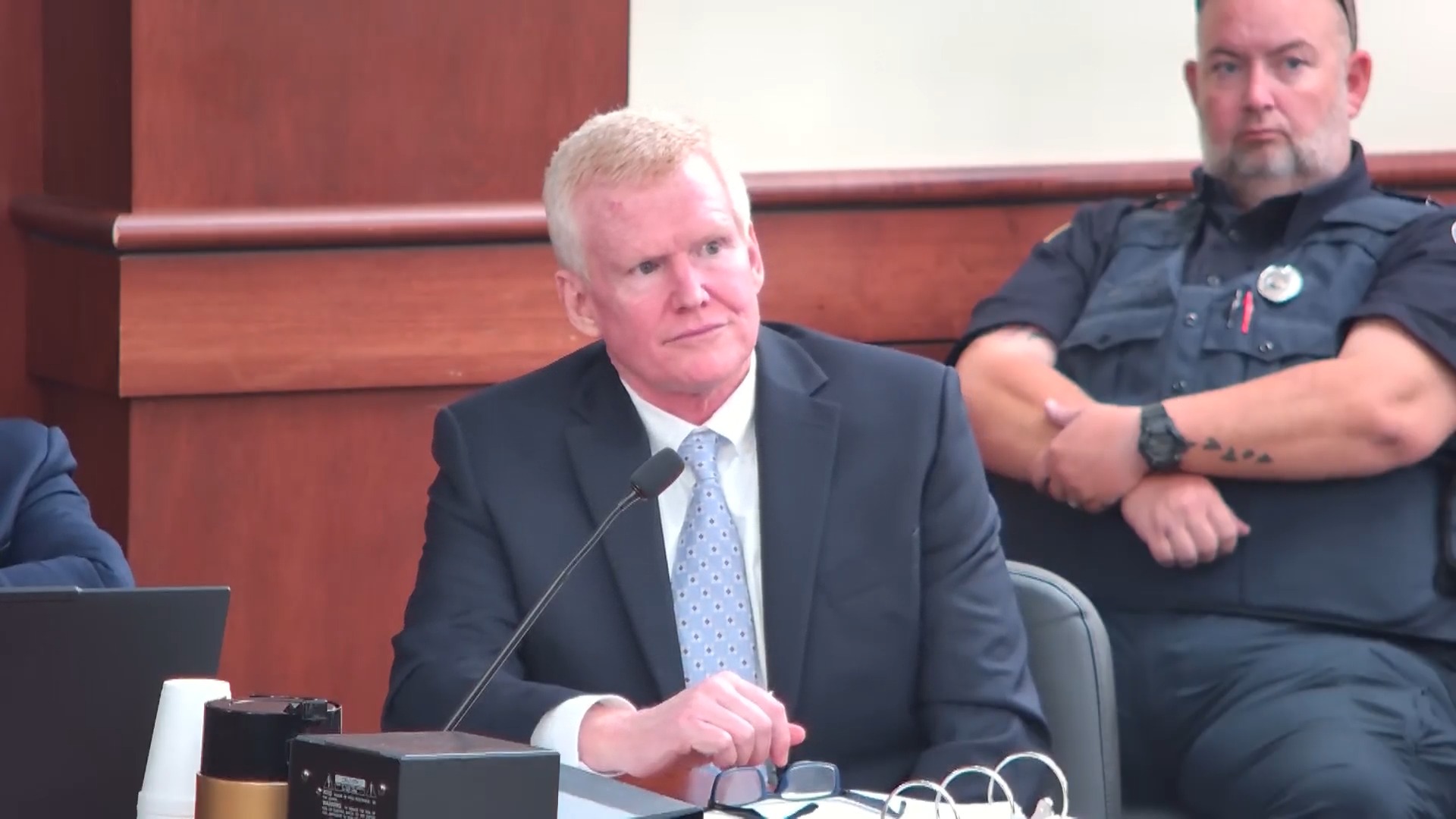
Alex Murdaugh is a disbarred South Carolina attorney and convicted murderer whose high-profile criminal trials exposed decades of financial fraud, institutional corruption, and familial tragedy, fundamentally altering the legal landscape of the Lowcountry region. Once a prominent member of a legal dynasty that dominated the state's 14th Judicial Circuit for nearly a century, Murdaugh's conviction for the 2021 murders of his wife and son precipitated a sweeping federal and state investigation that dismantled his financial empire and resulted in multiple decades-long prison sentences.
The Foundations of the Murdaugh Dynasty in the Lowcountry
The Murdaugh family name was synonymous with power, privilege, and legal authority in Hampton County, South Carolina, for generations. Beginning in 1920, three successive generations of the Murdaugh family—Randolph Murdaugh Sr., Randolph Murdaugh Jr., and Randolph Murdaugh III—consecutively held the elected position of Solicitor for the 14th Judicial Circuit, encompassing Allendale, Beaufort, Colleton, Hampton, and Jasper counties. This uninterrupted grip on the local prosecuting office allowed the family to cultivate immense influence over local law enforcement, civil litigation networks, and political appointments.
Concurrently, the family established the prominent personal injury law firm Peters, Murdaugh, Parker, Eltzroth & Detrick (PMPED). Over decades of practice, the firm secured massive settlements and verdicts, embedding the family deeply into the economic and social fabric of the region. Alex Murdaugh, born Richard Alexander Murdaugh, joined this firm as a partner, leveraging his family name to manage high-value civil cases while simultaneously cultivating a dual life defined by a severe opioid addiction and clandestine financial malfeasance. The unchecked autonomy enjoyed by the family within the local judicial district created an environment where systemic oversight was largely absent, allowing internal misconduct to persist for years without public scrutiny or regulatory intervention.
The Catalyst Tragedies: The Boat Crash and the Murders
The unraveling of the Murdaugh dynasty began on February 24, 2019, when a center-console boat operated by Paul Murdaugh—Alex’s younger son—crashed into a bridge piling in Beaufort County, resulting in the death of 19-year-old Mallory Beach and injuring several other passengers. Paul Murdaugh subsequently faced multiple felony charges of boating under the influence. As the civil wrongful death lawsuit filed by the Beach family progressed, it threatened to expose the personal finances of Alex Murdaugh, providing the initial pressure point that would destabilize his web of illegal financial transactions.
Key Chronology of Investigations and Legal Proceedings: - February 2019: Fatal boat crash involving Paul Murdaugh in Beaufort County, South Carolina. - June 7, 2021: Margaret "Maggie" Murdaugh and Paul Murdaugh are shot and killed at Moselle, the family estate. - September 4, 2021: Alex Murdaugh is shot in the head along a Hampton County highway in an alleged staged suicide plot. - October 2021: Murdaugh is arrested and jailed on charges related to financial misappropriation and the botched assisted suicide scheme. - July 2022: A Colleton County grand jury indicts Murdaugh for the murders of Maggie and Paul. - March 2023: A state jury convicts Murdaugh of two counts of murder, leading to consecutive life sentences. - November 2023: Murdaugh pleads guilty to federal financial fraud charges, receiving additional lengthy prison terms.
On June 7, 2021, the crisis deepened exponentially when Alex Murdaugh reported finding his wife, Margaret "Maggie" Murdaugh, and his 23-year-old son, Paul Murdaugh, shot to death near the dog kennels on the family’s rural estate in Colleton County, known as Moselle. The double homicide instantly drew national media attention. Investigators quickly realized that the murders occurred against the backdrop of mounting financial pressure, an impending civil deposition regarding the boat crash liability, and growing internal suspicion at PMPED regarding missing client funds. The investigation into the homicides served as a catalyst that forced state law enforcement agencies to scrutinize every aspect of Alex Murdaugh's professional and personal dealings.
Financial Fraud and the Deconstruction of a Practice
While public attention focused on the homicide investigation, financial irregularities within PMPED and independent banking institutions began to surface in the late summer of 2021. On September 3, 2021, one day after resigning from the law firm amid allegations that he had misappropriated millions of dollars, Alex Murdaugh was shot in the head along a rural Hampton County road. He initially claimed he was targeted by an unknown assailant, but he later confessed that he had hired a former client, Curtis "Eddie" Smith, to shoot him in an elaborate, botched assisted suicide scheme designed to secure a $10 million life insurance payout for his surviving son, Buster Murdaugh.
Subsequent forensic audits conducted by the law firm and state investigators revealed a sprawling, decades-long pattern of white-collar crimes. Murdaugh had systematically diverted settlement funds belonging to vulnerable clients—including the estate of his former housekeeper, Gloria Satterfield, who died following a trip-and-fall incident at the Murdaugh home in 2018. Utilizing a fraudulent bank account under the name "Forge Consulting" (a legitimate structured settlement company), Murdaugh funneled millions in client trust funds into personal accounts to sustain his lifestyle, service mounting debts, and finance a multi-year opioid addiction. In November 2023, Murdaugh pleaded guilty in federal court to 22 counts of financial fraud, money laundering, and tax evasion, resulting in a 40-year federal sentence to be served concurrently with his state sentences.
| Case / Proceedings | Primary Charges | Jurisdiction | Outcome and Penalties |
|---|---|---|---|
| State Murder Trial | Two counts of murder, two counts of possession of a weapon during the commission of a violent crime | South Carolina Circuit Court (Colleton County) | Convicted (March 2023); sentenced to two consecutive life terms without parole. |
| Federal Financial Crimes | Wire fraud, bank fraud, money laundering, conspiracy | United States District Court (District of South Carolina) | Pleaded guilty (November 2023); sentenced to 40 years in federal prison. |
| State Financial Crimes | Over 100 counts of forgery, breach of trust, money laundering, and tax evasion | South Carolina State Grand Jury | Pleaded guilty (November 2023); sentenced to 27 years to run concurrently with murder sentences. |
| Perjury and Witness Tampering | Perjury, conspiracy, and related charges involving the assisted suicide plot | South Carolina State Court | Addressed through comprehensive plea negotiations tied to state financial sentencing. |
The Murder Trial of State v. Richard Alexander Murdaugh
The state murder trial, presided over by Judge Clifton Newman in Walterboro, South Carolina, began in January 2023 and captivated national audiences for six weeks. The prosecution, led by South Carolina Attorney General Alan Wilson’s office, built a circumstantial case centered on motive, opportunity, and digital evidence. Crucially, the state introduced smartphone video footage recovered from Paul Murdaugh’s phone, recorded minutes before the murders, which placed Alex Murdaugh at the kennels alongside the victims, directly contradicting his initial statements to law enforcement that he had not been at the scene prior to discovering the bodies.
The trial featured extensive testimony regarding Murdaugh’s financial collapse, with prosecutors arguing that he murdered his wife and son to distract from his imminent financial ruin and to elicit sympathy that would temporarily halt the civil investigations into his accounts. The defense, led by attorneys Jim Griffin and Dick Harpootlian, presented a vigorous challenge, arguing that the state lacked direct physical evidence—such as murder weapons or blood-stained clothing linking Alex to the scene—and pointing to an allegedly botched local investigation that failed to secure the perimeter or properly test potential forensic traces. Murdaugh himself took the stand in his own defense, admitting to multiple instances of financial theft and drug-related lying but adamantly denying that he killed his family. On March 2, 2023, the jury deliberated for less than three hours before finding Murdaugh guilty on all counts of murder. Judge Newman subsequently sentenced him to two consecutive life sentences without the possibility of parole.
Broader Cultural Impact and Systemic Legal Reforms
The collapse of the Murdaugh family enterprise catalyzed intense scrutiny of South Carolina's judicial system, particularly concerning the concentration of power within the state's circuit solicitor networks and the oversight of attorney trust accounts. The South Carolina Supreme Court moved quickly to disbar Murdaugh, while the state legislature faced renewed pressure to reform how judges are appointed and how local law enforcement agencies handle investigations involving influential local figures. The case also exposed vulnerabilities in the administration of civil litigation settlements, leading the South Carolina Bar to propose stricter auditing requirements for attorney-managed client trust accounts to prevent unauthorized disbursements.
Furthermore, the saga became a focal point in global true-crime media culture, spawning multiple documentary series, podcasts, and exhaustive journalistic analyses that examined the intersection of generational wealth, rural power structures, addiction, and violent crime. Legal scholars frequently utilize the case as a textbook example of white-collar malfeasance intersecting with violent sociopathology, illustrating how financial desperation can drive individuals within trusted institutional positions to commit catastrophic acts. The fallout continues to reverberate through civil courts as victims of both the financial frauds and the underlying torts continue to litigate against remaining co-conspirators, financial institutions, and estates connected to the family network.
Frequently Asked Questions About the Murdaugh Case
Where is Alex Murdaugh currently imprisoned?
Alex Murdaugh is serving his state life sentences and federal prison terms within a secure correctional facility managed by the South Carolina Department of Corrections. Due to high-profile security risks and his notoriety, his exact housing assignment within the state prison system is subject to administrative adjustments to ensure his safety.
What was the primary motive established during the murder trial?
The prosecution established that Murdaugh committed the murders to forestall imminent exposure of his extensive financial frauds, which were about to be uncovered during civil discovery for the 2019 boat crash lawsuit, and to generate public sympathy that would deflect scrutiny away from his professional misconduct.
Did any other individuals face criminal charges related to the financial crimes?
Yes. Several co-conspirators were prosecuted, including personal banker Russell Laffitte, who was convicted of federal and state bank fraud and conspiracy charges for helping Murdaugh misappropriate settlement funds, and attorney Cory Fleming, who also pleaded guilty to federal conspiracy and wire fraud charges linked to the theft of settlement money from the Satterfield estate.
What happened to the family estate known as Moselle?
The 1,770-acre Moselle estate in Colleton County was placed into receivership following the murders and financial collapse. It was subsequently sold in March 2023 for $3.9 million, with the proceeds directed toward paying court-ordered restitution to victims of Murdaugh's financial frauds and funding settlements for the civil lawsuits stemming from the 2019 boat crash.
How did the legal defense appeal the murder conviction?
Murdaugh’s defense team filed motions for a new trial, alleging jury tampering by Colleton County Clerk of Court Rebecca Hill. Although state appellate courts reviewed these claims, the core convictions and life sentences remained intact following legal proceedings addressing the integrity of the original trial verdict.
Recommended Next Steps and Ongoing Legal Actions
For legal professionals, researchers, and observers tracking the aftermath of the Murdaugh prosecutions, monitoring ongoing civil litigation and asset recovery proceedings remains essential. Victims of the financial schemes continue to pursue civil claims against third-party institutions, including banks and law firms that allegedly failed to detect or report suspicious transactions. Observers interested in the structural reforms should review reports and policy recommendations published by the South Carolina Bar and the South Carolina Judicial Merit Selection Commission regarding attorney trust account auditing and judicial appointment transparency.