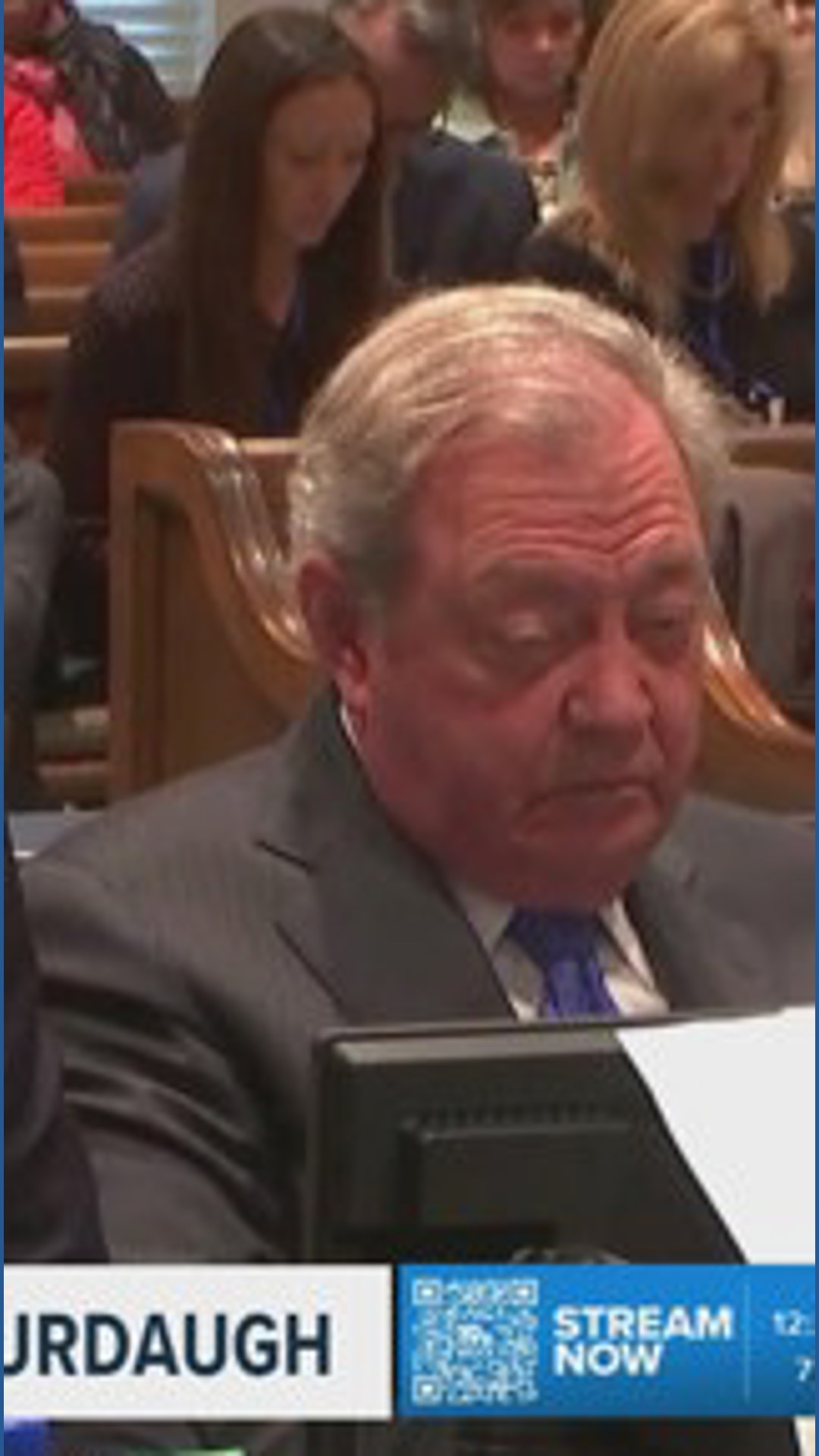
The March 2023 conviction of Alex Murdaugh for the murders of his wife and son dismantled a powerful legal dynasty in South Carolina, resulting in two consecutive life sentences without parole. This trial exposed deep-seated financial fraud, corruption, and systemic abuse of power, forever altering public trust in the region's judicial system and establishing a landmark moment in modern American true crime and jurisprudence.
Understanding the Rise and Fall of the Murdaugh Legal Dynasty
For nearly a century, the Murdaugh family maintained an extraordinary grip on the legal and political landscape of South Carolina’s Lowcountry region. Spanning five judicial circuits, three generations of the family served consecutively as the elected solicitor for the Fourteenth Judicial Circuit, prosecuting criminal cases while simultaneously managing a powerhouse personal injury law firm, historically known as Peters, Murdaugh, Parker, Eltzroth & Detrick (PMPED). This unbroken chain of prosecutorial authority concentrated immense power in a single family, creating an environment where traditional institutional checks and balances frequently blurred.
Alexander "Alex" Murdaugh operated within this ecosystem not only as a senior partner at the family firm but also as a prominent trial lawyer with deep connections to local law enforcement, judges, and municipal leaders. This entrenched influence allowed the family to navigate controversies that might have derailed less connected individuals. However, beneath the polished exterior of prestige, philanthropy, and generational wealth lay a staggering accumulation of financial distress driven by an unacknowledged opioid addiction and lavish spending habits. The facade began to crumble on June 7, 2021, when Alex Murdaugh placed a frantic 911 call reporting that he had found his wife, Margaret "Maggie" Murdaugh, and their 22-year-old son, Paul Murdaugh, shot to death near the dog kennels on their sprawling Colleton County estate known as Moselle.
The Investigation and the Tragic Catalyst
The double homicide investigation immediately captured national attention, compounded by the bizarre context of the family's prior involvement in other unresolved or suspicious deaths and incidents. Investigators soon realized that Paul Murdaugh was facing intense public scrutiny and impending criminal charges related to a February 2019 fatal boating accident. Operating a boat while heavily intoxicated, Paul had crashed into a bridge piling, resulting in the tragic death of 19-year-old Mallory Beach. The civil lawsuits stemming from this crash threatened to expose Alex Murdaugh’s decades-long financial malfeasance, as plaintiffs' attorneys sought to uncover the family's true financial standing.
As investigators probed the double homicide, scrutiny steadily shifted toward Alex Murdaugh himself. State law enforcement agencies uncovered mounting forensic evidence placing Alex at the scene of the murders shortly before they occurred, contradicting statements he had given to police. Simultaneously, partners at his law firm discovered that Alex had been systematically embezzling millions of dollars from clients and the firm itself over a multi-year period to fund his lifestyle and substance dependency. The convergence of financial ruin and impending accountability formed the core motive presented by prosecutors during the subsequent criminal trial: that Murdaugh slaughtered his wife and son to distract from his financial crimes and generate sympathy, thereby stalling inquiries into his embezzlement schemes.
Key Evidence and Prosecution Strategy in the Landmark Trial
The state’s case against Alex Murdaugh relied heavily on digital forensics, geolocation data, and a critical piece of circumstantial evidence known as the "kennel video." Retrieved from Paul Murdaugh’s cell phone, the video was recorded mere minutes before the murders occurred. In the background, the voices of Alex, Maggie, and Paul were clearly audible, utterly demolishing Alex’s initial alibi that he had been sleeping away from the kennels and did not see his family prior to discovering their bodies. This digital discovery provided prosecutors with an unshakeable timeline that pinned the accused at the exact location of the killings during the narrow window of opportunity.
Furthermore, state prosecutors presented extensive testimony regarding Murdaugh's financial crimes, introducing over 80 witnesses and hundreds of exhibits to demonstrate a relentless pattern of deception. While evidence of uncharged financial crimes is typically restricted in criminal trials, Judge Clifton Newman permitted the evidence under South Carolina rules to establish motive. Prosecutors argued that Murdaugh was on the brink of being exposed for stealing millions from vulnerable clients—including the estate of his former housekeeper, Gloria Satterfield—and that the impending collapse of his financial deceptions drove him to commit patricide and matricide.
Chronology of Key Legal Proceedings and Financial Crimes
| Date / Milestone | Legal Action / Event | Core Significance |
|---|---|---|
| February 24, 2019 | Mallory Beach Boating Accident | The tragic crash involving Paul Murdaugh that initiated civil litigation and eventually exposed Alex Murdaugh's financial fraud. |
| June 7, 2021 | Murders at Moselle Estate | Maggie and Paul Murdaugh are shot and killed; Alex Murdaugh reports the homicides to emergency services. |
| September 4, 2021 | Alleged Roadside Shooting | Alex Murdaugh is shot in the head on a highway, an incident later revealed to be an aborted insurance fraud scheme involving an accomplice. |
| July 14, 2022 | Grand Jury Indictments | Murdaugh is formally indicted by a South Carolina grand jury for the murders of Maggie and Paul. |
| January 23, 2023 | Murder Trial Commences | Opening statements begin in Walterboro, South Carolina, presided over by Judge Clifton Newman, drawing intense global media coverage. |
| March 2, 2023 | Guilty Verdict Rendered | The jury finds Alex Murdaugh guilty on two counts of murder and two counts of possession of a weapon during the commission of a violent crime. |
| November 28, 2023 | Federal Financial Guilty Plea | Murdaugh pleads guilty in federal court to financial fraud and money laundering charges, resulting in a 40-year federal sentence. |
The Verdict and Immediate Legal Implications
On March 2, 2023, after less than three hours of deliberation following a six-week trial, a Colleton County jury returned guilty verdicts on all charges: two counts of murder and two counts of possession of a weapon during the commission of a violent crime. Judge Clifton Newman sentenced Murdaugh to two consecutive life terms in the South Carolina Department of Corrections. In his sentencing remarks, Judge Newman addressed the deep-seated nature of Murdaugh’s crimes, noting the shocking duality of a man who could project warmth and professional success while harboring such extreme deception and capacity for violence.
The immediate legal implications of the verdict extended far beyond the murder convictions. With his criminal liability established, Murdaugh faced a cascade of federal and state indictments for financial fraud, money laundering, tax evasion, and forgery. Rather than enduring additional trials, Murdaugh subsequently pleaded guilty to federal financial crimes, receiving a 40-year prison sentence to run concurrently with his state sentences. Civil judgments against him, secured by surviving victims of his financial schemes and the family of Mallory Beach, dismantled what remained of his personal assets, forcing the liquidation of properties, personal belongings, and legal settlements.
Broader Cultural and Systemic Fallout
The Murdaugh saga catalyzed intense scrutiny regarding the operation of the legal system in rural jurisdictions where institutional power is concentrated within a small circle of elite families. Legal analysts, civil rights advocates, and government watchdogs pointed to the case as a textbook example of how unchecked authority can compromise investigative integrity, judicial oversight, and equitable law enforcement. The ease with which Murdaugh manipulated financial institutions, insurance companies, and court-appointed structures highlighted severe vulnerabilities in South Carolina's fiduciary oversight and probate procedures.
Beyond institutional critiques, the case profoundly influenced modern true-crime media consumption. Documentaries, podcasts, and round-the-clock courtroom broadcasts transformed the Walterboro trial into a global public spectacle. This intense media saturation raised important ethical questions about the democratization of trial access versus the potential for juror contamination and the sensationalization of human tragedy. Nevertheless, the transparency provided by live-streamed courtroom proceedings allowed millions of observers to witness firsthand the meticulous disassembly of a once-untouchable legal dynasty, cementing the trial as a defining judicial milestone of the twenty-first century.
Frequently Asked Questions
What was the official motive established during the Alex Murdaugh murder trial?
Prosecutors argued that Murdaugh murdered his wife and son to divert attention away from his massive financial frauds, which were on the verge of being exposed by civil attorneys and his own law firm partners. The state contended that the killings were a desperate attempt to buy time, generate public sympathy, and halt the financial investigations threatening to ruin him.
What evidence ultimately convicted Alex Murdaugh?
The prosecution's case hinged on the "kennel video" recovered from Paul Murdaugh’s phone, which placed Alex at the murder scene minutes before the killings, disproving his alibi. This physical evidence was supported by geolocation data, forensic analysis of blood spatter on Murdaugh's clothing, and overwhelming testimony detailing his extensive financial crimes.
Is Alex Murdaugh eligible for parole under his sentence?
No, Alex Murdaugh was sentenced to two consecutive life sentences without the possibility of parole for the murders of his wife and son. Additionally, his subsequent state and federal convictions for financial crimes carry lengthy prison terms, ensuring he will spend the remainder of his life incarcerated.
How did the murders impact the civil lawsuits surrounding the 2019 boat crash?
The deaths of Maggie and Paul shifted the focus of the civil litigation toward Alex Murdaugh’s personal assets and the liability of co-conspirators, including local convenience stores that sold alcohol to underage individuals. Subsequent legal actions dismantled the Murdaugh estate, resulting in multi-million dollar settlements for Mallory Beach’s family and other victims of Alex's financial fraud.
What happened to the Murdaugh family law firm after the scandal?
Following the revelation of Alex Murdaugh’s systemic embezzlement, the firm underwent a dramatic restructuring. It was officially rebranded as Parker Law Group, LLP, as remaining partners sought to distance the institution from the scandal, audit past accounts, and settle outstanding liabilities owed to defrauded clients.
Ensuring Transparency and Continued Accountability
For those examining the broader contours of the Murdaugh case, legal scholars recommend reviewing the official South Carolina Court Administration records, federal indictment documents, and transcripts from Judge Clifton Newman’s courtroom. These primary sources offer an unvarnished look at the judicial mechanisms that brought a complex web of corruption to light, serving as an enduring resource for students of criminal law and institutional ethics.