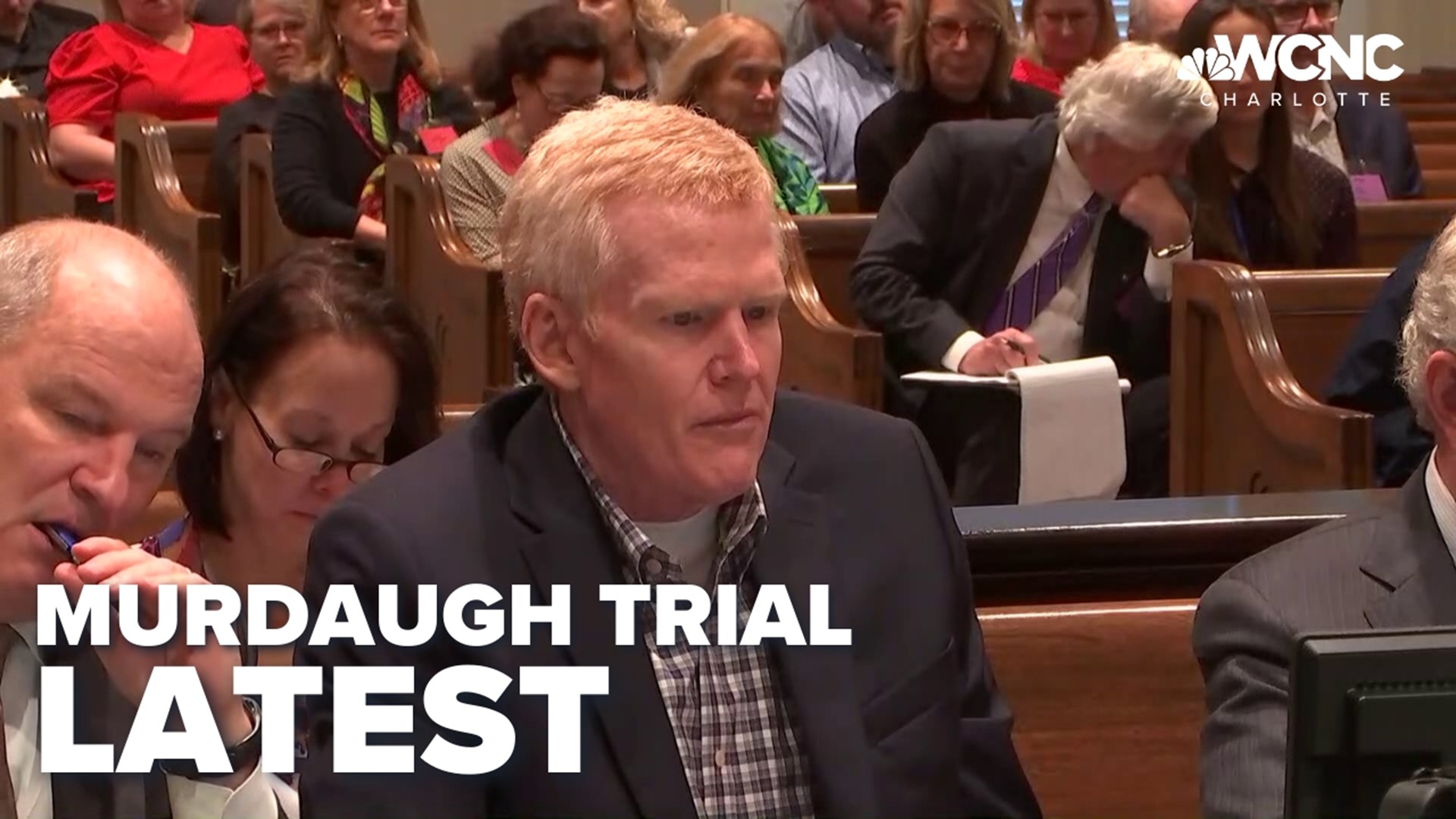
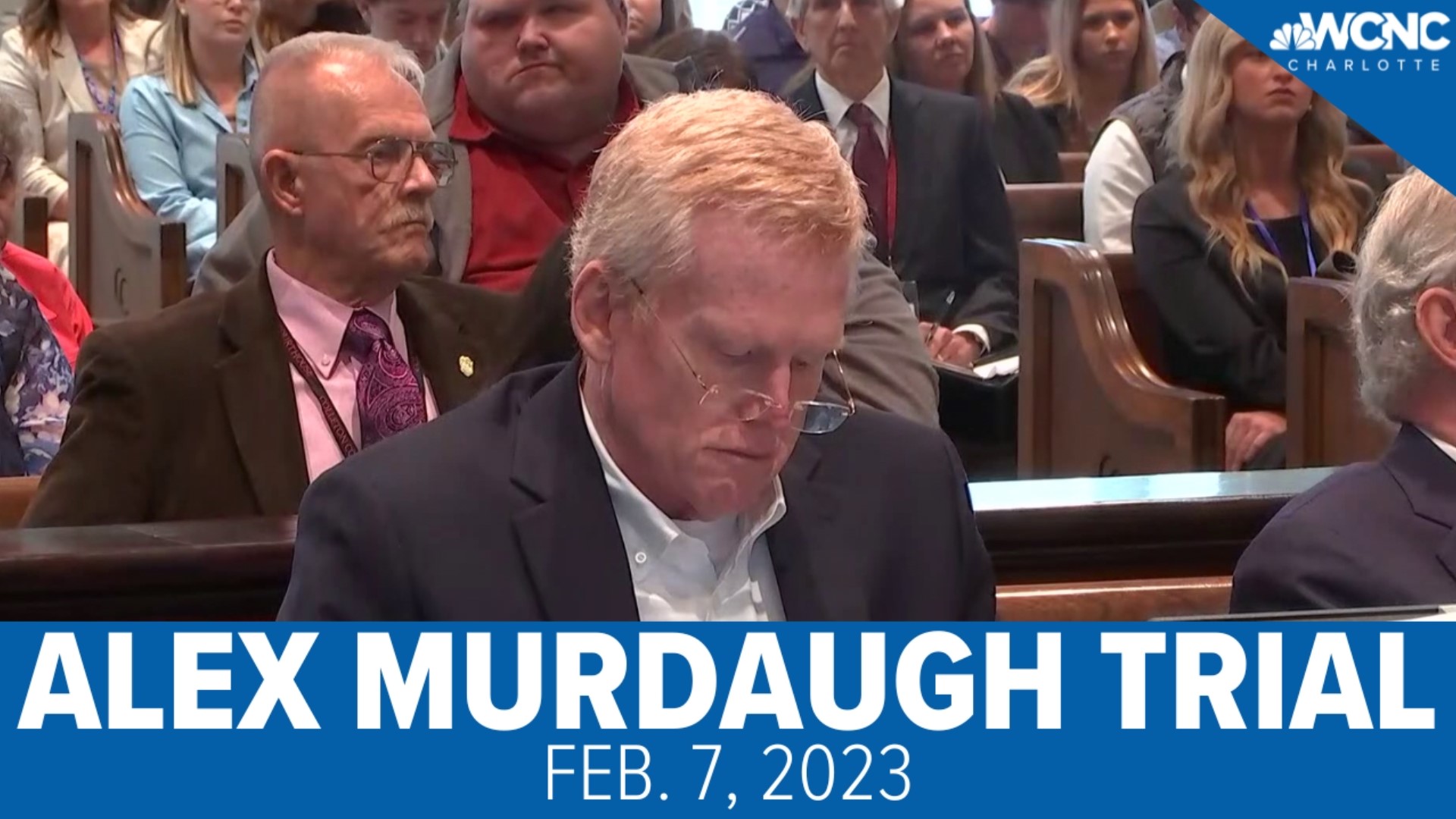
The legal proceedings surrounding Alex Murdaugh encompass multiple state and federal convictions, ongoing appeals regarding his double-murder trial, and related financial crimes that continue to navigate the South Carolina court system in 2026. This comprehensive overview examines current trial updates, federal sentencing details, and the procedural history defining this high-profile case.
Background and Context of the Murdaugh Legal Proceedings
The legal saga involving Richard Alex Murdaugh, a former attorney from the Lowcountry region of South Carolina, represents one of the most complex criminal prosecutions in modern American history. The sequence of events began on June 7, 2021, when Murdaugh’s wife, Margaret "Maggie" Murdaugh, and their younger son, Paul Murdaugh, were shot and killed near the dog kennels on the family’s estate, known as Moselle, in Colleton County, South Carolina.
For over a year, the double homicide remained unsolved while investigators probed the vast web of financial irregularities surrounding Murdaugh's legal career at his family's prominent law firm, historically known as Peters, Murdaugh, Parker, Eltzroth & Detrick (PMPED). The exposure of these financial crimes—involving millions of dollars embezzled from clients, vulnerable settlements, and insurance payouts—ultimately intersected with the homicide investigation. In July 2022, a Colleton County grand jury formally indicted Murdaugh on two counts of murder and two counts of possession of a weapon during the commission of a violent crime.
The State Murder Trial and Initial Sentencing
The state murder trial commenced in January 2023 at the Colleton County Courthouse in Walterboro, South Carolina, presided over by Circuit Judge Clifton Newman. The prosecution, led by South Carolina Attorney General Alan Wilson’s office, built its case on circumstantial evidence, digital footprints, and a pivotal piece of video evidence recovered from Paul Murdaugh’s cellular phone. This video, recorded minutes before the estimated time of the murders, placed Alex Murdaugh at the kennels alongside the victims, contradicting his previous statements to law enforcement that he had not been at the scene.
Over six weeks of testimony, the state presented a vast array of witnesses, including financial forensic experts, cell phone data analysts, and acquaintances who testified about Murdaugh’s history of opioid addiction, financial desperation, and desperate attempts to conceal mounting debts. The defense, led by attorneys Jim Griffin and Dick Harpootlian, mounted an aggressive defense, arguing that Murdaugh was a loving father and husband incapable of such acts and pointing to alleged investigative shortcomings by the South Carolina Law Enforcement Division (SLED).
On March 2, 2023, a Colleton County jury found Alex Murdaugh guilty on all counts of murder and weapons possession. The following day, Judge Newman sentenced Murdaugh to two consecutive life sentences without the possibility of parole, delivered during a televised proceeding that drew national and international media attention.
Financial Crimes and Federal Guilty Pleas
Beyond the state murder convictions, Murdaugh faced a staggering array of state and federal charges stemming from financial fraud. Investigators uncovered that over a multi-year period, Murdaugh systematically stole settlement funds from clients, insurance companies, and his own law firm partners. These victims included the family of his deceased housekeeper, Gloria Satterfield, who died following a trip-and-fall accident at the Moselle property in 2018, as well as injured clients who trusted him to manage their legal compensation.
In September 2023, Murdaugh pleaded guilty in state court to dozens of state financial charges, receiving a sentence of 27 years to run concurrently with his life sentences.
Subsequently, the federal government pursued separate prosecutions against Murdaugh for wire fraud, bank fraud, and money laundering. In federal court, Murdaugh admitted to orchestrating complex schemes to divert millions of dollars into accounts he controlled, using the funds to service personal debts, fund his opioid addiction, and maintain an affluent lifestyle. In April 2024, a federal judge sentenced Murdaugh to 40 years in federal prison, ordering that a significant portion of this term run concurrently with his state life sentences, effectively ensuring he would spend the remainder of his life incarcerated.
Appeal Status and Post-Conviction Legal Motions
As the case progressed toward 2026, Murdaugh’s legal team pursued post-conviction relief, focusing heavily on allegations of jury tampering during the 2023 state murder trial. The defense filed formal motions for a new trial, alleging that Colleton County Clerk of Court Rebecca Hill improperly influenced jurors, discussed the case outside of deliberations, and encouraged jurors to reach a rapid verdict to secure media attention and book sales.
This motion triggered an evidentiary hearing overseen by retired Supreme Court Chief Justice Jean Toal in early 2024. While Justice Toal ultimately denied the motion for a new trial, ruling that the defense failed to demonstrate that the alleged Clerk of Court misconduct directly prejudiced the verdict beyond a reasonable doubt, appellate proceedings remain active. Legal analysts note that post-conviction appeals in capital and high-profile murder cases typically involve protracted appellate reviews through both state and federal appellate courts.
| Case Category | Charges Filed | Verdict / Plea | Sentencing Details |
|---|---|---|---|
| State Homicides | Two counts of murder; two weapons counts | Guilty (March 2023 jury verdict) | Two consecutive life terms without parole |
| State Financial Crimes | Over 100 counts of fraud, embezzlement | Guilty (September 2023 plea) | 27 years (concurrent with life sentences) |
| Federal Fraud Cases | Wire fraud, bank fraud, money laundering | Guilty (April 2024 plea) | 40 years in federal prison |
Prison Placement and Security Protocols
Following his sentencing in state and federal courts, Murdaugh’s incarceration status required stringent security and management protocols. Due to his notoriety, the nature of his crimes, and his former status as an attorney—which placed him in adversarial relationships with numerous individuals within the state's penal system—state and federal corrections authorities coordinated his housing.
Mursaugh was initially placed within the South Carolina Department of Corrections (SCDC) system before being transferred to federal custody to serve portions of his federal sentence, or managed under interstate compact agreements between state and federal correctional facilities. Corrections officials maintain strict protective custody measures to ensure his safety and prevent internal security incidents.
Frequently Asked Questions
Is Alex Murdaugh eligible for parole?
No. Alex Murdaugh was sentenced to life imprisonment without the possibility of parole for his state murder convictions, ensuring he will remain incarcerated for the remainder of his natural life regardless of any concurrent federal or state sentence adjustments.
What are the main grounds for Murdaugh's ongoing appeals?
The primary focus of Murdaugh’s post-conviction appeals centers on allegations of jury tampering and judicial misconduct involving the Colleton County Clerk of Court during the 2023 murder trial. Defense attorneys argue these actions compromised the constitutional right to an impartial jury, though initial evidentiary hearings have thus far upheld the original verdict.
How much money did Alex Murdaugh steal through financial crimes?
Forensic accounting investigations and federal indictments revealed that Murdaugh stole more than $8.5 million from clients, personal injury settlements, and his former law firm partners over a span of more than a decade. These funds were funneled through structured bank accounts and fraudulent corporate entities.
Where is Alex Murdaugh currently incarcerated?
Murdaugh is housed within a high-security correctional facility under specialized protective management. Due to the dual nature of his state and federal convictions, his custody is coordinated between South Carolina Department of Corrections officials and the Federal Bureau of Prisons.
What happened to the Moselle property where the murders occurred?
The Moselle estate in Colleton County, South Carolina, was placed into receivership following Murdaugh’s arrest and financial ruin. The property was subsequently sold to independent buyers, with the proceeds distributed to victims of Murdaugh’s financial crimes and the estates of the victims through civil court settlements.
Next Actions and Legal Tracking
Observers, legal scholars, and the public tracking the Alex Murdaugh case should monitor filings within the South Carolina Court of Appeals and the United States Court of Appeals for the Fourth Circuit. While the core convictions for murder and federal fraud remain legally binding, appellate decisions regarding post-conviction evidentiary procedures will continue to shape the final chapters of this extensive judicial proceeding. Official docket updates are accessible via the South Carolina Judicial Department and federal PACER portals.