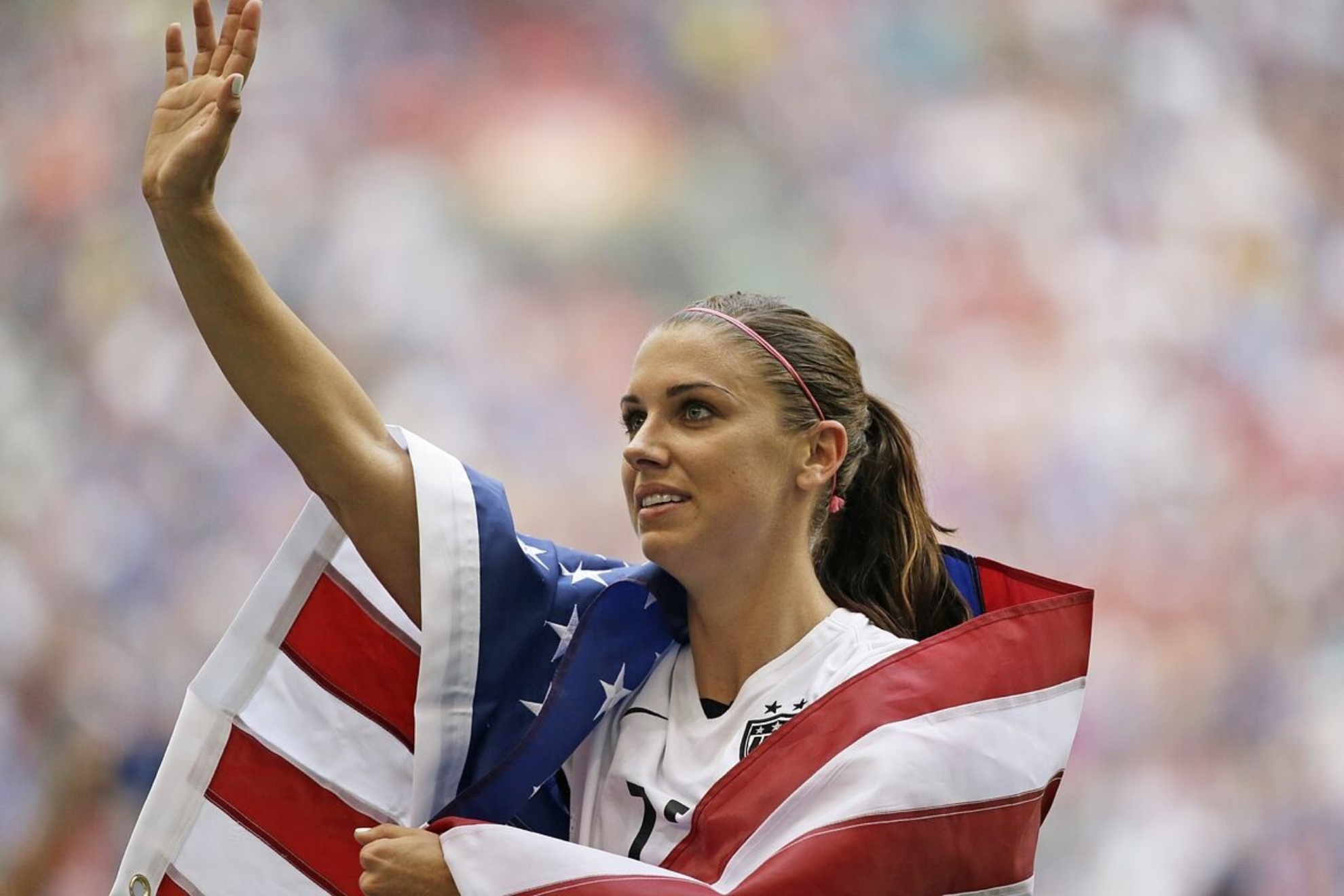
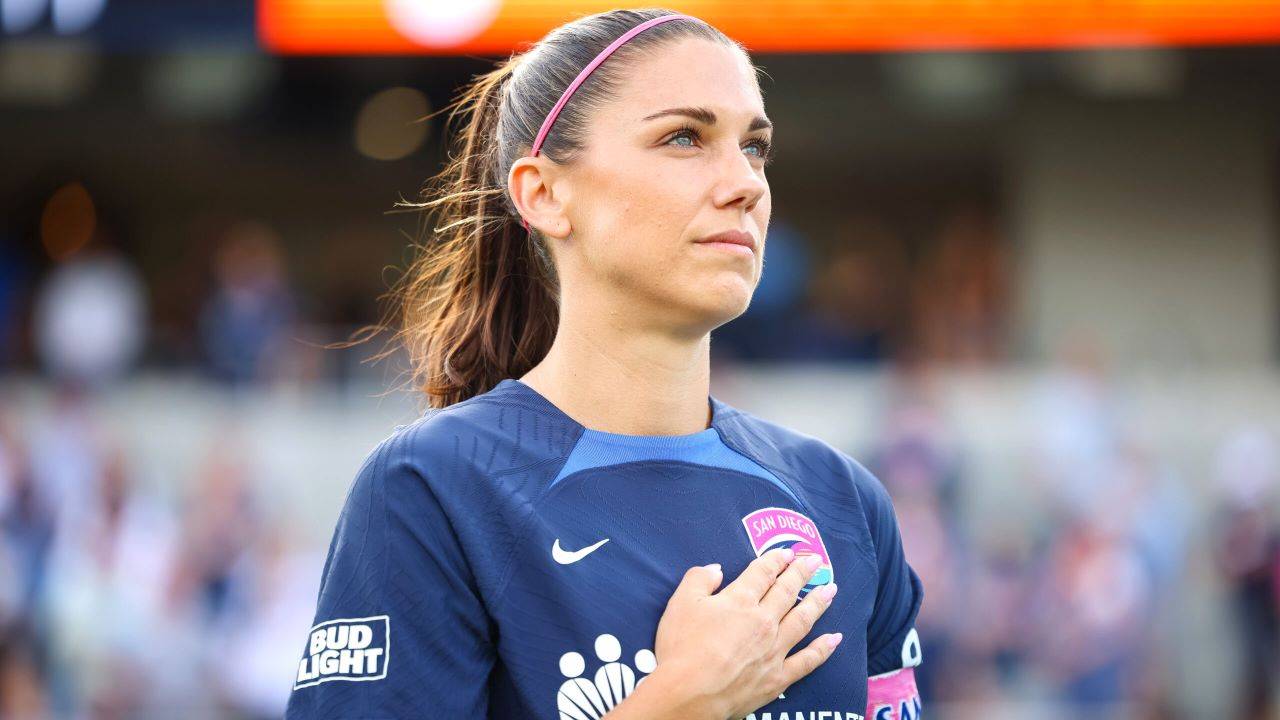
Alex Morgan remains one of the most prominent figures in modern soccer, but her influence extends far beyond the pitch into high-profile social advocacy, labor rights, and public policy discussions. While she is celebrated primarily for her illustrious career with the United States Women's National Team (USWNT) and various National Women's Soccer League (NWSL) clubs, her engagement with political and social causes has positioned her as a leading voice for gender equity, equal pay, and athlete welfare. Understanding her ongoing political footprint requires examining her legislative advocacy, leadership roles in labor negotiations, public policy stances, and broader cultural influence as she transitions through her post-playing career developments.
The Foundation of Alex Morgan’s Public Advocacy and Policy Engagement
The evolution of Alex Morgan from professional athlete to public advocate is rooted in the structural inequities historically facing women's professional sports. Early in her career, the stark disparities in pay, training conditions, media coverage, and tournament compensation between the men's and women's national programs served as a catalyst for collective action. Morgan did not simply voice personal grievances; she leveraged her global platform to challenge institutional frameworks governing athletic administration.
This advocacy transitioned from casual commentary into structured political and legal campaigns. By aligning herself with legal experts, labor organizers, and civil rights advocates, Morgan helped shape a broader national conversation regarding gender discrimination in employment and sports governance. Her approach combines public awareness campaigns with direct legislative lobbying, engaging with lawmakers at the federal level to press for institutional accountability and the enforcement of equal protection principles.
Equal Pay Legislation and Federal Advocacy Efforts
One of the most consequential dimensions of Alex Morgan’s political involvement centers on the multi-year battle for equal pay between the USWNT and the United States Soccer Federation (USSF). Alongside her teammates, Morgan became a public face of the landmark equal pay lawsuit filed under the Equal Pay Act and Title VII of the Civil Rights Act of 1964.
This legal and public relations battle transcended the sports world, drawing the attention of members of the United States Congress. Morgan and her colleagues testified before congressional committees, met with federal legislators, and advocated for policy measures that would tie federal funding or support for athletic federations to equitable treatment and compensation practices. Their efforts contributed to the eventual historic collective bargaining agreement signed in 2022, which achieved equal pay for the men's and women's national teams—a milestone that was subsequently cited by lawmakers as a benchmark for labor standards in other industries.
Labor Rights and Collective Bargaining Leadership
Beyond high-profile federal lawsuits, Morgan’s engagement with labor politics is deeply evident in her work with the USWNT Players Association (USWNTPA) and the NWSL Players Association (NWSLPA). Serving in leadership and advisory capacities, she has been instrumental in shaping labor negotiations that protect player welfare, health standards, maternity leave policies, and safe working environments.
Labor rights in women's professional soccer have historically been precarious, characterized by short-term contracts, minimal baseline salaries, and limited protections against workplace misconduct. Morgan’s involvement in union governance has helped institutionalize robust safety protocols, independent investigations into systemic abuse within the league, and guaranteed benefits for players. These actions reflect a sophisticated understanding of labor law and organizational governance, positioning her as a vital strategist in the modernization of professional sports leagues.
Intersection of Sports Diplomacy and Social Justice Movements
Athletes increasingly occupy a space where sports diplomacy intersects with domestic and international politics. Morgan has frequently used international tournaments and public appearances to spotlight broader social issues, ranging from LGBTQ+ rights to racial justice and reproductive freedom.
Her public stances have occasionally drawn both widespread praise and intense partisan scrutiny, illustrating the complex realities of athlete activism in a polarized political climate. Unlike athletes who remain neutral on controversial topics, Morgan has consistently embraced her platform to endorse progressive social policies, participate in get-out-the-vote campaigns, and support organizations dedicated to advancing civil rights. This active participation demonstrates how contemporary sports figures utilize earned media channels to influence public opinion independently of traditional political parties.
Key Focus Areas of Alex Morgan’s Public Engagement
| Focus Area | Primary Objectives | Key Stakeholders and Organizations | Major Outcomes |
|---|---|---|---|
| Equal Pay & Labor Rights | Securing equitable compensation and standardized working conditions. | USWNTPA, NWSLPA, USSF | Historic 2022 collective bargaining agreements achieving equal pay. |
| Workplace Safety & Accountability | Eradicating systemic abuse and establishing independent reporting mechanisms. | NWSL, U.S. Soccer, independent investigators | Implementation of standardized safety protocols and systemic reforms. |
| Maternity & Family Policies | Guaranteeing paid parental leave and career protections for athlete mothers. | League executives, player associations | Expanded maternity benefits and childcare provisions in standard contracts. |
| Civic Participation & Social Advocacy | Promoting voter registration, gender equity, and human rights. | Advocacy groups, non-profit foundations, media outlets | Heightened public awareness and legislative attention on civil rights issues. |
Frequently Asked Questions
What are Alex Morgan’s primary political and social advocacy issues?
Alex Morgan primarily focuses on gender equity, equal pay in professional sports, labor rights, workplace safety, and maternity protections for female athletes. Her advocacy also extends to broader social causes, including LGBTQ+ rights and civic participation, utilizing her platform to influence public policy and corporate governance.
How did Alex Morgan contribute to the equal pay movement in soccer?
Morgan was a leading plaintiff and public voice in the landmark equal pay lawsuit against the United States Soccer Federation. She engaged directly with federal lawmakers, testified before Congress, and helped rally public support, which ultimately contributed to the historic 2022 collective bargaining agreement guaranteeing equal pay and working conditions for the women's and men's national teams.
What role does Alex Morgan play in player labor unions?
Morgan has played an active role within player associations, including the USWNT Players Association and the NWSL Players Association. She has participated in contract negotiations, advocated for improved baseline salaries, supported the implementation of independent workplace safety protocols, and championed enhanced benefits for athlete mothers.
Has Alex Morgan held or run for public political office?
Alex Morgan has not run for or held public political office. Her influence in the political sphere is derived entirely from advocacy, labor leadership, public policy campaigning, and cultural engagement rather than partisan politics or legislative office.
Where can readers find the latest verified news regarding Alex Morgan’s advocacy?
Verified updates regarding Alex Morgan’s ongoing projects, advocacy work, and public statements can be found through official statements from the USWNTPA, reputable sports journalism outlets, and recognized news organizations covering the intersection of sports, labor, and public policy.
Strategic Next Steps for Following Sports Advocacy and Policy
For researchers, sports enthusiasts, and policy analysts tracking the intersection of athletics and governance, monitoring developments requires looking beyond mainstream sports coverage. To stay informed on the evolving landscape of athlete-led labor movements and social advocacy:
- Follow official communications and policy briefs released by player associations such as the USWNTPA and NWSLPA.
- Monitor legislative tracking platforms for federal bills concerning sports equity, Title IX enforcement, and labor standards.
- Review investigative reports published by independent sports governance oversight bodies regarding workplace standards and safety compliance.