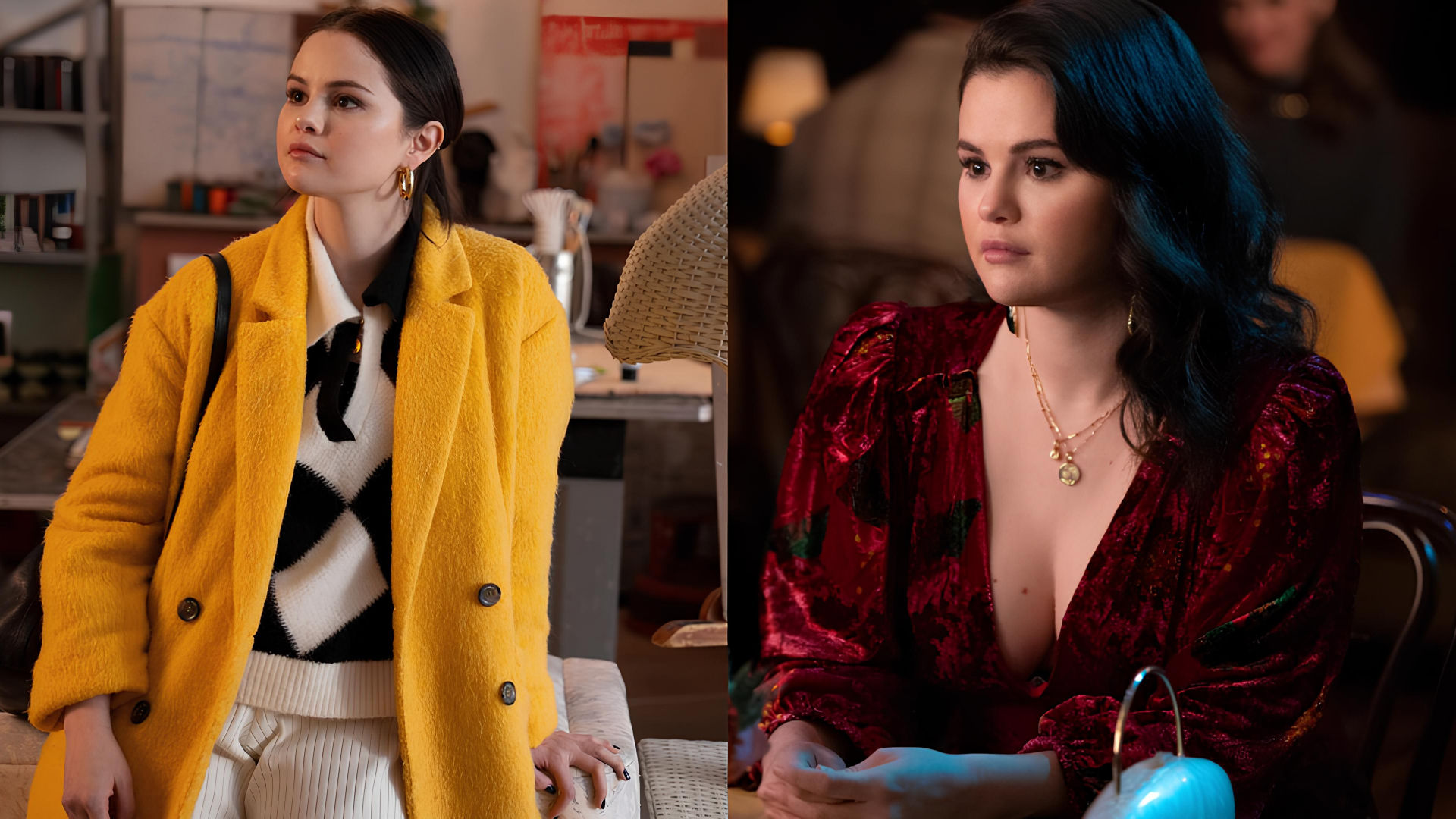
When analyzing the intersection of television history, biographical depth, and modern media studies, examining figures like actress Alex Meneses alongside distinct cultural touchstones such as Selena provides a multifaceted look at Hispanic representation, entertainment evolution, and media curation. This review explores the careers, public contexts, and analytical frameworks required to understand these entities within broader media landscapes.
Contextualizing Cultural Impact and Media Representation
The discussion surrounding entertainment figures and iconic cultural touchstones often centers on how media shapes public perception and identity. Within this domain, examining specific artists, historical records, and cinematic guides helps researchers and enthusiasts trace the trajectory of representation in television and film.
Alex Meneses represents a dedicated career in television and film spanning multiple decades, characterized by memorable recurring roles in high-profile network and cable series. Simultaneously, cultural touchstones associated with the name Selena evoke iconic music history, biographical filmmaking, and enduring artistic legacies. Understanding both subjects requires looking past surface-level pop culture summaries and examining the structural components of the entertainment industry, casting processes, and biographical archiving.
Career Milestones and Professional Background of Alex Meneses
Alex Meneses has built a robust and recognizable portfolio across American television and independent cinema. To appreciate her contributions to the medium, observers must analyze her progression through recurring television arcs, character actor versatility, and industry longevity.
Beginning her career with notable guest appearances in the late 1990s and 2000s, Meneses established a reputation for bringing sharp comedic timing and dramatic presence to prime-time television. Her work includes significant arcs on widely syndicated sitcoms, acclaimed drama series, and telenovela-influenced projects that highlighted diverse casting long before modern inclusivity initiatives became standardized metrics across major networks.
Key Professional Attributes
- Character Versatility: Transitioning seamlessly between comedic ensemble casts and dramatic narrative structures.
- Industry Longevity: Maintaining a continuous working presence across evolving eras of television production, from traditional network syndication to contemporary streaming platforms.
- Cultural Representation: Contributing to the visible presence of Latina actors in mainstream American media during periods of limited representation.
Analyzing Cultural Touchstones and Cinematic Guides
When media guides and literary analyses pair contemporary celebrity profiles with historical icons like Selena Quintanilla-Perez, the goal is often to map out the lineage of cultural influence. Selena remains a monumental figure in Tejano music and global pop culture, whose life and tragic passing inspired enduring cinematic adaptations, literary guides, and cultural retrospectives.
Comprehensive media guides function by organizing complex biographical data, critical reception, and historical context into structured formats for researchers, students, and enthusiasts. These guides typically incorporate several core analytical dimensions to ensure thorough coverage of their subjects.
| Analytical Dimension | Focus Area | Primary Purpose |
|---|---|---|
| Biographical Context | Early life, career origins, and foundational milestones | Establishing historical accuracy and personal trajectory |
| Critical Reception | Reviews, audience metrics, and cultural impact | Evaluating the lasting legacy and public perception |
| Industry Evolution | Shifts in production, casting, and representation | Contextualizing the subject within broader market changes |
| Archival Verification | Primary sources, official records, and documented interviews | Ensuring factual integrity and preventing misinformation |
Methodological Approaches to Entertainment Profiles
Researching entertainment figures and historical cultural guides requires strict adherence to verification standards. Relying on original documentation, verified interviews, and credited production databases prevents the proliferation of unverified rumors common in digital entertainment journalism.
When evaluating an actor's filmography or a cultural icon's historical record, researchers must cross-reference trade publications such as Variety or The Hollywood Reporter, official guild registries, and authenticated biographical texts. This methodology separates verified industry milestones from anecdotal claims, providing an accurate framework for academic and professional media analysis.
Practical Considerations for Media Researchers and Enthusiasts
For individuals seeking to study entertainment history, compile retrospective guides, or analyze media representation, adopting a systematic approach ensures comprehensive understanding.
- Define the Scope: Determine whether the focus is on a living actor's filmography, a historical cultural icon, or the broader sociological impact of specific media eras.
- Consult Primary Sources: Utilize official studio archives, trade publications, and authenticated interviews rather than secondary aggregators.
- Examine Socio-Historical Context: Analyze the economic, technological, and cultural conditions of the era in which the subjects operated or achieved prominence.
- Maintain Factual Consistency: Verify dates, production titles, and credited roles against official industry databases to preserve accuracy.
Frequently Asked Questions
Who is Alex Meneses in the context of television history?
Alex Meneses is an established American actress known for her extensive television and film career, featuring prominent recurring roles in acclaimed comedy and drama series throughout the late 20th and early 21st centuries.
How do biographical guides categorize cultural icons like Selena?
Biographical guides typically structure their analysis around historical timelines, artistic achievements, cultural reception, and the enduring influence of the subject on subsequent generations of artists and media producers.
What is the primary purpose of analyzing entertainment profiles?
The primary purpose is to trace the evolution of media representation, evaluate the professional trajectories of working artists, and document the historical impact of cultural figures using verified archival data.
Where can researchers find verified filmography and career data?
Researchers should consult official industry trade publications, professional guild records, and authenticated biographical databases to ensure all historical claims and production credits are accurate.
Why is historical context important when studying media guides?
Historical context clarifies the industrial constraints, societal norms, and technological environments that shaped a performer's career or influenced the creation of cultural touchstones.
Next Actions for Media Analysis
To deepen your understanding of television history and cultural representation, begin by compiling a verified timeline of primary source materials related to your specific area of interest. Cross-reference production credits with industry trade registries and examine peer-reviewed media studies focusing on representation in American television to establish a rigorous, evidence-based foundation for your ongoing research.