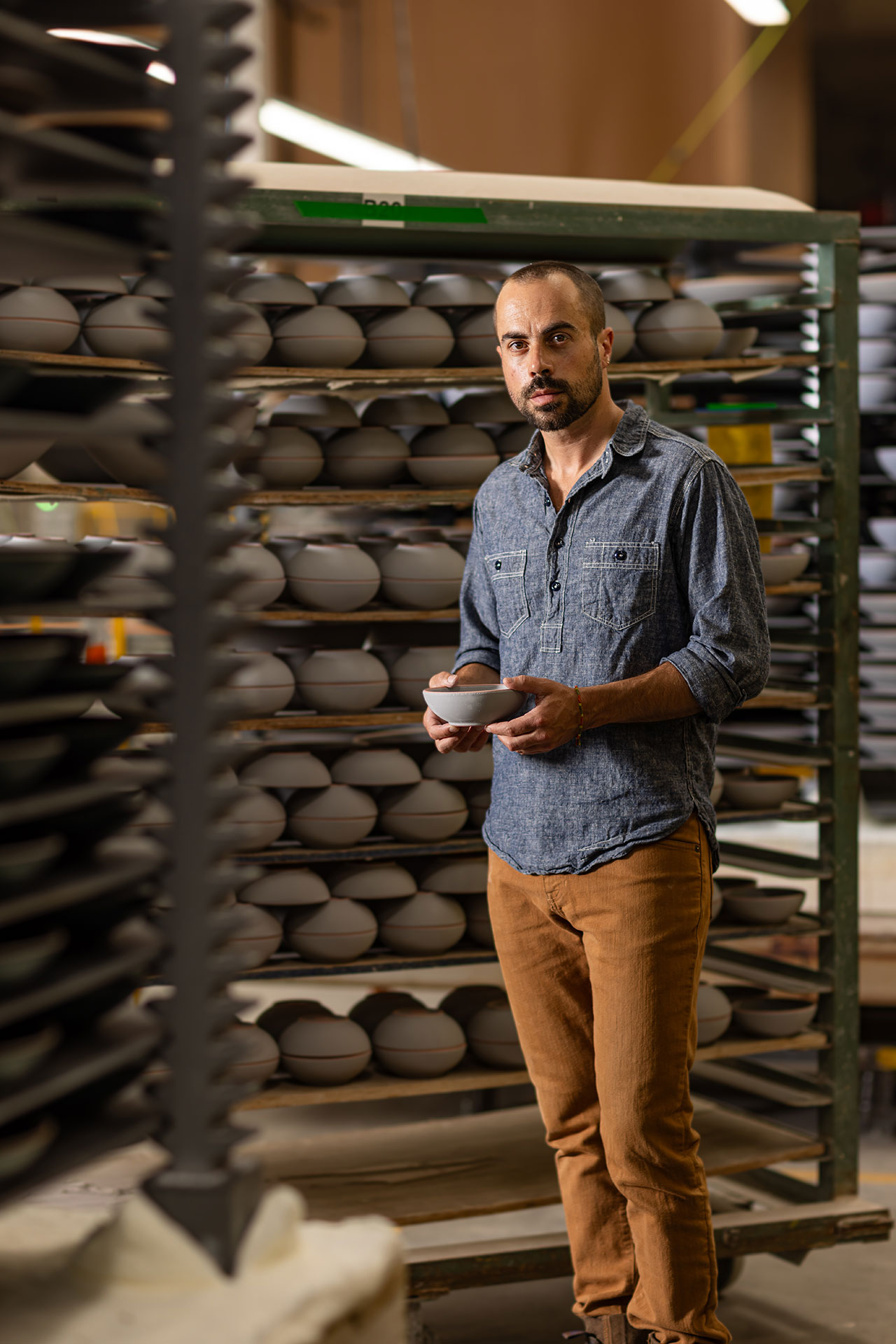
Alex Matisse has built a distinguished professional trajectory by transitioning from traditional fine woodworking and ceramic arts to modern digital presence, content creation, and entrepreneurial brand building. While specific net worth figures for independent artists fluctuate based on physical inventory sales, commission structures, and digital platform revenue, his accumulated fortune is derived from a multi-faceted creative career that merges classical craftsmanship with contemporary media monetization.
Understanding the Artistic Foundations and Early Career
The foundation of Alex Matisse’s professional standing lies in his rigorous training within the world of fine craft. As a ceramicist, Matisse spent years developing a distinct aesthetic rooted in functional pottery, wood-fired kilns, and traditional craftsmanship. This period established his reputation among collectors of contemporary fine arts and handmade home goods. In the artisan economy, value is generated not through mass production, but through the scarcity of handmade items, the reputation of the maker, and the provenance of the materials used.
During his formative years as a working artist, income generation relied heavily on gallery exhibitions, direct-to-consumer sales through studio openings, and commissions for bespoke pieces. Fine craft artists typically price their inventory based on the hours required to throw, glaze, and fire ceramics, alongside the operational overhead of maintaining a studio and specialized wood-burning or gas kilns. This phase of his career provided the artistic credibility and baseline brand equity necessary to support future commercial expansion.
The Digital Pivot: Content Creation and Online Media
A significant driver of modern artisan wealth is the ability to leverage digital platforms to reach a global audience. Matisse expanded his footprint beyond the physical confines of a local pottery studio by embracing digital media, video production, and online storytelling. By documenting the meditative, highly technical process of crafting ceramics, he tapped into an expanding digital audience interested in the maker movement, slow living, and traditional trades.
Content creation introduces multiple revenue streams that traditional fine arts often lack:
- Platform Monetization: Revenue generated through ad-sharing programs on video-sharing platforms.
- Brand Partnerships: Collaborations with tool manufacturers, lifestyle brands, and home goods companies seeking authentic alignment with a recognized craftsperson.
- Digital Education: Online workshops, tutorials, and behind-the-scenes access that monetize specialized knowledge without requiring continuous physical labor.
This digital presence transforms a localized studio practice into a scalable media asset, increasing brand awareness and driving demand for physical inventory.
Diversified Revenue Streams in Modern Art and Commerce
Evaluating the net worth of an artist requires examining the ecosystem of their business operations. Contemporary creators rarely rely on a single income source. Instead, they construct a diversified portfolio of assets that buffer against fluctuations in the art market and the physical constraints of handmade production.
| Revenue Stream | Primary Mechanism | Financial Impact |
|---|---|---|
| Physical Artwork Sales | Direct studio sales, gallery representation, and bespoke commissions | High margin per piece, constrained by physical output limits |
| Digital Media & Content | Ad revenue, sponsored integrations, and audience subscriptions | Scalable passive and active income based on view counts and engagement |
| Merchandise & Goods | Branded apparel, studio tools, and auxiliary lifestyle products | Broad market accessibility at lower price points |
| Workshops & Education | In-person masterclasses, lectures, and digital course modules | High-value transfer of specialized technical expertise |
By balancing high-end physical art with accessible digital content, Matisse established a resilient financial model. Physical pieces command premium prices from dedicated collectors, while digital channels generate broad-reach monetization that supports studio overhead and personal investment.
The Economics of Studio Overhead and Capital Investment
Building a fortune as a physical artist involves managing substantial capital expenses. Unlike software developers or digital creators, ceramicists and woodworkers require dedicated physical infrastructure. The cost of acquiring, outfitting, and maintaining a professional studio represents a major capital allocation.
Essential investments include:
- Heavy-duty pottery wheels, pugmills, and clay mixers.
- Industrial-scale kilns capable of reaching high temperatures for wood-firing or gas reduction.
- Raw material sourcing, including specialized clays, custom glazes, and sustainably harvested wood for fuel.
- Studio insurance, commercial real estate leases or property mortgages, and environmental compliance measures.
These operational requirements mean that gross revenue must be carefully managed against ongoing expenses. Successful artists treat their studios as small manufacturing businesses, reinvesting profits into higher-efficiency equipment, safety systems, and workspace expansions that increase long-term asset value.
Market Valuation and Long-Term Wealth Preservation
Determining the net worth of independent artists involves assessing both liquid capital and illiquid assets. While public speculation often exaggerates or miscalculates private wealth, an artist's financial standing is fundamentally tied to intellectual property, physical inventory, brand equity, and real estate holdings.
For creators who transition into recognized figures within the lifestyle and maker space, long-term wealth preservation relies on diversification. Profits generated from peak production years are typically channeled into real estate, retirement accounts, and business entities that operate independently of daily studio labor. Furthermore, the secondary market valuation of an artist's early works can appreciate over time, adding hidden value to their overall estate.
Frequently Asked Questions About Artist Fortunes and Craft Business Models
How do contemporary ceramic artists primarily generate income?
Contemporary ceramicists generate income through a combination of direct-to-consumer sales of handmade pottery, high-end gallery representation, custom architectural commissions, teaching workshops, and digital content monetization such as video ads and brand sponsorships.
What role does digital media play in building an artist's net worth?
Digital media expands an artist's market reach from a local or regional buyer base to a global audience. This increased visibility drives higher demand for physical artwork, enables premium pricing through enhanced brand prestige, and opens direct streams of digital ad and sponsorship revenue.
What are the main operational expenses for a professional studio artist?
Major operational expenses include commercial workspace rent or mortgages, utility costs for running high-temperature kilns, raw materials like clay and glaze ingredients, equipment maintenance, insurance, and shipping logistics for fragile artwork.
Are physical art sales more lucrative than digital content creation?
Physical art sales often yield higher revenue per individual transaction due to the scarcity and labor-intensive nature of handmade items. However, digital content creation offers greater scalability, allowing artists to monetize their expertise and attention far beyond the physical limits of studio production time.
How is brand equity established in the fine craft industry?
Brand equity in fine craft is built through consistent artistic execution, mastery of technical processes, participation in reputable exhibitions, transparent documentation of the creative journey, and alignment with collectors and media outlets that value authenticity and heritage.
Strategic Next Steps for Aspiring Craft Entrepreneurs
For individuals seeking to build a sustainable career at the intersection of traditional craft and modern digital media, success requires balancing technical discipline with business acumen. Aspiring artists must first master their medium to establish undeniable quality, then strategically leverage digital channels to document their process and connect with an engaged audience. Diversifying income streams early—such as combining physical sales with digital education or consulting—ensures financial resilience against the inherent volatility of the fine arts market.