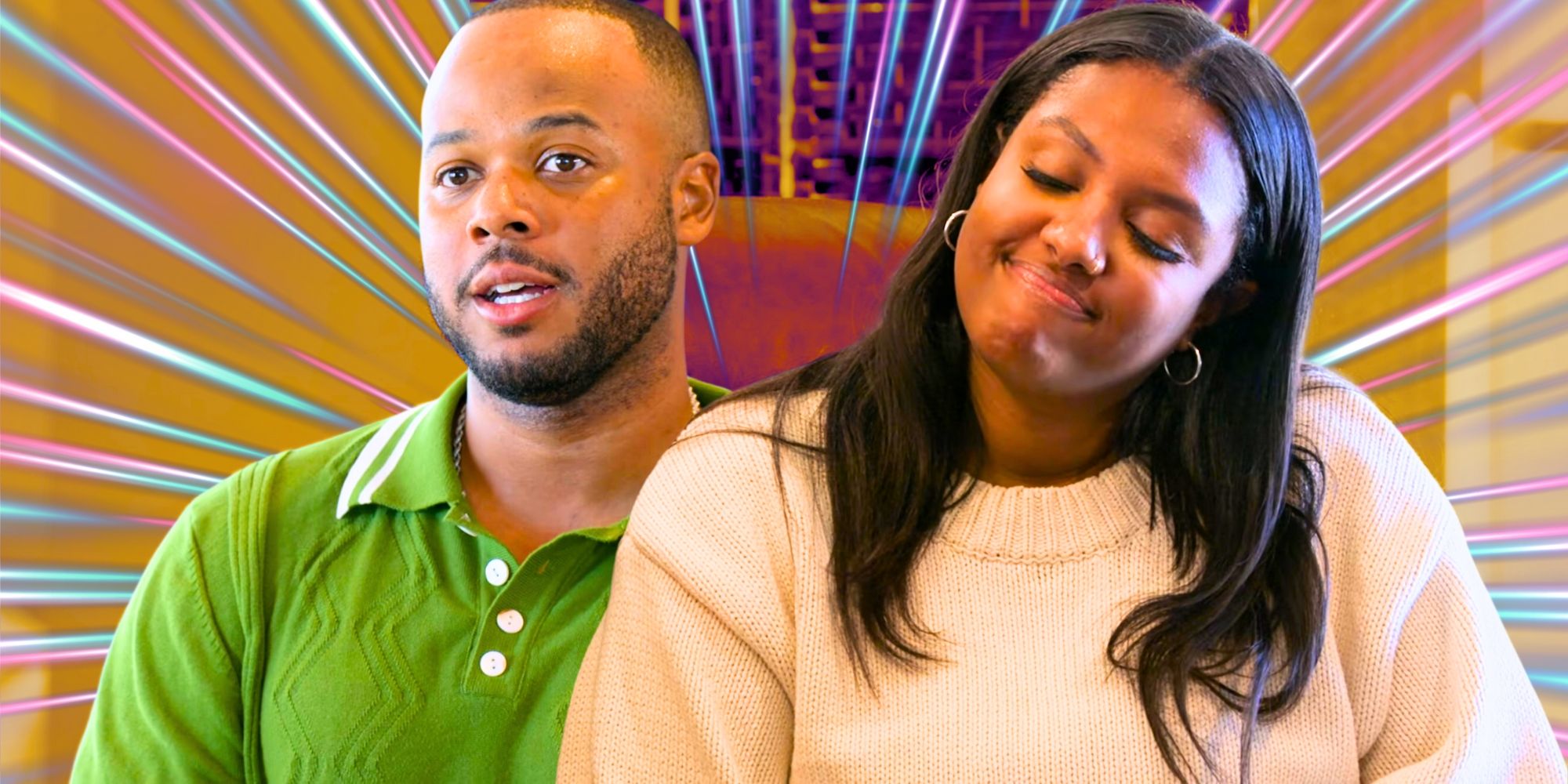
Netflix's reality television phenomenon continues to capture cultural attention, and the discourse surrounding the experimental dating series has reached a fever pitch with the arrival of its milestone installment. Within the unfolding narrative, contestant Alex Love Is Blind Season 10 the shocking twist everyone s talking about has emerged as the central focal point of viewer engagement, internet commentary, and critical analysis. This unprecedented development in the pods and subsequent real-world retreats has challenged conventional expectations of how participants navigate emotional vulnerability, psychological boundaries, and marital commitments within a heavily produced television environment.
Understanding the Premise and the Milestone Season
The trajectory of the social experiment relies on an unconventional structural framework: single men and women seek out a partner to marry without ever seeing each other face-to-face. Communication occurs exclusively through partitioned acoustic pods designed to eliminate physical biases and superficial judgments. Over a condensed period, participants navigate rapid emotional acceleration, culminating in engagement proposals that must be accepted before visual introductions take place. By reaching its milestone tenth season, the production team and casting directors refined their recruitment strategies, selecting individuals equipped with heightened self-awareness yet vulnerable to the intense psychological pressure cooker of the pods.
Season 10 arrived with heightened expectations from both longtime followers and casual viewers. The production introduced subtle modifications to the pod mechanics and extended the duration of structural isolation to test whether deeper emotional connections could form under stricter limitations. Within this heightened atmosphere, Alex emerged as a prominent figure, capturing audience interest through a combination of candid introspection, dramatic relationship pivots, and unexpected interpersonal dynamics. As episodes dropped in structured batches, online communities dissected every conversation, facial expression, and verbal commitment, setting the stage for an explosive narrative turn that would redefine the season's trajectory.
The Anatomy of the Shocking Twist
The pivotal moment that dominated social media feeds and podcast discussions involved an unprecedented breach of protocol and an emotional revelation that completely inverted the established couple pairings. Without spoiling minute narrative details for those catching up, the twist centers on a clandestine conversation and a subsequent admission that bypassed the traditional pod barrier architecture in a manner never before permitted by production oversight. This disruption challenged the core premise of the experiment, forcing both the affected participants and the broader ensemble to reevaluate their motivations and alliances.
Production teams typically maintain strict boundaries between cast members outside of designated common areas and pod schedules. However, unique circumstances surrounding scheduling overlaps and emotional breakdowns created an environment where unauthorized communication transpired. When Alex became central to this disclosure, viewer reactions polarized rapidly. Supporters praised the raw authenticity and refusal to adhere to scripted romantic expectations, while critics argued that the maneuver undermined the foundational integrity of the social experiment. This duality of interpretation is precisely what fueled the viral nature of the discussion, turning a standard reality television plot point into a broader cultural debate about modern romance, honesty, and television ethics.
Participant Dynamics and Psychological Pressures
To fully comprehend why this specific development resonated so deeply, one must examine the psychological pressures inherent to the production environment. Participants are isolated from external support systems, internet access, and familiar routines, accelerating standard relationship timelines from months or years into mere days. This compression chamber effect often leads to intense emotional dependency, cognitive dissonance, and defensive behaviors.
| Phase of Experiment | Primary Objective | Psychological Stressors | Typical Behavioral Outcome |
|---|---|---|---|
| Pod Sessions | Form emotional bonds without physical sight | Time constraints, jealousy, sensory deprivation | Rapid attachment, emotional exhaustion |
| Reveal & Retreat | Transition to physical world and cohabitation | External scrutiny, lifestyle clashes, physical temptation | Relationship friction, validation seeking |
| Altar Decision | Final commitment to marriage or separation | Family pressure, public exposure, deadline anxiety | Ultimatums, dramatic departures, reconciliations |
Alex's journey through these phases illustrates the friction between internal desires and external expectations. While initial edits highlighted a measured approach to emotional vulnerability, subsequent episodes revealed internal conflicts regarding long-term compatibility and lifestyle alignment outside the controlled pod environment. The shocking twist served as an external catalyst, forcing hidden reservations out into the open and accelerating a reckoning that might otherwise have played out slowly over weeks of fabricated domesticity.
Cultural Impact and Social Media Dissecting
The immediate aftermath of the broadcast demonstrated the immense power of digital fan communities in shaping the narrative surrounding contemporary unscripted television. Platforms such as TikTok, X (formerly Twitter), and dedicated Reddit forums transformed into digital town halls where every second of screen time was analyzed, clipped, and debated. Hashtags dedicated to the season's central controversies trended globally within hours of episode releases, proving that appointment television remains a potent force in modern media consumption.
Furthermore, this cultural phenomenon invited commentary from media critics, relationship psychologists, and former cast members from previous seasons. Analysts pointed out that modern reality television audiences are media-literate; they recognize production tropes, franken-biting edits, and manufactured drama. Consequently, when a genuine anomaly occurs—such as the unexpected turn involving Alex—viewers instantly latch onto it as an authentic disruption of the formula. This collective engagement turns passive viewing into an active, participatory sport, where fans act as amateur investigators compiling timelines, body language cues, and social media digital footprints to validate their theories.
Navigating the Aftermath and Future Implications
As the season progresses toward its dramatic wedding finales and the obligatory reunion special, the long-term implications for the broader franchise are significant. Production companies constantly seek ways to balance formulaic comfort with shocking unpredictability to prevent viewer fatigue. The events of this milestone run prove that audiences still crave authentic emotional stakes, even when delivered through the filter of high-concept entertainment.
For viewers attempting to parse the noise, the best approach is to maintain a balanced perspective on unscripted media. Recognizing that editing suites shape raw footage into compelling narrative arcs helps contextualize the behavior of individuals under extreme stress. While internet discourse often leans toward hyperbole—demonizing or canonizing participants based on curated snapshots—the reality remains far more nuanced.
To stay informed and engage critically with the remainder of the season without falling prey to misinformation or exaggerated clickbait:
- Verify episode release schedules directly through official streaming platforms rather than relying on unconfirmed social media summaries.
- Separate verified cast interviews from speculative commentary generated by third-party recap channels.
- Approach reunion specials with an awareness that they are designed to resolve lingering conflicts and generate promotional buzz for future franchise extensions.
Ultimately, the conversation surrounding these unfolding events highlights our enduring fascination with the complexities of human connection. Whether viewed as a masterclass in modern psychological television or a cautionary tale about accelerated romance, the milestone run has secured its place in the franchise's history.
Frequently Asked Questions
What actually happened during the shocking twist involving Alex?
The twist involved an unprecedented breach of standard pod communication protocols, resulting in an emotional revelation that upended established couple pairings and forced participants to confront hidden conflicts outside the traditional timeline of the social experiment.
How has the public reacted to these developments?
Audience response has been heavily polarized across social media platforms. While many viewers praised the raw authenticity and disruption of predictable dating show tropes, critics argued that the actions undermined the core structural integrity of the experiment.
Are the relationships featured in this milestone season successful long-term?
Long-term success rates vary significantly across the franchise's history. While some couples navigate the transition from television to real life successfully, others face insurmountable lifestyle and communication hurdles that become apparent only after the cameras stop rolling.
Where can I watch the episodes and the reunion special?
All episodes, including the unscripted reunion special that addresses the season's major controversies, stream exclusively on Netflix, following their initial scheduled release dates.
How does the production team manage cast behavior during filming?
Production protocols include strict isolation from external communication devices, scheduled pod rotations, and oversight by on-set wranglers and mental health professionals designed to manage the intense psychological demands of the experiment.
Next Steps for Reality Television Enthusiasts
To deepen your understanding of how unscripted television is constructed and consumed, consider exploring analytical podcasts hosted by former producers or cultural critics who dissect the mechanics of modern dating shows. Comparing the structural evolution of the experiment from its inaugural run to this milestone installment offers fascinating insight into how reality television formats adapt to changing audience expectations and digital media environments.