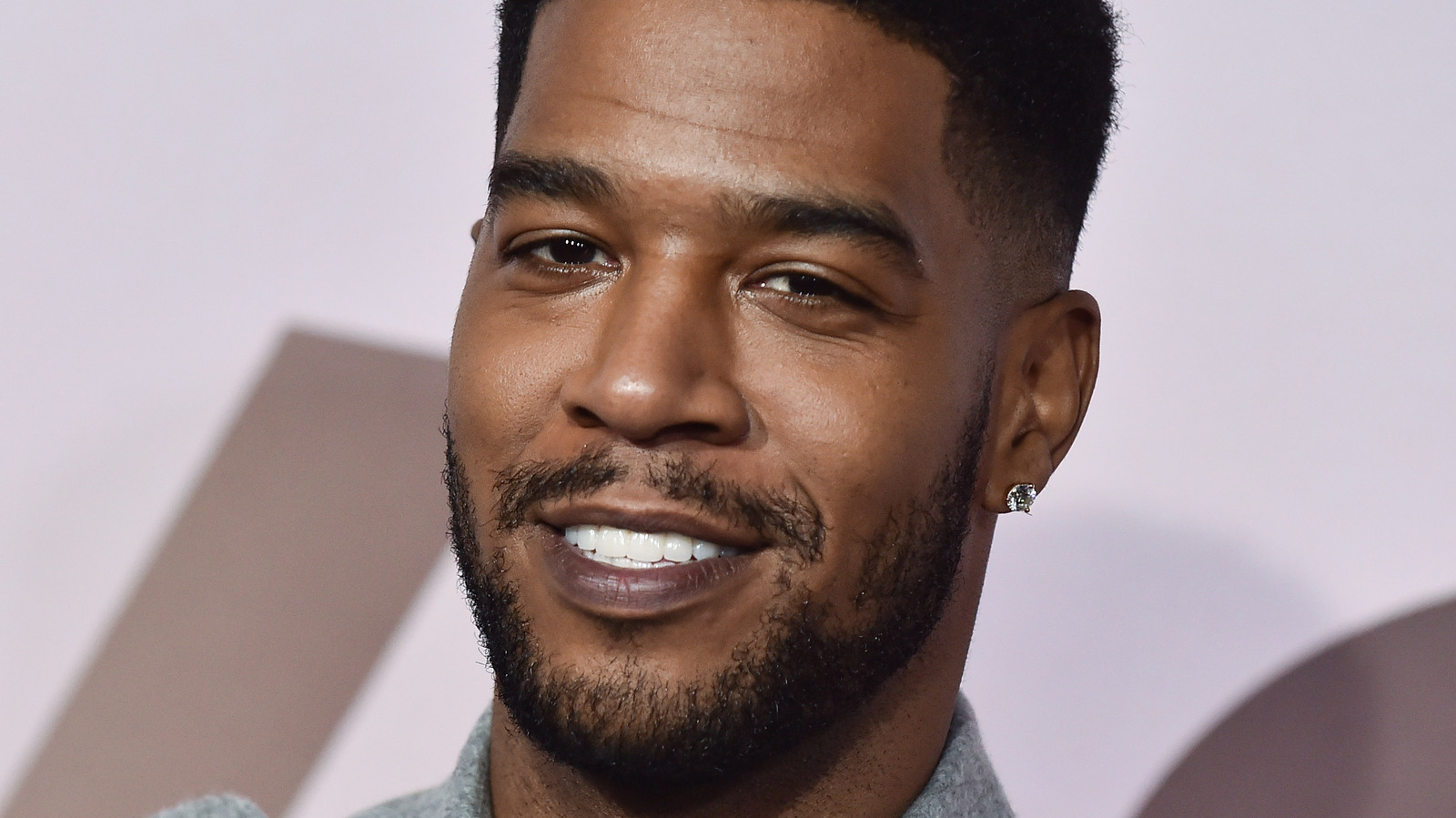
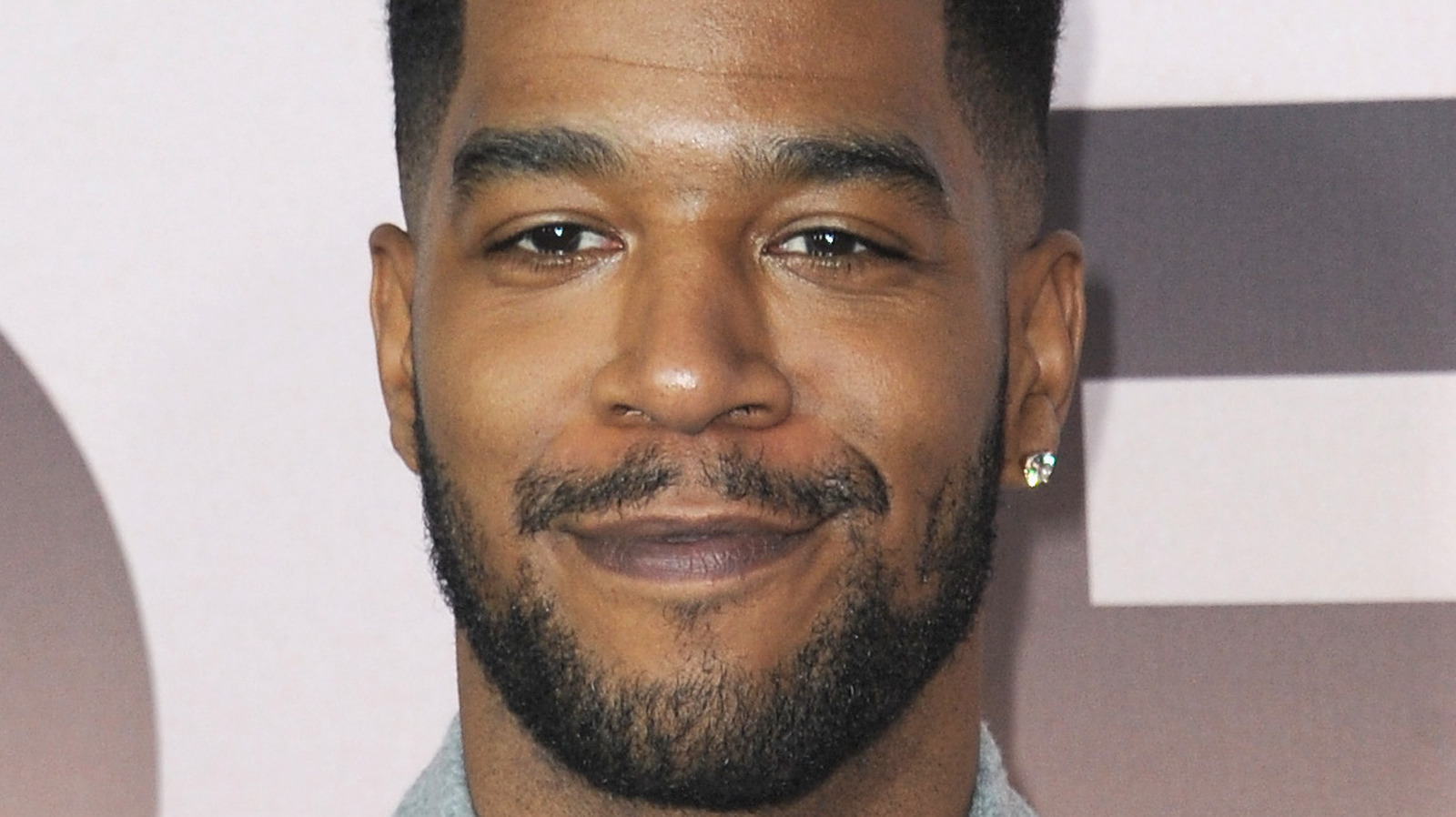
Estimating the net worth of independent recording artists, underground musicians, and emerging internet personalities often presents a challenge because private financial portfolios, unverified streaming revenue splits, and unannounced touring incomes rarely match public speculation. When audiences search for "alex the kid net worth how much is the rapper really worth," they frequently encounter conflicting figures, inflated celebrity wealth blogs, and a lack of verified balance sheets. Determining an accurate financial baseline requires examining observable revenue streams, including independent music distribution, digital streaming royalties, merchandising, and live performance fees, while avoiding unverified rumors that exaggerate a creator's commercial standing.
Understanding Celebrity and Independent Rapper Financial Valuations
The financial realities of modern hip-hop artists extend far beyond traditional major-label record deals. While mainstream superstars frequently disclose high-profile endorsements and multi-million-dollar catalog sales to financial publications, independent rappers like Alex the Kid operate under completely different business models. An independent artist typically retains a higher percentage of royalties from digital service providers like Spotify, Apple Music, and YouTube, but they also absorb the upfront costs of production, mixing, mastering, marketing, and distribution.
Consequently, gross revenue does not equate to net worth. Expenses such as studio time, video production crews, booking agent commissions, and travel logistics significantly reduce take-home income. Furthermore, speculative internet wealth trackers often conflate cumulative lifetime earnings with actual liquid net worth, ignoring liabilities, overhead expenses, and lifestyle costs. Understanding how independent artists monetize their catalogs provides necessary context for evaluating any claimed net worth figure.
Primary Revenue Streams for Independent Hip-Hop Artists
To evaluate the financial footprint of an independent rap artist, analysts look at several core commercial pillars. Unlike legacy acts who rely primarily on physical album sales, contemporary independent musicians build diversified revenue portfolios across digital and physical domains.
Digital Streaming and Publishing Royalties
Streaming platforms serve as the foundation of modern music consumption. Independent aggregators distribute tracks to global marketplaces, collecting master recording royalties on behalf of the artist. Additionally, performance rights organizations (PROs) such as ASCAP or BMI collect public performance royalties whenever a track is broadcast, played on terrestrial radio, or performed live. However, the fractional payouts per stream mean that millions of plays are required to generate substantial independent wealth unless supported by a robust physical product or sync licensing deal.
Live Performances and Touring Economics
For most working musicians, live shows, club bookings, and festival appearances generate a significant portion of annual income. While major ticket sales grab headlines, independent artists often earn revenue through guaranteed performance fees, merchandise sales at venues, and VIP ticket packages. Touring also involves heavy overhead costs, including venue rentals, transportation, equipment logistics, and crew salaries, meaning net margins vary widely depending on tour scale and promotional backing.
Merchandising and Direct-to-Consumer Sales
Direct-to-consumer (D2C) e-commerce platforms allow artists to sell branded apparel, physical vinyl records, CDs, and exclusive collectibles directly to their fanbases. Because profit margins on custom apparel and merchandise can exceed those of digital streaming, D2C sales represent a crucial wealth-building mechanism for independent creators who maintain dedicated followings.
Comparing Independent Artists vs. Major Label Signees
The financial structure of an independent career differs fundamentally from a traditional major-label contract. The following comparison highlights how these models impact an artist's long-term earnings and asset accumulation.
| Financial Metric | Independent Artist Model | Major Label Signee Model |
|---|---|---|
| Royalty Percentage | Typically 70% to 90% of net digital revenues via independent distributors. | Typically 15% to 25% after recoupment of label advances. |
| Upfront Capital | Self-funded or crowd-funded; artist bears all production and marketing costs. | Large upfront financial advances provided by the label, which must be repaid. |
| Master Ownership | Artist retains 100% ownership of master recordings and publishing rights. | Label typically owns or controls master recordings for a specified term or perpetuity. |
| Creative Control | Complete autonomy over release schedules, artistic direction, and branding. | Collaborative approval process required for singles, albums, and visual media. |
| Distribution Reach | Reliant on digital aggregators and grassroots marketing campaigns. | Access to established global distribution networks, radio promoters, and media push. |
The Role of Digital Media and Brand Partnerships
Beyond traditional music distribution, contemporary artists monetize their personal brands across social media ecosystems, video platforms, and sponsorship channels. Creators who cultivate engaged digital audiences can leverage brand sponsorships, digital product placements, and monetization features on video-sharing websites.
For underground or independent artists, these supplementary income streams often bridge the gap between regional touring viability and sustained financial security. Brand integration deals, sponsored social media posts, and creator fund payouts provide diversified cash flows that reduce reliance solely on fluctuating streaming numbers. Nonetheless, these partnerships fluctuate based on ongoing audience engagement, shifting algorithm trends, and cultural relevance.
Evaluating Unverified Wealth Claims Online
A persistent issue across digital media is the proliferation of automated net worth estimation websites that publish speculative financial figures for emerging public figures, independent musicians, and local content creators. These platforms often use generic algorithmic templates based on estimated social media follower counts, speculative view-to-earnings ratios, and fabricated asset valuations.
Readers should approach any unverified financial estimate with extreme skepticism unless it is backed by primary source documentation, official corporate filings, or verified interviews detailing verifiable business acquisitions, real estate holdings, or audited catalog valuations. In the absence of transparent financial disclosures, any stated net worth for an independent rapper remains purely conjectural.
Frequently Asked Questions
What does net worth actually mean for a musician?
Net worth represents the total value of an individual's assets—including cash, real estate, investments, and intellectual property such as master recordings and publishing catalogs—minus any liabilities, debts, or outstanding business expenses. It is a snapshot of total wealth rather than annual salary or liquid cash available on hand.
Why do internet net worth estimates vary so wildly?
Speculative websites generate automated estimates using unverified formulas that correlate social media followers and estimated streaming numbers with wealth. Because these platforms lack access to private tax returns, debt obligations, business expenses, and actual royalty collection statements, their figures are frequently inaccurate.
Do independent rappers make more money per stream than signed artists?
Yes, independent artists typically retain a much higher percentage of streaming revenue because they do not split profits with a major record label. However, signed artists may benefit from larger marketing budgets and higher overall stream volumes driven by label promotional campaigns.
How do independent artists protect their intellectual property?
Independent musicians protect their catalogs by registering their sound recordings and underlying musical compositions with copyright offices, joining performance rights organizations, and working with legal counsel to draft clear licensing and distribution agreements.
Can streaming alone make an independent artist wealthy?
For the vast majority of independent artists, streaming royalties alone are insufficient to build substantial net wealth. Most successful independent musicians rely on a diversified portfolio of live performances, merchandise sales, brand sponsorships, and sync licensing deals in film, television, and video games.
Next Actions and Financial Verification
For readers interested in tracking the financial viability and career progression of independent musicians, evaluating primary sources remains essential. Rather than relying on speculative blog posts, follow official artist announcements, verified music distribution releases, and direct statements regarding upcoming projects, tours, and independent business ventures. Examining the business mechanics of the modern music industry offers a clearer, more realistic understanding of how independent creators build sustainable careers without depending on inflated celebrity wealth metrics.