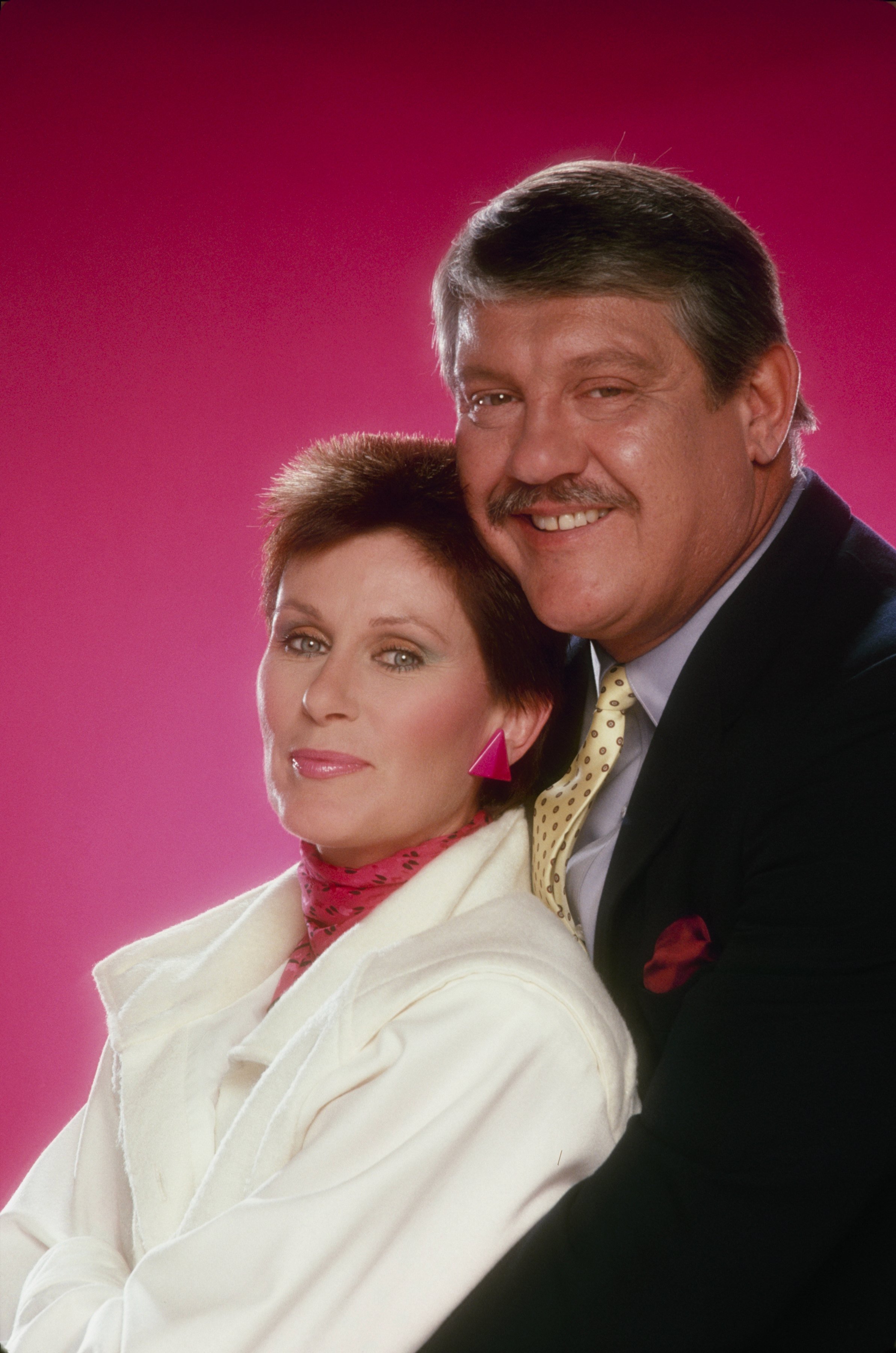
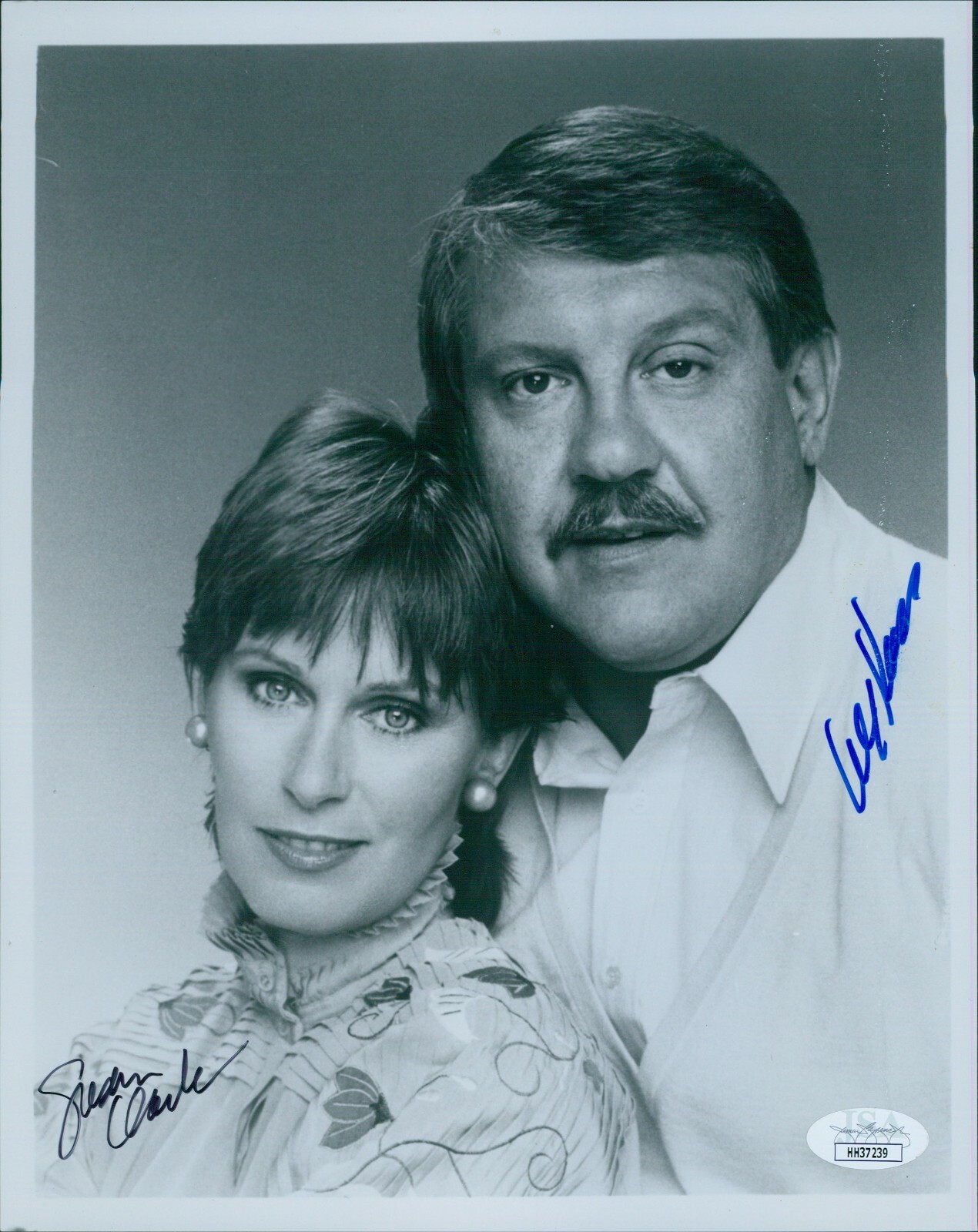
Susan Clark’s life beyond the legend of her marriage to NFL star and actor Alex Karras reflects a distinguished trajectory in television, film, and independent production. While her union with Karras defined a major chapter of public interest, Clark established herself as an accomplished actress and pioneering producer long before and long after his passing in 2012.
The Foundations of an Acclaimed Acting Career
Before becoming widely recognized as Alex Karras's wife, Susan Clark built a robust reputation as a versatile dramatic and comedic actress. Born in Sarnia, Ontario, Canada, in 1943, she trained at the prestigious Royal Academy of Dramatic Art (RADA) in London before migrating to the United States to pursue professional stage and screen opportunities. Her early career featured guest appearances on prominent 1960s television series, establishing her screen presence through crisp articulation and emotional depth.
Throughout the late 1960s and 1970s, Clark transitioned into major feature films. She secured notable roles alongside Hollywood heavyweights, including Clint Eastwood in the 1968 western Coogan’s Bluff and Burt Lancaster in the 1970 disaster drama Airport. Her performance as baseball player Connie Calhoun in the 1974 sports comedy The1970s Gold and her critically acclaimed portrayal of author and publisher Michael O'Hara in the television film Babe—for which she won an Emmy Award in 1976—cemented her status as a formidable talent capable of anchoring complex biographical and fictional narratives.
Meeting Alex Karras and Merging Worlds
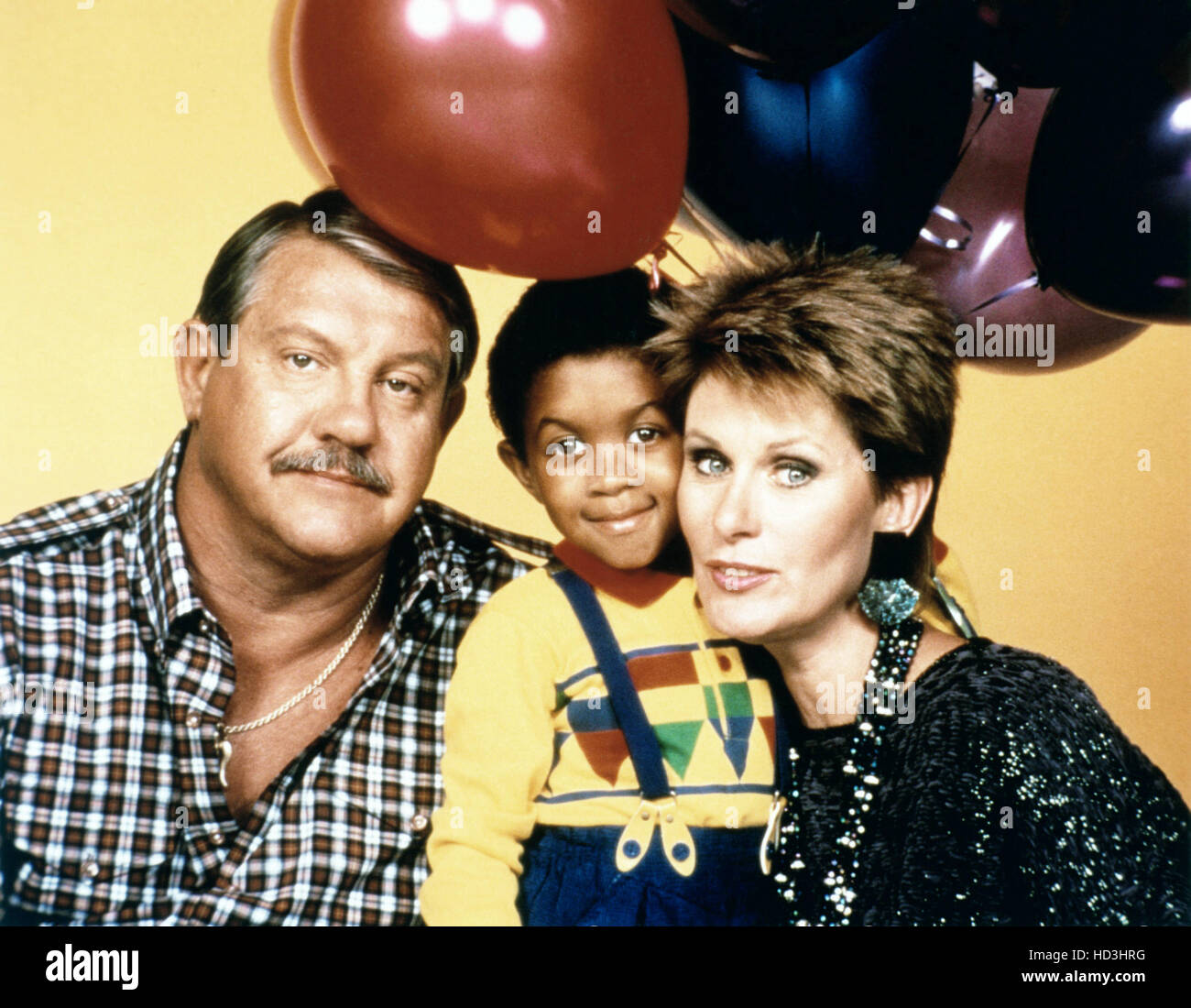
The intersection of Susan Clark’s professional life and her personal partnership with Alex Karras occurred in the late 1980s, fundamentally altering the trajectory of their public lives. Karras, a former defensive tackle for the Detroit Lions turned actor and author known for Blazing Saddles and Webster, met Clark when they were cast as husband and wife George and Katherine Papadapolis in the hit ABC sitcom Webster, which ran from 1983 to 1989.
| Project / Entity | Susan Clark's Role | Alex Karras's Role | Significance |
|---|---|---|---|
| Webster (1983–1989) | Katherine Papadapolis | George Papadapolis | Co-stars who married in real life and formed an independent production banner. |
| Babe (1975) | Babe Didrikson Zaharias | N/A | Emmy Award-winning biographical television film showcasing Clark's dramatic range. |
| Coogan's Bluff (1968) | Ring Girl / Supporting | N/A | Early Hollywood feature film milestone establishing Clark in studio cinema. |
| Paper Dolls (1982) | Tara Blake | N/A | Prime-time television drama highlighting Clark's transition to serialized American TV. |
Working closely on a multi-camera television production fostered a personal bond that transcended the screen. The couple married in 1982, blending their public profiles into a unified household. Their marriage combined Karras's high-profile transition from professional sports to entertainment with Clark’s established theatrical pedigree, making them a fixture of 1980s television culture.
Establishing InterMedia Entertainment
Beyond their work as actors, Susan Clark and Alex Karras demonstrated entrepreneurial initiative by founding their own production company, InterMedia Entertainment. Launched during the height of Webster's success, the venture allowed the couple to exert greater creative control over their projects and navigate the shifting landscape of television syndication and production financing.
InterMedia Entertainment served as a vehicle for developing television films and specials. This phase of Clark’s career highlighted her transition from a hired performer to an executive producer capable of managing budgets, creative direction, and industry negotiations. Through the company, Clark and Karras sought to champion character-driven storytelling, leveraging their collective star power to greenlight projects that reflected mature dramatic sensibilities.
Life After Webster and Transitioning Away from the Spotlight
Following the conclusion of Webster in 1989, Susan Clark intentionally stepped back from regular television series work. The grueling production schedules of network sitcoms gave way to a quieter lifestyle centered on personal pursuits, family, and selective creative projects. During the 1990s and 2000s, Clark made occasional television appearances, but her primary focus shifted toward private life and supporting Karras as his health gradually declined.
Alex Karras faced significant health challenges later in life, including dementia that was later linked to chronic traumatic encephalopathy (CTE) stemming from his football career. Clark became his primary caregiver, managing his medical needs and public legacy while shielding their private life from tabloid intrusion. Following Karras's death in June 2012, Clark maintained a dignified, low-profile presence, preserving the memory of their decades-long partnership without actively seeking the media spotlight.
Legacy and Ongoing Cultural Footprint
Susan Clark’s legacy extends far beyond her marriage to a sports and entertainment legend. As an Emmy-winning actress, a pioneering female producer in television, and a classically trained performer, she carved out an independent identity that predated and outlasted her time on Webster.
Her ability to navigate the demanding studio system of early Hollywood, transition successfully into network television, and manage independent production illustrates a multifaceted career. Today, Clark remains respected within the entertainment industry as a professional who balanced artistic integrity with business acumen, cementing a lasting footprint in North American television and film history.
What awards did Susan Clark win during her acting career?
Susan Clark won a Primetime Emmy Award in 1976 for Outstanding Lead Actress in a Limited Series or Special for her portrayal of athlete Babe Didrikson Zaharias in the television film Babe. She received additional critical acclaim and nominations throughout her career for her dramatic and comedic work in film and television.
How did Susan Clark and Alex Karras meet?
They met on the set of the ABC sitcom Webster, which began airing in 1983. They were cast as the central married couple, George and Katherine Papadapolis, and their on-screen chemistry translated into a real-life romance, leading to their marriage in 1982.
What was InterMedia Entertainment?
InterMedia Entertainment was an independent production company founded by Susan Clark and Alex Karras during the 1980s. The company allowed them to produce television films and maintain creative control over their entertainment projects outside major studio systems.
How did Susan Clark manage Alex Karras's later health struggles?
Clark served as Alex Karras's primary caregiver as he experienced severe cognitive decline and dementia later in life. She managed his complex medical needs and protected his privacy until his passing in 2012, while maintaining a dignified public stance regarding the impact of his football career.
Is Susan Clark still active in the entertainment industry?
Clark transitioned away from regular television and film acting following the 1990s. She has maintained a private retirement, occasionally engaging with historical retrospectives of her work or tributes to Webster and her late husband, but she no longer actively pursues professional acting roles.
Preserving the Professional Legacy
For researchers, television historians, and fans examining Susan Clark's career, the primary action is recognizing her body of work on its own artistic merits. Viewers looking to explore her performances can access archival releases of Babe, classic episodes of Webster, and her 1970s feature films through digital streaming platforms and physical media catalogs. Consulting verified television databases and historical entertainment archives provides a complete picture of an actress who shaped network television during its formative decades.