Alex Karas represents a compelling case study in modern internet culture, capturing widespread public attention through a combination of algorithmic amplification, unique content style, and rapid audience scaling. Navigating the landscape of a viral phenomenon requires examining the underlying mechanics of digital distribution, audience psychology, and content strategies that transform everyday creators into trending subjects.
Understanding the Rise of Digital Viral Sensations
The phenomenon surrounding figures like Alex Karas typically begins at the intersection of platform algorithms and shifting consumer attention spans. In contemporary media ecosystems, visibility is heavily dictated by recommendation engines that favor high engagement velocity, retention rates, and comment-section activity. When content triggers rapid interaction, platforms such as TikTok, Instagram Reels, and YouTube Shorts distribute the material to exponentially larger viewer pools.
For observers attempting to understand these trajectories, the focus often centers on the catalyst moment—the specific video, post, or event that triggered mainstream awareness. However, sustained visibility requires more than a single trending moment. Creators and subjects of viral interest must manage a sudden influx of public scrutiny, media inquiries, and shifting audience expectations. This transition from obscurity to widespread recognition highlights the structural volatility of the modern attention economy, where public perception can shift rapidly based on subsequent content releases and public interactions.
Key Content Strategies and Algorithmic Mechanics
Analyzing the digital footprint of Alex Karas reveals distinct tactical elements that characterize successful online visibility. Modern platforms do not reward passive viewing; they prioritize active participation, loops, shares, and cross-platform referencing.
Content that achieves viral traction often shares several measurable characteristics:
- High Retention Hooks: The opening three seconds are critical for establishing viewer intent and preventing immediate scrolling.
- Algorithmic Optimization: Strategic use of trending audio tracks, relevant hashtags, and platform-native editing features increases discoverability within algorithmic feeds.
- Emotional Resonance: Content that evokes strong reactions—whether humor, curiosity, surprise, or debate—drives higher comment volume, signaling value to recommendation bots.
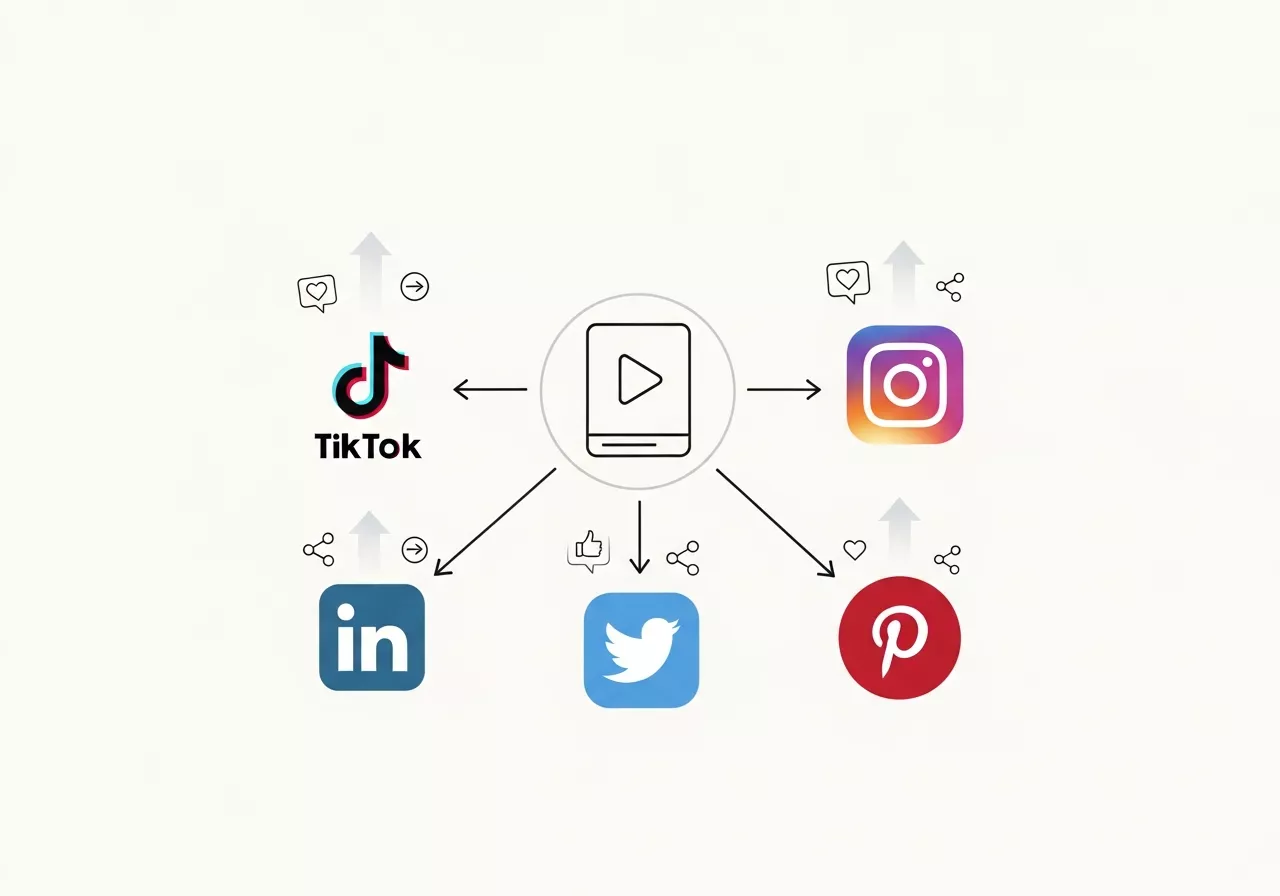
- Cross-Platform Syndication: Material rarely remains confined to a single app; successful subjects leverage multi-channel distribution to capture fragmented audiences across distinct demographic segments.
| Strategic Element | Primary Platform Focus | Impact on Engagement | Measurable Metric |
|---|---|---|---|
| Short-Form Video | TikTok / Reels | Immediate audience capture | Completion rate and watch time |
| Algorithmic Audio | Instagram / TikTok | Trend alignment and discovery | Sound page referral traffic |
| Community Interaction | Comment Sections | Algorithmic signal boost | Reply volume and sentiment |
| Cross-Posting | X / Reddit / YouTube | Audience diversification | Referral velocity across networks |
Navigating Public Scrutiny and Digital Footprints
When an individual becomes a viral sensation, the sheer volume of public commentary introduces distinct operational and psychological challenges. The modern information ecosystem operates 24 hours a day, driven by user-generated commentary, media aggregation sites, and independent content creators who dissect trending topics in real time.
Managing a rapidly expanding digital footprint involves addressing misinformation, moderating community spaces, and determining boundaries between public personas and private lives. Public figures and viral subjects often employ digital management strategies to safeguard their reputation, ensure compliance with platform terms of service, and maintain sustainable engagement models. Understanding these dynamics helps audiences contextualize the difference between authentic public engagement and manufactured online controversy.
The Role of Media Amplification and Secondary Content
Viral phenomena rarely rely solely on primary source material. A significant driver of sustained attention is secondary content—videos, articles, reaction pieces, and meme culture created by third-party observers. This ecosystem of commentary creates a feedback loop that extends the lifespan of a trend long after the initial posting date.
Media outlets and independent commentators analyze these trends to decode what makes certain figures resonate with specific demographics. This analytical coverage often bridges the gap between niche internet subcultures and mainstream news consumption. By examining how stories are framed across different media tiers, researchers and digital strategists can map the lifecycle of internet virality from inception to saturation.
Frequently Asked Questions
What caused Alex Karas to gain viral attention?
Viral traction is typically driven by a combination of algorithmic recommendation triggers, high audience engagement velocity, and content that resonates with specific cultural or comedic preferences within short-form video ecosystems.
How do platforms determine which content becomes a sensation?
Recommendation engines evaluate metrics such as watch-time completion rates, share frequency, comment volume, and initial click-through velocity to decide whether to push content to broader user feeds.
Is viral fame sustainable over the long term?
Sustained relevance usually requires pivoting from a single trending moment to consistent content production, community building, and strategic adaptation to shifting platform algorithms and audience interests.
What are the main challenges faced by online viral subjects?
Viral subjects frequently encounter digital fatigue, misinformation spread across social networks, loss of personal privacy, and the difficulty of managing sudden, intense public scrutiny.
How can observers verify information regarding online trends?
Verification involves cross-referencing primary source accounts, reviewing official statements, and examining independent reporting from reputable media outlets rather than relying solely on secondary social media commentary.
Strategic Next Steps for Digital Observers
For marketers, researchers, and digital media students examining the mechanics of modern virality, the key takeaway is the importance of adaptability and media literacy. Rather than attempting to replicate isolated viral anomalies, observers should focus on the underlying structural changes in how information is produced, distributed, and consumed across digital networks. Monitoring platform policy updates, algorithm modifications, and shifts in user behavior provides a clearer understanding of how digital attention operates in contemporary media landscapes.