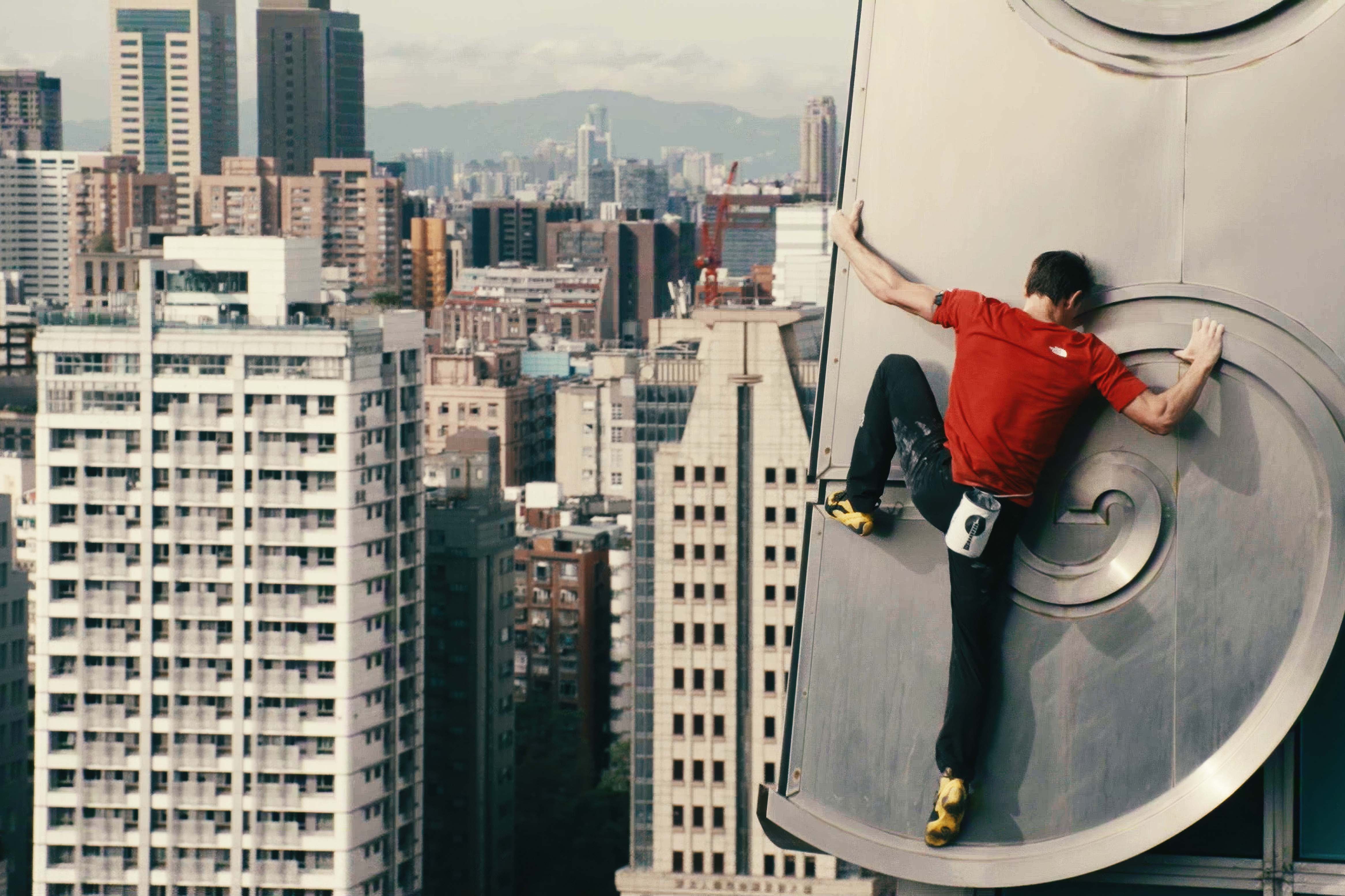
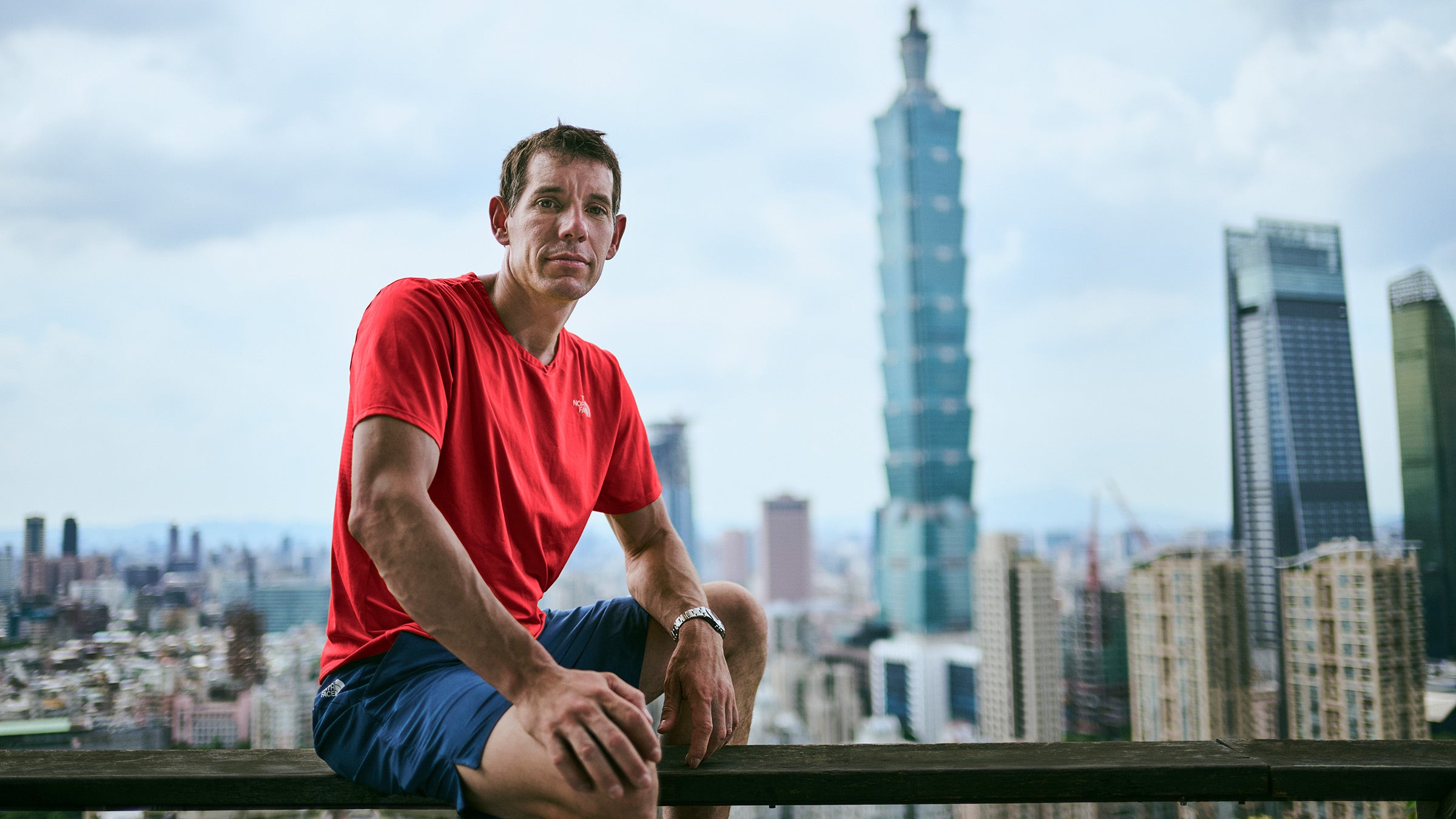
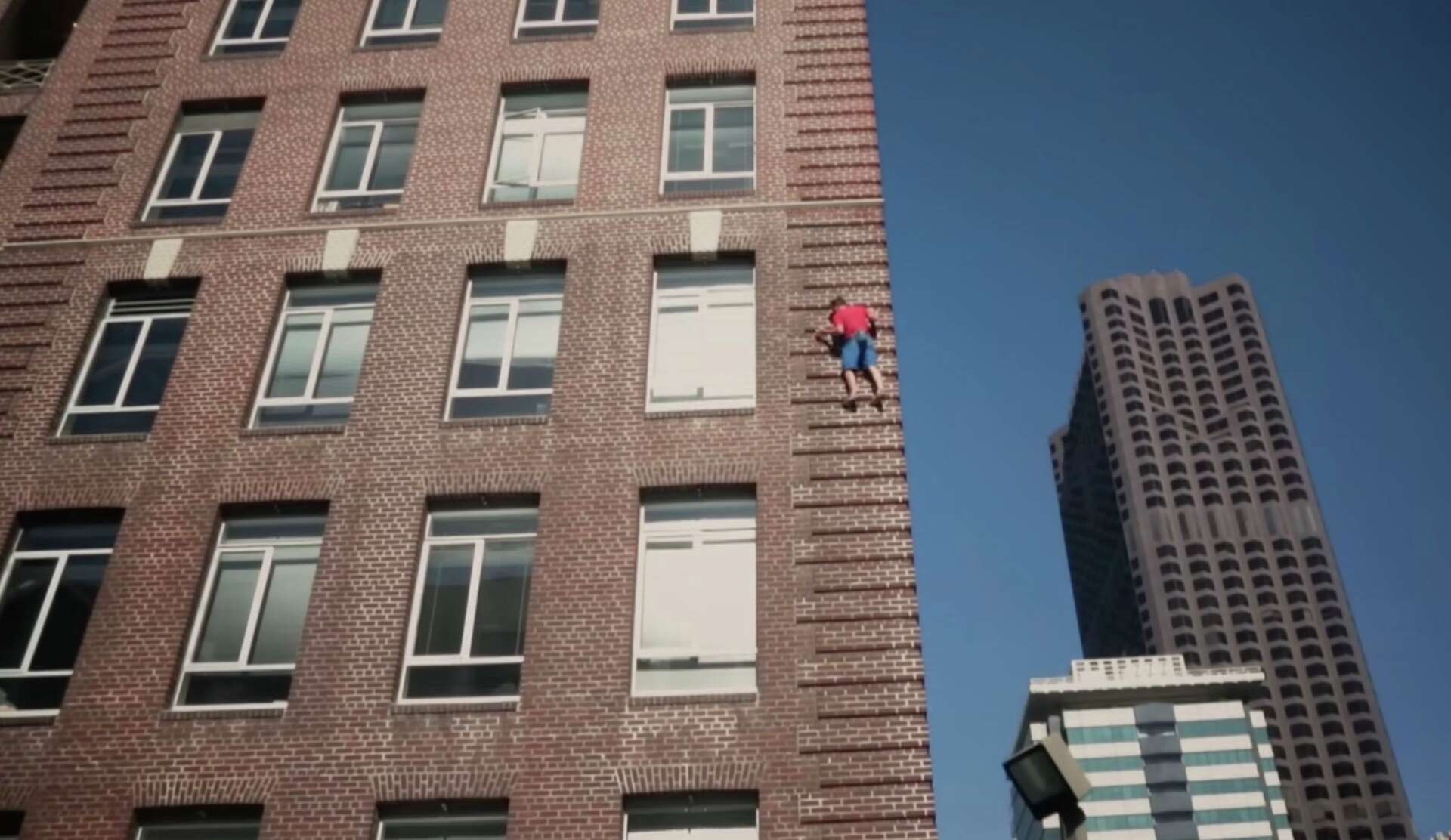
Free solo climbing—ascending sheer rock faces or massive architectural structures without ropes, harnesses, or safety nets—represents the absolute apex of psychological focus and physical precision. When discussions turn to high-profile urban ascents, the concept of an alex honnold taipei 101 live free solo climb thrill invokes the intersection of elite mountaineering capability, massive media broadcasting, and the profound psychological intensity of absolute exposure. While Alex Honnold is globally renowned for his groundbreaking, ropeless ascent of El Capitan’s Freerider in Yosemite National Park—immortalized in the Academy Award-winning documentary Free Solo—the prospect of applying those same skills to iconic skyscrapers like Taipei 101 commands a distinct category of athletic and logistical challenge.
Analyzing this scenario requires looking past the superficial adrenaline rush to examine the rigorous preparation, mechanical constraints, architectural hurdles, and ethical debates surrounding urban free soloing. Skyscrapers present unique physical surfaces, legal roadblocks, and environmental variables that differ fundamentally from natural granite walls. Understanding how a world-class professional approaches such a monumental objective sheds light on the reality behind high-stakes media spectacles and the sheer mental fortitude required to manage catastrophic risk on a vertical stage.
Understanding the Mechanics and Philosophy of Free Soloing
Free solo climbing strips the sport of mountaineering down to its purest, most unforgiving denominator: the climber versus gravity. Every movement must be calculated because a single foot slip or misjudged handhold means instantaneous, fatal consequences. Unlike traditional climbing, where gear is placed into the rock to catch a potential fall, the free soloist uses chalk, climbing shoes, and absolute internal discipline.
For athletes who operate at this level, fear is not absent; rather, it is systematically managed. Cognitive behavioral techniques, intense visualization, and meticulous route inspection allow climbers to reprogram their physiological stress responses. When scaling a natural formation like El Capitan, the variables are primarily geological—weather, rock stability, and temperature. However, shifting that paradigm to a man-made skyscraper introduces a completely different set of physical and logistical parameters that alter the entire risk equation.
Architectural Realities of Scaling Taipei 101
Taipei 101, standing at 508 meters (1,667 feet) with 101 floors, is an engineering marvel. Its distinct postmodern architectural style, featuring eight upward-flaring segments reminiscent of traditional pagodas and bamboo stalks, gives the building its iconic silhouette. For a climber, however, this geometry presents distinct technical hurdles.
Unlike the rough, friction-heavy granite of Yosemite, modern skyscrapers are constructed from glass, brushed aluminum, steel, and engineered stone panels. The exterior facade of Taipei 101 is engineered for weather resistance, aerodynamics, and aesthetic brilliance—not for human handholds and footholds.
| Structural Feature | Natural Granite (e.g., El Capitan) | Modern Skyscraper (e.g., Taipei 101) |
|---|---|---|
| Surface Texture | High friction, variable cracks, and natural ledges | Smooth glass, metal mullions, and sealed panels |
| Grip Availability | Continuous micro-edges, flakes, and pockets | Limited structural joints, narrow window frames, and trim |
| Environmental Exposure | Wind funnels, temperature swings, sun glare | High-altitude urban wind shears, thermal reflection |
| Legal/Access Control | Regulated national park boundaries | Strictly controlled private property, security infrastructure |
The absence of continuous, positive handholds means a climber would rely entirely on the narrow vertical metal mullions framing the glass panels, small structural reveals, or architectural ornamentation. Furthermore, the sheer verticality of a 500-meter glass-and-steel tower eliminates the sloping ledges and resting stances often found on natural big walls, forcing the climber to sustain continuous physical exertion without a momentary break.
The Logistics of Live Broadcasting and Media Spectacle
Attempting or conceptualizing a major urban ascent on a structure as prominent as Taipei 101 involves massive media synchronization. Modern television and digital streaming networks frequently seek high-visibility outdoor spectacles to captivate global audiences. However, televising a free solo climb introduces profound ethical and operational complexities.
Broadcasting a life-or-death athletic feat in real time creates immense pressure on both the production crew and the athlete. Producers must balance the desire for cinematic camera angles—often utilizing drones, specialized cranes, and long-lens ground cameras—with the absolute necessity of maintaining a safe, distraction-free environment for the climber. Moreover, the moral weight of broadcasting a potentially fatal accident live to millions of viewers forces networks and athletes to weigh commercial entertainment value against human safety.
In historical contexts where urban climbers, often referred to as "human spiders," have scaled skyscrapers, they typically do so clandestinely to avoid immediate arrest by local law enforcement. A sanctioned, televised event requires extensive government permits, municipal approvals, property owner consent, and complex insurance underwriting—hurdles that are frequently insurmountable given the catastrophic liability involved.
Legal, Regulatory, and Safety Considerations
Executing any high-profile climb on a landmark building requires navigating a complex labyrinth of municipal laws, property rights, and liability frameworks. Taipei 101 is a premier commercial hub and a symbol of national pride for Taiwan; unauthorized scaling is strictly prohibited under local trespassing and public safety statutes.
- Property Owner Consent: The management corporation of Taipei 101 and its primary commercial tenants must approve any structural interaction, ensuring that window-washing equipment, exterior maintenance tracks, and architectural seals are not compromised.
- Municipal Permitting: Local government bodies, police departments, and emergency services must coordinate road closures, airspace restrictions for drones or helicopters, and crowd-control measures.
- Emergency Medical Services: Specialized high-angle rescue teams and rapid-response medical personnel must be stationed on-site to address potential medical emergencies, though the utility of rescue teams in a catastrophic free solo fall remains practically nonexistent.
These stringent administrative barriers ensure that spontaneous urban free soloing on major supertall structures is virtually impossible, restricting such feats to highly regulated, meticulously planned special projects or relegating them to illegal, high-risk stunts carried out under cover of night.
Evaluating the Mental Discipline and Risk Mitigation
The psychological profile required for elite free soloing is a subject of significant interest among neuroscientists and sports psychologists. Functional magnetic resonance imaging (fMRI) studies conducted on athletes like Alex Honnold have revealed unique neurological adaptations, particularly regarding the amygdala—the brain's primary threat-processing center. Where an average individual experiences a massive surge of fear and anxiety in high-exposure environments, elite soloists often show minimal activation, allowing them to remain completely calm and analytical under extreme pressure.
However, this lack of standard fear reactivity does not imply recklessness. Honnold's methodology is characterized by obsessive preparation, exhaustive route reconnaissance, and strict adherence to personal limits. If a physical move feels insecure or if environmental conditions—such as unexpected humidity, wind, or cold—compromise friction, a professional climber will unhesitatingly walk away from the objective. The thrill sought by the spectator as a form of entertainment is experienced by the elite athlete as a masterclass in risk management, spatial awareness, and absolute control.
Practical Guidance for Climbing Enthusiasts and Spectators
For individuals inspired by the visual spectacle of high-altitude climbing, translating that inspiration into safe, constructive action requires moving away from urban stunts and toward structured, regulated disciplines.
- Transition to Indoor Climbing: Begin climbing at commercial bouldering and lead-climbing gyms, which offer controlled environments, padded flooring, and certified instruction.
- Master Rope Systems: Learn traditional and sport climbing outdoors under the guidance of certified mountain guides (such as AMGA-certified instructors) to understand the vital mechanics of anchors, harnesses, and belay devices.
- Understand the Reality: Recognize that media portrayals of free soloing compress years of grueling physical conditioning, route memorization, and mental training into brief, high-tension narratives. Never attempt to replicate professional stunts on unauthorized architectural structures.
Frequently Asked Questions
What makes scaling a skyscraper different from climbing a natural rock wall?
Skyscrapers feature smooth, non-porous surfaces like glass, steel, and aluminum panels that lack the friction and continuous natural handholds found on granite or limestone. Additionally, urban towers offer zero resting ledges over hundreds of meters, requiring sustained physical exertion and exposing the climber to unpredictable wind funnels and strict legal prohibitions.
Has Alex Honnold officially climbed Taipei 101?
No. While Alex Honnold is famous for his groundbreaking free solo ascents in natural environments like Yosemite National Park, he has not performed a free solo climb of Taipei 101. Speculation regarding such ascents typically stems from media interest in applying elite climbing skills to world-famous architectural landmarks.
Why do media networks broadcast extreme climbing events?
High-profile endurance and climbing feats command intense global attention by combining raw human athletic achievement with high-stakes tension. However, broadcasters must carefully balance audience engagement with the profound ethical responsibility of mitigating risk and avoiding the glorification of fatal accidents.
What safety gear do professional climbers use when not free soloing?
In standard technical climbing, athletes utilize dynamic nylon ropes, harnesses, metallic belay and rappelling devices, expansion bolts, removable protection such as cams and nuts, and specialized climbing shoes designed to maximize rubber friction against rock or structural surfaces.
How do elite free soloists manage fear during a climb?
Elite soloists manage fear through rigorous physical training, extensive route previewing, and specialized cognitive conditioning. Scientific studies indicate that top-tier soloists possess exceptional emotional regulation and unique neurological responses to high-altitude exposure, allowing them to maintain absolute focus and decision-making clarity.
Strategic Next Steps for Outdoor and Climbing Enthusiasts
To engage safely with the world of technical vertical sports, enthusiasts should prioritize professional instruction, proper gear investment, and adherence to established safety frameworks. Seek out accredited climbing federations, enroll in wilderness first aid courses, and build foundational skills on supervised indoor walls before attempting outdoor multi-pitch climbing. By respecting the inherent risks of vertical environments, climbers can cultivate lifelong proficiency while ensuring safety remains the absolute priority.