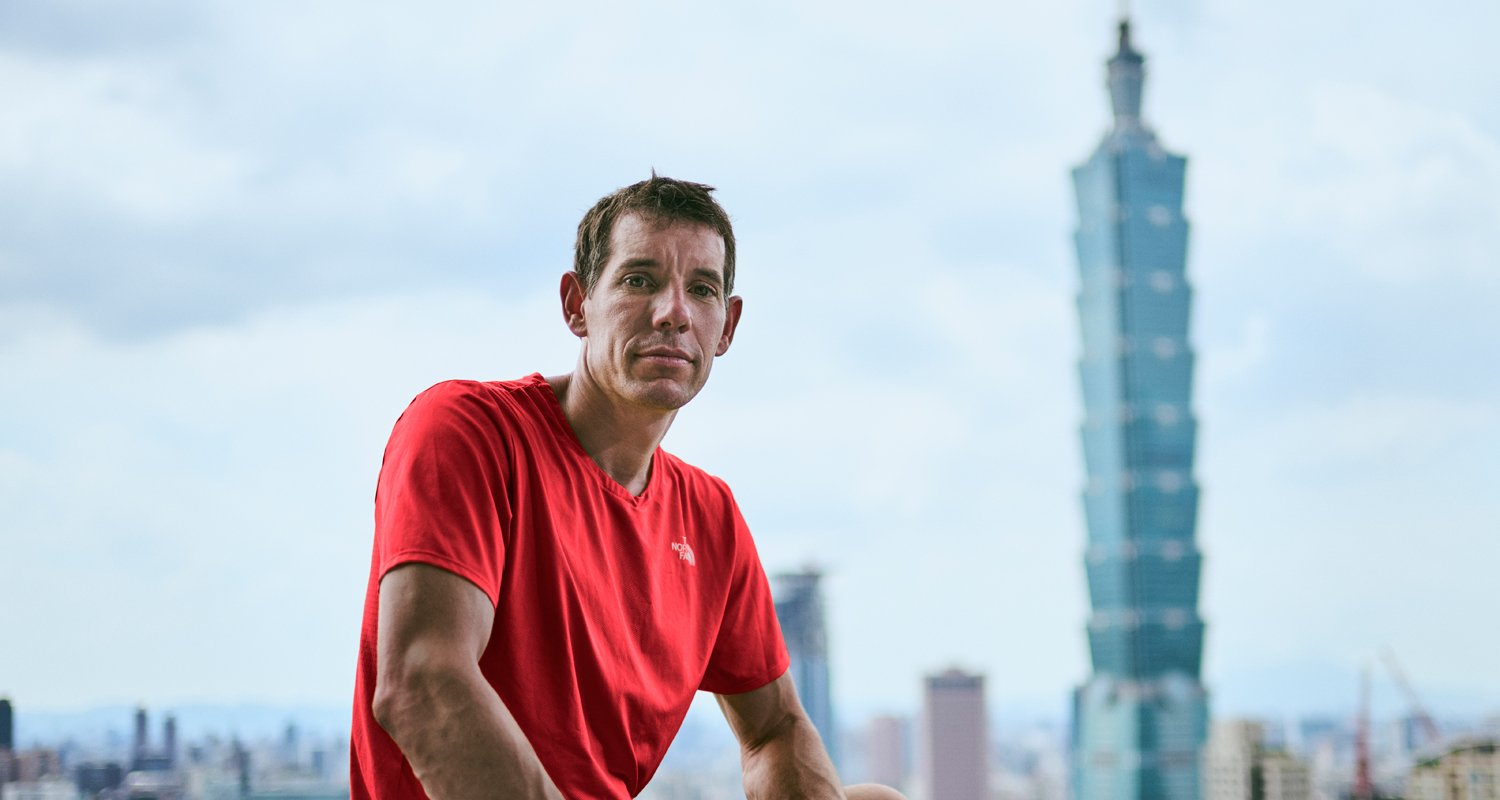
Alex Honnold stands approximately 5 feet 11 inches tall (180 cm) and typically maintains a lean operating weight between 160 and 165 pounds (73 to 75 kg). Renowned worldwide for his historic free solo ascent of El Capitan’s Freerider route in Yosemite National Park—as documented in the Academy Award-winning film Free Solo—Honnold possesses a distinct physiological and anthropometric profile optimized for elite rock climbing endurance, high-angle efficiency, and precise body-weight management on vertical terrain.
Understanding the Physical Profile of Elite Free Soloists
Evaluating the physical dimensions of professional climbers requires examining how height, weight, and proportion translate to mechanical advantage on steep rock faces. Unlike power-focused athletes who rely heavily on absolute upper-body mass, elite free soloists and technical big-wall climbers prioritize an exceptionally high strength-to-weight ratio.
Honnold's build reflects a classic endurance-oriented climbing physique. Standing roughly 5 feet 11 inches, he occupies a slightly taller demographic than the historical average for elite male rock climbers, who often trend shorter to minimize gravitational load over sustained technical cruxes. However, his long reach—often referred to as "ape index"—and lean muscular composition compensate for the marginal height disadvantage, allowing him to bridge vast distances between holds while maintaining fluid, energy-conserving movement patterns.
Comprehensive Physical Stats and Anthropometric Breakdown
To understand how Honnold's body functions under extreme physical stress, sports scientists and climbing analysts examine several core biometric metrics. While precise physiological measurements fluctuate slightly depending on training phases, expedition schedules, and off-season recovery periods, verified baseline statistics provide a clear picture of his physical blueprint.
The table below outlines the core physical attributes associated with Alex Honnold's climbing profile:
| Metric Category | Statistical Measurement | Functional Significance in Climbing |
|---|---|---|
| Height | 5 ft 11 in (180 cm) | Provides extended reach for distant holds and efficient bridging across vertical corners. |
| Weight | 160–165 lbs (73–75 kg) | Maintains a high power-to-weight ratio while retaining adequate muscle mass for injury prevention. |
| Wingspan (Reach) | Approx. 6 ft 0 in+ | Positive or neutral ape index assists with lateral movement on blank granite faces. |
| Body Fat Percentage | Estimated 6%–9% | Minimizes non-functional dead weight during sustained overhanging endurance climbing. |
| Grip Strength Metrics | Exceptional finger-to-weight ratio | Allows secure engagement on micro-edges, crimps, and friction slabs without excessive forearm pump. |
The Physiology of Free Solo Endurance and Efficiency
Free solo climbing—ascending sheer precipices without ropes, harnesses, or protective gear—demands extraordinary mental fortitude coupled with unique metabolic efficiency. Honnold's low body fat percentage and wiry muscle architecture are direct adaptations to decades of high-volume vertical training.
Rather than relying on explosive anaerobic bursts, Honnold’s training philosophy emphasizes aerobic capacity and movement economy. His cardiovascular system is conditioned to maintain a steady heart rate while executing intricate micro-movements on vertical granite. This efficiency delays the onset of lactic acid accumulation in the forearms, which is the primary physical limiting factor for rock climbers. Every ounce of muscle mass is functionally utilized for grip, core stability, or shoulder rotation, ensuring that no energy is wasted maintaining posture on vertical or overhanging rock.
Training Regimen, Diet, and Weight Management
Maintaining an optimal operating weight requires strict dietary discipline and a punishing training volume, though Honnold is famously recognized for his casual approach to lifestyle luxuries rather than rigid, obsessive dieting. Historically known for living out of a customized Ford Econoline van, his nutritional intake has traditionally centered on functional, straightforward foods rather than highly calculated macro-diets.
His primary caloric expenditure occurs outdoors on real rock rather than inside commercial climbing gyms. Honnold logs hundreds of days a year on vertical terrain, alternating between high-intensity bouldering, endurance link-ups of multi-pitch routes, and systemic cardiovascular conditioning such as trail running and cycling. This perpetual state of activity naturally regulates his body composition, keeping his weight locked within a tight, highly efficient window year-round. Because he does not carry excess mass, his tendons and joints experience reduced mechanical strain during high-impact training cycles, mitigating the risk of chronic finger and elbow injuries common in elite climbing.
Anthropometric Comparisons: How Honnold Compares to Other Elite Climbers
In the broader context of elite rock climbing, physical dimensions vary widely depending on the specialty—whether an athlete focuses on bouldering, competition lead climbing, or traditional big-wall alpine routes. Bouldering specialists often feature shorter, compact frames with exceptionally high muscle density, whereas big-wall and alpine specialists tend to mirror endurance runners: taller, leaner, and optimized for sustained multi-hour efforts.
Honnold's height places him slightly above the median for top-tier professional rock climbers, many of whom stand between 5 feet 5 inches and 5 feet 9 inches. However, his build closely aligns with other legendary big-wall free climbers and mountaineers who require physical resilience against cold, fatigue, and prolonged exposure. The ability of a 5-foot-11-inch frame to maneuver gracefully through blank, featureless slab routes highlights the supremacy of technique and balance over raw stature.
Frequently Asked Questions About Alex Honnold's Physical Stats
How tall is Alex Honnold?
Alex Honnold is approximately 5 feet 11 inches tall (180 cm). This height gives him an advantage in reach on sustained multi-pitch routes while remaining compact enough for technical vertical movements.
What is Alex Honnold's weight?
Alex Honnold typically weighs between 160 and 165 pounds (73 to 75 kg). This weight supports a high strength-to-weight ratio crucial for endurance climbing and free soloing safely.
Does Alex Honnold follow a strict diet?
Honnold does not follow a hyper-restrictive diet, though he maintains a largely plant-forward, simple eating style with minimal processed foods. His immense caloric expenditure from continuous climbing naturally keeps his weight stable.
How does Alex Honnold's height affect his climbing style?
His 5-foot-11-inch frame provides a generous reach that allows him to skip intermediate, pump-inducing holds and execute long dynamic moves, though it requires exceptional core tension to keep his center of gravity close to the wall.
What is Alex Honnold's grip strength?
While specific clinical lab numbers vary, Honnold possesses elite-level forearm and finger strength relative to his body weight, allowing him to hang from microscopic granite crystals for extended durations.
Practical Next Steps for Climbing Fitness and Anthropometric Assessment
For climbers and fitness enthusiasts seeking to analyze or adapt their own physical metrics for vertical performance, focusing on relative strength rather than raw weight loss is paramount. Assess your power-to-weight ratio by evaluating your ability to perform weighted pull-ups, dead hangs on narrow wooden edges, and core compression movements. Rather than trying to artificially replicate the exact height or weight stats of professional athletes like Alex Honnold, focus on optimizing your personal movement efficiency, technical footwork, and cardiovascular endurance on the wall.