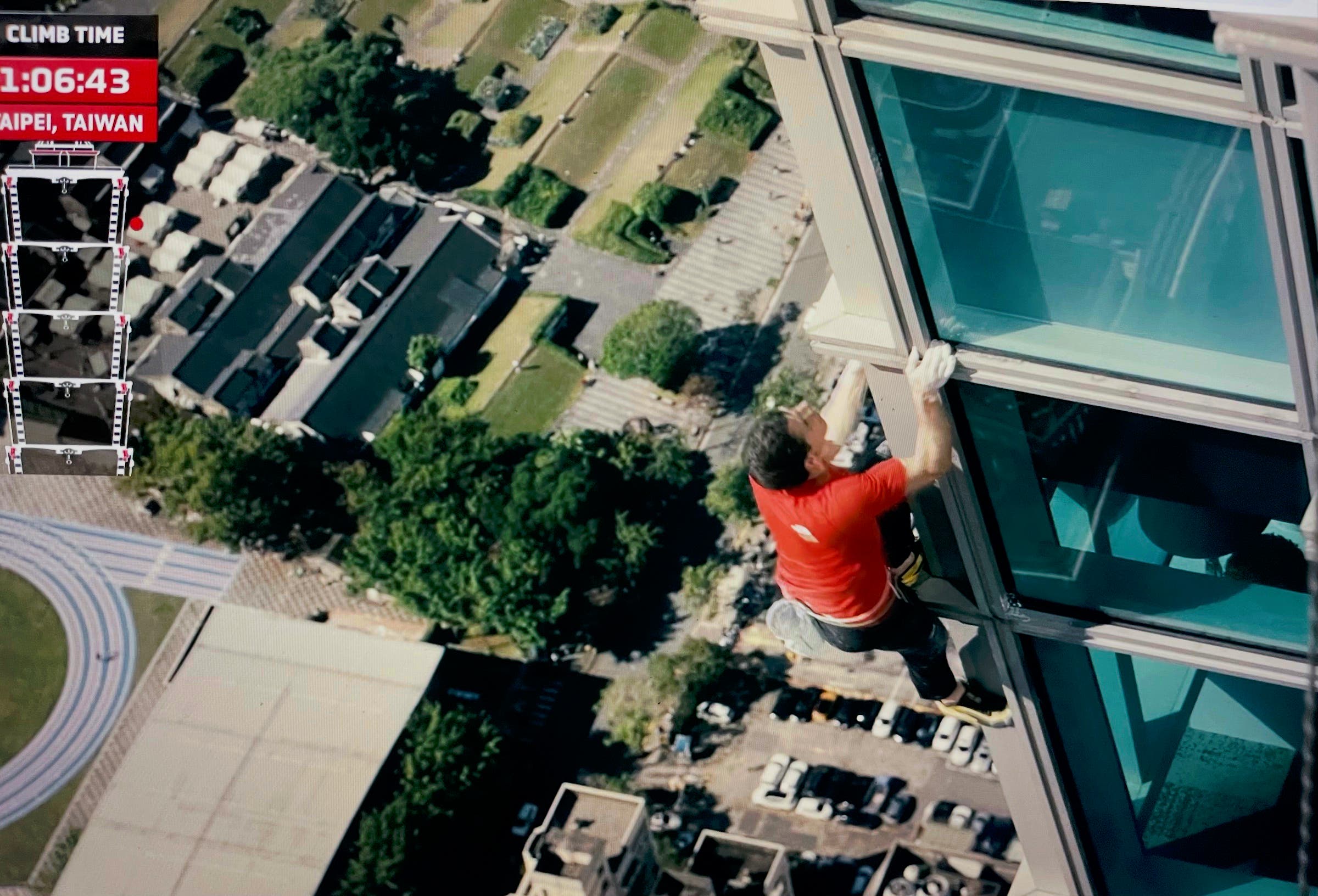
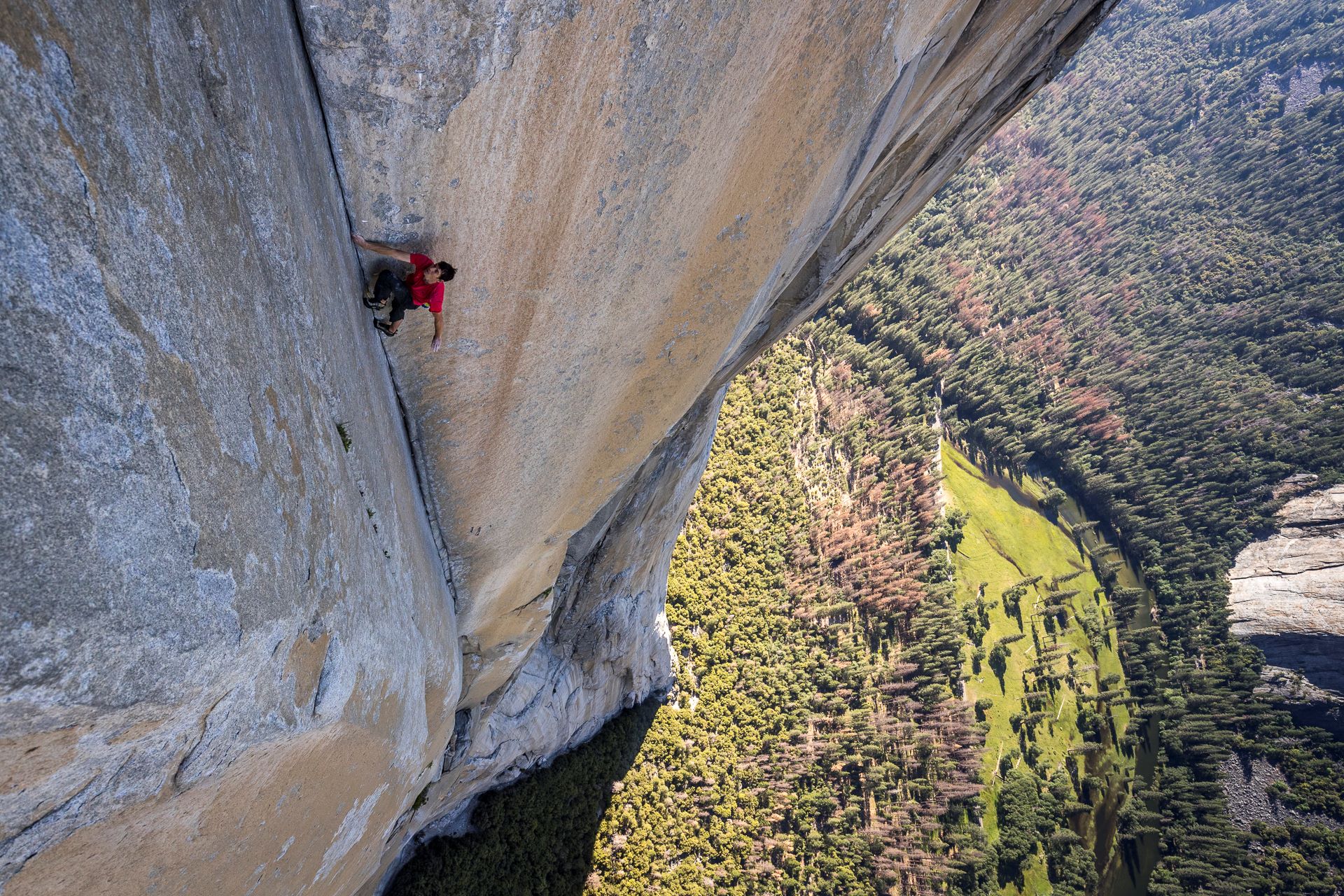
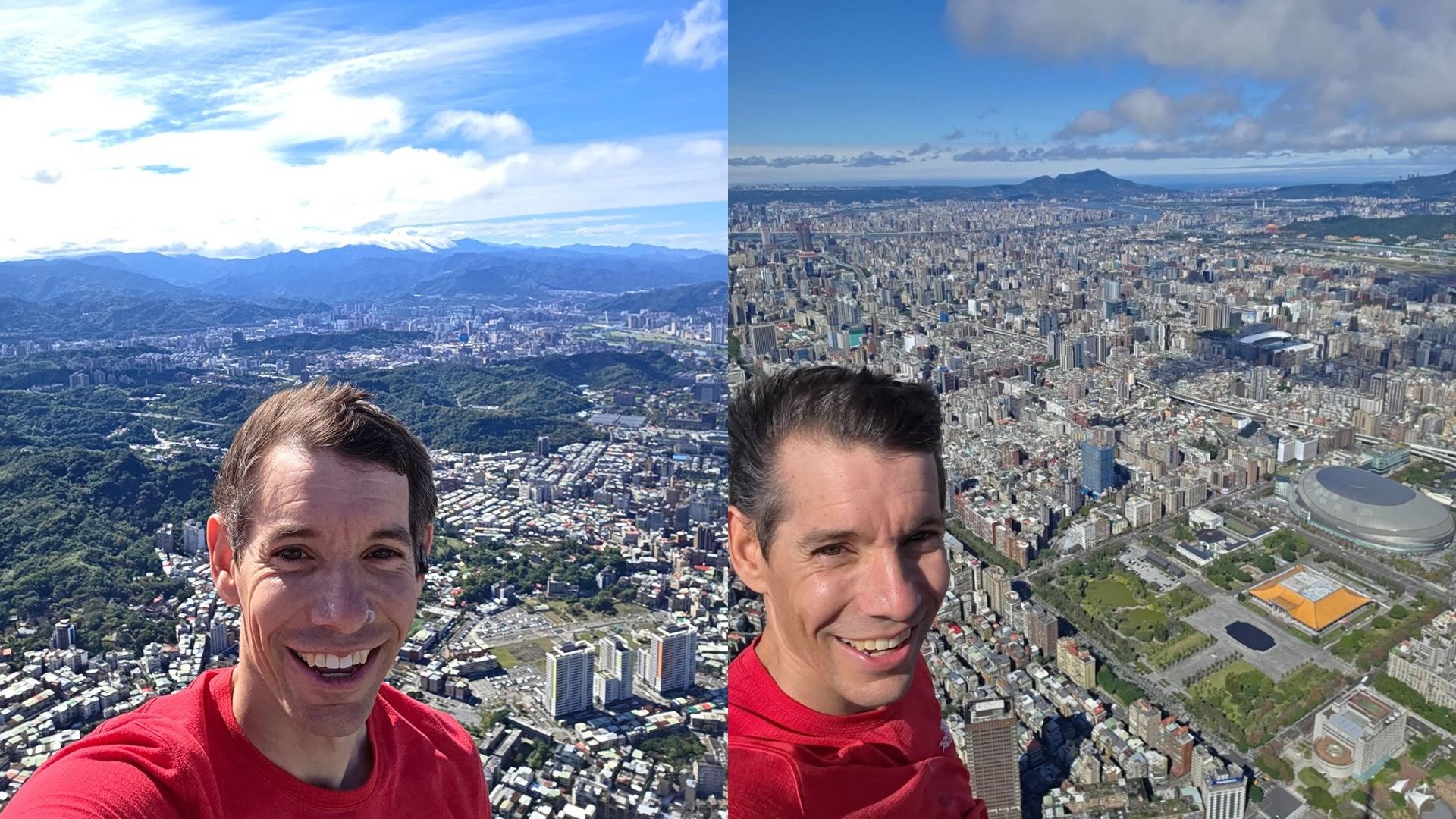
Alex Honnold’s historic urban ascents mark a fascinating evolution for the world’s most renowned free solo climber, shifting his signature style from vertical granite walls like El Capitan to engineered architectural facades. While traditional mountaineering and big wall climbing rely on natural rock features, high-profile skyscraper ascents require navigating artificial materials, strict regulatory environments, complex security protocols, and dense urban public spaces. Understanding how these structural ascents work, the meticulous preparation they demand, and the safety architectures involved provides vital context for fans and climbing enthusiasts alike.
Understanding Urban Free Soloing and Architectural Ascents
Urban climbing, sometimes broadly categorized as building climbing or structural scaling, involves ascending artificial structures such as skyscrapers, towers, and bridges without traditional construction lifts or maintenance scaffolding. When executed in the style of free soloing—climbing without ropes, harnesses, or safety nets—the margin for error drops to absolute zero. Unlike natural rock formations that weather irregularly and offer varied friction coefficients, modern skyscrapers present uniform, highly engineered surfaces constructed from glass, steel, polished stone, and composite panels.
The transition from wilderness environments to urban monoliths introduces entirely different physical and mechanical challenges. Natural rock provides cracks, ledges, flakes, and pockets formed by geological processes over millennia. Skyscrapers, by contrast, are designed with aerodynamic and aesthetic efficiency in mind, often featuring sleek vertical lines, flush window panes, narrow architectural fins, and decorative stone cladding that provide minuscule margins for hand and foot placements. Consequently, urban free soloists must possess exceptional finger strength, flawless balance, and a hyper-specialized understanding of industrial materials.
Furthermore, urban ascents are rarely spontaneous acts of wilderness exploration. They exist within dense legal, logistical, and architectural frameworks. Scaling a major skyscraper typically requires extensive behind-the-scenes coordination, structural analysis, and compliance with local municipal laws. When elite athletes like Honnold undertake these projects, the execution is usually part of a carefully managed documentary production, scientific exploration, or promotional campaign, differentiating modern televised structural climbs from rogue urban adventurism.
The Preparation and Logistics Behind Skyscraper Ascents
Preparing for a major skyscraper climb requires months of strategic planning, engineering consultation, and physical conditioning tailored to artificial materials. Before a climber touches a building facade, teams conduct thorough structural surveys to evaluate the load-bearing capacity of exterior ledges, the composition of window mullions, and the potential impact of localized wind tunnels generated by surrounding urban canyons.
The physical conditioning regimen for an architectural climb diverges significantly from standard rock training. Climbers must adapt to the repetitive nature of vertical glass and steel surfaces, where friction and friction-dependent movements govern success. Training often involves specialized wall setups that simulate smooth stone panels or metallic window frames. Grip strength becomes paramount, as holds are frequently limited to the shallow lips of window frames or the narrow gaps between facade panels.
Logistical planning also encompasses weather monitoring, security coordination, and contingency management. Urban microclimates can create unpredictable wind shears at higher elevations, drastically altering the difficulty of balance-dependent movements. Production teams must account for lighting conditions if the climb is filmed, while safety crews remain on standby with specialized extraction gear and medical support, even when the primary climber operates without personal fall protection.
Comparing Natural Big Wall Climbing and Artificial Building Ascents
The differences between scaling a natural granite monolith like Yosemite's El Capitan and ascending an urban skyscraper highlight the distinct skill sets required in modern climbing. While both demand elite endurance and psychological fortitude, the mechanics of the climb vary greatly.
| Feature / Element | Natural Big Wall Climbing (e.g., El Capitan) | Urban Skyscraper Ascents |
|---|---|---|
| Primary Surface | Granite, sandstone, or limestone rock formations | Glass, steel, composite panels, and concrete |
| Hold Availability | Cracks, ledges, pockets, flakes, and friction slabs | Window mullions, decorative fins, and panel joints |
| Safety Equipment | Ropes, cams, nuts, bolts, and harnesses (or free solo) | Highly restricted; mostly chalk and specialized shoes |
| Regulatory Context | National parks, wilderness permits, and land management | Private property rights, municipal laws, and security |
| Environmental Factors | Weather, loose rock, altitude, and wildlife | Wind tunnels, temperature-controlled glass, and crowds |
| Preparation Focus | Route finding, gear placement, and wall endurance | Material friction, structural analysis, and stealth/access |
This comparative framework demonstrates that urban climbing replaces the unpredictable natural hazards of wilderness environments—such as rockfall and altitude sickness—with the rigid constraints of human engineering, legal jurisdiction, and public visibility.
Safety Protocols, Legal Hurdles, and Risk Management
Risk management in urban climbing extends far beyond physical safety. Because skyscrapers are private commercial properties situated in high-traffic public zones, climbers face immediate legal and liability challenges. Unauthorized scaling of a building typically constitutes trespassing, reckless endangerment, or violation of municipal codes, which can result in legal penalties and law enforcement intervention.
When projects are authorized and executed legally, safety protocols are uncompromising. Production companies and institutional partners require comprehensive insurance riders, emergency medical response plans, and engineering sign-offs to ensure the structural integrity of the building is not compromised. Climbers work closely with architects and facility managers to identify vulnerable exterior components, such as automated window-washing tracks or delicate sealing joints, avoiding areas that could sustain permanent damage.
From a physiological perspective, the psychological discipline required for urban free soloing mirrors that of wilderness climbing. Honnold and other elite practitioners rely on methodical risk assessment, visualization techniques, and breath control to manage fear in high-exposure environments. However, the urban backdrop—featuring screaming sirens, flashing traffic lights, and crowds of onlookers far below—introduces unique sensory distractions that climbers must learn to block out completely.
The Cultural Impact and Evolution of Urban Climbing Media
The mainstream fascination with skyscraper ascents stems from the dramatic visual contrast between the natural human body and the towering geometry of the modern metropolis. Documentaries and televised specials chronicling these feats capture not only the physical execution but also the philosophical questions surrounding human limits, risk, and urban architecture.
As urban centers continue to expand upward with increasingly complex architectural designs, the intersection of extreme sports and cityscapes evolves. These projects push the boundaries of what audiences expect from professional athletes, transforming standard corporate architecture into temporary vertical playgrounds. At the same time, the media coverage serves to educate the public on the immense technical skill, preparation, and precision required to navigate environments that were never designed for human foot traffic.
Frequently Asked Questions
What equipment does Alex Honnold use during a skyscraper climb?
When performing a free solo ascent of a skyscraper, Honnold typically relies on minimal gear, restricted to specialized climbing shoes optimized for smooth surfaces and athletic chalk to maintain grip on glass and steel. When safety ropes or harnesses are utilized for permitted productions, industrial-grade dynamic ropes and certified anchor systems are employed.
Is it legal to climb skyscrapers without permission?
No, climbing skyscrapers without explicit authorization from property owners and local municipal authorities is illegal. It generally constitutes trespassing and can lead to criminal charges, significant fines, and public safety hazards. Authorized ascents require extensive permitting, legal clearance, and engineering oversight.
How do skyscrapers differ from natural rock for free solo climbing?
Skyscrapers feature manufactured, uniform materials like glass, steel, and polished composite panels that offer very little natural friction. Unlike rock, which has geological features like cracks and ledges, buildings present flush surfaces, forcing climbers to rely on microscopic architectural margins, window frames, and narrow panel joints.
What are the main weather hazards during an urban climb?
Urban microclimates present severe wind shears, thermal drafts, and rapid temperature changes that can affect the grip of climbing shoes and the stability of the climber. Wind tunnels created by adjacent buildings can unexpectedly alter balance, making meteorological timing a critical factor in climb planning.
Why do elite climbers transition from mountains to buildings?
Transitioning to urban environments offers a unique architectural challenge, pushing athletes to adapt their elite vertical skill sets to artificial structures. These projects also allow climbers to reach global audiences, engage with modern media platforms, and explore the aesthetic relationship between human physical achievement and human-made engineering marvels.
Strategic Execution and Next Actions
For those looking to understand or engage with the world of architectural climbing, observing authorized professional productions and studying the mechanics of industrial facade engineering provide the safest entry points. Aspiring climbers should focus on developing foundational technique in controlled indoor climbing gyms before attempting outdoor bouldering or traditional climbing. Always prioritize legal compliance, safety certifications, and thorough risk assessments when exploring any vertical endeavor.