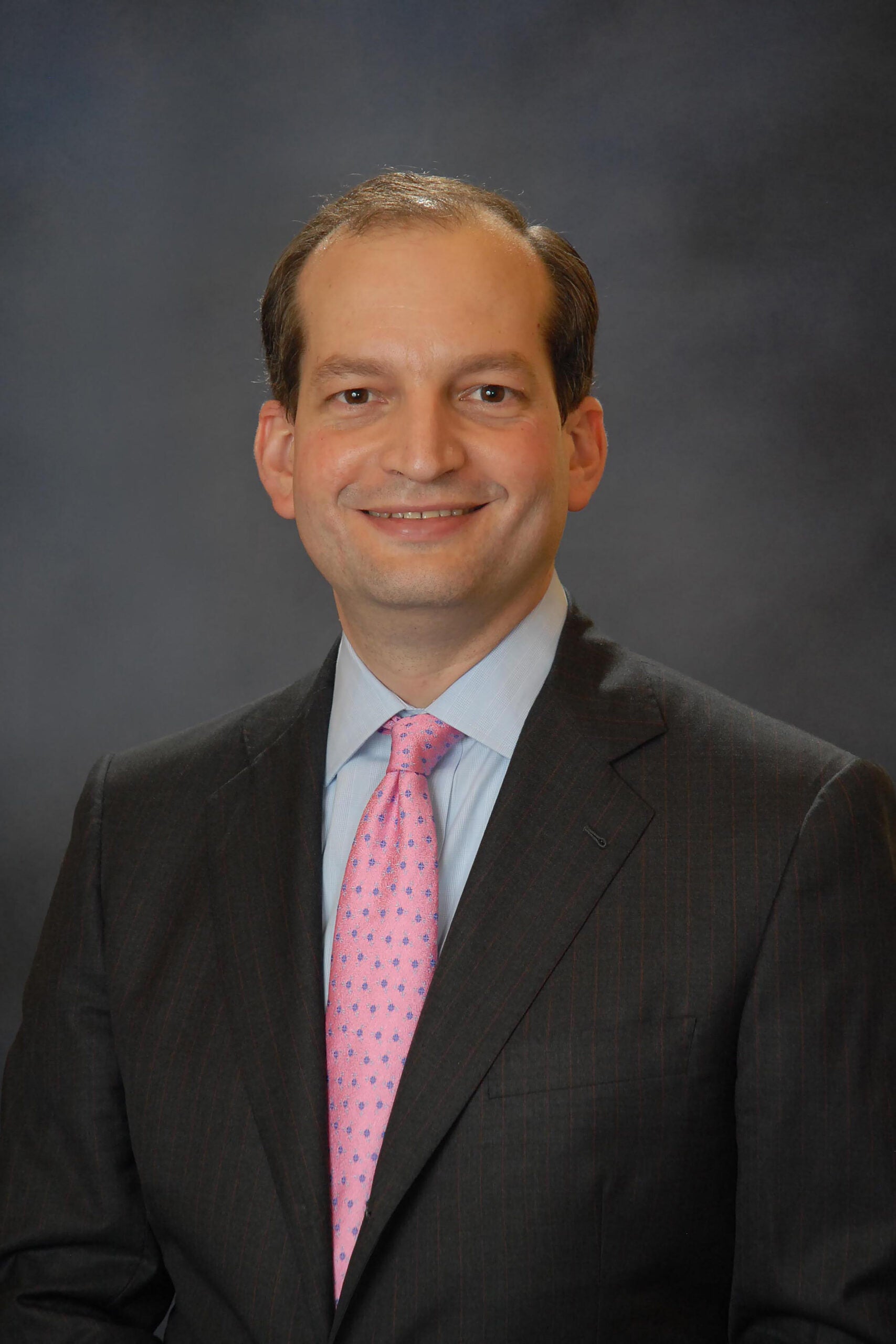
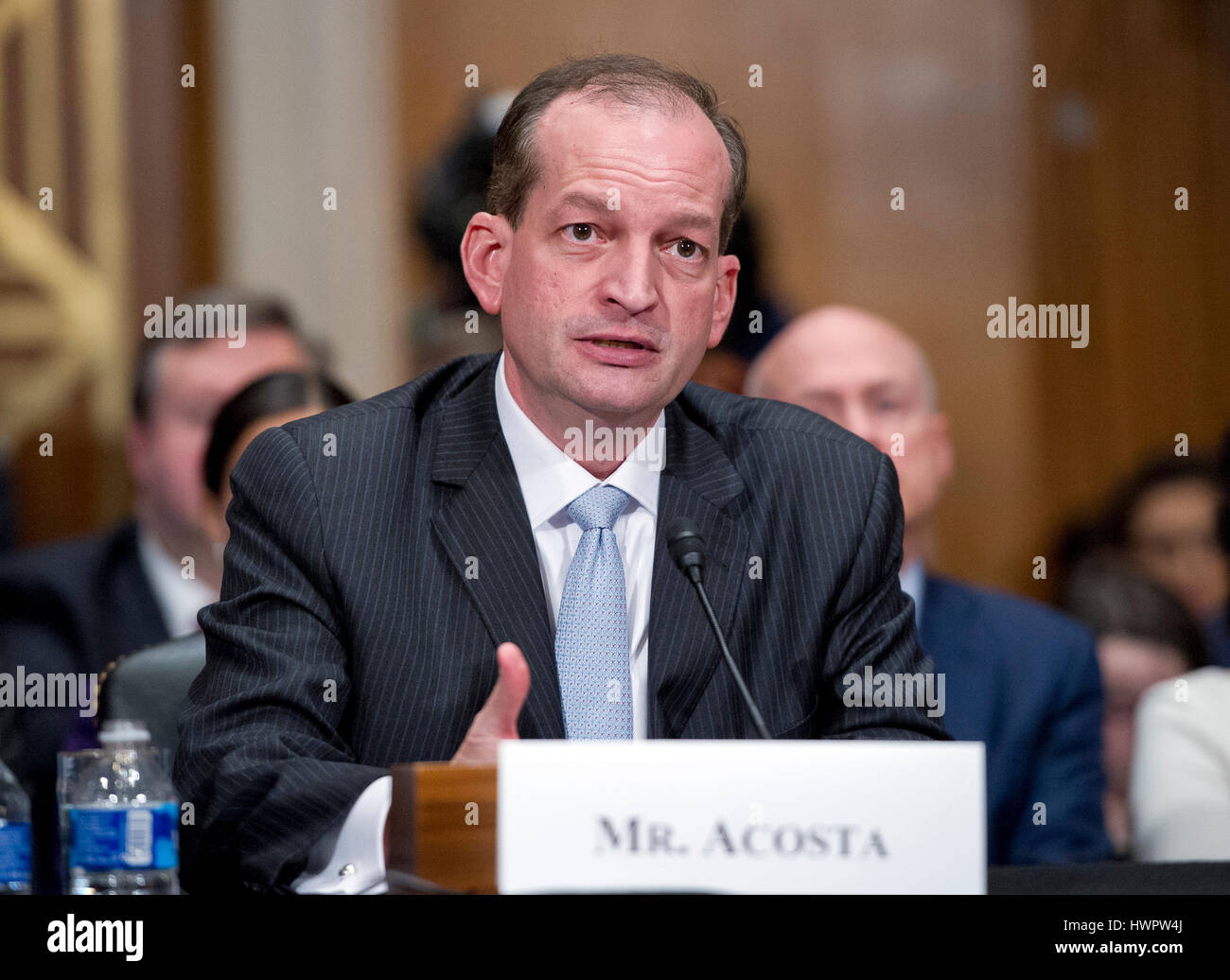
Alex Acosta is a prominent American attorney and former government official who served as the 27th United States Secretary of Labor from 2017 to 2019. Raised in a devout Roman Catholic household within the Cuban-American community of Miami, his religious and cultural background has consistently informed his approach to public service, legal ethics, and educational leadership throughout his multi-decade career.
The Religious and Cultural Foundations of Alex Acosta
To understand the public roles of Rene Alexander Acosta, one must first look at his roots in Miami, Florida. Born to Cuban immigrants who fled the Castro regime, Acosta’s upbringing was deeply rooted in the experiences of the exile community. For many Cuban-Americans of that era, the Roman Catholic Church was not merely a place of worship but the central pillar of social cohesion, moral guidance, and anti-communist sentiment.
Acosta’s religious background is characterized by a traditional Catholic education and a commitment to the values of hard work and individual responsibility. He attended the Gulfstream School and later the Gulliver Schools before heading to Harvard University. Throughout his rise in the legal world, Acosta has often been associated with Catholic organizations and has participated in events that highlight the intersection of faith and the law. While he is not known for overtly proselytizing in his public roles, colleagues have frequently noted that his personal ethics are guided by a structured, faith-based worldview that emphasizes the rule of law and the sanctity of the family unit.
In the context of 2026, Acosta’s background continues to be cited as a prime example of the "Old Guard" Miami Cuban-American identity—a blend of fierce American patriotism, conservative social values, and a steady adherence to Catholic social teaching. This foundation provided him with the cultural capital necessary to navigate both the elite legal circles of the Ivy League and the grassroots political landscape of Florida.
Early Public Career: From the NLRB to Civil Rights
Acosta’s entry into high-level public service began during the George W. Bush administration, where he quickly became a rising star in conservative legal circles. His early roles set the stage for his reputation as a technically proficient administrator with a keen understanding of federal bureaucracy.
The National Labor Relations Board (NLRB)
In 2002, Acosta was appointed to the National Labor Relations Board. As a member of the NLRB, he was tasked with adjudicating disputes between labor unions and employers. During his tenure, he was viewed as a pragmatic conservative, focusing on the strict interpretation of the National Labor Relations Act. His work here was his first major foray into labor law, a field he would return to over a decade later as a Cabinet secretary.
Assistant Attorney General for the Civil Rights Division
In 2003, Acosta moved to the Department of Justice (DOJ) to lead the Civil Rights Division. This role was significant because it placed a Cuban-American Catholic at the head of the nation’s primary office for enforcing anti-discrimination laws. During his time there, he focused on protecting the voting rights of minority groups and addressing human trafficking—a subject he would later claim was a career-long priority.
His leadership at the Civil Rights Division also involved defending religious liberties. Under his guidance, the division took a proactive stance on the Religious Land Use and Institutionalized Persons Act (RLUIPA), ensuring that religious institutions were not unfairly targeted by local zoning laws. This specific focus highlighted the synergy between his personal religious background and his professional public role.
Tenure as U.S. Attorney for the Southern District of Florida
Perhaps the most scrutinized period of Alex Acosta’s public life was his time as the United States Attorney for the Southern District of Florida (2005–2009). This office is one of the busiest and most influential in the country, handling high-profile cases involving international drug trafficking, corporate fraud, and public corruption.
During his tenure, Acosta oversaw several landmark cases, including the prosecution of Cali Cartel leaders and the conviction of Jack Abramoff. However, his public legacy from this era is most heavily defined by the 2008 non-prosecution agreement (NPA) with Jeffrey Epstein. At the time, Acosta’s office allowed Epstein to plead guilty to state charges of soliciting a minor for prostitution rather than facing federal sex trafficking charges.
The fallout from this decision would not fully manifest until a decade later, but it remains a central point of debate regarding his public role. Critics argue the deal was an example of legal leniency for the wealthy, while Acosta later defended the decision by stating that, at the time, his office believed the state prosecution was the only way to ensure Epstein served any jail time at all. This period of his career serves as a complex study in the exercise of prosecutorial discretion and the public accountability of high-ranking legal officials.
Leadership in Academia: Dean of FIU College of Law
Following his service as U.S. Attorney, Acosta transitioned into the academic sphere, serving as the Dean of the Florida International University (FIU) College of Law from 2009 to 2017. This role allowed him to shape the next generation of legal professionals in his hometown of Miami.
Under Acosta’s leadership, FIU Law saw a significant rise in its national rankings and bar passage rates. He was credited with implementing a rigorous curriculum and focusing on the practical "day-one" readiness of graduates. His public role as an educator was marked by a commitment to diversity; he often spoke about the importance of providing opportunities to first-generation law students, mirroring his own path as the son of immigrants.
During this time, Acosta remained active in the community, serving on the boards of various banks and charitable organizations. His transition from a "tough-on-crime" prosecutor to an academic leader demonstrated his versatility and his continued influence within the Florida legal establishment.
U.S. Secretary of Labor (2017–2019)
In February 2017, Alex Acosta was nominated by President Donald Trump to be the U.S. Secretary of Labor. He was the first Hispanic member of the Trump Cabinet. His confirmation was relatively smooth compared to other nominees, as he was seen as a "traditional" choice with deep experience in labor and civil rights law.
As Secretary of Labor, Acosta’s public role was defined by several key policy initiatives:
- Apprenticeship Programs: He was a vocal advocate for expanding vocational training and apprenticeships as an alternative to traditional four-year degrees.
- Deregulation: In line with the administration’s goals, he worked to roll back several Obama-era regulations, including the "fiduciary rule" for investment advisors and certain overtime pay expansions.
- Association Health Plans: He championed rules that allowed small businesses to band together to purchase health insurance, aiming to lower costs for employers.
However, his tenure was cut short in July 2019. The resurgence of public interest and investigative reporting into the 2008 Jeffrey Epstein plea deal created a political firestorm. While Acosta initially defended his actions in a high-profile press conference, the pressure from both the public and lawmakers led to his resignation. He stated that he did not want his past work to distract from the Department of Labor’s current mission.
Comparing the Public Roles of Alex Acosta
The following table provides a breakdown of the various capacities in which Alex Acosta has served the public interest and the legal field.
| Role | Period | Key Focus Areas | Major Outcome/Impact |
|---|---|---|---|
| NLRB Member | 2002–2003 | Labor-management disputes | Adjudication of federal labor laws. |
| Asst. Attorney General | 2003–2005 | Civil Rights | Focused on RLUIPA and anti-trafficking. |
| U.S. Attorney (S.D. Fla.) | 2005–2009 | Federal Prosecution | Convicted Cali Cartel; oversaw Epstein NPA. |
| Dean, FIU Law | 2009–2017 | Legal Education | Elevated bar passage rates and rankings. |
| U.S. Secretary of Labor | 2017–2019 | Federal Workforce Policy | Expanded apprenticeships; deregulatory focus. |
Faith and Ethics in the Public Square
Throughout his various roles, the interaction between Acosta’s religious background and his public duties has been a subject of interest for biographers. As a Catholic, Acosta has frequently navigated the tensions between personal faith and the secular requirements of the law.
In his role at the DOJ Civil Rights Division, for instance, his defense of religious land rights was seen by supporters as a principled application of the First Amendment, while critics occasionally viewed it as prioritizing religious institutions over local administrative concerns. In 2026, looking back at his career, it is evident that Acosta viewed the law as a stabilizing force—a "secular catechism" that, when followed correctly, protects the liberties of all, including the religious.
His resignation in 2019 also brought questions of "redemption" and "accountability" into the public discourse, themes that are deeply resonant in his Catholic faith. While he has largely remained out of the political spotlight since 2019, his involvement in legal consulting and academic circles suggests a continued dedication to the intellectual aspects of the law that first drew him to the field.
Frequently Asked Questions
What is Alex Acosta's religious affiliation?
Alex Acosta is a Roman Catholic. He was raised in the Cuban-American Catholic tradition in Miami, Florida, which has significantly influenced his cultural identity and his views on social and legal issues. He has maintained ties to Catholic organizations throughout his professional life.
Why did Alex Acosta resign from the Department of Labor?
He resigned in July 2019 due to the renewed scrutiny of a non-prosecution agreement he oversaw in 2008 as U.S. Attorney regarding Jeffrey Epstein. Acosta stated that the controversy had become a distraction from the work of the Department of Labor, leading him to step down to protect the administration's agenda.
Did Alex Acosta’s religion influence his work in the Civil Rights Division?
While he functioned as a neutral arbiter of federal law, his tenure at the Civil Rights Division saw a notable emphasis on protecting religious liberties through the enforcement of RLUIPA. This focus is often attributed to his broader understanding of the importance of religious institutions in American civic life.
What has Alex Acosta done since leaving the Cabinet?
Since his resignation in 2019, Acosta has primarily returned to private life, involving himself in legal consulting and staying connected with the Florida legal community. As of 2026, he remains a figure of interest in discussions regarding administrative law, labor policy, and the ethics of prosecutorial discretion.
What was Alex Acosta's contribution to FIU Law?
As Dean, Acosta is credited with transforming FIU Law into a top-tier institution in Florida. Under his leadership, the school achieved the highest bar passage rate in the state multiple times and significantly improved its standing in the U.S. News & World Report rankings.
Researching Legal Ethics and Public Accountability
For those interested in the intersection of career progression and public accountability, the life of Alex Acosta offers a primary case study. Students of law and politics should focus on the following actions to better understand the nuances of his public roles:
- Examine the 2008 NPA: Read the original documents from the Southern District of Florida regarding the Epstein case to understand the legal justifications provided at the time versus the criticisms that arose later.
- Review Labor Department Rulemakings: For a technical understanding of his policy impact, review the Federal Register entries for the Association Health Plans and the expansion of apprenticeship programs during his 2017–2019 tenure.
- Study FIU Law’s Growth: Analyze the metrics used by FIU Law during the 2010s to see how administrative leadership can drastically alter the trajectory of a public educational institution.
Acosta’s career serves as a reminder that the backgrounds of public officials—their faith, their heritage, and their early professional choices—create a complex tapestry that informs every decision made at the highest levels of government.