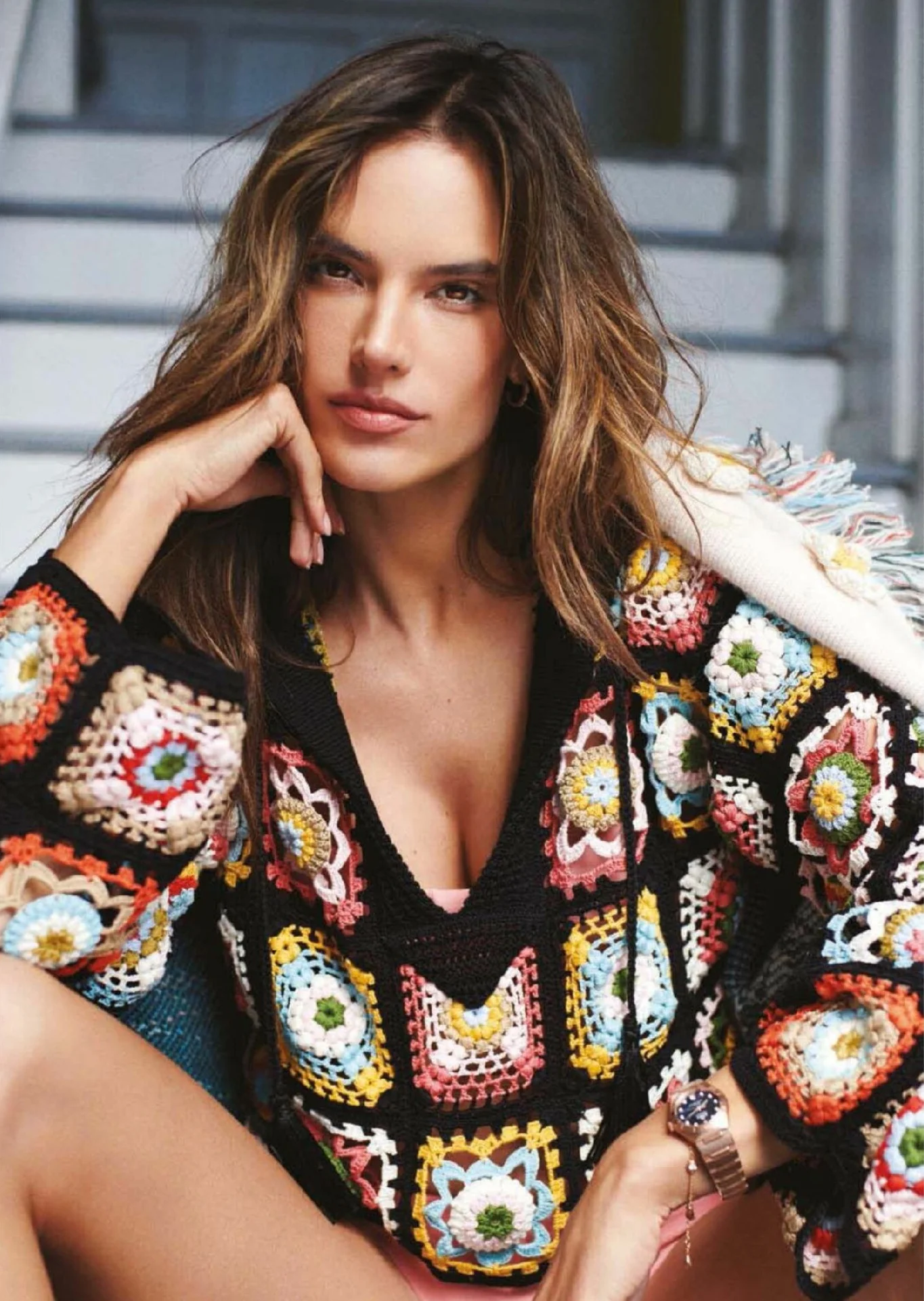
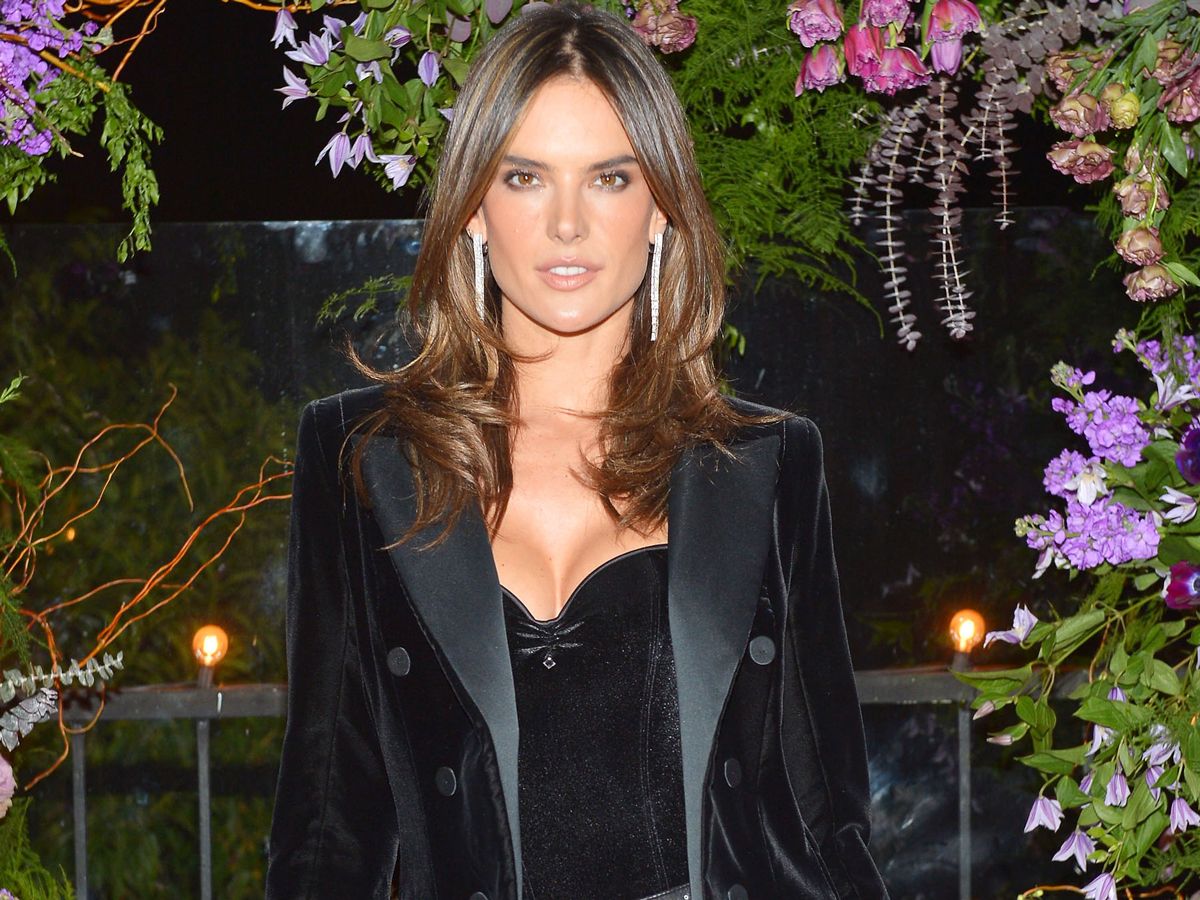
Alessandra Ambrosio is of mixed European descent, primarily identifying as Brazilian with significant Polish and Italian heritage. Born in Erechim, Rio Grande do Sul, her background reflects the historical immigration patterns of southern Brazil, where European settlers from Italy and Poland shaped the regional cultural and genetic landscape throughout the late 19th and early 20th centuries.
The Roots of a Global Icon: Alessandra Ambrosio’s Ancestry
To understand Alessandra Ambrosio’s ethnicity, one must look at the specific history of Rio Grande do Sul, the southernmost state of Brazil. Ambrosio’s ancestry is a blend of Polish and Italian roots, a combination that is characteristic of the demographic makeup of her hometown, Erechim. Her father, Luiz Ambrosio, is of Italian descent, while her mother, Lucilda Ambrosio, possesses Polish heritage.
The Italian influence in her background is particularly prominent in her surname. The name "Ambrosio" (often spelled Ambrósio in Portuguese) is of Italian origin, derived from the Latin Ambrosius, meaning "immortal." This reflects the massive wave of Italian immigration to Brazil that occurred between 1870 and 1920, during which millions of Italians settled in the southern and southeastern regions to work in agriculture and industry.
Her Polish heritage is equally significant. Brazil is home to one of the largest Polish diasporas in the world, with the majority concentrated in the states of Paraná and Rio Grande do Sul. The Polish settlers who arrived in the late 1800s were primarily farmers looking for land and a reprieve from the political instability in Europe. This dual heritage—combining the Mediterranean features often associated with Italian ancestry and the Central European traits associated with Polish roots—contributed to the unique aesthetic that eventually made her a staple in the international fashion industry.
Early Life in Erechim, Brazil
Alessandra Corine Ambrósio was born on April 11, 1981, in Erechim. To grasp her background, it is essential to understand the environment in which she was raised. Erechim, often referred to as the "Capital of Friendship," is a city designed with a layout inspired by Washington, D.C., and Paris, featuring wide avenues and a planned urban structure.
Growing up in a middle-class family, Alessandra’s early life was relatively removed from the high-fashion world of São Paulo or Rio de Janeiro. Her parents owned a gas station, and she spent much of her childhood engaged in local community activities. The cultural background of Erechim is heavily influenced by the "Gaúcho" culture—a term used for residents of Rio Grande do Sul—which emphasizes traditional values, a specific dialect of Portuguese influenced by Spanish and neighboring European languages, and a diet centered around churrasco (barbecue).
At the age of 12, Ambrosio began attending modeling classes. Interestingly, she was insecure about her appearance as a child, specifically her ears, and underwent cosmetic surgery to have them pinned back at a young age—a decision she has spoken about candidly in later years as a cautionary tale due to complications she experienced. This period of her life highlights the transition from a local girl in a European-influenced Brazilian town to a teenager determined to break into a competitive global industry.
The Genetic and Cultural Tapestry of Southern Brazil
The ethnicity of Alessandra Ambrosio is a microcosm of the "Melting Pot" that is Southern Brazil. Unlike the northern regions of Brazil, which have a more pronounced mix of Portuguese, Indigenous, and African heritage, the South (comprising the states of Paraná, Santa Catarina, and Rio Grande do Sul) received a disproportionately high number of immigrants from non-Portuguese European countries.
The Italian Contribution
The Italian-Brazilian identity is one of the strongest in the region. Many families still practice traditions brought from the Veneto and Lombardy regions. This influence is seen in the local cuisine (polenta and galeto) and the Catholic traditions that remain central to family life in Erechim. For Ambrosio, this heritage often translates to a strong sense of family loyalty and a Mediterranean aesthetic that brands like Dolce & Gabbana have frequently utilized.
The Polish Contribution
The Polish influence is often more subtle but equally foundational in the rural areas of Rio Grande do Sul. Polish-Brazilians have maintained their identity through religious festivals and architectural styles in certain "colonies" or settlements. In the context of Ambrosio’s career, her Polish side is often credited for her bone structure and height, traits that are highly sought after in high-fashion modeling.
Professional Journey: From Brazil to the Global Stage
Ambrosio's background played a pivotal role in her early career. In the late 1990s and early 2000s, the "Brazilian Wave" hit the fashion industry, led by Gisele Bündchen. Casting directors were specifically looking for the "Brazilian look"—which was often characterized by a mix of athletic builds, sun-kissed skin, and European facial features.
Her first major break came through the Elite Model Look contest in Brazil, which led to her first Dilson Stein discovery. Her background as a "Gaúcha" provided her with a cultural resilience and a work ethic that many industry insiders have noted. By the time she became a Victoria's Secret Angel in 2004, she was not just representing Brazil, but a specific sub-set of Brazilian identity that resonated with both European and American markets.
Throughout her tenure as an Angel (2004–2017), Ambrosio often served as a bridge between cultures. She was able to model high-end European couture with the same ease as commercial American swimwear. This versatility is a direct result of her multi-ethnic background, allowing her to fit various "archetypes" of beauty depending on the market.
Comparison of Notable Brazilian Model Heritages
The following table compares the ethnic backgrounds of some of Brazil's most famous supermodels, illustrating how varied the "Brazilian" identity truly is.
| Model | Primary Ethnic Background | Region of Origin | Notable Heritage Features |
|---|---|---|---|
| Alessandra Ambrosio | Polish and Italian | Rio Grande do Sul | Mediterranean/Central European mix |
| Gisele Bündchen | German | Rio Grande do Sul | Sixth-generation German-Brazilian |
| Adriana Lima | Portuguese, Swiss, African, Japanese, Indigenous | Bahia | Multi-racial/Pardo identity |
| Isabeli Fontana | Italian | Paraná | Significant Italian-Brazilian heritage |
| Lais Ribeiro | Portuguese and African | Piauí | Afro-Brazilian heritage |
The Impact of Her Background on Her Public Persona
Alessandra Ambrosio’s ethnicity and background have remained central to her brand, even as she transitioned into acting and entrepreneurship. She is a dual citizen of Brazil and the United States, yet she has consistently prioritized her Brazilian roots in her public life.
In 2019, she co-founded Gal Floripa, a lifestyle and swimwear brand. The name itself is a tribute to her background; "Gal" represents the feminine energy, and "Floripa" is the nickname for Florianópolis, the city in Brazil where she spends much of her time. The brand focuses on the "Brazilian lifestyle," which she defines as a balance between nature, family, and confidence.
Furthermore, her linguistic background is a testament to her heritage. While she is fluent in English, her native Portuguese carries the distinct accent of the South. She has often spoken about how her upbringing in a close-knit community in Erechim kept her grounded despite the pressures of international fame. Her background isn't just a list of ethnicities; it is a cultural framework that informs her business decisions and her parenting of her two children, Anja and Noah, whom she is raising to be bilingual and culturally connected to Brazil.
Genetic Diversity and the "Brazilian Bombshell" Label
The "Brazilian Bombshell" label often masks the incredible genetic diversity of the women it describes. For Ambrosio, her "ethnicity" is often simplified to "Latina" in American media, but this is technically a linguistic and geographic category rather than a racial or ethnic one. In Brazil, she would likely be classified as "Branca" (White), given her European ancestry. Understanding this distinction is crucial for a nuanced view of her background.
FAQ
What is Alessandra Ambrosio's nationality?
Alessandra Ambrosio is Brazilian. She was born and raised in Brazil and has represented the country on global platforms throughout her career. She also holds United States citizenship, making her a dual citizen.
Are Alessandra Ambrosio's parents still living in Brazil?
While Alessandra spends much of her time in California and Florianópolis, she maintains a very close relationship with her parents, Luiz and Lucilda. They have historically remained residents of Brazil, and she frequently visits them, especially during the Brazilian summer and holidays.
Does Alessandra Ambrosio speak Polish or Italian?
There is no public record of Alessandra Ambrosio speaking fluent Polish or Italian. Her primary language is Portuguese, and her professional language is English. Like many third or fourth-generation immigrants in Brazil, the ancestral languages are often lost in favor of Portuguese, though cultural traditions remain.
What is the specific ethnic mix of her hometown, Erechim?
Erechim is predominantly composed of descendants of European immigrants. According to historical census data, the population is largely of Italian, Polish, and German descent. This creates a unique cultural environment in the north of Rio Grande do Sul that differs significantly from the more Luso-Brazilian (Portuguese-Brazilian) areas of the country.
How did her background influence her work with Victoria's Secret?
Her background provided the "exotic yet familiar" aesthetic that Victoria's Secret sought during its peak. Her European features (from her Polish/Italian roots) paired with her Brazilian tan and athletic physique (from her upbringing in the South) made her the ideal "Angel" who could appeal to a diverse global audience.
Verifying Heritage Through Genealogical Research
For those interested in exploring backgrounds similar to Alessandra Ambrosio's, the process involves looking at the Brazilian National Archives and immigration records from the port of Santos or Rio de Janeiro.
Many families in southern Brazil can trace their lineage back to specific ships that arrived from Genoa (Italy) or various ports in what was then partitioned Poland. If you are researching celebrity backgrounds or your own family history in this region, focusing on the "Colônias" (colonies) established in the late 1800s is the most effective starting point. Organizations like the Italian Cultural Institute or Polish-Brazilian historical societies provide extensive databases for verifying these ancestral links.
Moving forward, Ambrosio continues to be a primary example of how ethnic heritage informs a global brand. As she enters newer phases of her career in 2026, her "Gaúcha" roots remain the foundation of her public identity, proving that her background is not just a historical fact, but a living part of her professional and personal narrative.