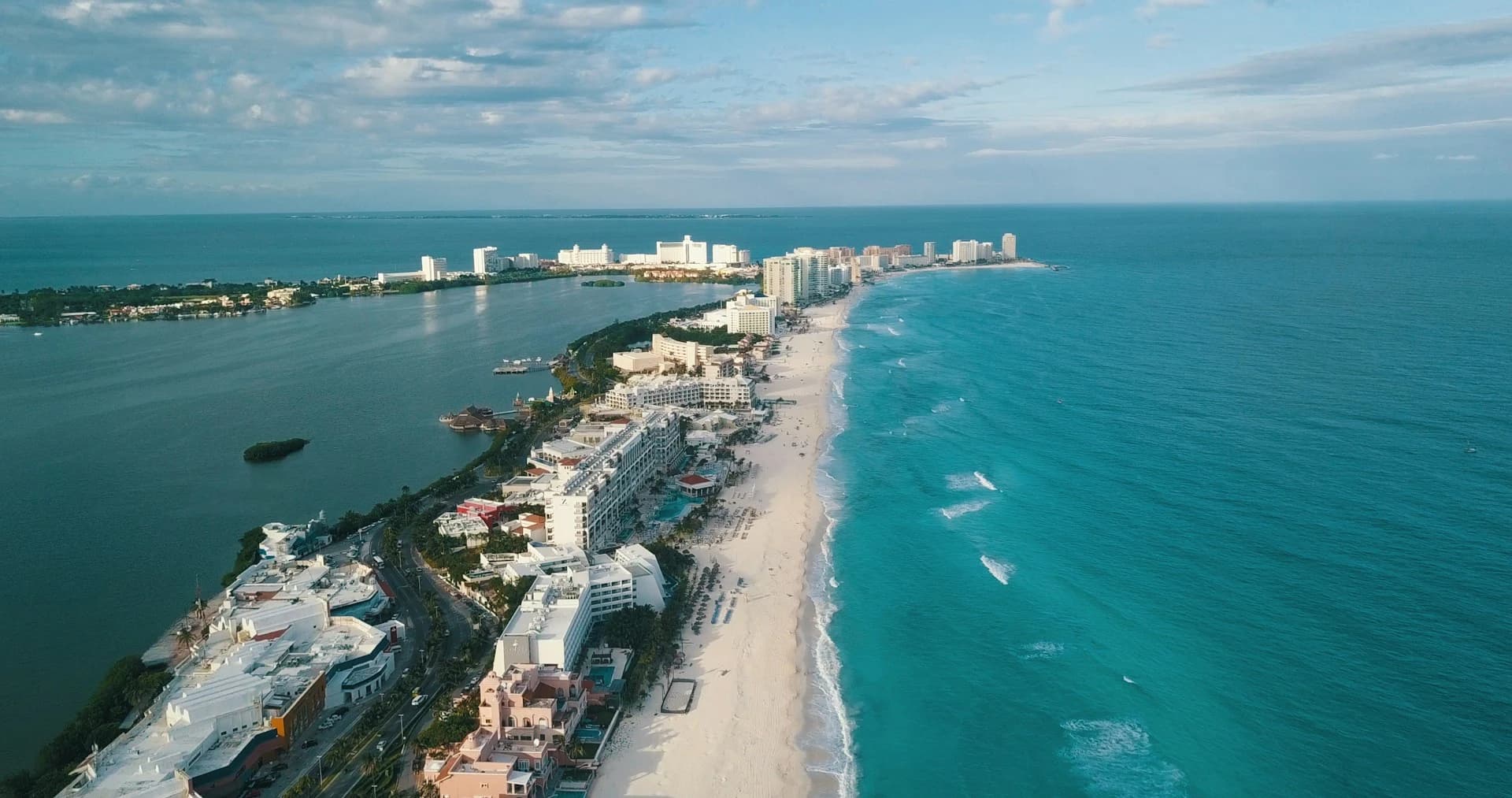
The "Alejandro" shark attack refers to a notable incident where a 38-year-old tourist was bitten by a shark off the coast of Cancun's Hotel Zone. While historically rare in Quintana Roo, this event—and the subsequent confusion with a 2023 incident involving Manuel Lopez Alejandro in Sonora—has significantly influenced modern safety protocols and tourism perceptions in Cancun as of 2026.
Identifying the "Alejandro" Incident: A Confluence of Events
To understand "what happened," it is necessary to distinguish between two specific events that have merged in the public consciousness. The primary reference for an "Alejandro" shark attack in Cancun dates back to an incident at the GR Solaris resort. In that case, a 38-year-old man named Alejandro was swimming approximately 20 meters from the shore when he was struck by a shark, sustaining severe injuries to his leg and arm.
However, in recent years, and leading into 2026, the name "Alejandro" has become synonymous with shark incidents in Mexico due to the widely publicized 2023 tragedy in Sonora. That event involved Manuel Lopez Alejandro, a diver who was killed by a Great White shark. The graphic nature of the Sonora incident led to a surge in search traffic for "Alejandro shark attack Mexico," which frequently gets misattributed to the high-traffic tourism hub of Cancun.
The Cancun Context (The 2011 Incident)
The attack on Alejandro in Cancun was one of the few high-profile incidents in the region's history. At the time, it triggered an immediate red flag across the Hotel Zone beaches. The victim survived, but the event highlighted the presence of Bull Sharks (Carcharhinus leucas), which are known to frequent the shallow, warm waters of the Mexican Caribbean during the winter months.
The Sonora Misattribution
The 2023 Manuel Lopez Alejandro incident occurred in the Gulf of California, far from the Caribbean coast. Because Cancun is the most recognizable Mexican destination, the "Alejandro" name often carries over in social media discussions, leading travelers to believe that Great White attacks are a frequent occurrence in Cancun. As of 2026, marine biologists emphasize that Great Whites are almost never found in Cancun’s tropical waters; the primary species of concern remains the Bull Shark.
Environmental Factors: Why Sharks Approach Cancun’s Coastline
Understanding why these encounters happen requires an analysis of the local ecosystem. Cancun is situated at the junction of the Gulf of Mexico and the Caribbean Sea, a region rich in biodiversity but also subject to significant human pressure.
Migration Patterns of Bull Sharks
Bull sharks are the most common species encountered near Cancun's shores. From November to March, pregnant females migrate to the shallow waters of Playa del Carmen and Cancun to give birth. This coincides with the peak winter tourism season. These sharks are unique in their ability to tolerate varying salinity levels, often bringing them closer to shore than other large predatory species.
Impact of Coastal Development and Overfishing
By 2026, research from organizations like the International Shark Attack File (ISAF) has pointed toward shifting environmental variables:
- Overfishing: A reduction in natural prey species in deeper waters may force sharks to scavenge or hunt closer to the coastline.
- Habitat Alteration: The construction of massive pier systems and artificial reefs can alter local currents, occasionally creating "chokepoints" where sharks and humans are more likely to interact.
- Water Temperature: Rising sea temperatures have been observed to influence the timing of migration, sometimes keeping sharks in the Cancun area longer than in previous decades.
The Economic and Perceptual Impact on Quintana Roo Tourism
The "meaning" of the Alejandro incident is most visible in how the Quintana Roo government and the Cancun Hotel Association have rebranded their approach to beach safety. For a city that relies on millions of visitors annually, the perception of "shark-infested waters" is an existential threat.
Following the surge in interest regarding shark incidents, the state government implemented the Blue Flag safety protocols more stringently. These protocols involve not just water quality, but active predator monitoring. In 2026, the tourism board utilizes "Risk Perception Management," where they provide transparent, real-time data to tourists to prevent the spread of misinformation that often follows name-specific searches like "Alejandro."
The economic impact is generally short-lived. Historically, shark attacks in Cancun result in a temporary dip in hotel bookings for approximately 3 to 6 months, followed by a full recovery as safety measures are publicized. However, for specialized industries like kite-surfing and paddleboarding, the Alejandro incident led to the mandatory use of electronic shark deterrents for sanctioned competitions.
Safety Measures and Official Protocols in 2026
If you are visiting Cancun in 2026, the landscape of beach safety has evolved significantly since the early 2010s and the 2023 Sonora event. The "Alejandro" incidents served as a catalyst for a more tech-integrated beach management system.
- Drone Surveillance: The "Shark-Watch" program now utilizes AI-equipped drones that patrol the shoreline of the Hotel Zone. these drones can distinguish between dolphins and sharks, alerting lifeguards via a centralized mobile app.
- Purple Flag Warnings: In addition to the standard Red (Danger) and Yellow (Caution) flags, Cancun beaches now use the Purple Flag specifically to denote the presence of "dangerous marine life." If a shark is sighted within 200 meters of the shore, the Purple Flag is raised, and the water is cleared for at least two hours.
- Acoustic Tagging: Local marine biology units have tagged over 50 resident Bull Sharks. Reciever buoys placed along the coast provide real-time alerts to authorities when a tagged shark enters high-traffic swimming zones.
Statistical Risk Assessment: How Safe is Cancun?
To put the Alejandro incident into perspective, it is helpful to compare Cancun's shark activity with other global tourism hotspots. Despite the viral nature of these attacks, the statistical probability of an encounter remains lower than in Florida, Australia, or South Africa.
| Region | Primary Species | Annual Average Attacks (2020-2025) | Safety Infrastructure Rating |
|---|---|---|---|
| Cancun, Mexico | Bull Shark | < 0.5 | High (Drone + Acoustic) |
| Volusia County, USA | Blacktip / Spinner | 15 - 20 | Moderate (Lifeguard) |
| New South Wales, AU | White / Bull / Tiger | 6 - 10 | High (Nets + Drones) |
| Recife, Brazil | Bull / Tiger | 2 - 3 | Moderate (Warning Signs) |
| Sonora, Mexico | Great White | < 1 (Diver-specific) | Low (Remote Area) |
Note: Data represents five-year averages as of 2026 reports from maritime safety agencies.
Practical Advice for 2026 Visitors
While the Alejandro attack is a tragic part of local history, it should not deter travelers from enjoying the Caribbean Sea. To minimize risk, follow these expert-vetted guidelines which have become standard practice in the region:
- Avoid Swimming at Dawn or Dusk: These are the primary feeding times for Bull Sharks. Low light conditions make it harder for sharks to distinguish between a human and their natural prey.
- Heed the Flags: Never ignore a Purple or Red flag. In 2026, the fines for entering the water during a closed-beach order have increased to discourage "viral" risk-taking.
- Remove Shiny Jewelry: Reflected light from watches or necklaces can mimic the shimmer of fish scales, attracting curious predators.
- Stay in Groups: Sharks are statistically more likely to approach a solitary swimmer than a group of people.
- Avoid River Mouths: While Cancun doesn't have many rivers, the areas near lagoons (like the Nichupté Lagoon outlets) can have murkier water where sharks prefer to hunt.
What to Do During a Sighting
If a shark is spotted while you are in the water, the official 2026 protocol is to remain calm and move toward the shore with smooth, rhythmic strokes. Avoid splashing or erratic movements, as these vibrations are picked up by the shark’s lateral line and can be interpreted as a distressed animal. Keep the shark in your field of vision and do not turn your back completely until you are in waist-deep water.
The Future of Coexistence in Quintana Roo
The Alejandro shark attack in Cancun changed the way the region views marine conservation and tourism safety. It moved the conversation away from "culling" and toward "monitoring." By 2026, the focus is on education. Many resorts now offer "Shark Awareness" seminars, teaching guests about the vital role sharks play in the reef ecosystem.
Ultimately, the Alejandro incident means that Cancun is now one of the most monitored beach destinations in the world. The integration of technology and public transparency ensures that while sharks will always exist in the ocean, the risk to the average tourist remains infinitesimal.
FAQ
Was the Alejandro who was attacked in Cancun the same person as the diver in Sonora?
No. Alejandro (the tourist in Cancun) survived a 2011 attack at the GR Solaris. Manuel Lopez Alejandro was a diver who was killed in a 2023 Great White attack in Sonora. The two are often confused due to the shared name and the country of occurrence.
Are there Great White sharks in Cancun?
As of 2026, there are no recorded Great White shark attacks in Cancun. The waters are generally too warm for Great Whites. The primary species in Cancun are Bull Sharks, Nurse Sharks, and Whale Sharks (the latter being harmless).
Is it safe to swim in the Cancun Hotel Zone right now?
Yes, it is considered safe. The implementation of drone surveillance and the Blue Flag program in 2026 provides a high level of security. Always check the flag color before entering the water.
Why did the Alejandro attack go viral?
The attack went viral due to the rarity of shark incidents in Cancun and the subsequent confusion with the 2023 Sonora decapitation incident. Social media algorithms often link the name "Alejandro" with "Mexico Shark Attack," regardless of the city or year.
Can I go shark diving in Cancun?
Yes, but 2026 regulations require all operators to be certified by SEMARNAT. You can dive with Bull Sharks (seasonal) or Whale Sharks (seasonal), with strict "no-touch" and "no-feed" policies in place to ensure safety.
Next Actions for Travelers
If you are planning a trip to Cancun, stay informed by checking the Quintana Roo Secretary of Tourism (SEDETUR) website for current beach statuses. Consider downloading local beach safety apps that provide real-time updates on water conditions and marine life sightings.