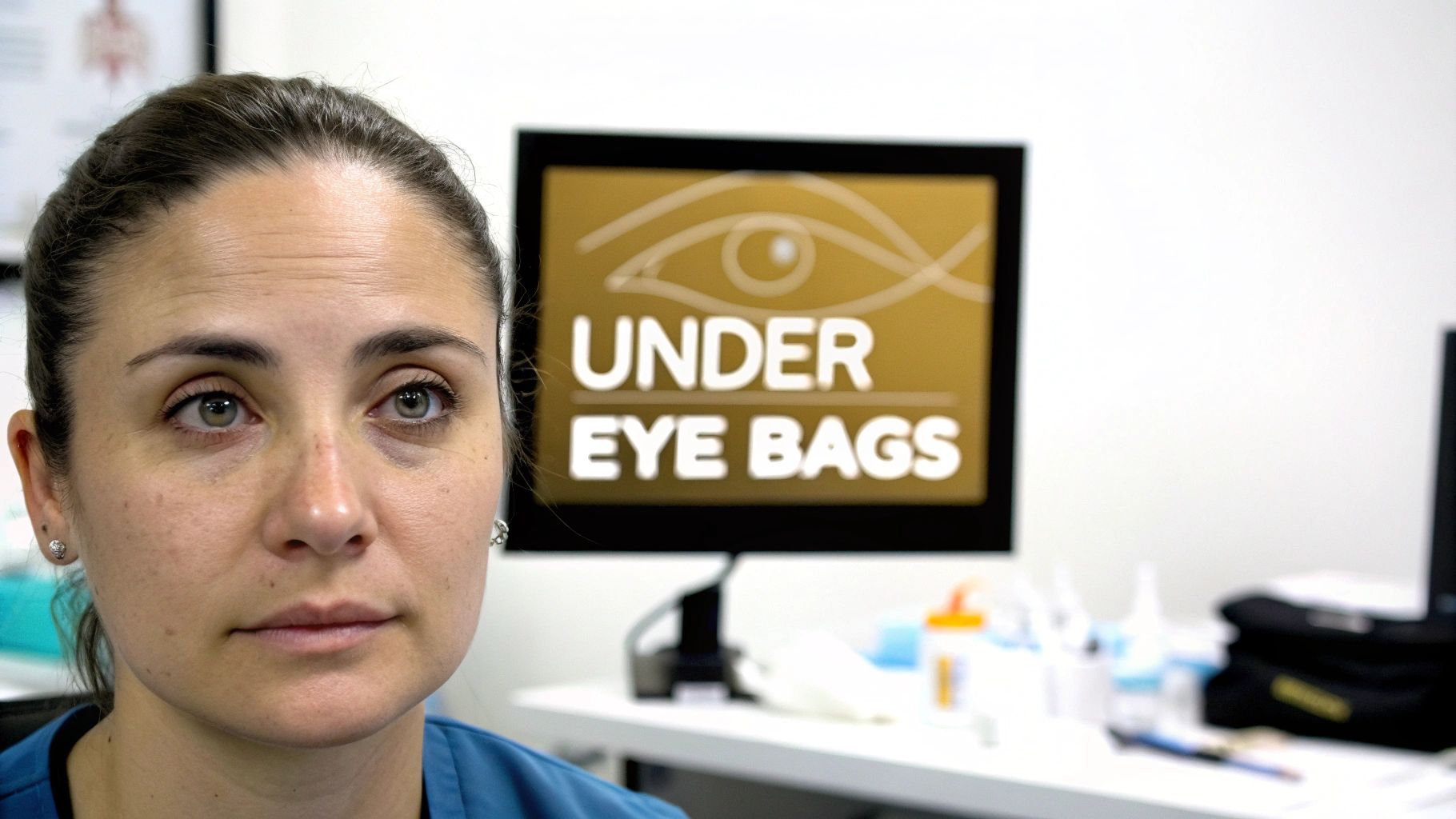
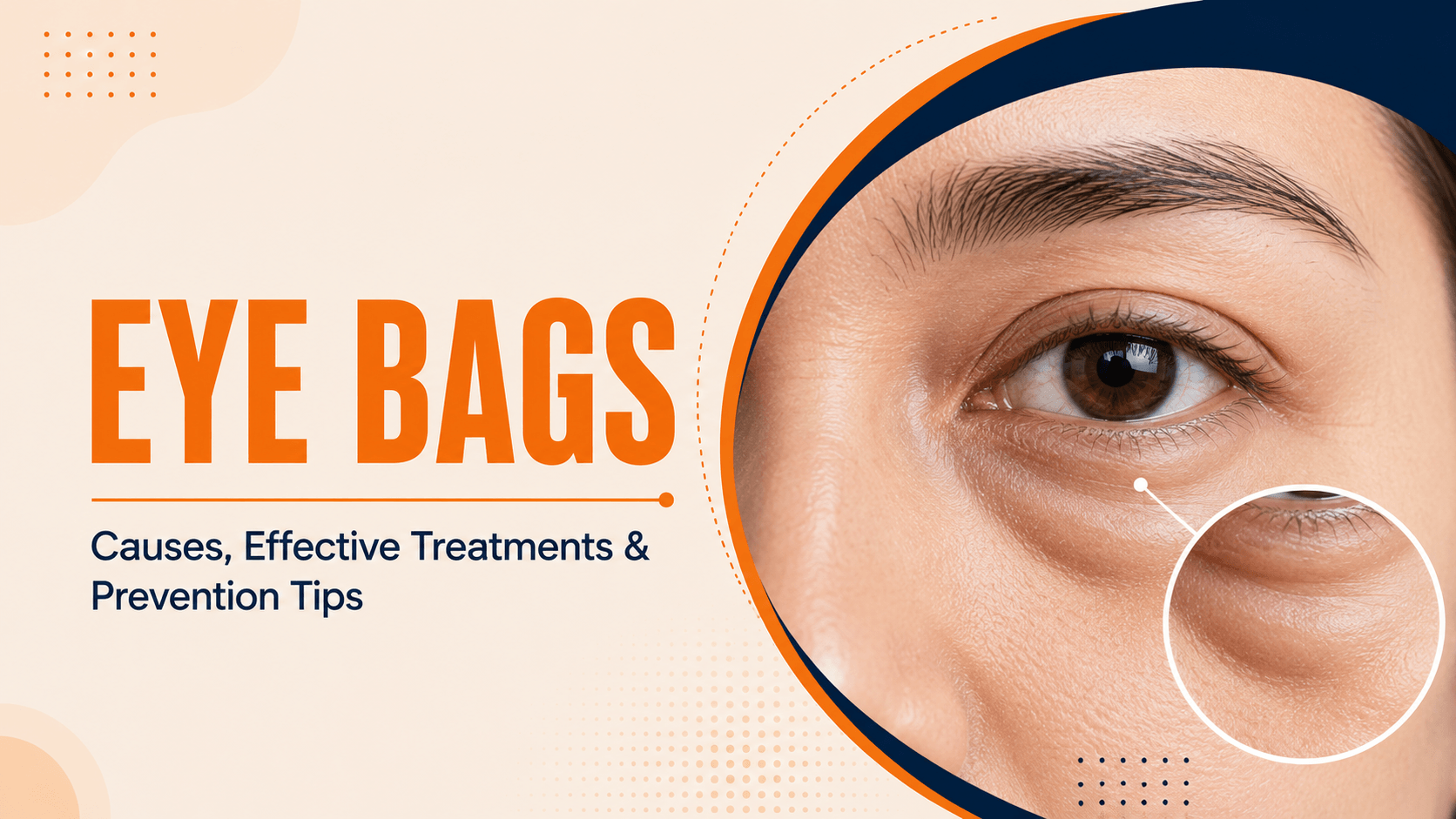
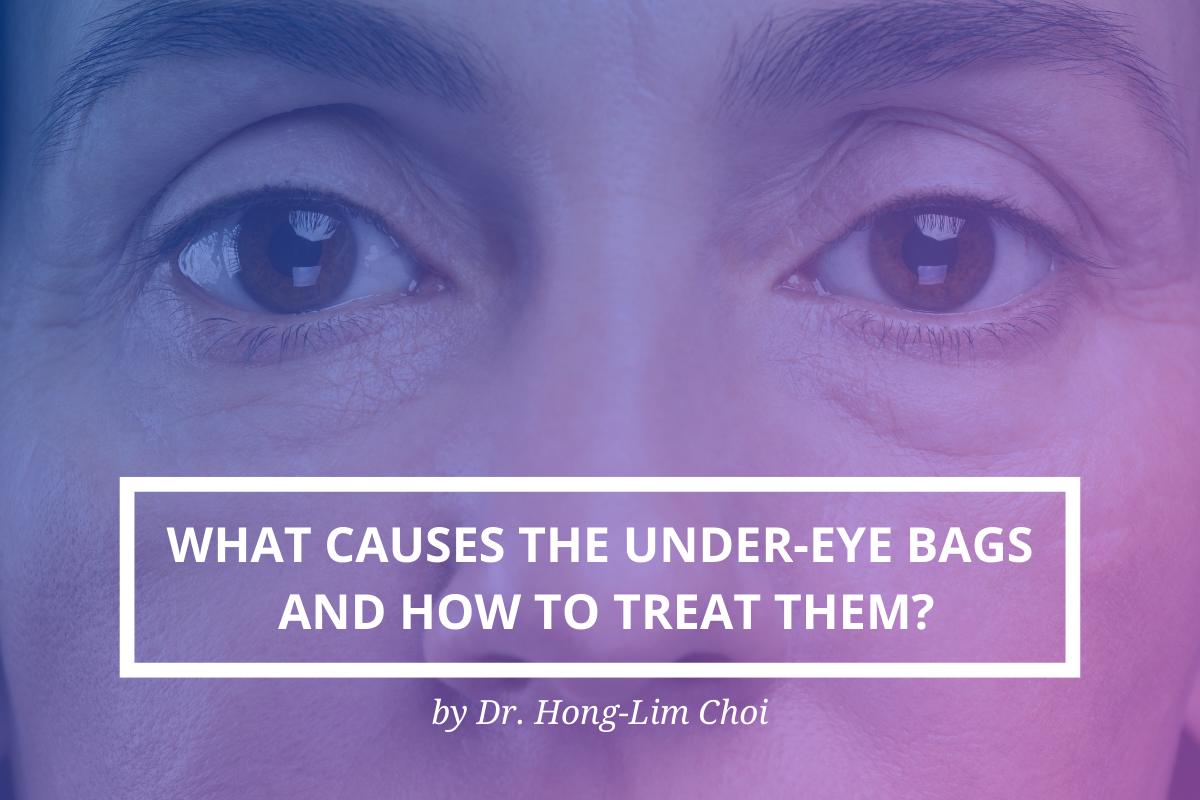
Under-eye bags are characterized by mild swelling or puffiness beneath the eyes, a common cosmetic concern often associated with aging, genetics, and lifestyle factors. While public figures like Alec Baldwin are frequently scrutinized under high-definition cameras, the visibility of eye bags is a physiological reality for many individuals. These manifestations typically result from the weakening of tissues supporting the eyelids, including the fat pads that normally reside in the orbit, leading to a protrusion that creates the appearance of a "bag."
The Biological Causes of Under-Eye Puffiness
The appearance of bags beneath the eyes is rarely the result of a single factor. Anatomically, the lower eyelid area is delicate; the skin here is among the thinnest on the human body. As individuals age, several structural changes occur that contribute to this phenomenon.
Primary among these is the natural atrophy of the orbicularis oculi muscle and the weakening of the orbital septum—the membrane that holds the orbital fat in place. As the septum loses its elasticity, the fat that normally cushions the eye begins to bulge forward. This is often compounded by the loss of collagen and elastin in the skin, which reduces the skin's ability to "snap back," leaving the area sagging and prone to fluid retention.
Genetics also play a significant role in determining how early and how prominently these bags appear. Some individuals inherit a predisposition for prominent fat pads or a lack of structural support in the periorbital region. Beyond biology, lifestyle and environmental stressors act as catalysts for inflammation. Sleep deprivation, high salt intake, and allergies can cause transient fluid retention, exacerbating the appearance of structural bags. Similarly, chronic exposure to ultraviolet radiation degrades collagen, accelerating the skin-thinning process that makes underlying fat pads more noticeable.
Differentiating Between Fluid Retention and Structural Fat
It is critical to distinguish between transient puffiness and true fat-pad prolapse, as the treatments for each differ significantly. Transient puffiness is often a response to localized edema—the accumulation of fluid. This type of swelling typically fluctuates throughout the day, often being most prominent in the morning after lying flat, as gravity causes fluid to pool in the lower eyelid area.
Structural bags, by contrast, remain relatively constant. If you find that your eye bags are present regardless of your sleep quality, hydration levels, or sodium intake, they are likely caused by the displacement of orbital fat or a loss of mid-cheek volume. The mid-cheek area—the junction between the lower eyelid and the cheek—often loses volume with age. As the cheek descends, the transition between the eye and the cheek becomes more pronounced, casting shadows that further emphasize the presence of the lower eyelid fat pads.
Non-Surgical Approaches to Reducing Eye Bags
For those looking to mitigate the appearance of eye bags without surgical intervention, there are several evidence-based strategies. These methods generally focus on improving lymphatic drainage, tightening the skin, and addressing underlying inflammation.
- Topical Treatments: Retinoids are a gold standard in dermatological care. By promoting collagen production and increasing cell turnover, consistent use of prescription-strength or over-the-counter retinol can improve skin thickness and firmness over time. However, these must be used cautiously near the eye to avoid irritation.
- Cold Therapy: Applying a cold compress or cooled gel masks can trigger vasoconstriction—the narrowing of blood vessels. This can help reduce fluid retention and acute inflammation in the morning.
- Lifestyle Modifications: Reducing sodium intake is perhaps the most effective way to prevent fluid-based puffiness. Salt promotes water retention throughout the body, including the delicate tissues under the eyes. Additionally, elevating the head while sleeping can prevent the gravity-induced pooling of fluids during the night.
- Allergy Management: Chronic allergies lead to persistent eye rubbing and inflammation of the nasal passages, both of which contribute to baggy, dark-circled eyes. Antihistamines, when recommended by a healthcare provider, can resolve the underlying inflammation.
Professional Aesthetic Interventions
When topical solutions and lifestyle adjustments prove insufficient, professional cosmetic procedures may be considered. These treatments are designed to address the specific structural deficiencies causing the bags.
| Treatment Type | Mechanism of Action | Typical Downtime |
|---|---|---|
| Dermal Fillers | Adds volume to the mid-cheek to smooth the tear trough transition | Minimal (1–2 days) |
| Chemical Peels | Resurfaces skin to improve texture and stimulate collagen | 5–10 days |
| Laser Resurfacing | Tightens skin via heat-induced collagen contraction | 7–14 days |
| Lower Blepharoplasty | Surgical removal or repositioning of excess fat pads | 2–4 weeks |
Dermal fillers, such as hyaluronic acid-based injectables, are frequently used to treat the "tear trough" deformity. By injecting filler into the hollow space between the lower eyelid and the cheek, a practitioner can create a smoother transition, effectively camouflaging the fat pad. This is a temporary solution, typically requiring maintenance every 9 to 18 months.
Surgical Intervention: Lower Blepharoplasty
Lower blepharoplasty is the most definitive solution for significant, structural eye bags. This surgical procedure involves making an incision either just below the lash line (subciliary) or inside the lower eyelid (transconjunctival).
Through these incisions, a surgeon can remove excess fat or redistribute it to fill the hollow areas of the cheek, known as the SOOF (sub-orbicularis oculi fat) layer. If the patient has significant skin laxity, the surgeon may also remove a small strip of excess skin to tighten the lower lid. While highly effective, it is an invasive procedure requiring a board-certified plastic surgeon or oculoplastic surgeon. Prospective patients must account for recovery time, potential bruising, and the inherent risks associated with any surgical procedure.
Managing Expectations and Next Actions
Before pursuing any treatment, it is essential to consult with a board-certified dermatologist or plastic surgeon. Because the area around the eyes is exceptionally delicate, diagnostic accuracy is the priority. A professional can determine if your concerns are primarily skin-related, fluid-based, or fat-related.
If you are considering professional help, start by scheduling a consultation. During this visit, be prepared to discuss your medical history, any chronic conditions that cause inflammation, and your long-term goals. Ask the provider about the specific risks of the suggested procedure and request to see before-and-after photos of similar cases. Avoid "quick fix" products marketed on social media, as many lack clinical evidence and can cause contact dermatitis, which only increases the inflammation you are trying to treat.