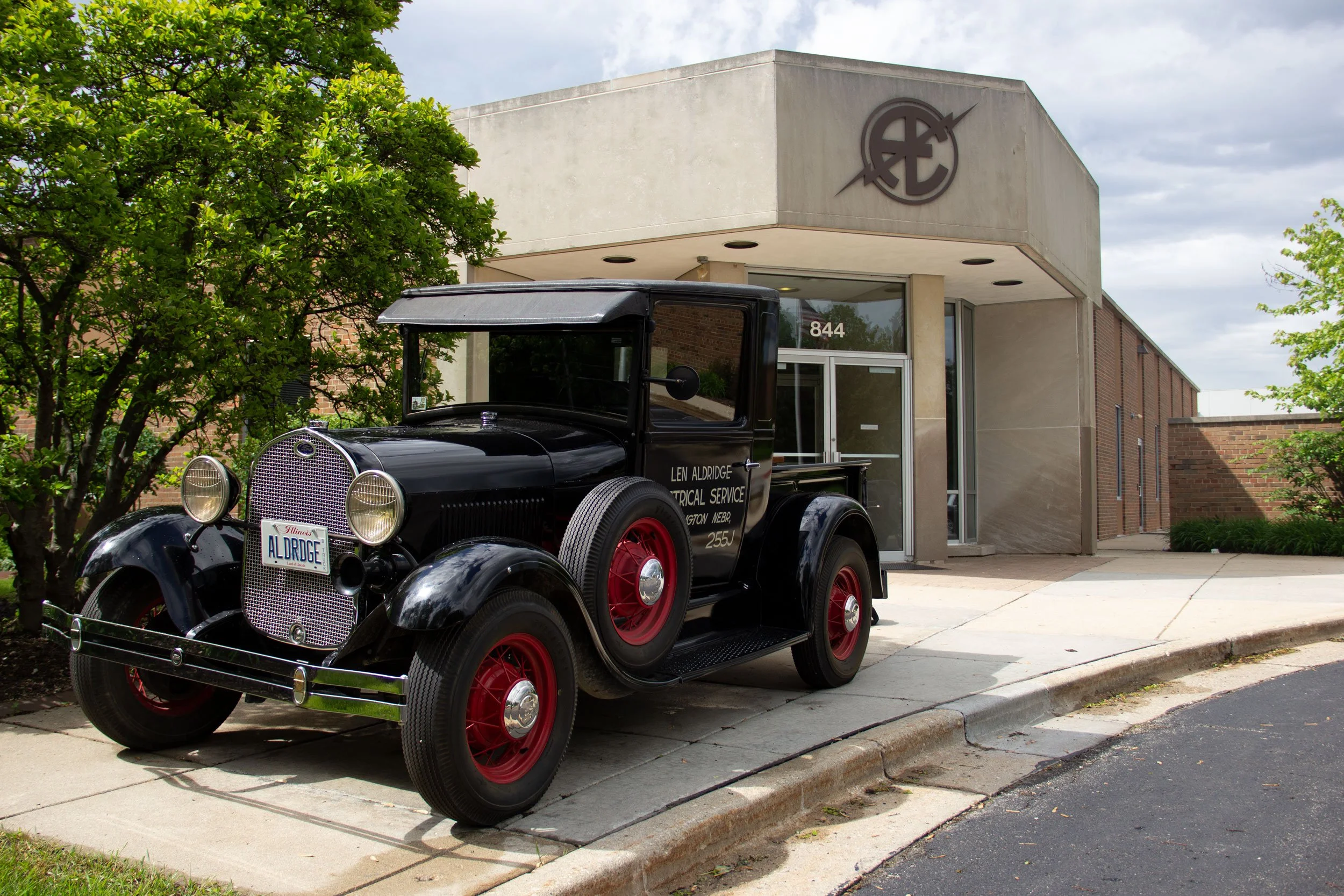
The Aldridge family is a surname-based lineage with deep roots, particularly notable in both historical American genealogy and the British Isles. Primarily associated with English origins, the family name has evolved over centuries through migration, distinct regional branches, and notable individual contributions to law, medicine, and the arts. Researching this family requires a methodical approach to genealogical records, census data, and archival documentation.
Historical Origins and Etymology
The surname "Aldridge" is primarily of locational and occupational origin, derived from the Old English words "alder" (the tree) and "ridge" (a raised track or mountain crest). Historically, the name referred to someone living near an alder-covered ridge. In the context of British history, the earliest records of the name appear in counties such as Staffordshire and Worcestershire. As the population shifted during the medieval period, the name became more geographically dispersed across the English Midlands.
The evolution of the spelling—ranging from Alridge to Aldridg—often reflected the regional dialects of the time and the inconsistencies in record-keeping during the Middle Ages. For modern researchers, understanding these phonetic variations is essential, as census takers and church clerks often documented the name based on how it sounded rather than a standardized spelling. This requires a flexible approach when reviewing parish registers or manorial rolls from the 17th and 18th centuries.
Migration Patterns and Geographical Distribution
Significant expansion of the Aldridge name occurred during the 17th and 18th centuries, coinciding with European migration to the American colonies. Many individuals carrying the surname settled in Virginia and Maryland, where land grants and agricultural opportunities provided a stable foundation for establishing multi-generational families. The movement westward across the United States in the 19th century further fragmented these local branches, often leading to the formation of distinct, localized lineages.
In North America, genealogical records from the Revolutionary War and subsequent westward expansion highlight how the family integrated into various sectors of society. By the mid-19th century, records indicate that branches of the family had established themselves as landowners, tradespeople, and educators. Distinguishing between these lines today often necessitates a reliance on DNA testing in conjunction with traditional paper trails, as common naming conventions—such as the repetition of specific first names across generations—can complicate the identification of individual ancestors.
Methodological Approach to Genealogical Research
Tracing a specific lineage within the Aldridge family requires a structured investigation of primary sources. The following table outlines the most reliable data points and their utility in building a coherent ancestral narrative.
| Source Type | Primary Utility | Limitations |
|---|---|---|
| Parish Registers | Identifying birth, marriage, and death dates | Frequently illegible or missing for certain years |
| Census Records | Tracking movement and household composition | Often contains inaccuracies provided by respondents |
| Land Deeds | Verifying property ownership and economic status | Does not always reflect kinship or residency |
| Military Records | Establishing location and vital timeline markers | Limited mostly to heads of household or males |
| Probate Records | Identifying heirs and distribution of assets | Requires physical access to local archives |
When initiating a project, it is recommended to begin with the most recent, verified ancestor and work backward chronologically. Attempting to link to prominent historical figures prematurely often leads to "ancestral drift," where individuals assume a connection based solely on a shared surname rather than documented evidence.
Navigating Genealogical Archives and Databases
For those in 2026, the proliferation of digitized archives has significantly reduced the time required to locate foundational documents. National archives in the United Kingdom and the United States have prioritized the digitization of census data and birth registries. However, the sheer volume of data can be overwhelming. The key to successful research is the verification of every link in the chain against at least two independent sources.
If your research reaches a point of ambiguity—such as a common name appearing in multiple regions simultaneously—focus on "collateral research." This involves studying the siblings, neighbors, and business associates of the target ancestor. Because families often traveled in groups or settled in established communities, the records of neighbors or in-laws often provide the missing link that confirms a specific branch of the family.
Common Challenges in Surname Research
One of the most frequent challenges when documenting the Aldridge family is the prevalence of "ghost links." These occur when researchers infer a relationship based on geographical proximity without verifying baptismal or probate documentation. In the 18th and 19th centuries, it was common for multiple families with the same surname to reside in the same county, having no direct blood relation.
Furthermore, historical events such as courthouse fires or the destruction of administrative records during wars can create "dead ends." In these instances, indirect evidence becomes the most valuable tool. Tax records, school registers, and local newspaper archives can often fill gaps where official vital statistics have been lost. Always maintain a research log to track which databases have been searched, preventing redundant efforts and allowing for a clear audit of your progress.
Professional Ethics and Privacy
When conducting research into the Aldridge family, it is imperative to respect the privacy of living individuals. While historical data is public, the gathering of information on distant, living cousins should be handled with discretion. If your research involves the collection of family stories or private photographs, ensure that you have the consent of the contributors. In professional genealogy, the standard practice is to omit detailed information regarding living persons from public trees to prevent identity-related risks.
Next Steps for Continued Research
To advance your understanding of a specific branch of the Aldridge family, identify the earliest confirmed ancestor in your tree. Once identified, search the specific county records for that region to locate probate filings or land transfers. If you are struggling with a specific generation, consider joining a local genealogical society where members may have access to unindexed, regional manuscripts that are not available in major online databases. Consistent, documented research is the only way to ensure the long-term accuracy of your family history.
Frequently Asked Questions
How do I distinguish between different Aldridge branches with the same names?
The most effective way to separate branches is to focus on collateral lines. Researching the siblings and marriage partners of your ancestors often provides contextual clues, such as maiden names or specific town-land associations, which are unique to specific family units.
Can DNA testing confirm my connection to a specific historical figure?
DNA testing can identify common ancestors shared with other researchers, but it cannot confirm a "lineage" to a famous historical figure on its own. It should be used as a tool to support, not replace, a documented paper trail.
Are there specific regions in the UK most associated with the name?
The name has historically high concentrations in the English Midlands, particularly in Staffordshire and Worcestershire. Records from these areas are the most likely to contain the deepest ancestral roots.
What should I do if my research hits a brick wall in the mid-1800s?
Look toward probate and land records rather than just vital statistics. Tax lists and "fee books" kept by local justices of the peace can provide evidence of residency and economic activity when church or civil records are missing.
Is the name Aldridge exclusively English in origin?
While the etymology is primarily Old English, the name has been adopted and adapted across various cultures through immigration. It is vital to investigate the specific migration history of your ancestors to determine if the name was an anglicization of a foreign surname.