Food safety alerts require immediate attention, especially when they involve staple grocery items found in family freezers. Understanding the aldi frozen meatball recall what you need to know involves identifying affected product batches, recognizing potential contamination risks, knowing how to verify purchases, and following the correct procedures for returns or disposal.
Navigating food recalls efficiently protects household health and ensures consumers receive proper refunds. Whether a recall stems from undeclared allergens, foreign object contamination, or pathogen presence like Salmonella or Listeria, staying informed about specific UPC codes, establishment numbers, and lot codes is vital. This guide details the necessary background, identification steps, safety measures, and actionable paths forward for anyone who may have purchased recalled frozen meatballs from Aldi.
Background and Context of Commercial Food Recalls
Food safety regulations in the United States and international markets rely on rigorous monitoring by agencies such as the United States Department of Agriculture's Food Safety and Inspection Service (USDA-FSIS) and the Food and Drug Administration (FDA). When processing facilities discover anomalies—ranging from equipment failures that introduce foreign materials to routine microbiological testing that flags biological hazards—manufacturers issue voluntary recalls in coordination with federal regulators.
For private-label grocery chains like Aldi, products are sourced from various third-party contract manufacturers. If a manufacturing partner encounters a safety breakdown, the resulting recall typically encompasses all affected batches distributed across multiple retail regions. Consumers frequently encounter these notices days or weeks after purchase, making it essential to understand how supply chain transparency and regulatory tracking function in practice.
Monitoring public health announcements helps shoppers identify potential risks before consumption. Regulatory bodies publish detailed notices containing establishment numbers—usually stamped inside the USDA inspection mark—which verify the exact plant where the meat product was processed. Recognizing these identifiers allows shoppers to cross-reference their kitchen inventories with official government advisories.
Identifying Affected Products and Batch Codes
The most critical step in managing any food safety alert is accurately identifying whether an item in your possession is part of the recall. Recalls rarely affect an entire product category indefinitely; instead, they target specific production dates, use-by windows, lot numbers, and establishment identifiers.
When evaluating frozen meat-based convenience items like meatballs, packaging details matter significantly. Shoppers must inspect the outer cardboard carton or plastic bag for specific markers. Key identifying features include:
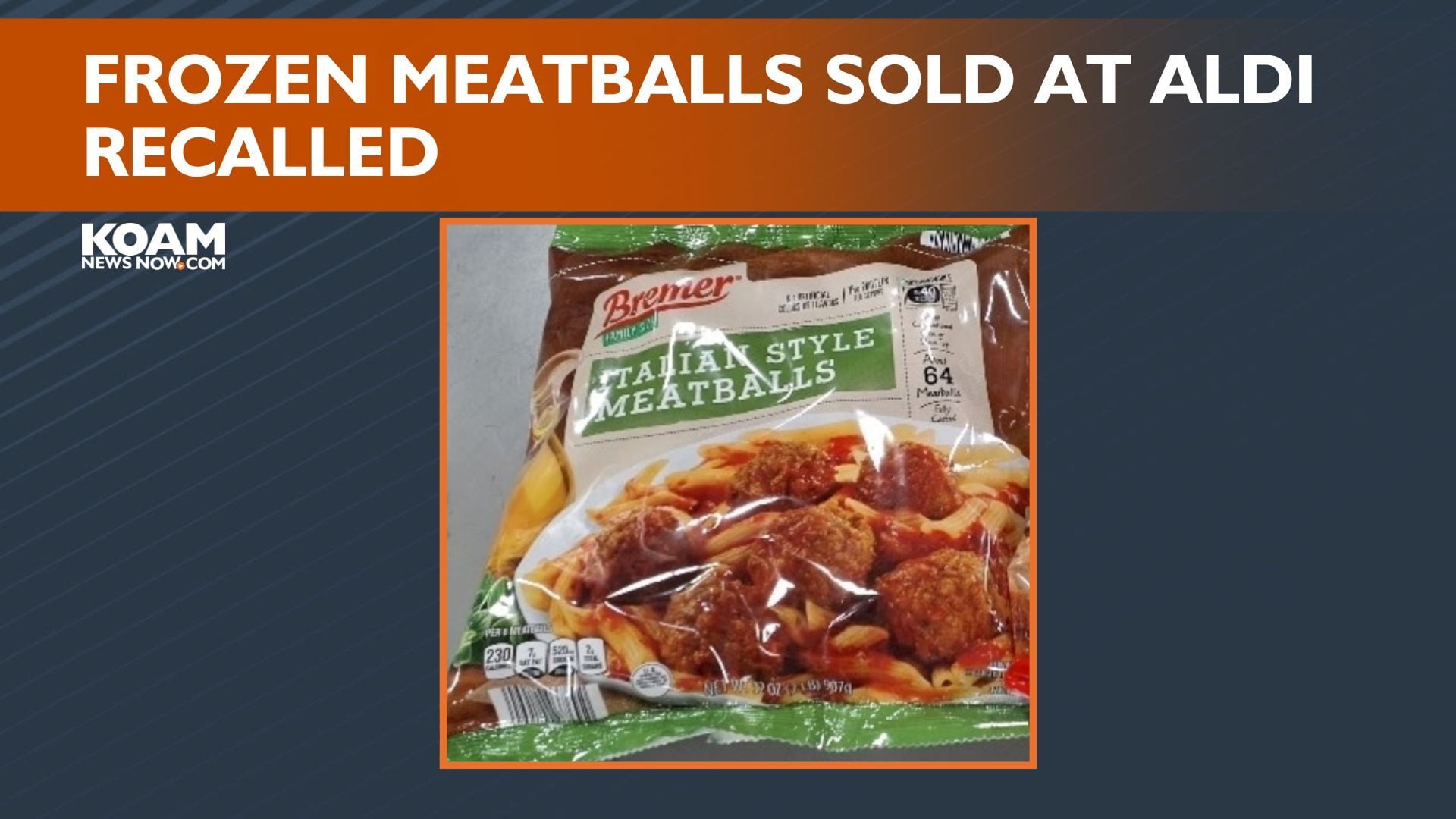
- Brand Names: Private-label brands sold at Aldi, such as Fusia, Kirkwood, or Bremer (depending on the specific product line and historical recall events), may be listed in official notices.
- Establishment Numbers: Look for a USDA mark of inspection containing a specific establishment number, such as "EST. [Number]," printed inside the oval border on the package.
- Lot and Batch Codes: Stamped ink jets on the side or bottom of the packaging indicate the exact shift, day, and facility of production.
- UPC Barcodes: The unique 12-digit Universal Product Code found on the back of the package serves as a definitive scanning identifier for grocery inventory systems.
Failing to verify these specific data points can lead to unnecessary waste of safe food or, conversely, the retention of hazardous items. Consumers should never rely solely on the product name or visual appearance, as contaminated foods typically look, smell, and taste entirely normal.
Potential Health Risks and Contamination Concerns
Frozen meat products undergo strict cooking and freezing protocols designed to eliminate harmful pathogens. However, post-processing contamination or inadequate thermal processing can introduce significant health hazards. Depending on the specific nature of a recall, hazards generally fall into two categories: biological pathogens and physical foreign materials.
Biological risks frequently associated with meat products include bacterial strains such as Salmonella, Listeria monocytogenes, or Escherichia coli (E. coli). Consuming foods contaminated with these pathogens can lead to foodborne illness, characterized by symptoms such as abdominal cramps, fever, diarrhea, nausea, and vomiting. Vulnerable populations—including young children, pregnant individuals, older adults, and those with compromised immune systems—face heightened risks of severe, life-threatening complications.
| Hazard Type | Common Source / Cause | Typical Health Impacts | Primary Prevention Method |
|---|---|---|---|
| Biological Pathogens (Salmonella, Listeria) | Inadequate cooking, post-process environmental contamination, raw-to-cooked cross-contamination | Gastrointestinal distress, fever, systemic infection in vulnerable individuals | Thorough internal temperature cooking, adherence to recall notices |
| Physical Contaminants (Metal, Plastic, Glass) | Equipment breakdown, machinery wear, packaging line failures | Dental damage, internal lacerations, choking hazards | Visual inspection, returning suspected batches without consumption |
Physical hazards, though less common, occur when machinery fragments—such as metal shavings, hard plastic pieces, or glass shards—inadvertently enter the food mixture during industrial processing. Ingesting these materials can cause immediate physical injury to the digestive tract. Recognizing these distinct risk categories helps consumers weigh the importance of checking their freezers immediately upon hearing an alert.
Step-by-Step Verification and Consumer Action Plan
When a food recall hits the news cycle, structured action prevents panic while ensuring complete household safety. Home cooks should execute a systematic review of their food storage spaces using a clear protocol.
- Check Official Announcements: Review notices directly from the USDA-FSIS recall portal or official Aldi corporate announcements to confirm exact product names, sizes, and package descriptions.
- Inspect Freezer Inventory: Open your freezer and examine all packages of frozen meatballs or similar poultry and beef products purchased within the relevant timeframe.
- Examine Package Labels: Locate the UPC barcode, lot number, and USDA establishment number. Compare these figures meticulously against the published recall parameters.
- Isolate Suspected Items: If a product matches the recall criteria, immediately remove it from food preparation areas to avoid accidental cross-contamination with other foods or kitchen surfaces.
- Choose Disposal or Return: Decide whether to discard the product securely or pack it for an in-store return.
Maintaining this methodical approach ensures that no potentially hazardous items remain accessible in household meal preparation routines.
Return Policies, Refunds, and Consumer Protections
Grocery retailers operate under established consumer protection frameworks that facilitate the return or refund of recalled merchandise. Aldi maintains a consumer satisfaction policy that generally simplifies this process, even for items that have been opened or partially consumed.
To secure a full refund for a recalled frozen meat product, consumers do not necessarily need to bring the entire physical package back to the store, though policies can vary by location and local health department guidelines. In many instances, bringing the receipt or simply showing the product packaging displaying the affected UPC and lot code to an Aldi store manager is sufficient to process a full refund.
For safety reasons, if handling an opened package of a biologically contaminated product, consumers should seal the item securely in a disposable bag before transport, or dispose of it entirely in a sealed outdoor trash receptacle if local municipal guidelines permit. Retailers and public health agencies prioritize safety over retaining physical evidence, meaning consumer wellbeing always supersedes the requirement for a physical return to secure monetary compensation.
FAQ
What should I do if I already ate some of the recalled meatballs?
If you consumed recalled meatballs and feel healthy, monitor your health for symptoms associated with foodborne illness, such as fever, abdominal cramps, or diarrhea, over the typical incubation period. If symptoms develop, contact a healthcare provider immediately and inform them of potential exposure to a recalled food product.
Are all Aldi frozen meatballs affected by a recall?
No. Recalls are strictly limited to specific production lots, specific expiration or best-by dates, and particular manufacturing establishment numbers. Products outside those specified parameters remain safe for consumption.
Do I need a receipt to get a refund at Aldi for recalled items?
Aldi typically honors its refund policies for recalled merchandise even without an original receipt, provided the product packaging or clear identification details confirm it is part of the recalled batch. Local store management maintains discretion regarding specific refund transactions.
How can I stay informed about future food recalls?
Consumers can sign up for email notification alerts directly through the United States Department of Agriculture Food Safety and Inspection Service (USDA-FSIS) website or monitor announcements via the U.S. Food and Drug Administration (FDA) recaps and major consumer safety news platforms.
Can I cook the meatballs thoroughly to kill bacteria instead of throwing them away?
No. Federal food safety authorities strongly advise against attempting to cook or sanitize recalled food products. Contaminated items should never be consumed, as certain toxins or bacterial loads may not be fully neutralized, and handling the raw product increases the risk of cross-contaminating your kitchen environment.
Secure Your Kitchen and Verify Purchases Today
Reviewing your household freezer inventory against official recall lists is the most effective way to neutralize potential food safety threats. Check your packaging labels, cross-reference establishment and lot numbers with current USDA bulletins, and return any matching products to your local Aldi store for a full refund. Taking these quick, deliberate steps safeguards your household and ensures peace of mind at the dinner table.