Alcohol safety involves adopting evidence-based consumption limits, understanding individual physiological responses, recognizing legal thresholds for impairment, and implementing harm-reduction strategies to minimize acute and chronic health risks. Navigating this subject requires balancing public health standards with personal accountability across various social and operational environments.
Understanding Blood Alcohol Concentration and Physiological Processing
Blood Alcohol Concentration (BAC) serves as the primary scientific measure of alcohol intoxication, representing the mass of ethanol contained in a specific volume of blood. Typically expressed as a percentage—such as 0.08 grams of alcohol per deciliter of blood—BAC dictates how significantly an individual's motor skills, cognitive functions, and reaction times are impaired. The human body metabolizes alcohol primarily through the liver via the enzyme alcohol dehydrogenase, which converts ethanol into acetaldehyde, a toxic intermediate compound, before further breaking it down into harmless acetate and water.
This metabolic process occurs at a relatively constant rate, averaging roughly one standard drink per hour for a healthy adult, though this rate varies considerably based on biological sex, body mass, genetic variations in liver enzymes, and overall metabolic health. Because the liver can process only a finite amount of ethanol within a given timeframe, consuming multiple drinks rapidly leads to an accumulation of alcohol in the bloodstream, sharply escalating BAC levels. Factors such as stomach contents significantly alter this timeline; consuming food—particularly meals rich in proteins and fats—slows gastric emptying and delays the absorption of alcohol into the small intestine, resulting in a more gradual peak BAC. Conversely, carbonated alcoholic beverages can accelerate absorption rates, leading to faster impairment than non-carbonated equivalents containing identical volumes of ethanol.
Standard Drink Measurements and Public Health Guidelines
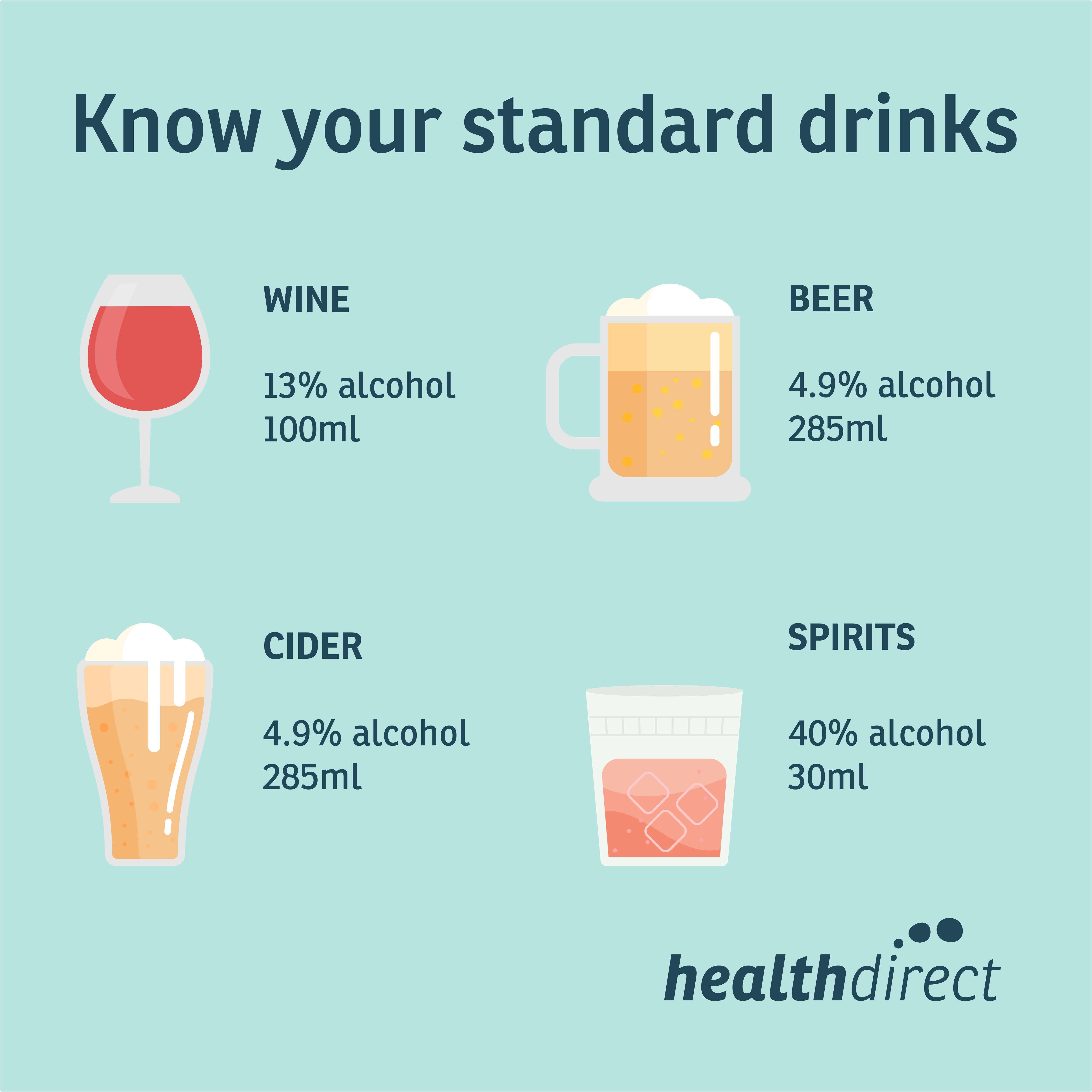
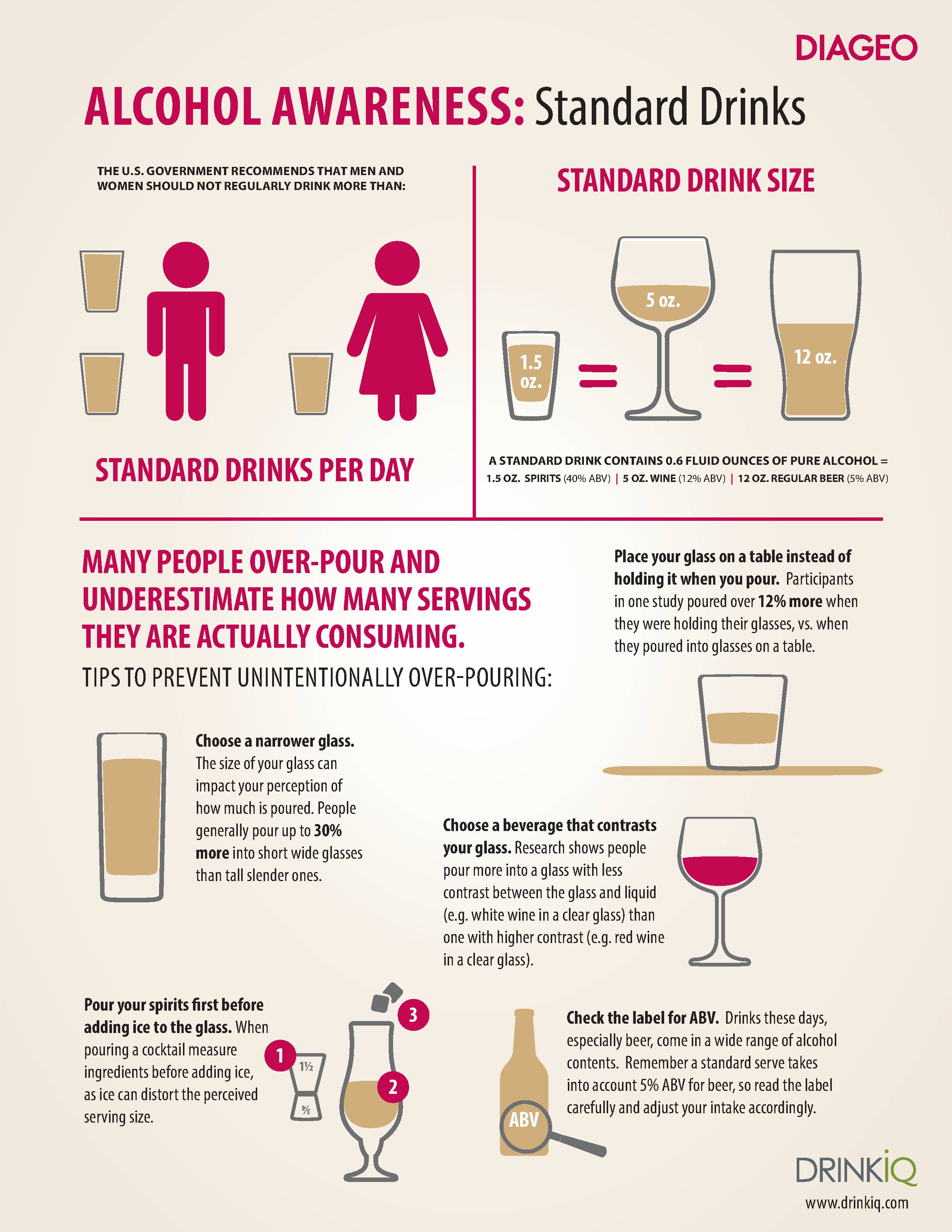
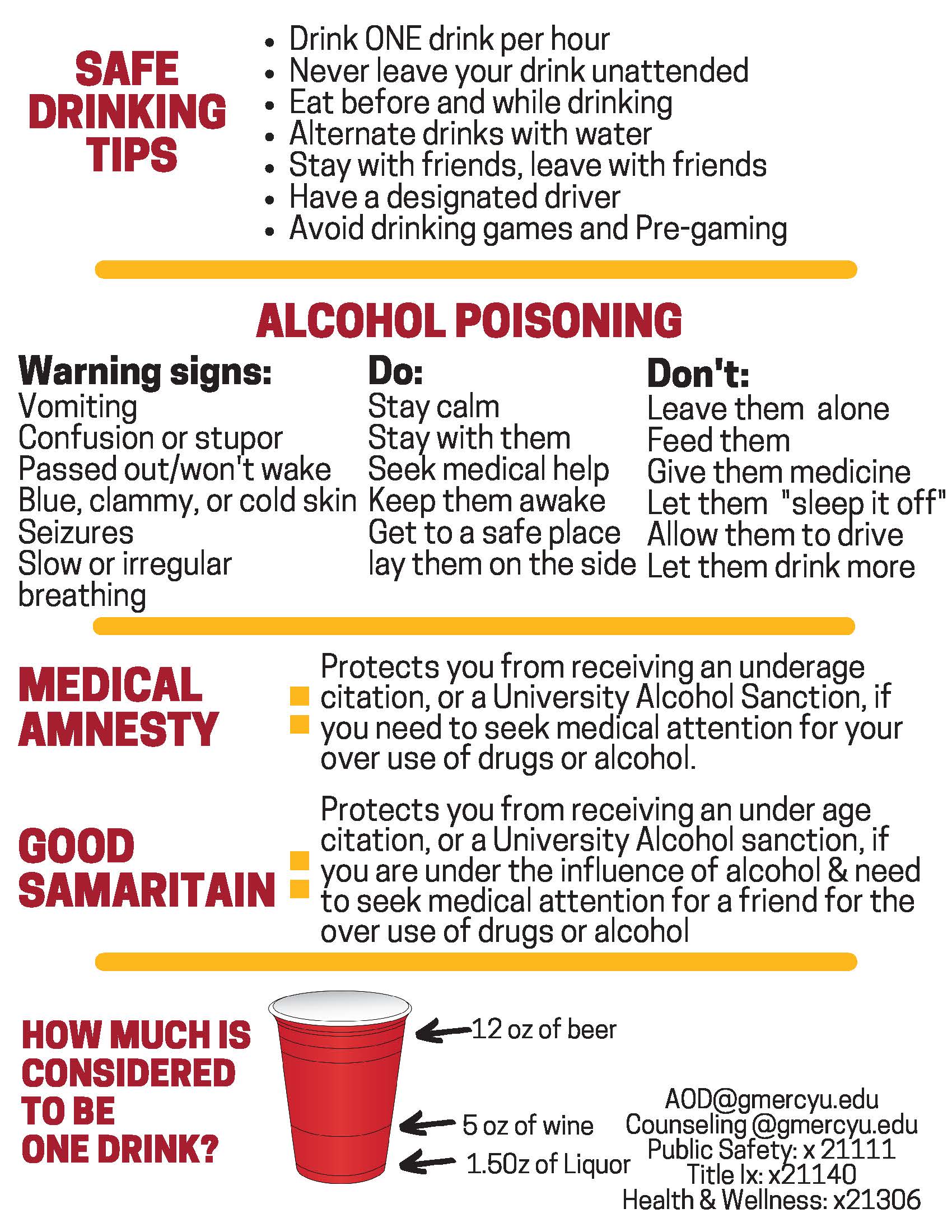
Accurate tracking of alcohol consumption requires a standardized definition of what constitutes a "standard drink," which varies by jurisdiction but generally reflects a specific mass of pure ethanol. In the United States, a standard drink contains approximately 14 grams (0.6 fluid ounces) of pure alcohol, which translates to roughly 12 ounces of regular beer (around 5% alcohol by volume), 5 ounces of wine (around 12% alcohol by volume), or 1.5 ounces of 80-proof distilled spirits (around 40% alcohol by volume). Public health frameworks, such as those established by the Dietary Guidelines for Americans and supported by organizations like the Centers for Disease Control and Prevention (CDC), provide specific benchmarks for low-risk consumption. These guidelines advise adult men to limit consumption to two standard drinks or less per day, and adult women to one standard drink or less per day, on days when alcohol is consumed.
Adhering to these thresholds does not eliminate risk entirely, but it minimizes the likelihood of developing long-term health complications such as cardiovascular disease, hepatic steatosis, and certain malignancies. Furthermore, public health advisories explicitly identify scenarios where complete abstinence is the only safe approach, including pregnancy, attempting to operate machinery or vehicles, managing specific medical conditions, or taking medications that interact adversely with central nervous system depressants.
| Beverage Type | Typical Volume per Standard Drink | Approximate Alcohol by Volume (ABV) | Pure Ethanol Content |
|---|---|---|---|
| Regular Beer | 12 fl oz (355 ml) | 5.0% | 14 grams (0.6 oz) |
| Malt Liquor | 8 fl oz (237 ml) | 7.0% | 14 grams (0.6 oz) |
| Table Wine | 5 fl oz (148 ml) | 12.0% | 14 grams (0.6 oz) |
| Distilled Spirits (80-proof) | 1.5 fl oz (44 ml) | 40.0% | 14 grams (0.6 oz) |
Recognizing Acute Toxicity and Emergency Intervention
Acute alcohol poisoning represents a medical emergency that occurs when high volumes of ethanol saturate the bloodstream, overwhelming the central nervous system and depressing autonomic functions that control breathing, heart rate, and temperature regulation. Identifying the warning signs of alcohol poisoning is critical, as symptoms can progress rapidly from confusion and slurred speech to unconsciousness and respiratory arrest. Common indicators include mental confusion, stupor, vomiting while unconscious or semi-conscious, seizures, slow or irregular breathing (fewer than eight breaths per minute or gaps of more than ten seconds between breaths), and pale, blue-tinged, or clammy skin.
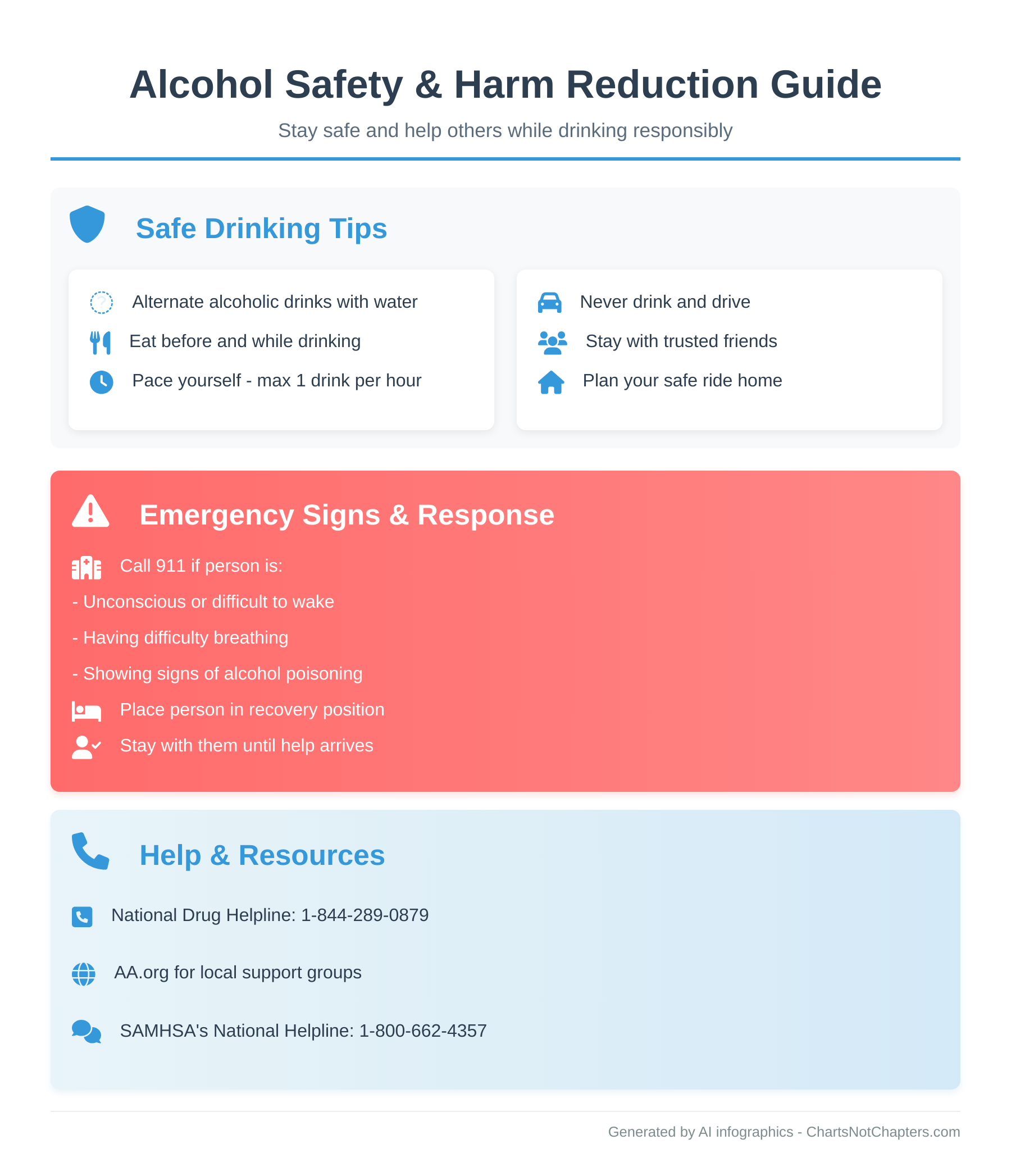
Crucially, an individual who has passed out cannot be safely "walked off" or left to sleep it off, because blood alcohol levels can continue to rise even after the person stops drinking as alcohol in the stomach and intestines continues to enter the bloodstream. When encountering suspected alcohol poisoning, immediate steps must be taken to secure professional medical assistance. While waiting for emergency services, bystanders should keep the individual sitting up if conscious, or place them in the recovery position—on their side—if unconscious, to prevent aspiration of vomit. Never leave an intoxicated person unattended, and avoid administering coffee, cold showers, or walking, as these measures cannot reverse the metabolic effects of ethanol or restore consciousness safely.
Legal Limits and Operating Motor Vehicles
Navigating the intersection of alcohol consumption and public safety requires strict adherence to legal statutes governing the operation of motor vehicles, watercraft, and heavy machinery. Across all jurisdictions, driving with a BAC at or above the designated legal limit—typically 0.08% for adult drivers—constitutes a criminal offense, commonly prosecuted as Driving Under the Influence (DUI) or Driving While Intoxicated (DWI). However, legal liabilities often begin at much lower BAC levels. Zero-tolerance laws apply to drivers under the legal drinking age (typically 21 in the United States), where any measurable amount of alcohol can result in immediate license suspension. Furthermore, commercial vehicle operators face significantly stricter thresholds, usually set at a BAC of 0.04%.
Law enforcement agencies utilize standardized field sobriety tests alongside breathalyzer instrumentation to assess impairment roadside, and refusal to submit to chemical testing upon arrest frequently carries mandatory administrative penalties, such as automatic driver's license revocation. Beyond legal sanctions, driving under the influence imposes catastrophic risks of severe injury or fatalities for drivers, passengers, and pedestrians alike. Responsible planning dictates securing alternative transportation options—such as designated drivers, public transit, or rideshare services—before consuming any alcohol, ensuring that impairment never dictates transit decisions.
Long-Term Health Implications and Harm-Reduction Strategies
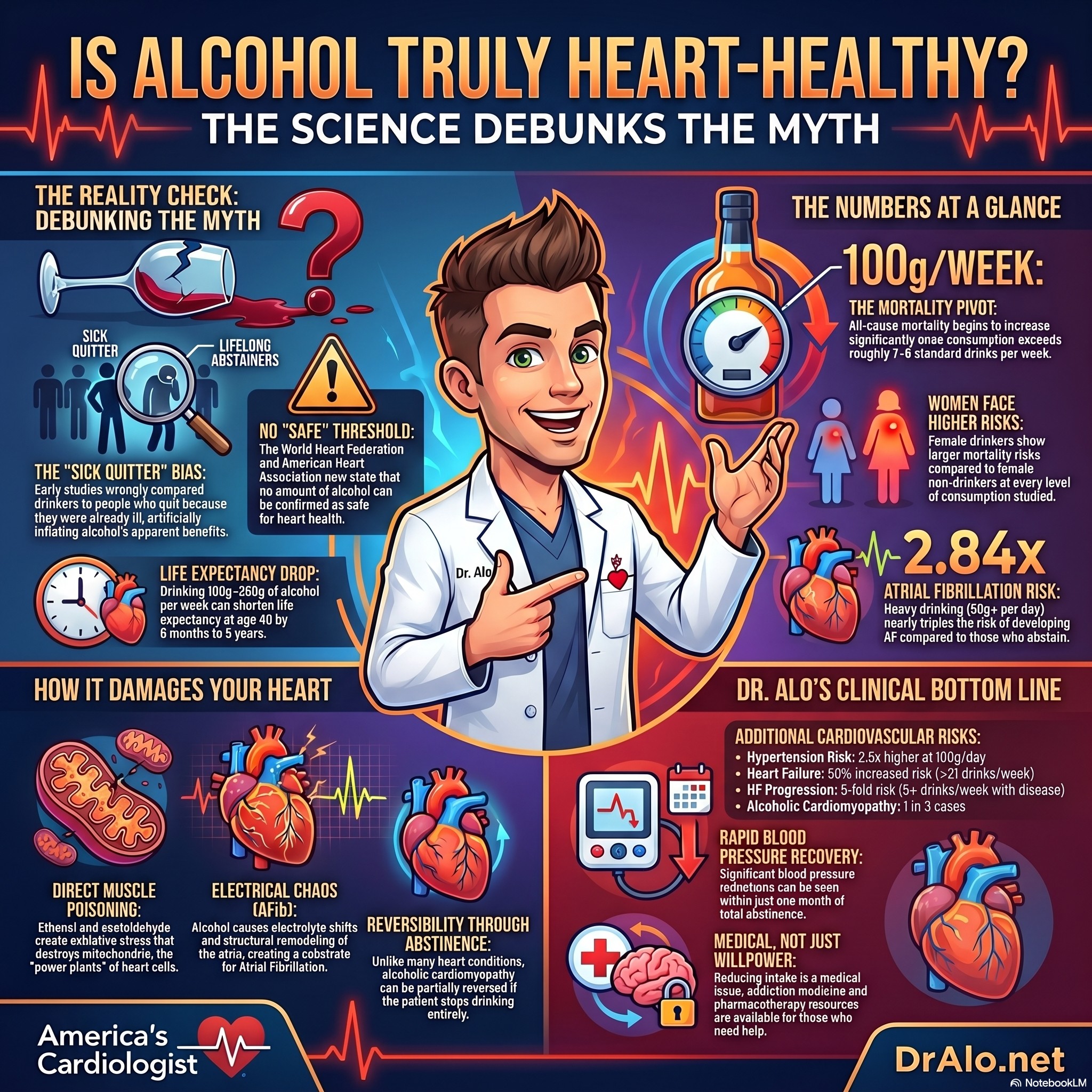
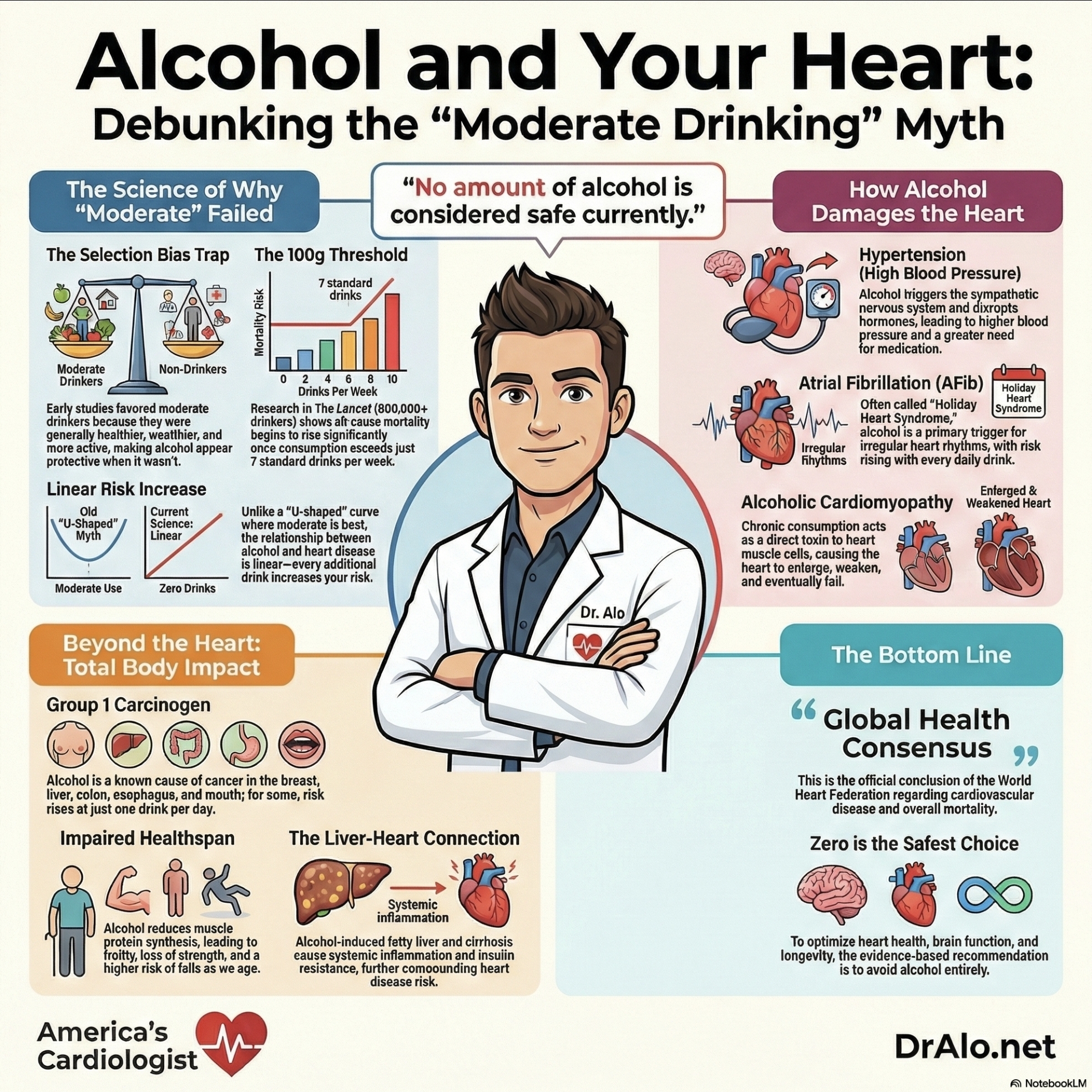
Chronic, heavy alcohol consumption contributes to a vast spectrum of systemic health issues, altering physiological architecture across multiple organ systems over extended periods. Persistent exposure to ethanol damages hepatocytes, progressing from simple fatty liver disease to alcoholic hepatitis, fibrosis, and irreversible cirrhosis. Furthermore, the World Health Organization classifies alcohol as a Group 1 carcinogen, establishing a direct causal link between ethanol consumption and cancers of the breast, liver, bowel, oral cavity, and esophagus. Cardiovascular risks also elevate significantly with chronic misuse, manifesting as hypertension, cardiomyopathy, and an increased incidence of arrhythmias like atrial fibrillation.
For individuals choosing to consume alcohol, implementing targeted harm-reduction strategies can mitigate immediate risks and lower cumulative exposure. These practices include alternating alcoholic beverages with glasses of water to maintain hydration, consuming substantial meals prior to and during drinking episodes, setting strict consumption limits before social events begin, and actively avoiding peer pressure environments centered around rapid or binge consumption. When individuals find it difficult to moderate their intake, seeking guidance from primary care physicians or behavioral health specialists provides access to evidence-based support networks and therapeutic interventions.
Frequently Asked Questions
How long does it take for the human body to process a single standard drink?
The human liver metabolizes alcohol at a fairly steady pace, typically processing roughly one standard drink per hour. This rate is determined by enzyme availability and cannot be accelerated by external factors such as drinking coffee, exercising, or taking cold showers.
Can eating food after drinking lower my Blood Alcohol Concentration faster?
Eating food after consuming alcohol does not lower an existing Blood Alcohol Concentration or speed up sobriety. Food slows down the initial absorption of alcohol into the bloodstream if consumed beforehand, but once ethanol is absorbed, the liver must metabolize it at its own biological rate.
What is the difference between binge drinking and heavy alcohol use?
Binge drinking is defined as a pattern of consumption that brings BAC to 0.08% or higher, typically occurring after four drinks for women or five drinks for men within a two-hour window. Heavy alcohol use involves exceeding these binge thresholds across multiple days within a month, substantially elevating long-term health risks.
Are there safe levels of alcohol consumption during pregnancy?
No amount of alcohol is proven safe during pregnancy. Medical authorities recommend complete abstinence because ethanol crosses the placental barrier freely, disrupting fetal development and causing lifelong physical, behavioral, and cognitive impairments known as fetal alcohol spectrum disorders.
What should I do if someone is unresponsive after drinking heavily?
If someone is unresponsive, vomiting while unconscious, or exhibiting slow, irregular breathing after drinking, call emergency services immediately. Position the person safely on their side to prevent choking and monitor their breathing continuously until medical professionals arrive.
Next Steps for Responsible Consumption
Evaluating personal drinking habits and establishing clear boundaries ensures that alcohol consumption remains an informed, controlled choice rather than a health or safety hazard. Individuals seeking to assess their patterns against public health standards can consult validated screening tools or discuss consumption metrics during routine medical examinations. Prioritizing proactive planning for social gatherings, utilizing alternative transportation, and remaining vigilant about acute toxicity symptoms safeguard both personal well-being and community safety.