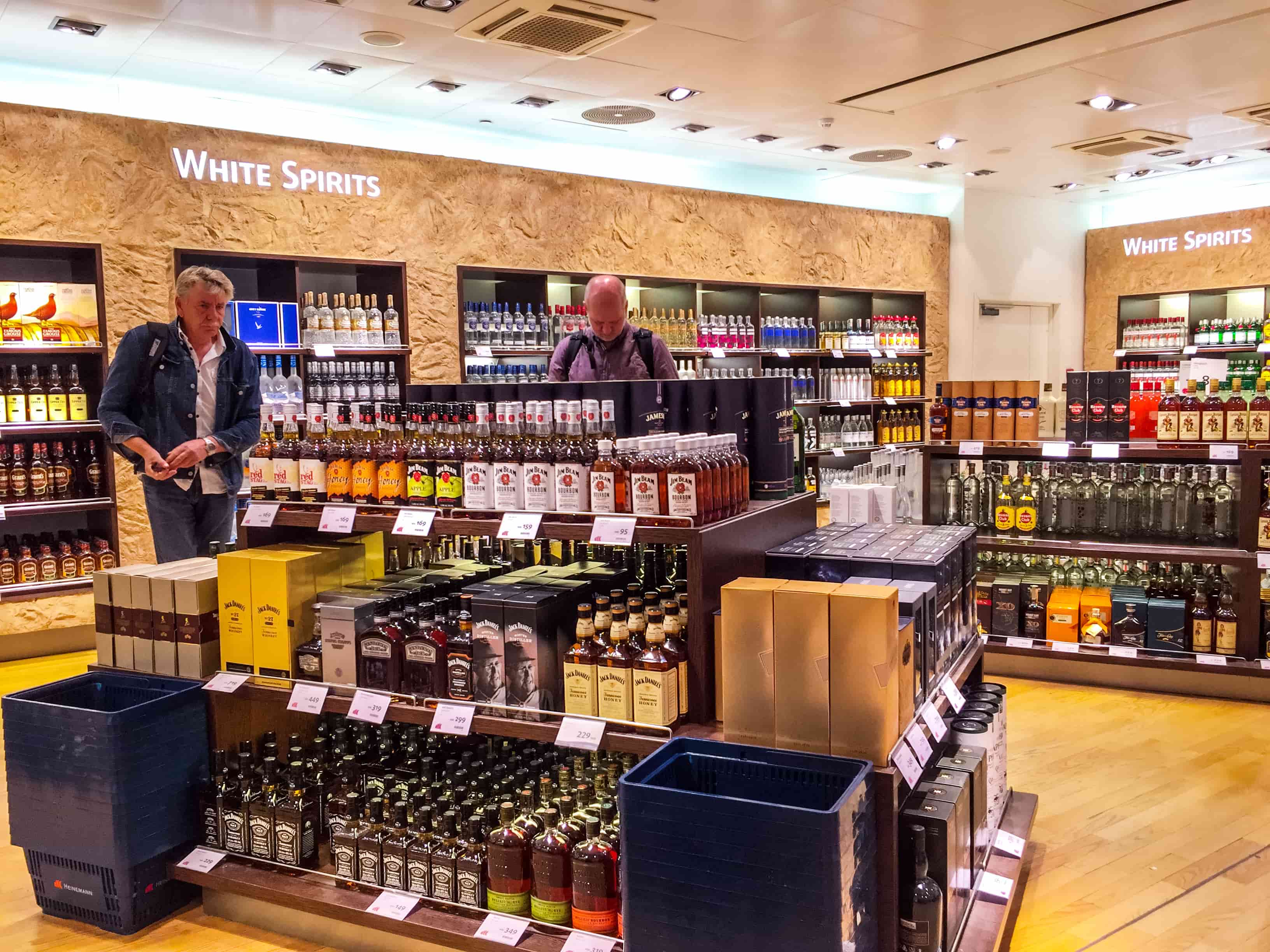
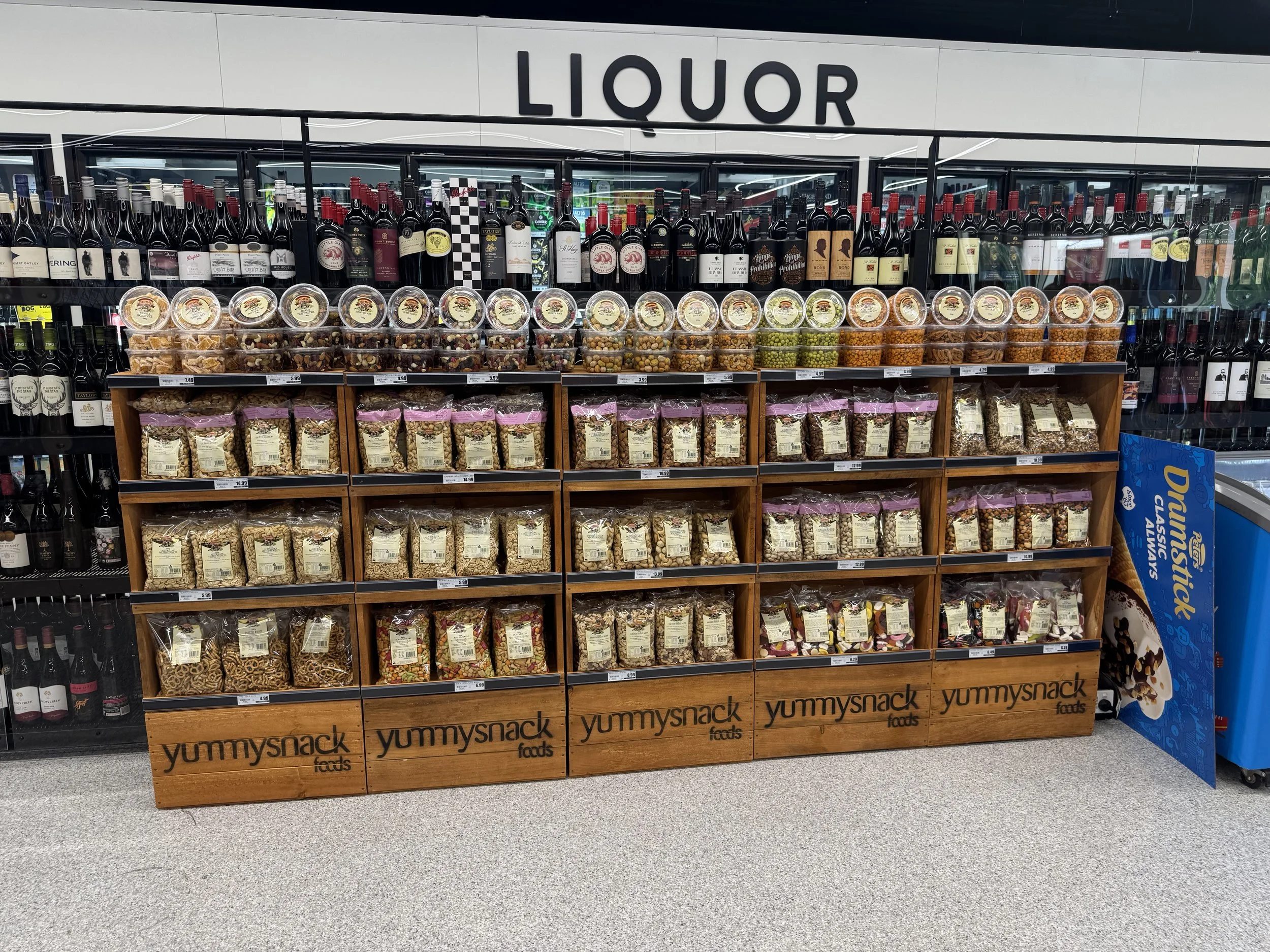
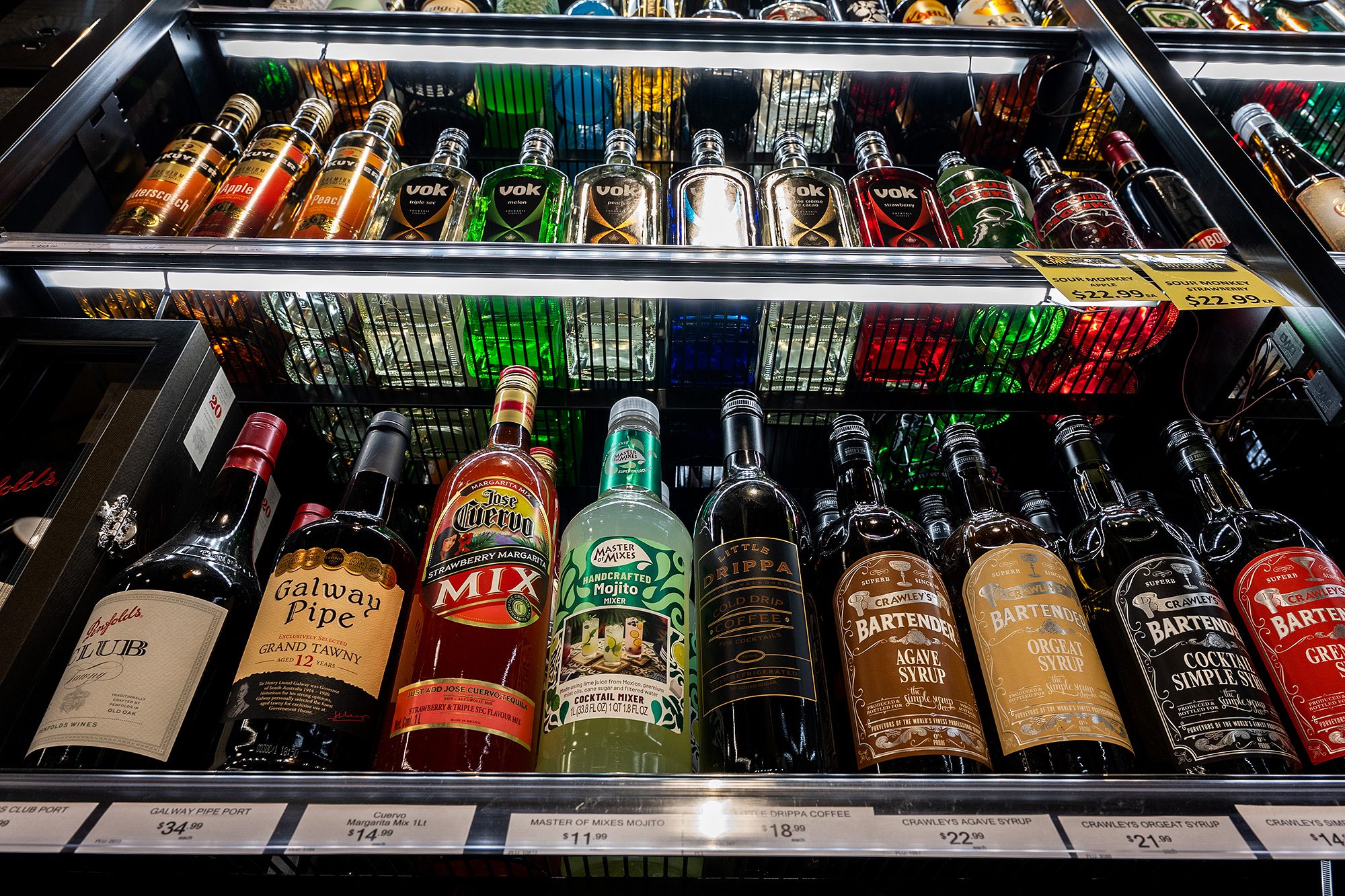
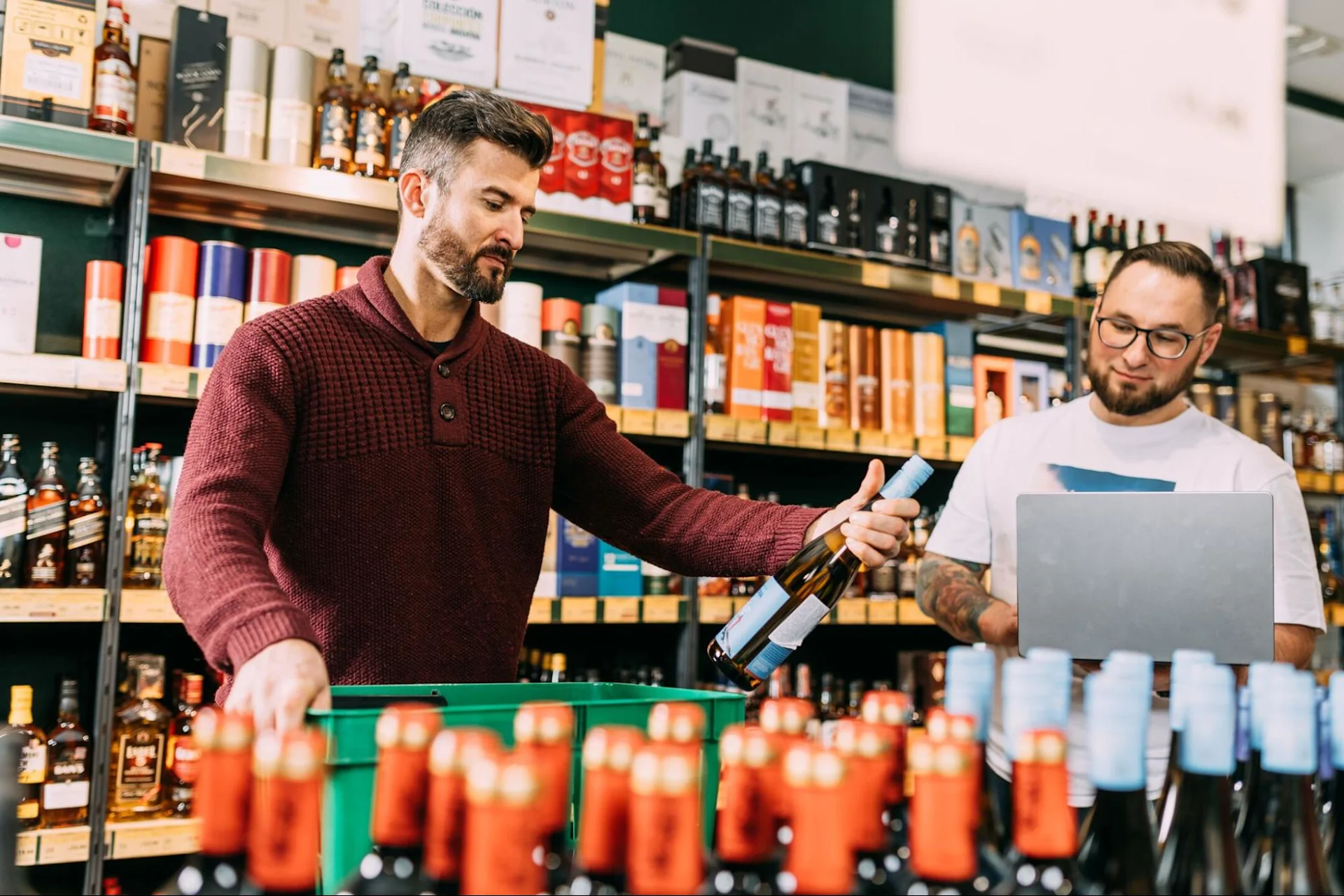
Alcohol retail encompasses the sale of beer, wine, and spirits directly to consumers through physical storefronts, e-commerce platforms, and specialized hospitality venues. Operating successfully in this heavily regulated sector requires a comprehensive understanding of multi-tiered licensing frameworks, inventory management, age-verification mandates, and evolving omnichannel distribution channels.
The Regulatory Framework and Licensing Structures
The commercial sale of alcoholic beverages operates under a complex system of local, state, and national statutes designed to control public health, maintain orderly markets, and collect tax revenues. Unlike standard consumer packaged goods, alcohol retail is governed by distinct legislative frameworks that dictate who can sell, what can be sold, and to whom. Understanding these legal structures is the primary prerequisite for entering or operating within the market.
In many jurisdictions, the regulatory model is split between state-controlled monopolies—where government agencies manage wholesale or retail distribution—and private licensing systems. Within private systems, governments issue specific permits tied to the type of product (beer and wine versus all-liquor) and the mode of sale (on-premises consumption versus off-premises package stores). Retailers must navigate quota systems, zoning restrictions, and proximity laws that dictate how close a store can be to schools, places of worship, or other licensed establishments.
Furthermore, compliance extends to corporate structure and ownership integrity. Licensing authorities conduct rigorous background checks on principal owners, investors, and managers to ensure financial transparency and prevent illicit actors from entering the supply chain. Maintaining good standing requires timely license renewals, accurate reporting of sales volumes, and strict adherence to mandated operating hours. Failure to comply can result in administrative fines, suspension, or the permanent revocation of the retail permit.
Supply Chain Dynamics and Three-Tier Compliance
The movement of alcoholic beverages from producers to consumers is traditionally governed by the three-tier system, separating manufacturers, wholesalers, and retailers. This structural division prevents vertical integration monopolies and ensures transparency in product pricing and tax collection. For alcohol retailers, navigating this supply chain requires managing relationships with licensed distributors rather than purchasing directly from brewers, winemakers, or distillers in most jurisdictions.
Inventory management within alcohol retail demands precision due to product perishability, vintage variations, and shifting consumer preferences. Retailers must balance carrying costs against stockout risks, particularly for high-demand seasonal items or allocated spirits with limited production runs. Effective supply chain execution also involves compliance with strict tracking and tracing mandates. Retailers must maintain detailed invoices and point-of-sale data that prove every bottle in inventory was acquired through legal, tax-paid wholesale channels.
| License Type | Primary Permission | Typical Restrictions | Regulatory Focus |
|---|---|---|---|
| Off-Premises Package Store | Sale of sealed containers for consumption elsewhere. | Closed Sundays in some areas; strict closing hours. | Preventing public intoxication and youth access. |
| On-Premises Tavern/Bar | Sale of open containers for immediate consumption. | Mandatory food service ratios; strict liability laws. | Responsible beverage service and over-service mitigation. |
| Direct-to-Consumer (DtC) | Shipping alcoholic products directly to residential buyers. | Varies heavily by state; often restricted to in-state wineries. | Inter-state tax collection and compliance verification. |
| Specialty Wine Shop | Curated retail focused on fermented grape products. | Limited or prohibited from selling high-proof spirits. | Product authenticity and origin verification. |
Age Verification, Public Safety, and Risk Management
Preventing sales to minors is the most critical operational responsibility for any alcohol retailer. Regulatory agencies enforce zero-tolerance policies regarding underage sales, often deploying underage operatives in sting operations to test compliance. Consequently, retail staff must be thoroughly trained in identifying fraudulent identification documents, utilizing optical scanner technology, and understanding the physical markers of modern security-enhanced driver's licenses.
Beyond age verification, retailers bear significant legal and social responsibility regarding visible intoxication. Under dram shop laws in many jurisdictions, retailers and their employees can be held civilly or criminally liable if they sell alcohol to an obviously intoxicated person who subsequently causes harm to themselves or others. Robust staff training programs, clear refusal-of-service protocols, and comprehensive liability insurance are essential components of risk management for modern alcohol retail operations.
Omnichannel Integration and E-Commerce Realities
The integration of digital platforms into traditional alcohol retail has transformed how consumers discover, purchase, and receive products. E-commerce, click-and-collect services, and third-party delivery apps have expanded market reach but introduced a new layer of regulatory complexity. Because laws governing the remote sale of alcohol differ dramatically by jurisdiction, retailers must employ sophisticated geo-filtering technology and age-gating mechanisms on their websites.
Fulfillment presents unique operational hurdles. Unlike standard retail goods, shipped or delivered alcohol requires an adult signature upon receipt, verified by a government-issued photo ID at the doorstep. Retailers partnering with third-party delivery networks must ensure that delivery personnel are fully trained and legally certified to execute these verifications. Additionally, tax compliance becomes intricate when selling across municipal or state lines, as excise and sales taxes must be calculated and remitted accurately based on the delivery destination rather than the storefront location.
Operational Checklist for New Alcohol Retailers
Establishing and running a compliant retail enterprise requires executing a series of foundational steps before opening doors to the public:
- Conduct Market and Zoning Research: Verify that local zoning ordinances permit alcohol sales at the intended location and evaluate regional market saturation.
- Secure Proper Licensing: Apply for the appropriate state and local retail permits well in advance, accounting for mandatory public notice periods and community board reviews.
- Establish Wholesale Partnerships: Set up accounts with authorized distributors operating within your state's three-tier framework.
- Implement Point-of-Sale (POS) Systems: Deploy hardware and software capable of automated age calculation, inventory tracking, and purchase-limit enforcement.
- Train Staff on Compliance: Mandate certification programs for all floor staff covering ID verification, forgery detection, and responsible service laws.
- Deploy Security and Surveillance: Install adequate camera coverage and secure storage for high-value spirits to mitigate internal and external shrinkage.
Frequently Asked Questions
What is the three-tier system in alcohol retail?
The three-tier system is a regulatory structure mandated by many governments that separates the alcoholic beverage industry into three distinct components: producers (manufacturers), distributors (wholesalers), and retailers. This prevents any single entity from dominating the market and ensures orderly tax collection and product traceability.
Can alcohol retailers ship products across state lines?
Cross-border shipping depends entirely on the laws of both the origin and destination states. While direct-to-consumer shipping for wine is widely permitted between reciprocal states, shipping distilled spirits or beer interstate is subject to severe restrictions or outright bans in many jurisdictions.
What happens if an employee sells alcohol to a minor?
Selling alcohol to a minor can result in severe legal penalties for both the individual employee and the retail business. Consequences typically include hefty fines, personal criminal misdemeanor charges for the clerk, and potential suspension or revocation of the establishment's liquor license.
How do retailers verify ages during online checkouts?
Online retailers use a combination of software tools, including third-party age-verification databases that cross-reference customer data with public records during checkout, followed by mandatory physical ID checks and adult signature confirmation upon delivery or curbside pickup.
What insurance coverage is essential for alcohol retailers?
Beyond standard commercial property and general liability insurance, alcohol retailers typically require liquor liability insurance (dram shop insurance) to protect against claims arising from injuries or damages caused by intoxicated patrons or illegal sales.
Are state-run liquor stores still common?
State-run or control systems remain operational in several jurisdictions, where the state government acts as the exclusive wholesaler, retailer, or both for certain categories of alcoholic beverages, particularly distilled spirits.
Strategic Operational Management
Achieving long-term viability in alcohol retail requires constant vigilance over shifting regulatory landscapes, inventory turnover ratios, and community relations. Retailers must proactively engage with local licensing boards, maintain meticulous documentation of all supply chain transactions, and continuously retrain staff to adapt to emerging enforcement priorities. By combining rigorous compliance protocols with agile omnichannel fulfillment strategies, operators can navigate the complexities of the modern beverage market while mitigating legal and financial risk.