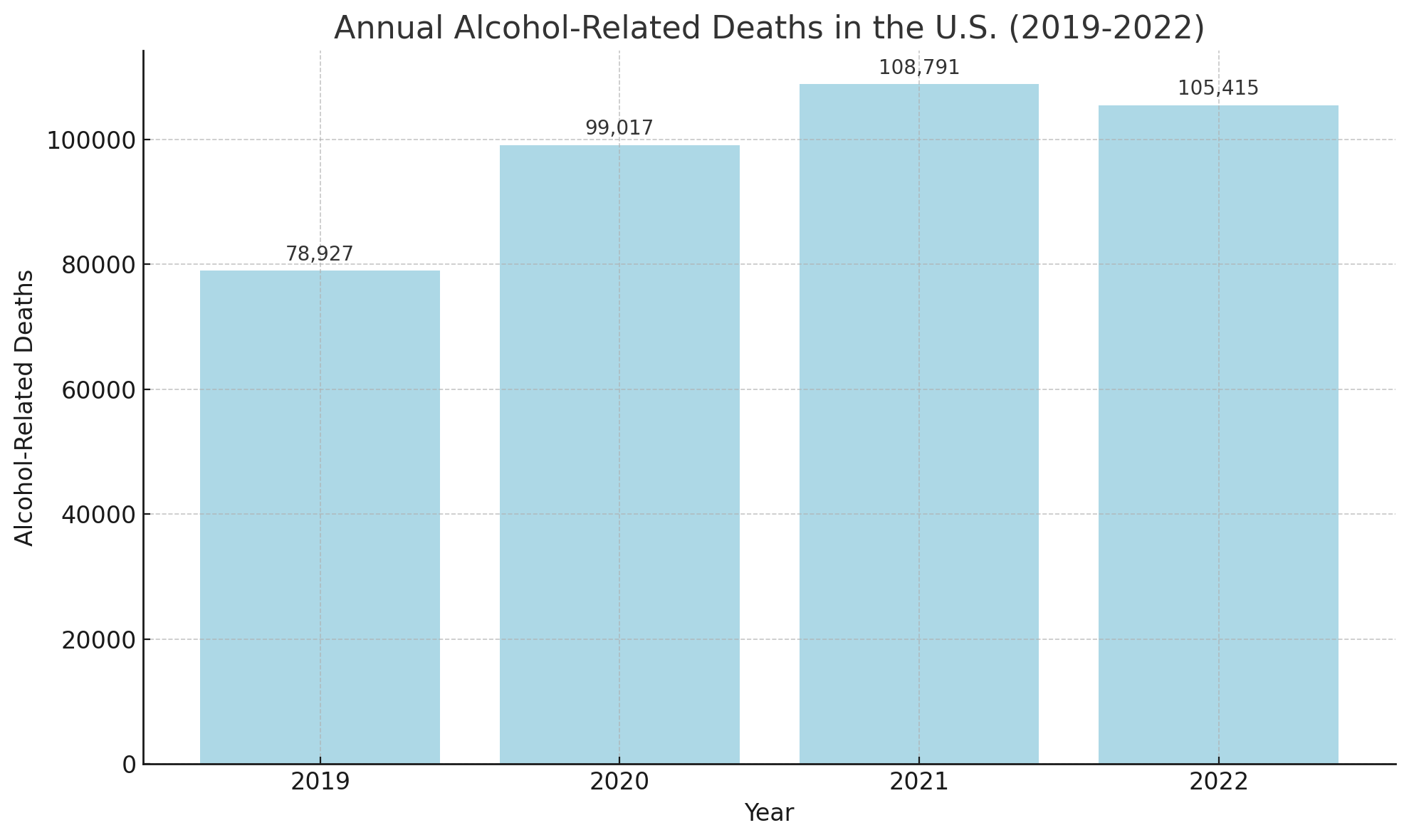
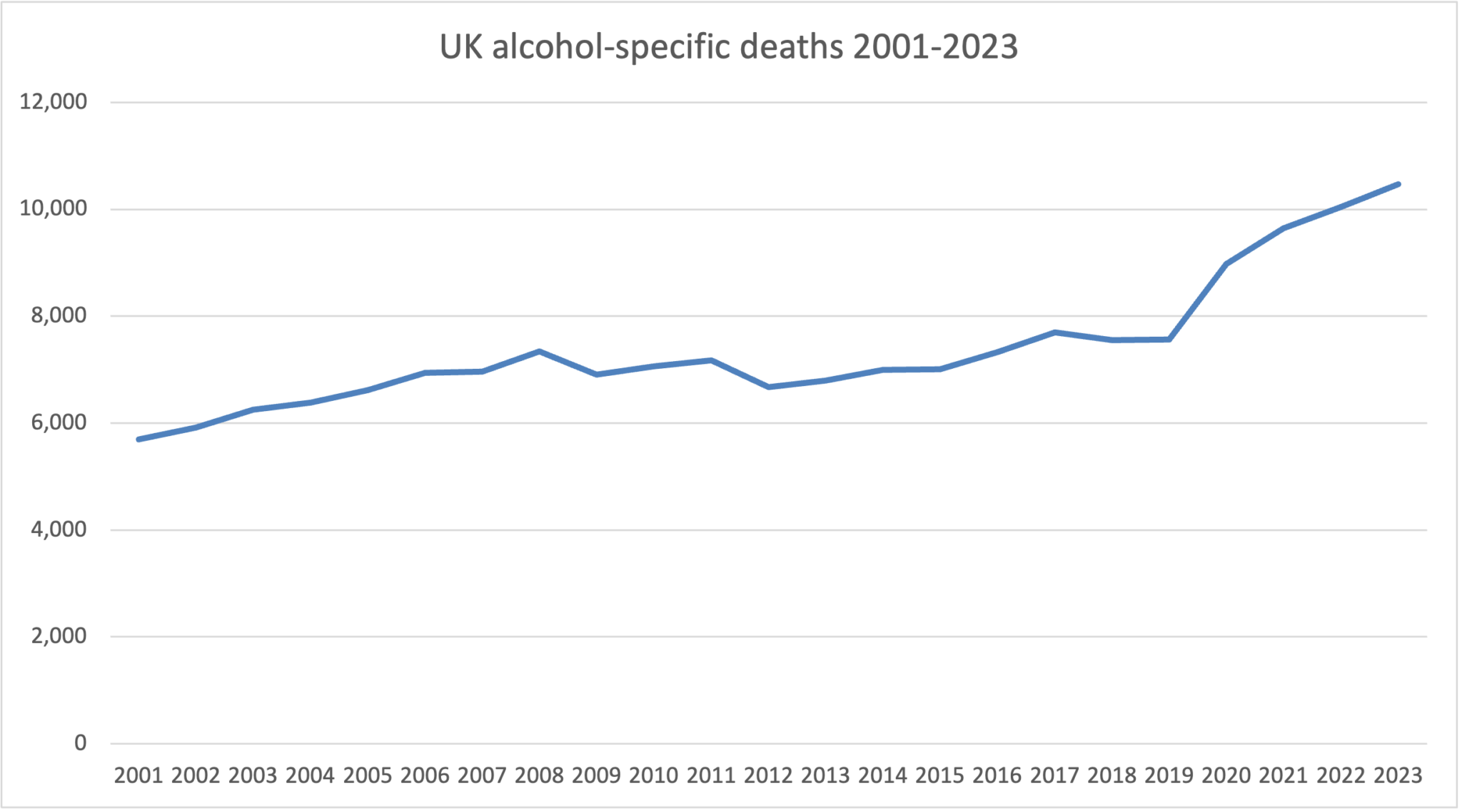
Alcohol-related deaths encompass fatalities directly attributed to acute alcohol poisoning as well as chronic health conditions caused by long-term heavy consumption. These deaths are categorized into fully attributable causes, such as alcoholic liver disease and accidental poisoning, and partially attributable causes, including specific cancers, cardiovascular diseases, and injuries sustained while intoxicated.
The global burden of alcohol-related mortality remains a critical public health challenge, affecting millions of individuals annually across diverse demographics. Addressing this issue requires examining the epidemiological data, understanding the underlying physiological mechanisms, and evaluating evidence-based interventions designed to reduce alcohol-induced harm.
Epidemiological Overview and Global Burden
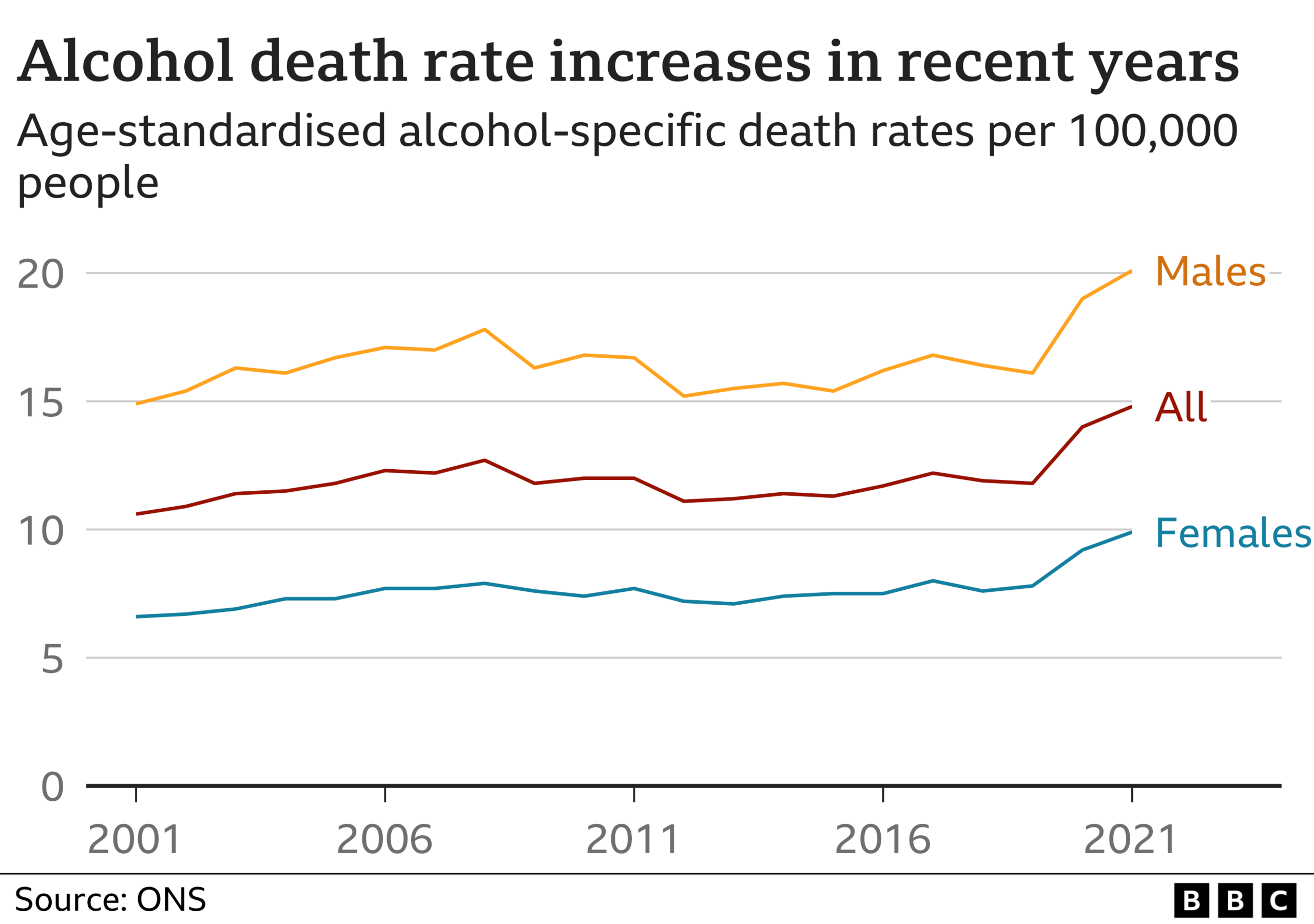
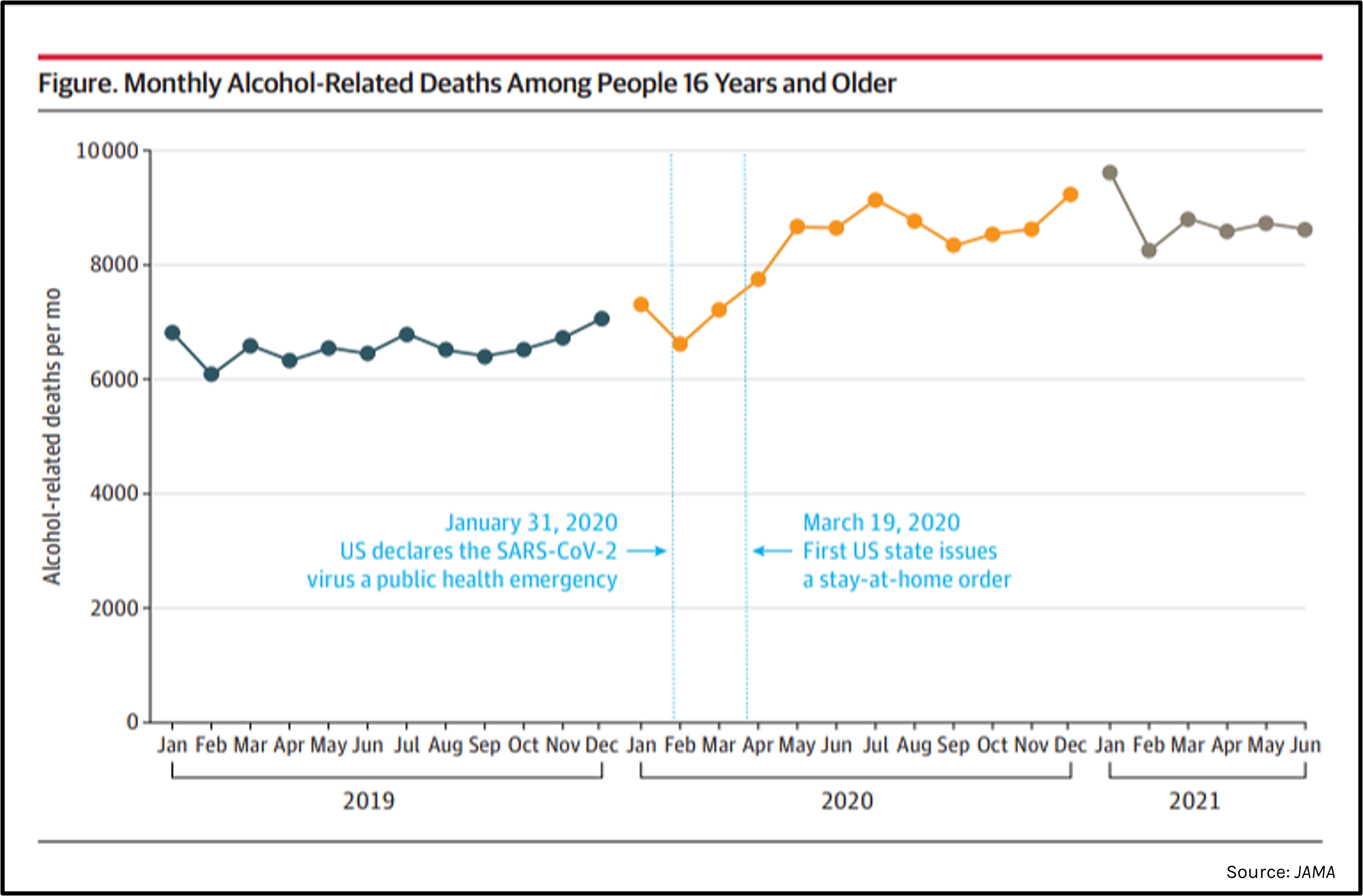
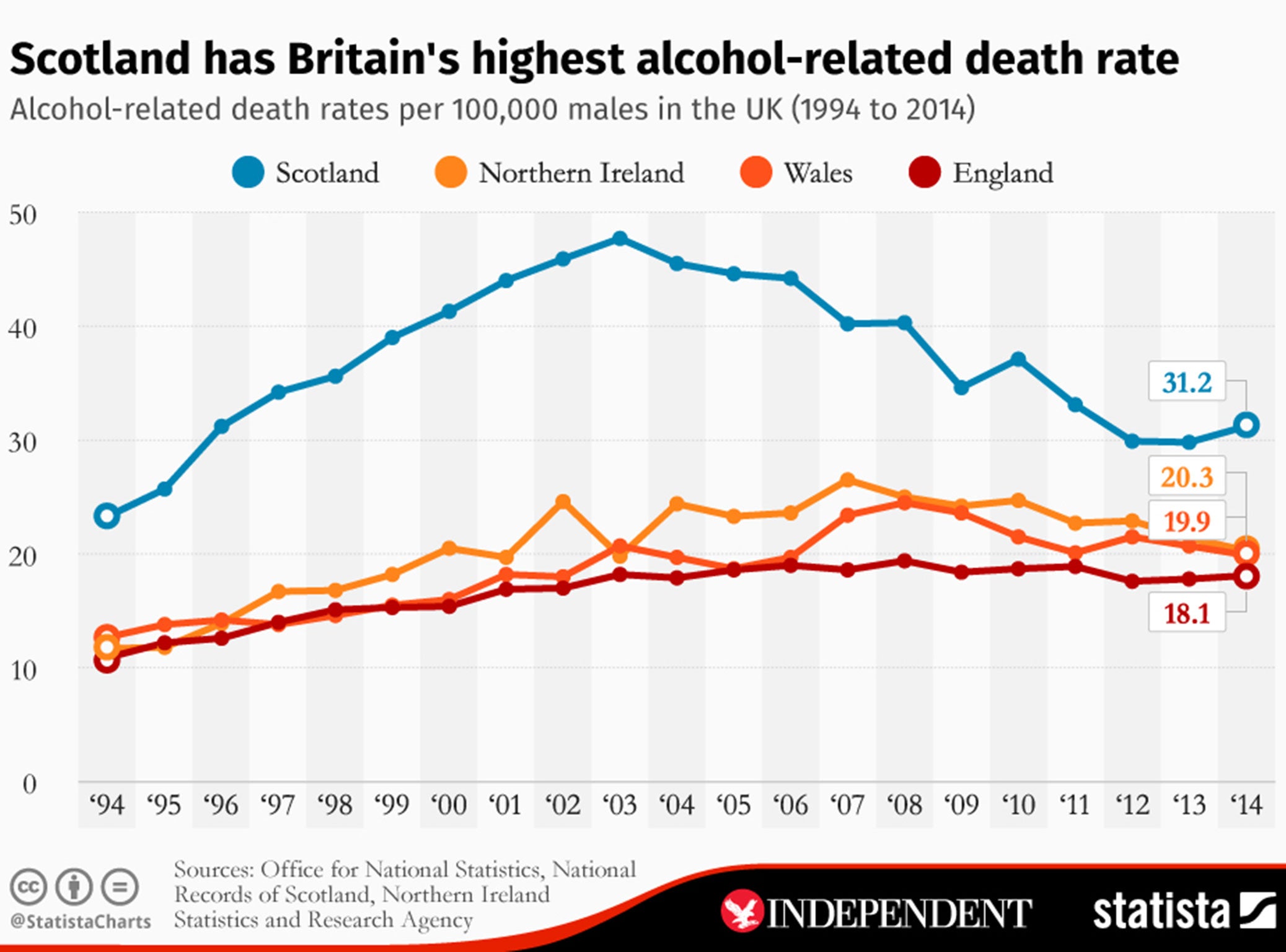
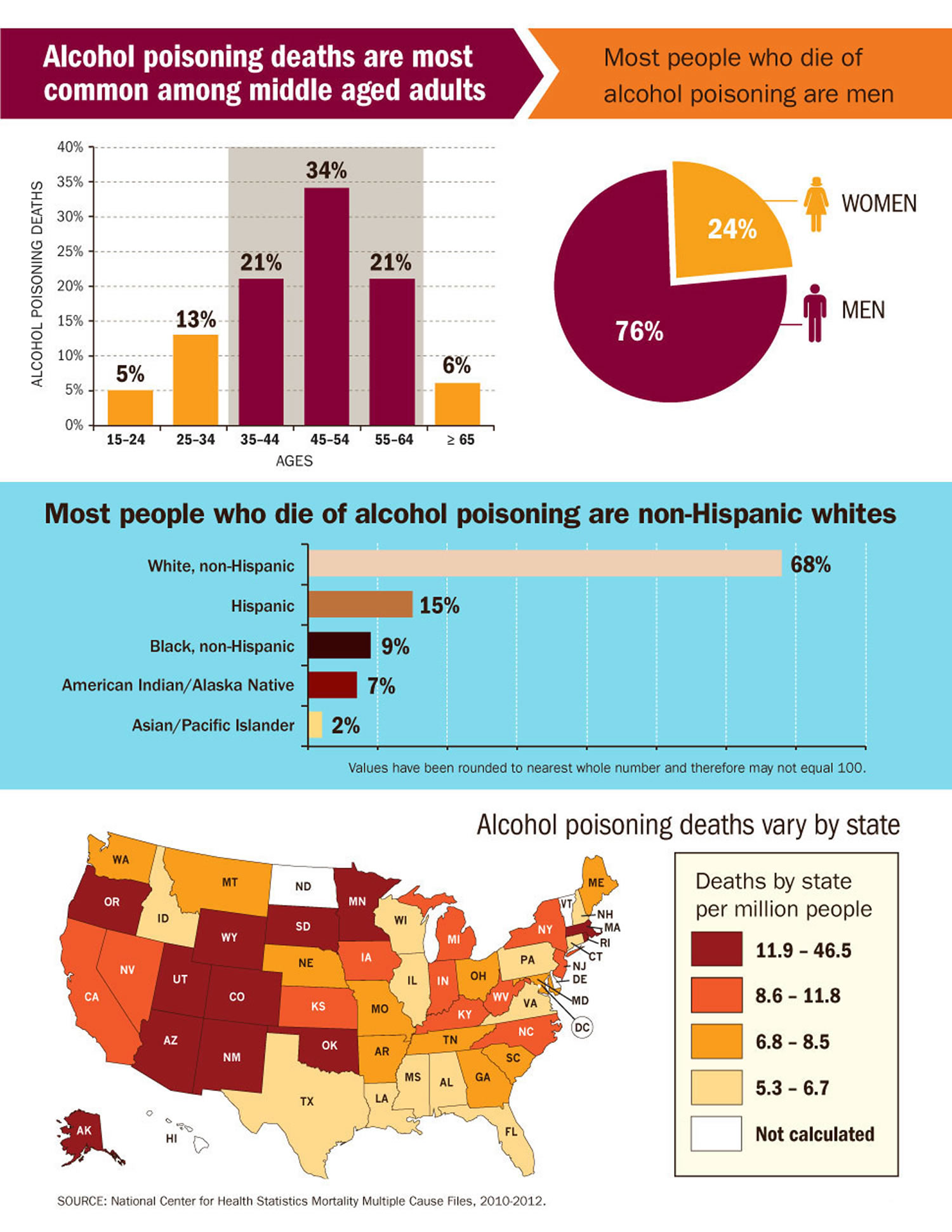
Epidemiological assessments conducted by public health institutions, such as the World Health Organization (WHO) and the Centers for Disease Control and Prevention (CDC), consistently highlight the magnitude of alcohol-related mortality. Globally, millions of deaths each year are linked to harmful alcohol use, accounting for a significant percentage of all global deaths. This mortality burden disproportionately impacts working-age populations, making it a leading cause of premature death and preventable loss of healthy life years.
Statistical tracking separates these deaths into acute events, such as overdoses and trauma, and chronic conditions that develop over decades. Monitoring trends over time reveals shifts in consumption patterns, particularly among younger demographics and older adults. Public health surveillance systems rely on death certificates, toxicological reports, and hospital discharge data to quantify these losses, though underreporting remains a recognized challenge due to the stigma associated with alcohol use disorders.
| Category of Harm | Primary Clinical Manifestations | Typical Etiology |
|---|---|---|
| Acute Mortality | Alcohol poisoning, fatal motor vehicle crashes, falls, homicides, suicides | High blood alcohol concentration (BAC), impaired judgment, respiratory depression |
| Chronic Mortality | Alcoholic cirrhosis, esophageal cancer, cardiomyopathy, pancreatitis | Cumulative tissue damage from chronic ethanol metabolism |
| Partially Attributable | Ischemic stroke, hypertensive heart disease, certain breast and colorectal cancers | Chronic low-to-high consumption altering cellular and metabolic pathways |
Pathophysiology: How Alcohol Causes Fatal Damage
The mechanisms by which ethanol and its metabolites cause fatal outcomes are complex, involving both acute cellular toxicity and chronic organ system failure. Understanding these pathways clarifies why excessive consumption affects virtually every major organ system in the human body.
Acute Toxicity and Central Nervous System Depression
In cases of acute alcohol poisoning, a rapid ingestion of high quantities of ethanol overwhelms the liver's metabolic capacity, causing blood alcohol concentrations to rise swiftly. Ethanol acts as a central nervous system (CNS) depressant by enhancing the inhibitory effects of gamma-aminobutyric acid (GABA) at GABA-A receptors and inhibiting excitatory N-methyl-D-aspartate (NMDA) glutamate receptors.
As BAC increases, suppression extends to the brainstem, which controls vital autonomic functions. A fatal outcome typically occurs when respiratory depression leads to hypoxia, or when the individual aspirates gastric contents due to a depressed gag reflex while unconscious.
Chronic Organ Damage and Systemic Failure
Long-term heavy drinking leads to sustained systemic injury driven primarily by acetaldehyde, a toxic primary metabolite of ethanol. Acetaldehyde induces oxidative stress, forms DNA adducts, and triggers inflammatory cascades.
- Liver Disease: Chronic exposure causes steatosis (fatty liver), which can progress to alcoholic hepatitis, fibrosis, and irreversible cirrhosis. Liver failure halts vital metabolic, synthetic, and detoxifying functions.
- Cardiovascular System: Long-term misuse damages myocardial tissue, resulting in alcoholic cardiomyopathy, arrhythmias, and hypertension, which elevate the risk of fatal strokes and heart attacks.
- Oncogenesis: Ethanol and acetaldehyde are classified as human carcinogens. Chronic consumption increases the risk of malignancies in the oral cavity, pharynx, larynx, esophagus, liver, colon, and female breast by altering DNA methylation and promoting cell proliferation.
Risk Factors and Vulnerable Populations
The risk of experiencing an alcohol-related fatality is influenced by a combination of biological, behavioral, and socioeconomic factors. Genetic variations in alcohol-metabolizing enzymes, such as alcohol dehydrogenase (ADH) and aldehyde dehydrogenase (ALDH), affect how individuals process ethanol and alter their susceptibility to dependence and organ damage. For example, certain genetic variants common in East Asian populations lead to an accumulation of acetaldehyde, causing flushing and nausea that typically limit heavy drinking, while other genotypes are associated with higher risks of rapid dependency.
Socioeconomic status, access to healthcare, and regional policy environments also play profound roles. Populations with limited access to substance use treatment, high baseline poverty rates, and lenient alcohol regulatory frameworks often experience higher rates of alcohol-attributable mortality. Additionally, concurrent use of other substances, particularly opioids and sedatives, exponentially increases the risk of fatal acute poisoning through synergistic respiratory depression.
Public Health Strategies and Preventive Interventions
Mitigating the toll of alcohol-related deaths requires a comprehensive, population-level framework combined with targeted clinical interventions. Public health authorities emphasize the implementation of evidence-based policy measures, often referred to as the "best buys" for alcohol control, which have been shown to reduce consumption and associated harms across communities.
- Pricing Policies: Implementing minimum unit pricing (MUP) and increasing excise taxes reduce affordability, particularly among heavy drinkers and underage populations.
- Availability Restrictions: Regulating the density of alcohol retail outlets and limiting hours of sale decreases consumption opportunities and associated acute harms like violence and traffic fatalities.
- Marketing Regulations: Enforcing strict controls on alcohol advertising and sponsorship helps protect vulnerable youth populations from early initiation.
- Screening and Brief Intervention: Routine screening in primary care settings allows clinicians to identify hazardous drinking patterns early and deliver brief behavioral counseling or referral to specialized addiction treatment.
Frequently Asked Questions
What is the difference between fully and partially alcohol-related deaths?
Fully alcohol-related deaths are those where alcohol is the direct and sole underlying cause, such as acute alcohol poisoning or alcoholic liver cirrhosis. Partially alcohol-related deaths involve conditions where alcohol is a substantial contributing factor among others, such as specific cancers, cardiovascular diseases, and injuries where intoxication played a definitive role.
How does acute alcohol poisoning lead to death?
Acute alcohol poisoning causes death primarily through central nervous system depression. When blood alcohol concentrations reach toxic levels, the brainstem functions that regulate autonomic breathing and heart rate become suppressed, leading to respiratory arrest, hypoxia, or asphyxiation via aspiration.
Are chronic alcohol-related deaths reversible if a person stops drinking?
Some degree of organ recovery is possible if consumption ceases, particularly in early stages of liver steatosis or mild alcoholic hepatitis, as the liver possesses significant regenerative capacity. However, advanced cirrhosis, permanent neurological damage, and structural cardiovascular changes are generally irreversible, though abstinence can halt further disease progression and improve overall survival.
What role do genetics play in alcohol-related mortality?
Genetics influence an individual's rate of ethanol metabolism, vulnerability to addiction, and organ susceptibility to toxic metabolites like acetaldehyde. Variations in genes encoding alcohol-metabolizing enzymes can significantly alter an individual's physiological response to alcohol and their risk profile for chronic disease.
Where can individuals seek help for severe alcohol use disorders?
Individuals struggling with alcohol dependence can access help through primary care physicians, specialized addiction treatment centers, medical detox facilities, and community-based support groups. Evidence-based care often combines behavioral therapies with FDA-approved medications designed to reduce cravings and support sustained recovery.
Next Steps and Professional Guidance
For individuals concerned about their own drinking patterns or those of a loved one, early consultation with a healthcare professional or an addiction medicine specialist is essential. Comprehensive evaluations can identify early-stage organ damage, assess dependency levels, and establish safe, medically supervised detoxification protocols when physical withdrawal risks are present. Utilizing evidence-based medical treatments and behavioral support services significantly improves long-term health outcomes and reduces the risk of fatal complications.