Alcohol poisoning is a medical emergency caused by drinking a large amount of alcohol in a short period, which overwhelms the body’s ability to process it and shuts down critical autonomic functions like breathing and heart rate. Prevention relies on understanding safe consumption limits, recognizing early physical danger signs, avoiding dangerous drinking practices like binge drinking, and knowing how to intervene rapidly when an emergency occurs.
Understanding the Mechanisms and Risks of Alcohol Overdose
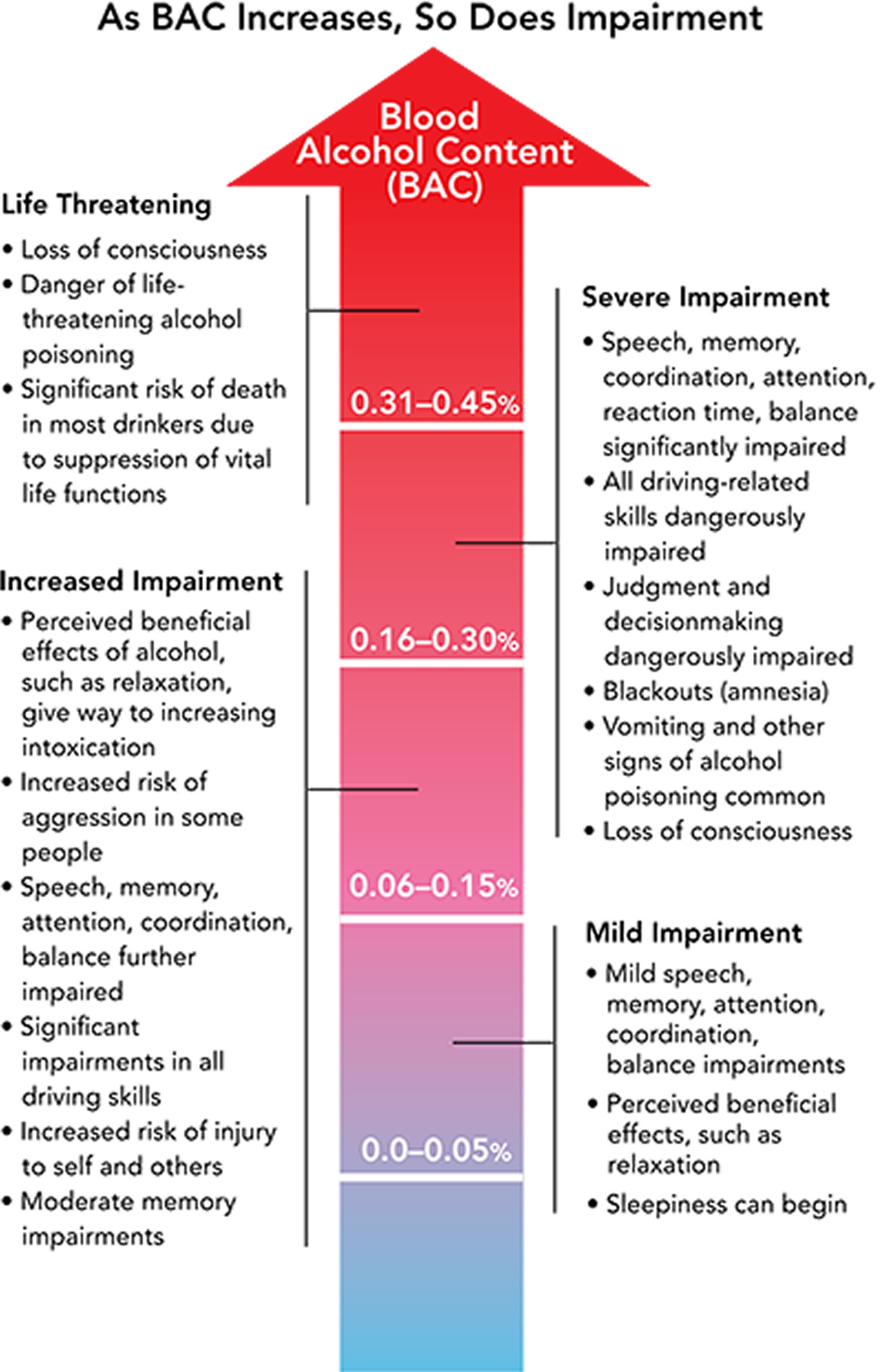
Alcohol poisoning occurs when blood alcohol concentration (BAC) rises to dangerous levels. Ethanol is a central nervous system depressant. In moderate amounts, it impairs judgment and coordination; in massive quantities, it suppresses the areas of the brain that control basic life-support systems, including respiration, heart rate, and temperature control.
The liver metabolizes alcohol at a fixed rate—roughly one standard drink per hour. When consumption drastically outpaces this metabolic rate, excess alcohol accumulates in the bloodstream, circulating throughout the body and affecting the brain stem. This is why a person can continue to absorb alcohol and experience a worsening BAC even after they have lost consciousness.
Several physiological and behavioral variables influence how quickly a person reaches toxic levels of alcohol:
- Body Weight and Composition: Individuals with lower body mass or a higher percentage of body fat generally achieve higher BACs faster because alcohol is distributed primarily in body water.
- Rate of Consumption: Binge drinking—defined by the National Institute on Alcohol Abuse and Alcoholism (NIAAA) as consuming patterns that bring BAC to 0.08 percent or higher, typically occurring after 4 drinks for women and 5 drinks for men within about 2 hours—drastically increases toxicity risk.
- Tolerance Levels: Frequent drinkers may develop a metabolic or functional tolerance, allowing them to appear sober at higher BACs. However, tolerance does not protect internal organs or prevent the central nervous system depression that causes fatal overdoses.
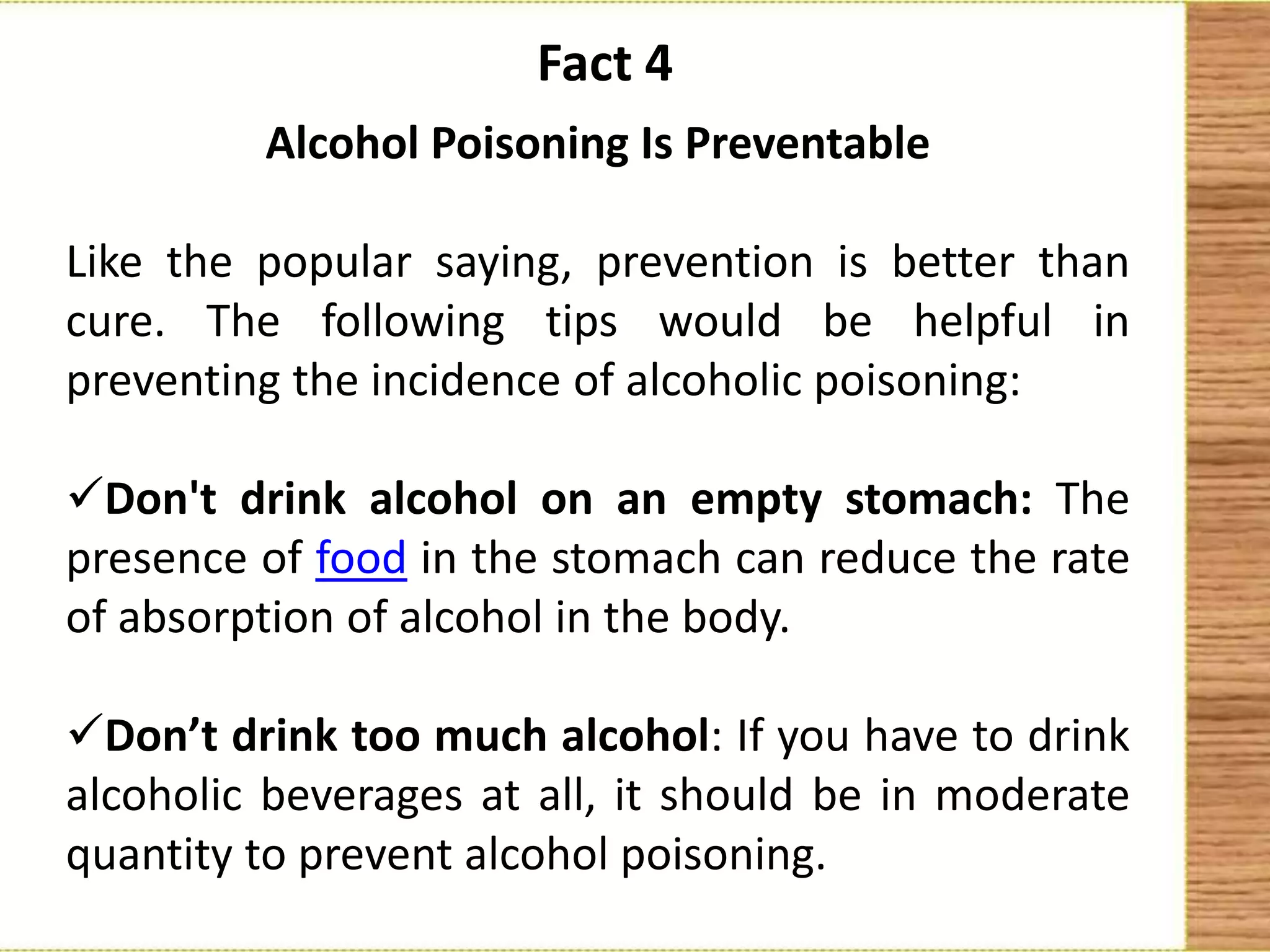
- Food Intake: Consuming food before or while drinking slows gastric emptying, delaying the absorption of alcohol into the bloodstream. An empty stomach accelerates peak BAC levels.
Recognizing the Critical Signs and Symptoms
Effective prevention requires early identification of symptoms before a situation escalates to respiratory failure or death. It is a dangerous myth that a sleeping person will simply "sleep it off." BAC can continue to rise as alcohol in the stomach and intestines continues to enter the bloodstream.
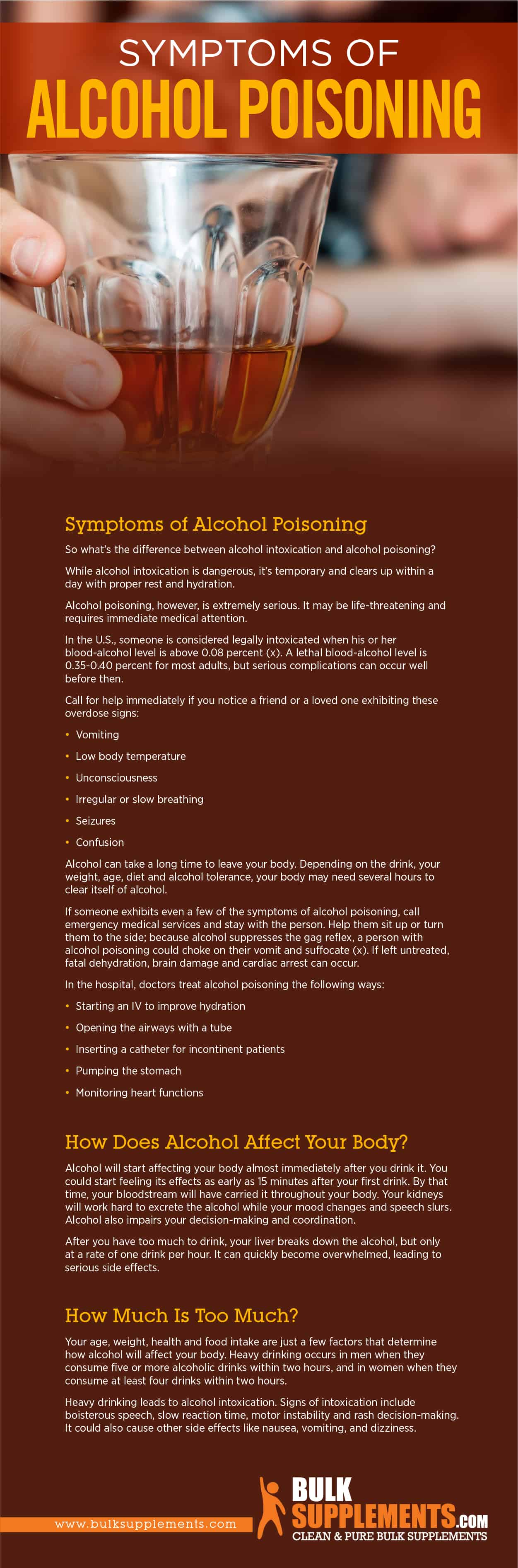
Key indicators that signal acute alcohol toxicity include:
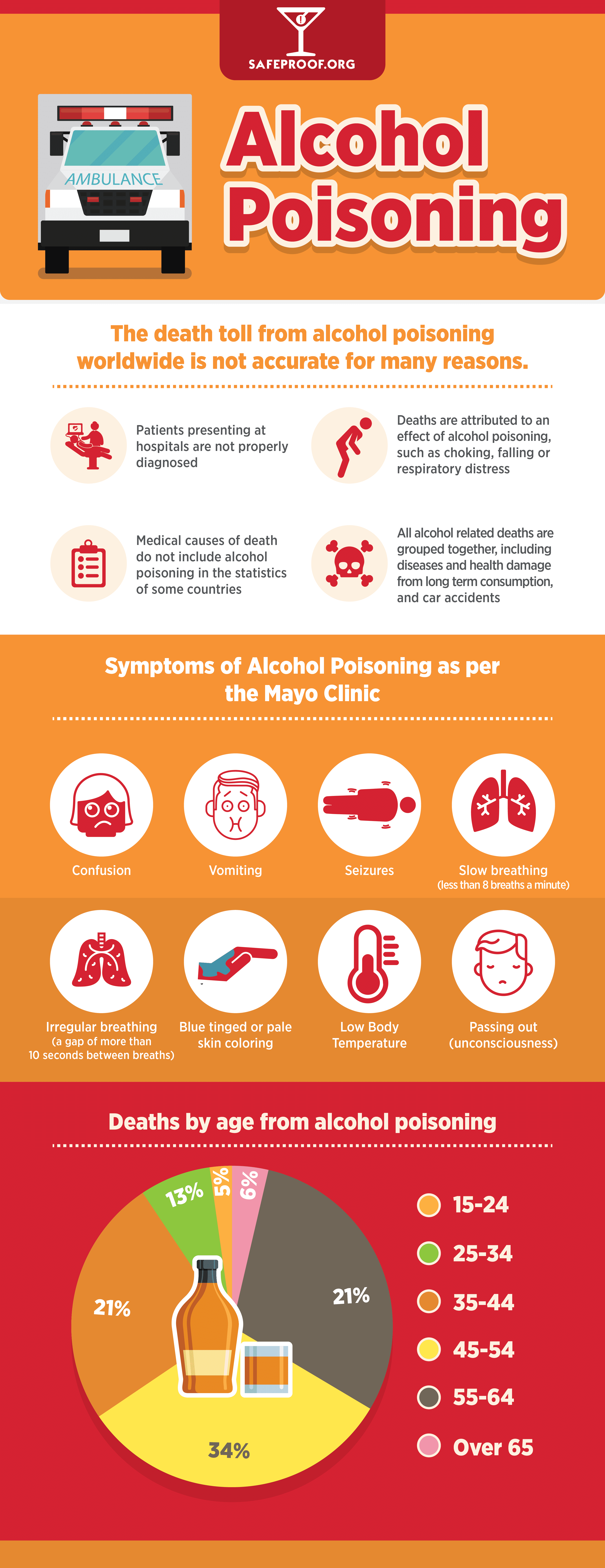
- Mental Confusion: Stupor, extreme disorientation, or inability to converse coherently.
- Loss of Consciousness: Inability to be awakened, or passing out and remaining unresponsive to pinching, shaking, or loud noises.
- Vomiting: Continuous vomiting while unconscious or semi-conscious, which creates a severe risk of choking or inhaling vomit into the lungs (aspiration).
- Seizures: Uncontrolled muscle spasms caused by drastic shifts in brain chemistry and electrolyte levels.
- Slow or Irregular Breathing: Breathing fewer than eight breaths per minute, or gaps of 10 seconds or more between breaths.
- Hypothermia and Cyanosis: Skin that is pale, bluish, cold, or clammy to the touch, indicating poor circulation and depressed body temperature.
| Symptom Category | Mild to Moderate Intoxication | Severe Alcohol Poisoning (Emergency) |
|---|---|---|
| State of Consciousness | Alert, talkative, or drowsy; responsive to verbal cues. | Unconscious, stuporous, or entirely unarousable. |
| Respiratory Rate | Normal (12–20 breaths per minute) or slightly elevated. | Depressed (under 8 breaths/min) or irregular. |
| Skin Condition | Warm, flushed, or normal. | Cold, clammy, pale, or bluish (cyanotic). |
| Gastrointestinal Response | Occasional nausea. | Uncontrolled vomiting while unconscious or dry heaving. |
Practical Steps for Safer Drinking and Harm Reduction
Preventing alcohol poisoning requires proactive behavioral strategies in social settings and personal environments. Establishing clear boundaries before drinking begins is one of the most effective ways to mitigate risk.
When hosting or attending social gatherings, implement these harm reduction practices:
- Set Consumption Limits: Decide on a maximum number of standard drinks beforehand and pace consumption to no more than one standard drink per hour.
- Alternate with Water: Drink a full glass of water between every alcoholic beverage to maintain hydration and slow the total volume of alcohol consumed.
- Eat Substantial Meals: Never drink on an empty stomach. Consume foods rich in proteins and complex carbohydrates prior to and during drinking sessions.
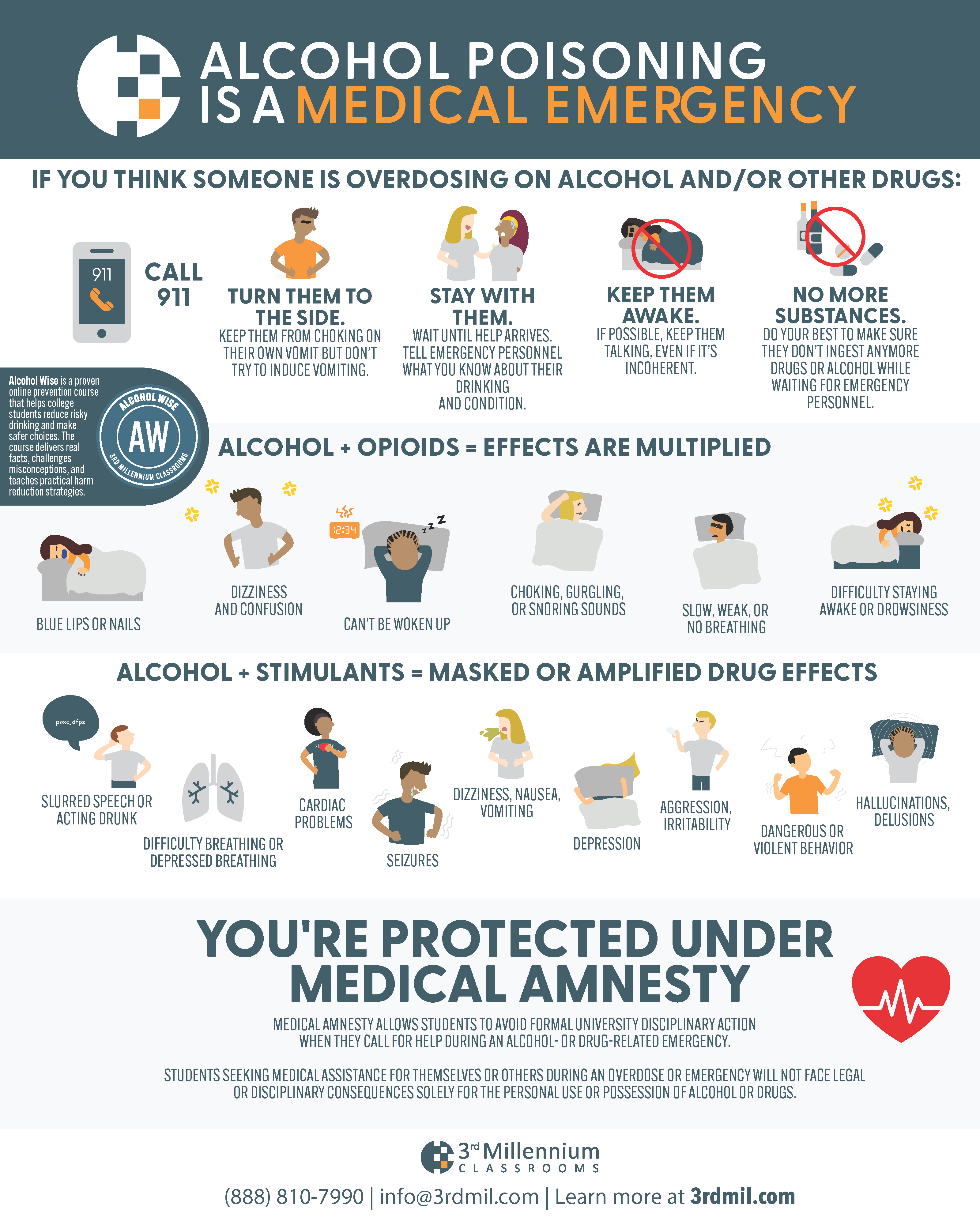
- Avoid Dangerous Mixtures: Never mix alcohol with prescription medications, recreational drugs, or over-the-counter sedatives, antihistamines, or painkillers. Many substances interact synergistically with ethanol, multiplying central nervous system depression.
- Steer Clear of Drinking Games: Avoid activities specifically designed to encourage rapid, high-volume consumption over short time frames.
Emergency Response and Immediate First Aid
If you suspect someone has alcohol poisoning, immediate action can save their life. Do not wait for all symptoms to manifest before seeking help.
- Call Emergency Services: Contact emergency medical services immediately if the person is unconscious, breathing slowly, cold to the touch, or having seizures. Provide dispatchers with accurate details regarding what and how much the individual drank, along with their current symptoms.
- Prevent Choking: If the person is vomiting, keep them in a seated position if possible. If they must lie down, roll them onto their side into the recovery position to prevent them from inhaling vomit into their airway.
- Monitor Continuously: Never leave an intoxicated person alone to sleep off an overdose. Stay by their side to monitor their breathing and level of responsiveness.
- Do Not Attempt Dangerous Remedies: Avoid giving the person black coffee, cold showers, or walking them around. These methods do not reverse alcohol poisoning and can cause secondary injuries, such as hypothermia from cold water or physical trauma from falls.
Common Misconceptions About Sobering Up
Misinformation surrounding alcohol metabolism often delays necessary medical intervention. Understanding what does and does not work is a core component of effective prevention.
Many individuals believe that consuming caffeine, exercising intensely, or vomiting will rapidly clear alcohol from the system. In reality, the human body metabolizes alcohol at a fixed biological pace dictated by liver enzymes (primarily alcohol dehydrogenase). Nothing can accelerate this metabolic process. Black coffee merely produces an alert, intoxicated individual rather than a sober one. Vomiting only clears the contents of the stomach; alcohol that has already passed into the small intestine continues to be absorbed into the bloodstream.
Another pervasive myth is that tolerance protects against toxicity. While seasoned drinkers may display fewer outward signs of motor impairment at high BAC levels, their internal organs are subjected to the same physiological stress. Relying on behavioral appearance to judge safety is a primary driver of accidental overdoses.
Frequently Asked Questions
What constitutes a standard drink when measuring alcohol intake?
A standard drink in the United States contains roughly 14 grams of pure alcohol, which is found in 12 ounces of regular beer (about 5% alcohol), 5 ounces of wine (about 12% alcohol), or 1.5 ounces of 80-proof distilled spirits (about 40% alcohol). Knowing these measurements is vital for accurate pacing and prevention.
Is it safe to let someone sleep off alcohol poisoning?
No, it is never safe to let someone with signs of alcohol poisoning sleep it off unattended. BAC can continue to rise as alcohol is absorbed from the digestive tract, and a sleeping person can easily choke on their own vomit or slip into a fatal coma due to respiratory depression.
What should I tell emergency medical responders when calling for help?
Provide the dispatcher with the person's approximate weight and age, what types of alcohol they consumed, the estimated total amount and timeframe of consumption, and any observed symptoms such as irregular breathing, blue lips, seizures, or unresponsiveness. Honesty ensures medical staff apply the correct life-saving treatments immediately upon arrival.
Can food prevent alcohol poisoning after drinking has started?
Eating food after drinking has already begun has a limited effect. While food in the stomach can slow the absorption of newly ingested alcohol, it cannot reverse the alcohol that has already entered the bloodstream or reached the brain. Food is most effective when consumed before or concurrently with the first drink.
Why do some people vomit from drinking too much?
Vomiting is the body's natural defense mechanism against acute toxicity. When the stomach lining becomes irritated by high concentrations of alcohol, the central nervous system triggers the vomiting reflex to expel unabsorbed toxins from the gastrointestinal tract.
Next Actions and Support Resources
If you or someone you know struggles with recurrent binge drinking or dependency, proactive measures can prevent long-term health consequences. Consult a primary care physician to discuss safe consumption strategies or referral options. For confidential support and treatment locators, contact the Substance Abuse and Mental Health Services Administration (SAMHSA) National Helpline at 1-800-662-4357 or visit their official resource portal to find localized professional care.