Alcohol intoxication occurs when individuals consume ethanol faster than their bodies can metabolize it, leading to significant alterations in brain function, behavior, and physiological stability. Classified medically as ethanol poisoning when severe, this condition impacts multiple organ systems, creating risks ranging from mild motor impairment to life-threatening central nervous system depression.
Defining Alcohol Intoxication and Pharmacokinetics
Alcohol intoxication, clinically referred to as ethanol poisoning or acute alcohol poisoning, represents a toxic state resulting from the ingestion of ethyl alcohol in quantities exceeding the metabolic capacity of the body. Understanding how this substance interacts with human biology requires examining pharmacokinetics—specifically absorption, distribution, metabolism, and excretion. When an individual consumes an alcoholic beverage, absorption begins immediately in the stomach, though the vast majority of ethanol is absorbed through the small intestine into the bloodstream. Factors such as stomach contents, the concentration of alcohol in the beverage, and individual metabolic rates heavily influence how rapidly ethanol enters systemic circulation.
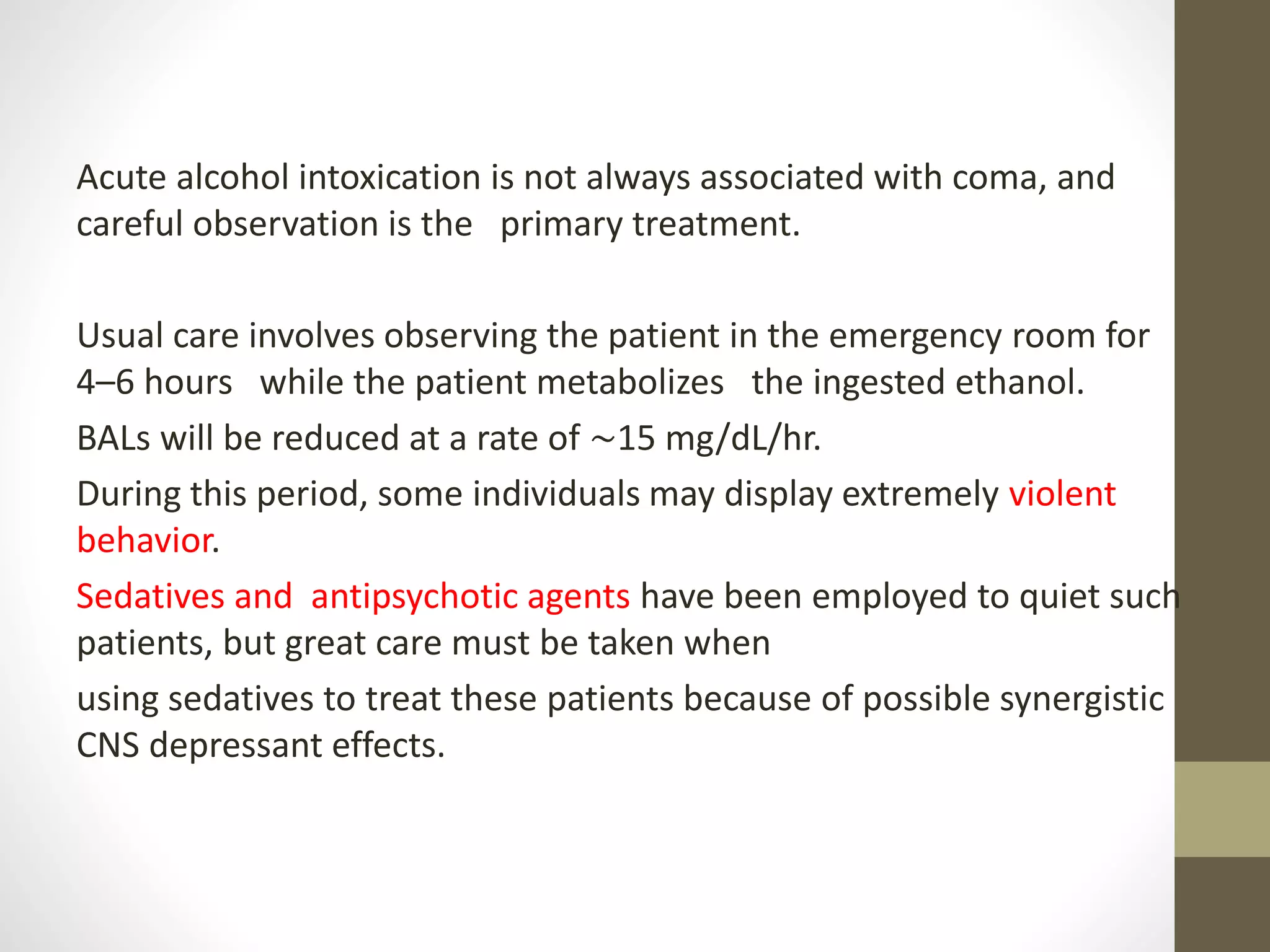
Once absorbed, ethanol distributes rapidly throughout total body water due to its high water and lipid solubility. It readily crosses the blood-brain barrier, which explains its immediate psychoactive properties. The primary site of metabolism is the liver, where enzymes process the chemical load. The first step involves alcohol dehydrogenase (ADH), which converts ethanol into acetaldehyde, a highly toxic intermediate compound. Subsequently, aldehyde dehydrogenase (ALDH) converts acetaldehyde into acetate, a non-toxic substance that breaks down further into carbon dioxide and water for excretion. However, the liver operates at a relatively fixed rate, typically metabolizing roughly one standard drink per hour. When consumption outpaces this clearance rate, excess ethanol accumulates in the blood, driving up blood alcohol concentration (BAC) levels and intensifying intoxication symptoms.
Blood Alcohol Concentration (BAC) and Behavioral Stages
Blood alcohol concentration serves as the standard clinical and legal metric for measuring the percentage of alcohol present in a person's bloodstream. A BAC of 0.10% means that a person's blood contains one part alcohol for every 1,000 parts blood. The physiological and psychological effects of ethanol correlate directly with rising BAC thresholds, progressing through distinct clinical stages from mild euphoria to profound central nervous system depression.
| BAC Range (%) | Behavioral and Cognitive Effects | Physiological Symptoms |
|---|---|---|
| 0.01 - 0.05 | Mild impairment, subtle mood alterations, relaxation | Decreased fine motor coordination, slight warmth |
| 0.06 - 0.15 | Emotional instability, impaired reasoning, memory lapses | Slurred speech, balance issues, delayed reaction times |
| 0.16 - 0.30 | Confusion, disorientation, nausea, severe motor deficits | Vomiting, blackouts, profound dizziness, lethargy |
| 0.31 - 0.45 | Central nervous system depression, unresponsiveness | Stupor, hypothermia, respiratory depression, coma |
| Above 0.45 | Life-threatening toxicity, circulatory collapse | Respiratory arrest, potential death |
Monitoring these stages highlights why individuals experience vastly different reactions to identical amounts of alcohol. Variables such as biological sex, total body mass, genetic variations in metabolic enzymes, and dietary status significantly shift how rapidly an individual reaches higher BAC brackets. For instance, individuals with lower total body water percentages generally achieve higher BAC levels than heavier individuals consuming the exact same volume of alcohol.
Physiological Complications and Acute Risks
As intoxication escalates, the central nervous system experiences widespread depression, disrupting vital autonomic functions controlled by the brainstem. One of the most immediate dangers of acute alcohol poisoning is the suppression of the gag reflex. When an intoxicated individual loses consciousness or enters a stupor, the body's protective mechanisms against choking fail, creating a severe risk of aspiration if vomiting occurs. Aspiration of gastric contents into the lungs can cause chemical pneumonitis, asphyxiation, or fatal pulmonary complications.
Furthermore, heavy ethanol intake severely impairs the thermoregulatory centers of the hypothalamus. While alcohol frequently induces a subjective feeling of warmth due to peripheral blood vessel dilation, this physiological response actually accelerates core body heat loss, predisposing severely intoxicated individuals to dangerous hypothermia, especially in cold environments. Electrolyte imbalances, severe dehydration resulting from alcohol's diuretic properties, and acute hypoglycemia further complicate severe intoxication, occasionally triggering cardiac arrhythmias or seizures in vulnerable populations.
Recognizing Signs of Alcohol Poisoning and Emergency Response
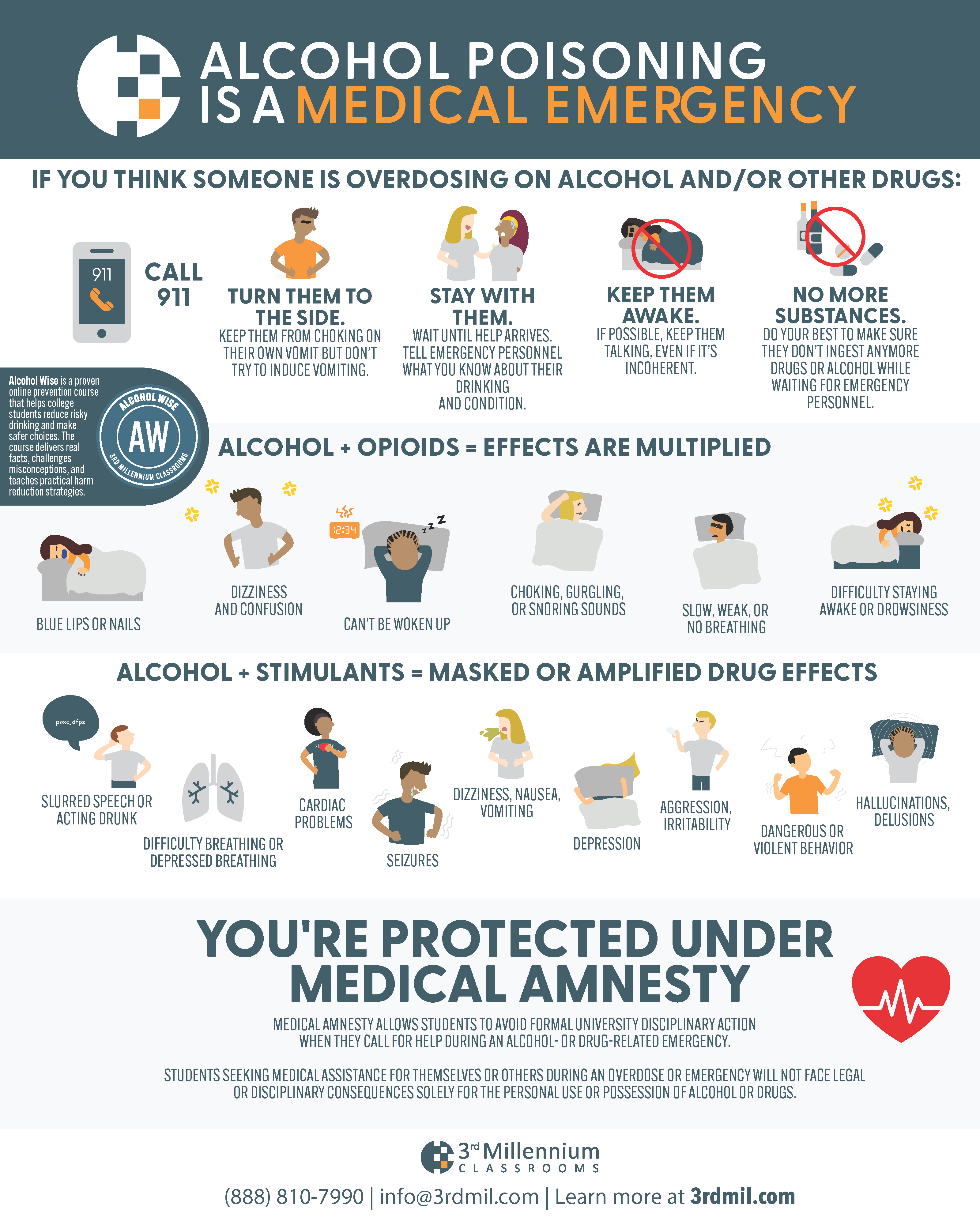
Differentiating between standard drunkenness and life-threatening alcohol poisoning requires vigilance, as mistaking severe toxicity for simple sleep can lead to fatal outcomes. Emergency medical intervention is necessary when specific high-risk indicators appear. Observers must never assume an intoxicated person will simply sleep off a severe episode if warning signs are present.
- Unresponsiveness: Inability to wake the individual up through shouting, shaking, or standard physical stimuli.
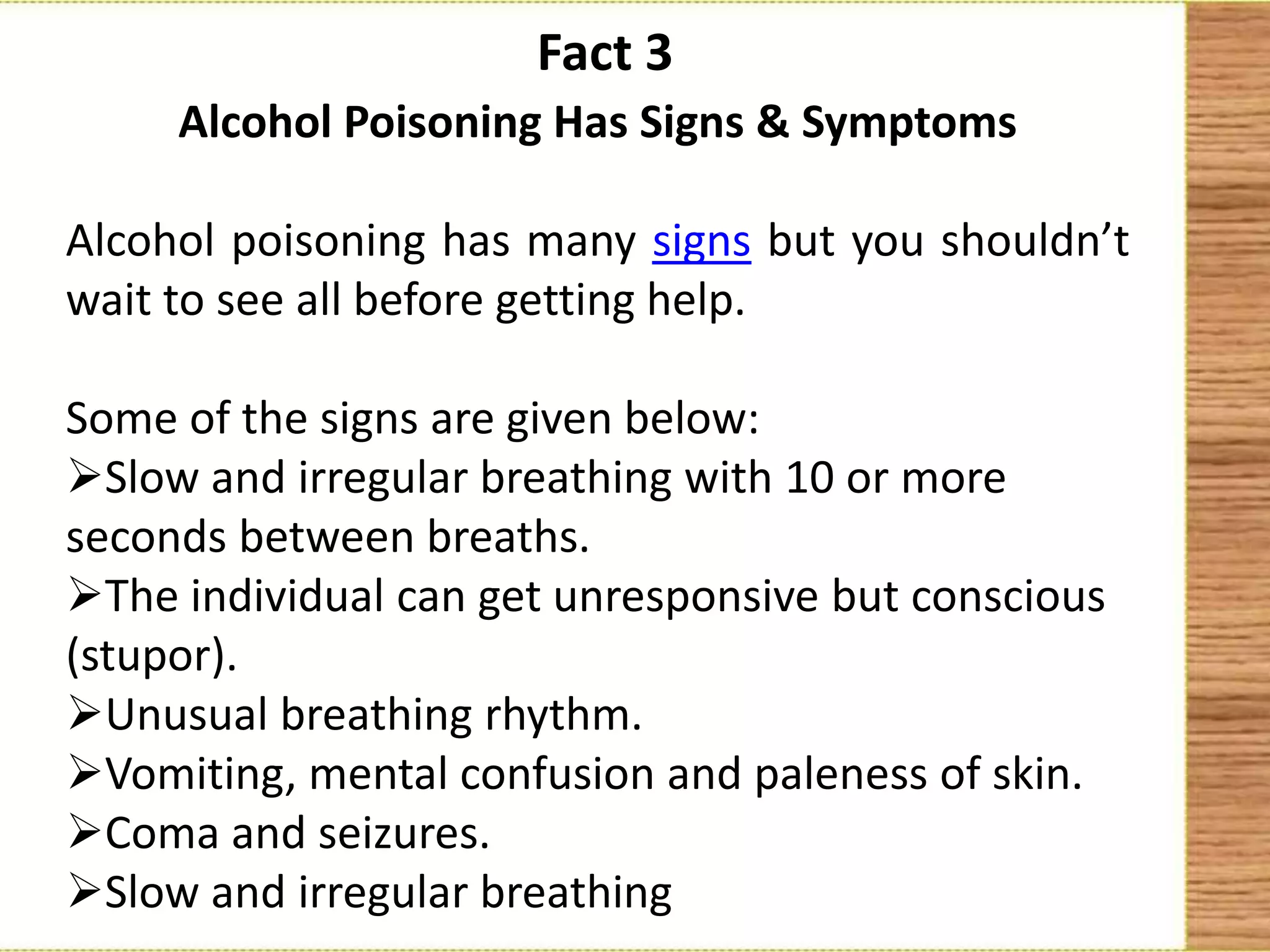
- Irregular Breathing: Slowed respiration dropping below eight breaths per minute, or irregular gaps of ten seconds or more between breaths.
- Cyanosis: Bluish tint around the lips, fingernails, or pale, clammy skin tone indicating low blood oxygen.
- Persistent Vomiting: Continuous vomiting while unconscious or semi-conscious, heightening the risk of choking.
When encountering someone displaying these emergency indicators, immediate action can save a life. Call local emergency services immediately. While waiting for medical professionals, do not leave the person alone. If they must be left unattended briefly or are vomiting, roll them onto their side into the recovery position to maintain a clear airway and prevent choking. Never attempt to force the person to drink coffee, take cold showers, or walk, as these traditional home remedies do not accelerate alcohol metabolism and can introduce additional physical hazards.
Long-Term Health Implications of Repeated Intoxication
While acute intoxication presents immediate trauma and overdose risks, repeated episodes of heavy drinking and chronic intoxication lead to cumulative, irreversible organ damage. The liver bears the brunt of long-term processing stress, progressing through stages of alcoholic fatty liver disease, alcoholic hepatitis, and eventually cirrhosis, characterized by permanent scarring and loss of hepatic function. Chronic heavy drinking also alters neurological structures, leading to persistent cognitive deficits, Wernicke-Korsakoff syndrome resulting from thiamine deficiency, and structural brain shrinkage.
Cardiovascular health is similarly compromised over time. Sustained heavy alcohol consumption contributes to hypertension, alcoholic cardiomyopathy (weakening of the heart muscle), and an increased incidence of stroke and irregular heart rhythms such as atrial fibrillation. Additionally, the National Toxicology Program of the US Department of Health and Human Services lists consumption of alcoholic beverages as a known human carcinogen, linking long-term misuse to cancers of the oral cavity, pharynx, larynx, esophagus, liver, colon, and breast.
Frequently Asked Questions About Alcohol Intoxication
What is the primary cause of alcohol poisoning?
Alcohol poisoning is caused by ingesting a toxic amount of ethanol in a short timeframe, typically through binge drinking. This overwhelms the liver's metabolic capacity, causing blood alcohol concentrations to rise to levels that shut down critical areas of the brain controlling breathing, heart rate, and temperature regulation.
Can coffee or cold showers sober someone up faster?
No, neither coffee nor cold showers accelerate the elimination of alcohol from the body. The liver metabolizes ethanol at a fixed, constant rate that cannot be sped up by external stimulants, hydration, or temperature changes. Only time allows the body to clear the alcohol safely.
Why do some people handle alcohol better than others?
Individual tolerance and metabolism depend on multiple physiological factors, including body mass, total body water composition, biological sex, genetic variations in alcohol-metabolizing enzymes, and frequency of past alcohol use. Regular drinkers may develop functional tolerance, meaning they display fewer visible signs of intoxication at higher BAC levels, though their internal organ damage risks remain elevated.
What should you do if someone passes out from drinking?
If an individual passes out and cannot be easily awakened, place them on their side in the recovery position to prevent choking on vomit, monitor their breathing continuously, and call emergency services immediately. Do not leave them unattended or assume they are just sleeping.
Is alcohol intoxication considered a medical emergency?
Severe alcohol intoxication involving respiratory depression, loss of consciousness, hypothermia, or persistent seizures is a medical emergency requiring immediate professional intervention in a hospital setting to prevent permanent organ damage or death.
Practical Next Actions and Professional Guidance
Navigating issues related to alcohol consumption requires reliable medical insight and supportive resources. If you or someone you know struggles with alcohol misuse, seeking professional guidance from a primary care physician, certified addiction specialist, or licensed mental health counselor is an essential first step. Confidential support and treatment locator tools are available globally through public health agencies, such as the Substance Abuse and Mental Health Services Administration (SAMHSA) National Helpline in the United States, which offers 24/7 treatment referral and information services.