Alcohol health encompasses the complex intersection of ethanol consumption and human physiological, psychological, and social well-being. Regular and heavy consumption alters neurological pathways, stresses hepatic metabolism, and elevates cardiovascular disease risks, whereas lower intake levels carry varying degrees of scientifically debated risk. Public health frameworks emphasize moderation, medical screening, and evidence-based harm reduction to manage these impacts effectively.
Defining Alcohol and Its Chemical Interaction with the Human Body
Ethanol, the primary psychoactive component found in beer, wine, and spirits, is a central nervous system depressant that rapidly crosses the blood-brain barrier. Upon ingestion, the body initiates a multi-step metabolic process primarily localized in the liver. Alcohol dehydrogenase (ADH) converts ethanol into acetaldehyde, a highly toxic intermediate and known carcinogen. Subsequently, aldehyde dehydrogenase (ALDH) metabolizes acetaldehyde into acetate, which is eventually broken down into carbon dioxide and water for excretion. Genetic variations in the genes encoding these enzymes—particularly among populations of East Asian descent—can influence individual tolerance, flush reactions, and the systemic accumulation of toxic metabolites.
Beyond hepatic processing, alcohol exerts widespread systemic effects due to its solubility in both water and lipids. It disrupts neurotransmitter systems by enhancing the inhibitory effects of gamma-aminobutyric acid (GABA) and inhibiting the excitatory pathways of glutamate, leading to impaired motor coordination, slowed reaction times, and altered judgment. Chronic exposure structurally adapts these receptors, driving neuroadaptation, tolerance, and withdrawal phenomena upon cessation. Understanding these foundational biochemical mechanics is essential for evaluating how moderate versus excessive intake manifests as distinct clinical outcomes across different organ systems.
Physiological Impacts Across Major Organ Systems
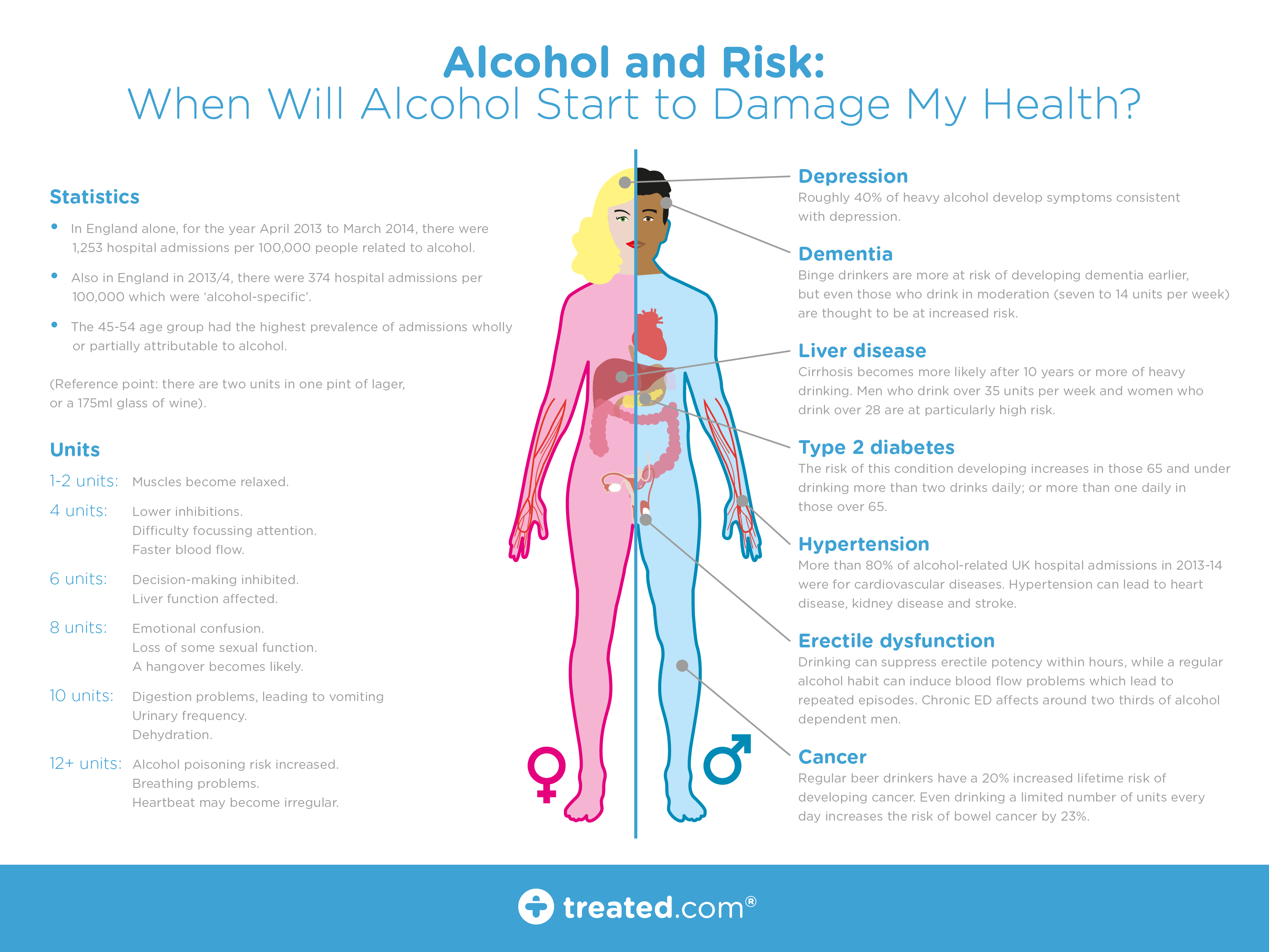
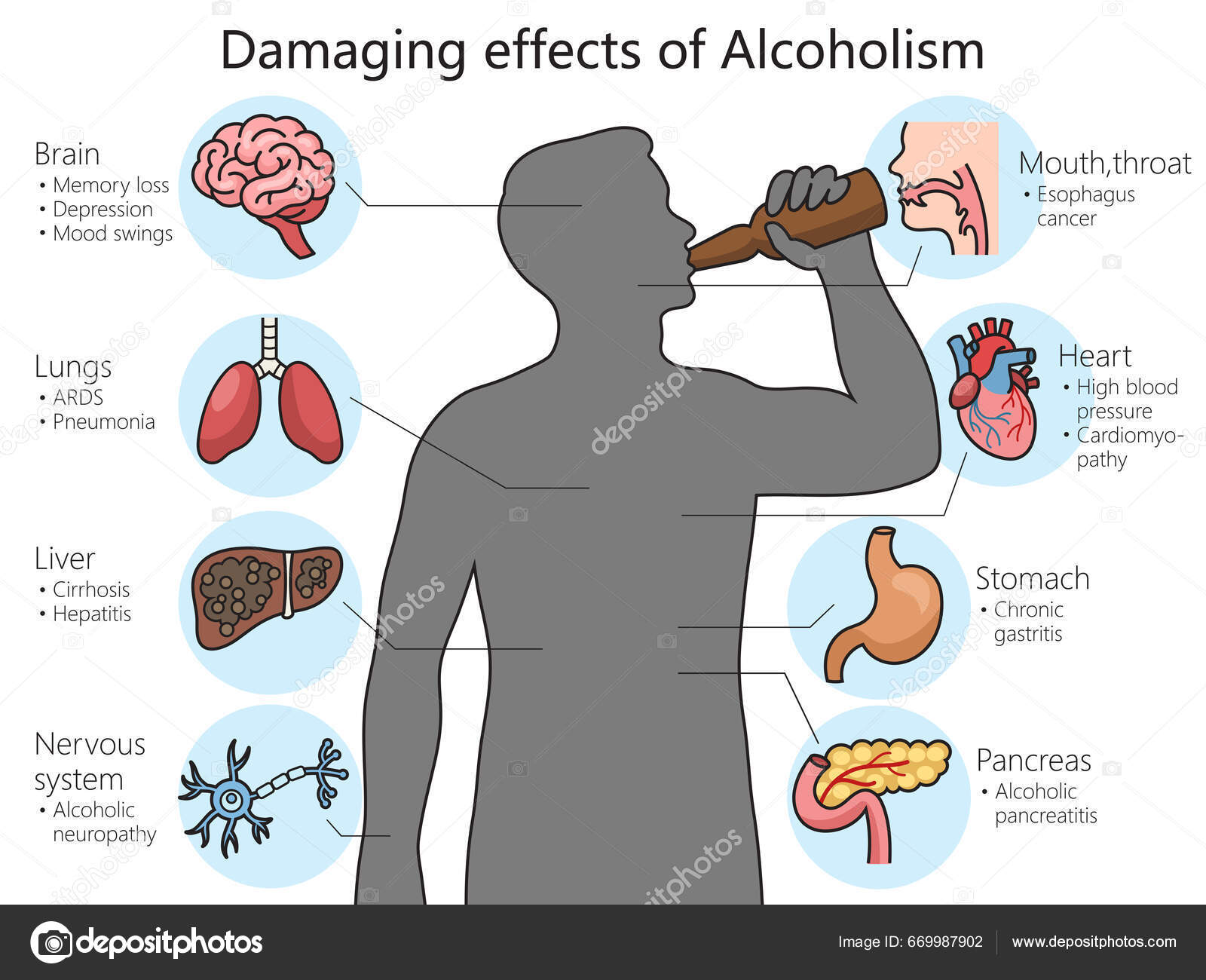
The long-term and acute consequences of alcohol consumption manifest across nearly every major organ system, with severity generally correlating with total cumulative volume and drinking patterns. The cardiovascular system exhibits a complex response profile; while historical observational studies suggested modest cardioprotective associations from light drinking, contemporary epidemiological and genetic analyses increasingly challenge these findings, indicating that any level of consumption elevates hypertension and stroke risks. Chronic heavy drinking weakens the heart muscle directly, leading to alcoholic cardiomyopathy, a form of heart failure characterized by ventricular enlargement and inefficient pumping capacity.
Gastrointestinal and hepatic implications are particularly profound. Prolonged exposure causes a spectrum of liver disease progressing from simple steatosis (fatty liver) to alcoholic hepatitis and irreversible cirrhosis, where healthy tissue is replaced by fibrotic scar tissue. Simultaneously, the gastrointestinal tract suffers from mucosal barrier breakdown, increasing intestinal permeability (often termed leaky gut) and allowing endotoxins to enter the bloodstream, which triggers systemic inflammation. Furthermore, the International Agency for Research on Cancer (IARC) classifies ethanol and its primary metabolite, acetaldehyde, as Group 1 carcinogens, establishing a definitive causal link between alcohol consumption and cancers of the breast, colorectum, esophagus, larynx, pharynx, and oral cavity.
| Organ System | Acute Effects | Chronic Pathologies |
|---|---|---|
| Central Nervous System | Impaired cognition, sedation, altered motor control | Neurodegeneration, Wernicke-Korsakoff syndrome, dependency |
| Hepatic System | Temporary steatosis, impaired gluconeogenesis | Steatohepatitis, fibrosis, cirrhosis, hepatocellular carcinoma |
| Cardiovascular System | Vasodilation, transient blood pressure reduction | Hypertension, cardiomyopathy, arrhythmias, stroke |
| Gastrointestinal Tract | Mucosal irritation, acute gastritis | Esophageal varices, chronic malabsorption, malignancies |
Public Health Guidelines and Standard Drink Measures
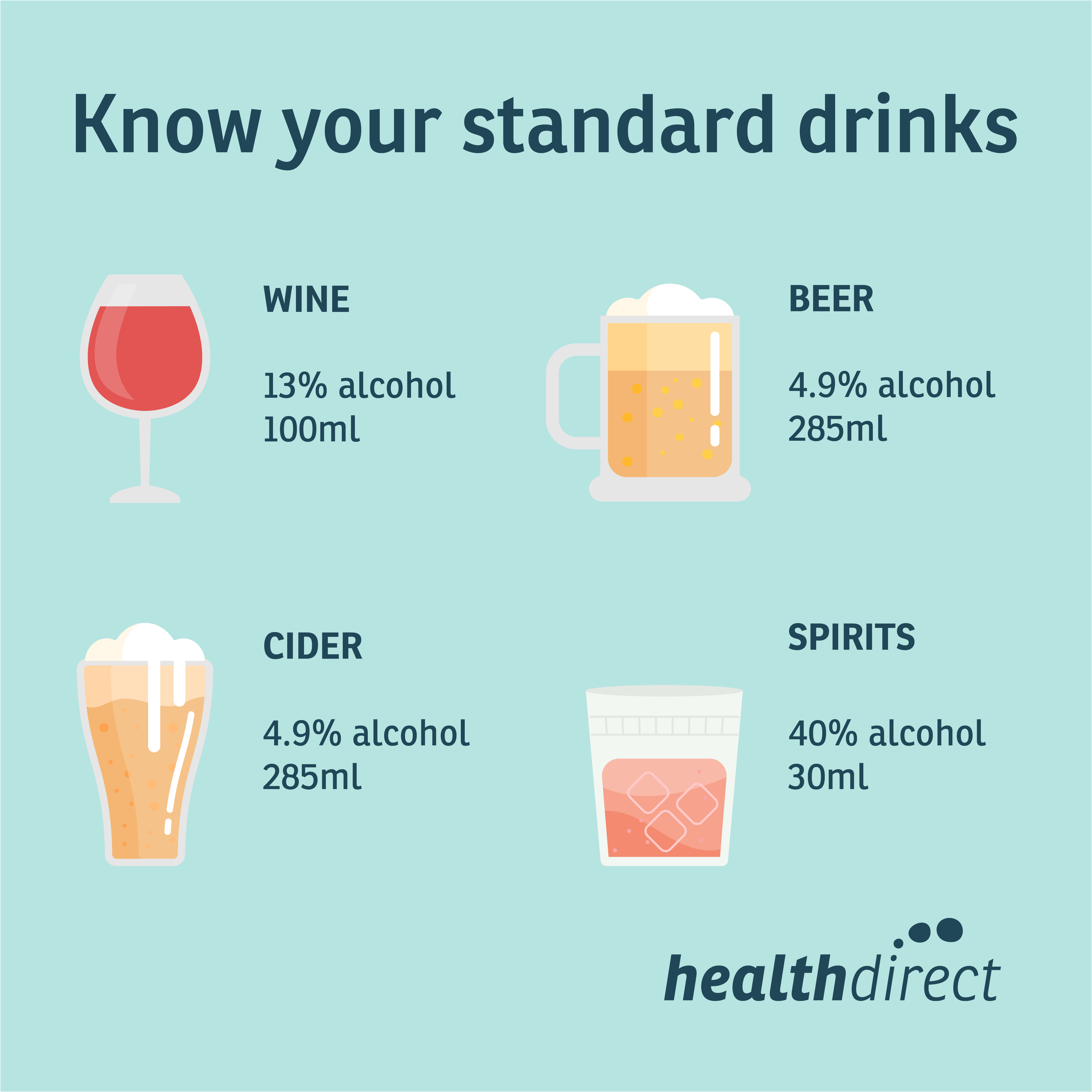
To help individuals quantify their intake and assess potential risks, public health authorities establish standard drink definitions and low-risk consumption guidelines. In the United States, a standard drink contains roughly 14 grams (0.6 ounces) of pure alcohol, which corresponds to approximately 12 ounces of regular beer (5% ABV), 5 ounces of wine (12% ABV), or 1.5 ounces of 80-proof distilled spirits (40% ABV). Guidelines from agencies such as the U.S. Department of Agriculture (USDA) and the Centers for Disease Control and Prevention (CDC) historically recommended limiting intake to two drinks or less per day for men and one drink or less per day for women, though emerging international guidelines increasingly emphasize that lower consumption yields better health outcomes.
Evaluating these thresholds requires distinguishing between daily limits and weekly totals, as binge drinking—defined as consuming 4 or more drinks for women or 5 or more drinks for men within a two-hour window—carries acute risks independent of average weekly consumption. Binge episodes sharply increase the probability of accidental trauma, acute alcohol poisoning, cardiac arrhythmias, and acute ischemic events. Consequently, public health messaging has shifted from focusing solely on safe consumption ceilings to promoting regular alcohol-free days and encouraging personalized risk assessments based on family history, biological sex, and pre-existing medical conditions.
Identifying and Managing Alcohol Use Disorders
When consumption patterns transition from controlled social use to compulsive intake despite adverse consequences, individuals may meet the clinical criteria for an Alcohol Use Disorder (AUD). Codified within the Diagnostic and Statistical Manual of Mental Disorders (DSM-5), AUD encompasses a spectrum from mild to severe, diagnosed through criteria such as failed attempts to cut down, tolerance development, cravings, and interference with major role obligations. Early identification through validated screening tools, such as the AUDIT (Alcohol Use Disorders Identification Test) administered by primary care physicians, remains vital for initiating timely, targeted interventions.
Management and treatment strategies for AUD are multimodal, combining pharmacotherapy with behavioral therapies. Federal regulators have approved several medications to assist in recovery:
- Naltrexone: An opioid receptor antagonist that reduces cravings and blocks the euphoric effects associated with drinking.
- Acamprosate: Helps restore normal brain activity in glutamate and GABA pathways, mitigating protracted withdrawal symptoms.
- Disulfiram: Produces an acute adverse physiological reaction—including flushing, nausea, and tachycardia—if alcohol is consumed, acting as a behavioral deterrent.
Complementary to pharmacotherapy, evidence-based psychotherapeutic modalities such as Cognitive Behavioral Therapy (CBT), Motivational Enhancement Therapy (MET), and participation in mutual-aid groups like Alcoholics Anonymous provide essential social support and relapse-prevention skills.
Strategies for Risk Reduction and Harm Mitigation
For individuals who choose to consume alcohol, adopting structured harm reduction strategies can significantly mitigate acute and chronic health hazards. Pacing consumption by alternating alcoholic beverages with water, consuming adequate food before and during drinking sessions to slow gastric emptying, and arranging designated transportation or ridesharing services are foundational steps to prevent acute trauma and poisoning. Furthermore, individuals taking medications metabolized by the liver or those with chronic conditions such as diabetes, hypertension, or liver disease must exercise heightened caution, as alcohol interacts adversely with numerous prescription and over-the-counter pharmaceuticals.
Navigating social pressures and establishing personal consumption boundaries require deliberate planning, particularly in environments centered around drinking. Setting strict limits before attending social events, communicating choices clearly to peers, and actively seeking alcohol-free alternatives help maintain control over intake. Healthcare providers recommend periodic self-assessments to evaluate drinking habits objectively against established guidelines, ensuring that consumption does not escalate into dependence or contribute to deteriorating metabolic and mental health metrics over time.
Frequently Asked Questions About Alcohol Health
What constitutes a standard drink of alcohol?
A standard drink is defined as any beverage containing approximately 14 grams of pure alcohol. This equals 12 ounces of regular beer, 5 ounces of wine, or 1.5 ounces of distilled spirits. Recognizing this unit helps individuals accurately track their consumption against public health guidelines.
Does moderate drinking offer health benefits?
While past observational studies suggested potential cardiovascular benefits from light drinking, modern epidemiological research indicates that these associations may be confounded by lifestyle factors. Current consensus views any level of alcohol consumption as carrying some degree of risk, particularly concerning oncogenesis and hypertension.
What are the early signs of alcohol-induced liver damage?
Early liver damage often presents subtly, manifesting as mild fatigue, right upper quadrant abdominal discomfort, or elevated liver enzymes (AST and ALT) detected during routine blood work. Left unaddressed, this can progress to asymptomatic steatosis and eventually severe fibrosis.
Can moderate alcohol intake affect sleep quality?
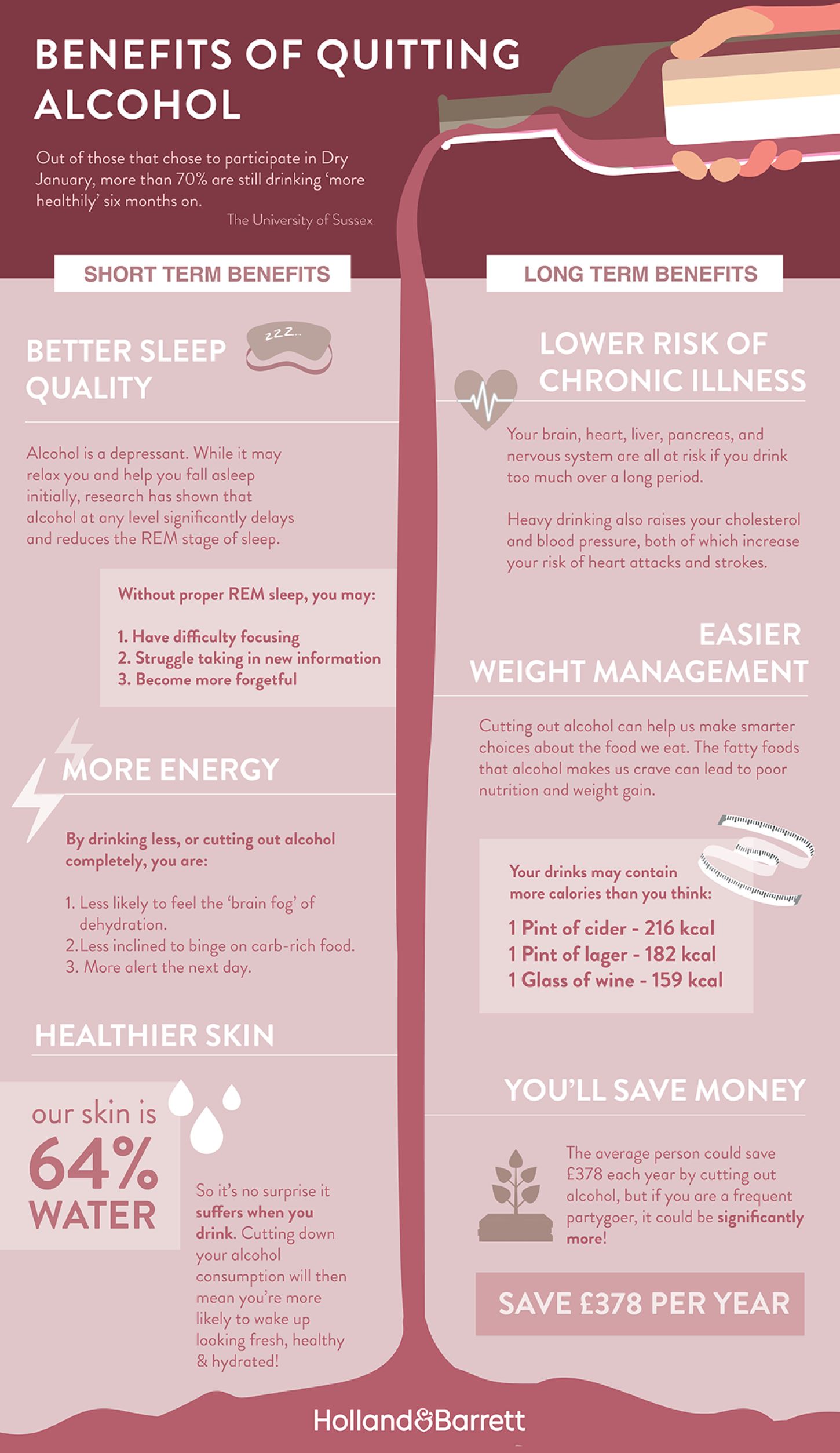
Yes, although alcohol is a sedative that may help individuals fall asleep faster, it significantly disrupts rapid eye movement (REM) sleep and causes frequent nighttime awakenings as the body metabolizes the substance. This leads to fragmented, poor-quality sleep and daytime fatigue.
When should someone seek professional help for their drinking habits?
Professional help should be sought if drinking leads to interpersonal conflicts, legal or occupational problems, failed attempts to reduce intake, or withdrawal symptoms such as tremors, anxiety, and sweating when sober. Primary care providers can offer confidential initial screenings and referral pathways.
How does biological sex influence alcohol metabolism?
Biological females generally have lower levels of the gastric enzyme alcohol dehydrogenase and a higher percentage of body fat with lower total body water volume compared to males. Consequently, alcohol is distributed in a smaller fluid volume, resulting in higher blood alcohol concentrations from equivalent consumption amounts.
Tailoring Personal Health Decisions
To effectively manage your alcohol consumption and safeguard your long-term well-being, schedule an evaluation with a primary care physician to discuss your family history, medication use, and personal health goals. Utilize validated self-assessment tools to monitor your weekly intake accurately, and consult authoritative resources such as the National Institute on Alcohol Abuse and Alcoholism (NIAAA) for evidence-based guidance and support services.