Choosing an alcohol-free lifestyle or incorporating zero-proof beverages into social routines involves understanding beverage classifications, production methods, and potential health impacts. Whether driven by wellness goals, pregnancy, medication interactions, or personal preference, consumers today encounter a rapidly expanding market of non-alcoholic beers, wines, spirits, and botanical blends designed to mimic traditional drinks without the ethanol content.
Defining Alcohol-Free and Non-Alcoholic Classifications
Navigating the market requires understanding the legal and manufacturing definitions separating beverages labeled as "alcohol-free" from those termed "non-alcoholic." Regulatory bodies across different jurisdictions establish specific thresholds for these terms, which dictate how manufacturers formulate and market their products.
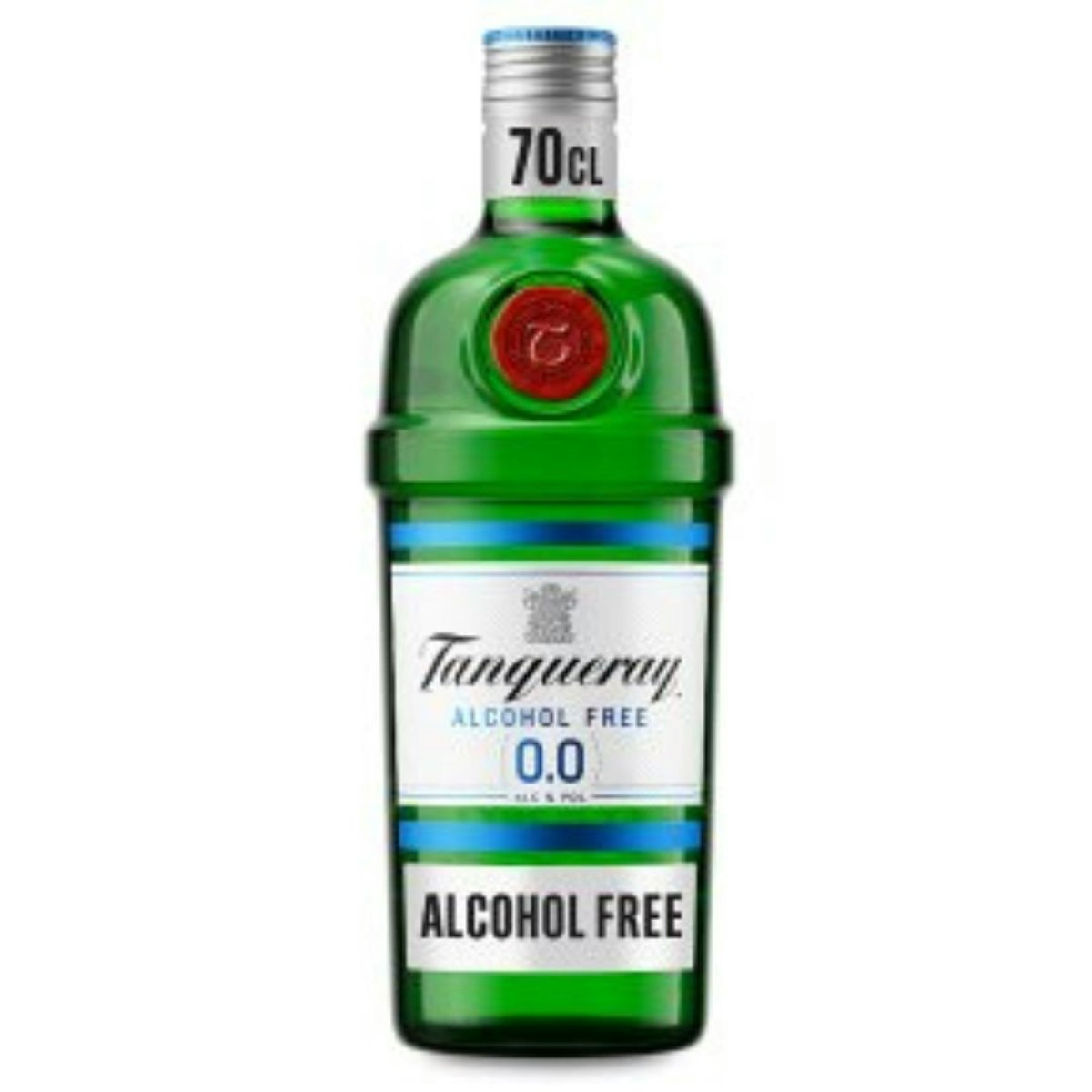
In many Western markets, including the United States and the United Kingdom, "alcohol-free" typically applies to beverages containing 0.05% ABV (alcohol by volume) or less. This threshold accounts for trace amounts of alcohol that can occur naturally through fermentation in everyday foods like ripe fruit, bread, and fruit juices. By contrast, products explicitly labeled "non-alcoholic" may contain up to 0.5% ABV in certain jurisdictions. While this amount is negligible for most healthy adults, individuals managing severe alcohol use disorder, religious restrictions, or specific medical conditions must examine labels closely.
Understanding these distinctions prevents misinterpretation when purchasing beverages for social or health reasons. Manufacturers utilize various techniques to achieve these low or zero levels, ranging from arresting the fermentation process early to vacuum distillation, reverse osmosis, and thermal evaporation. Each method alters the chemical composition of the base liquid differently, impacting body, aroma, and flavor profiles.
| Term Label | Maximum ABV Threshold | Typical Manufacturing Method | Suitability Notes |
|---|---|---|---|
| Alcohol-Free | 0.00% to 0.05% | Arrested fermentation or zero-addition formulation | Generally suitable for pregnant individuals and those avoiding all ethanol. |
| Non-Alcoholic | Up to 0.5% | Vacuum distillation, reverse osmosis, or dealcoholization | Contains trace alcohol; consult healthcare providers for strict medical abstention. |
| Low-Alcohol | 1.2% to 3.5% | Dilution or partial fermentation | Clearly distinguished from zero-proof; not suitable for complete abstention. |
Production Methods for Zero-Proof Beverages
Creating satisfying alcohol-free alternatives requires advanced food science and engineering. Traditional beverages derive their complexity, mouthfeel, and structural integrity from ethanol interacting with flavor compounds, sugars, and acids. Removing or preventing the formation of alcohol alters these characteristics, prompting producers to deploy sophisticated technological interventions.
The two primary manufacturing pathways are arrest-fermentation and post-fermentation dealcoholization. Arrest-fermentation involves halting the yeast activity before significant conversion of sugars into alcohol occurs, often by rapidly chilling the wort or wine must. While this method preserves natural grain or grape flavors, it can leave residual unfermented sugars that make the final product taste overly sweet or wort-like compared to traditional fermented beverages.
Post-fermentation dealcoholization allows the beverage to brew fully, developing the complex flavor profile associated with traditional beer or wine, before the alcohol is gently extracted. Vacuum distillation is a prominent technique here, lowering the boiling point of ethanol by reducing atmospheric pressure. This allows alcohol to evaporate at much lower temperatures, preserving delicate aromatic compounds that would otherwise degrade under traditional heat. Reverse osmosis pushes the liquid through specialized microscopic filters to separate water and alcohol from flavor compounds, after which the water and flavor elements are recombined.
Health and Wellness Impacts of Eliminating Alcohol
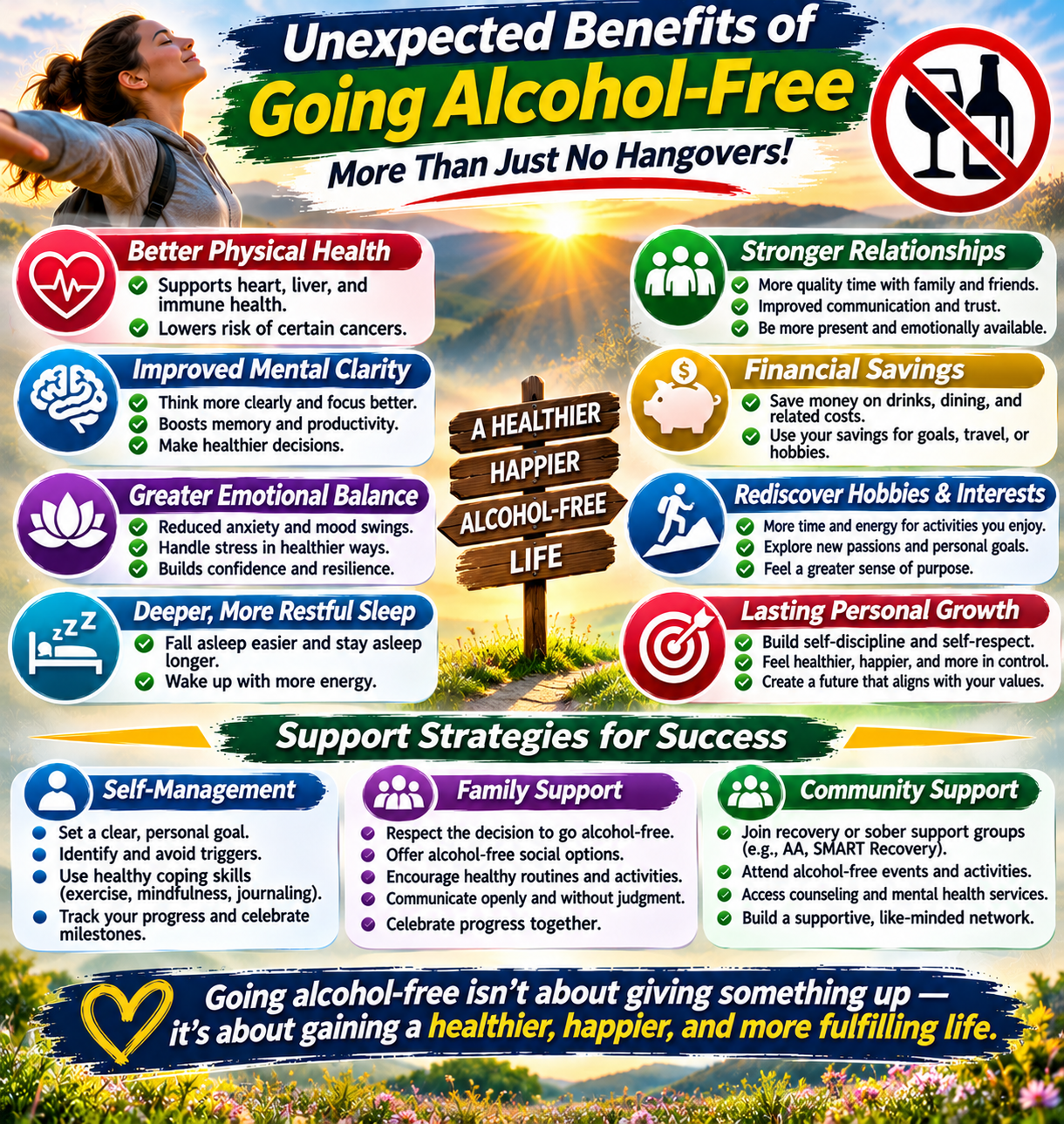
Transitioning to an alcohol-free diet yields measurable physiological and psychological changes. Even moderate alcohol consumption places continuous metabolic stress on the liver, disrupts sleep architecture, and contributes to systemic inflammation. Eliminating ethanol from daily routines prompts immediate and long-term improvements across multiple bodily systems.
Sleep quality represents one of the most commonly reported improvements among individuals reducing their alcohol intake. While alcohol acts as a sedative and may help individuals fall asleep faster, it heavily disrupts rapid eye movement (REM) sleep and causes frequent micro-awakenings during the second half of the night. Removing alcohol restores normal sleep cycles, resulting in higher daytime alertness, improved cognitive function, and enhanced mood stability.
From a metabolic perspective, reducing or eliminating alcohol decreases empty calorie consumption and stabilizes blood sugar levels. Alcoholic beverages are often high in carbohydrates and sugars, and processing ethanol diverts the liver from vital metabolic tasks. Over time, consistent abstention supports weight management, lower blood pressure, and improved liver enzyme profiles.
Social Dynamics and Cultural Shifts in Hospitality
The mainstream acceptance of alcohol-free living has transformed modern hospitality, altering how restaurants, bars, and social gatherings accommodate non-drinking guests. Historically, options were limited to sugary sodas, juices, or plain water. Today, upscale establishments employ dedicated beverage programs featuring sophisticated zero-proof cocktails—often called mocktails—crafted with artisanal botanical distillates, house-made shrubs, bitters, and complex infusions.
This cultural shift normalizes choosing not to drink alcohol, removing the social friction or stigma previously associated with declining a glass of wine or beer at social events. Professional bartenders increasingly treat alcohol-free mixology with the same culinary rigor as traditional cocktails, focusing on balance, acidity, tannin structure, and aromatic complexity.
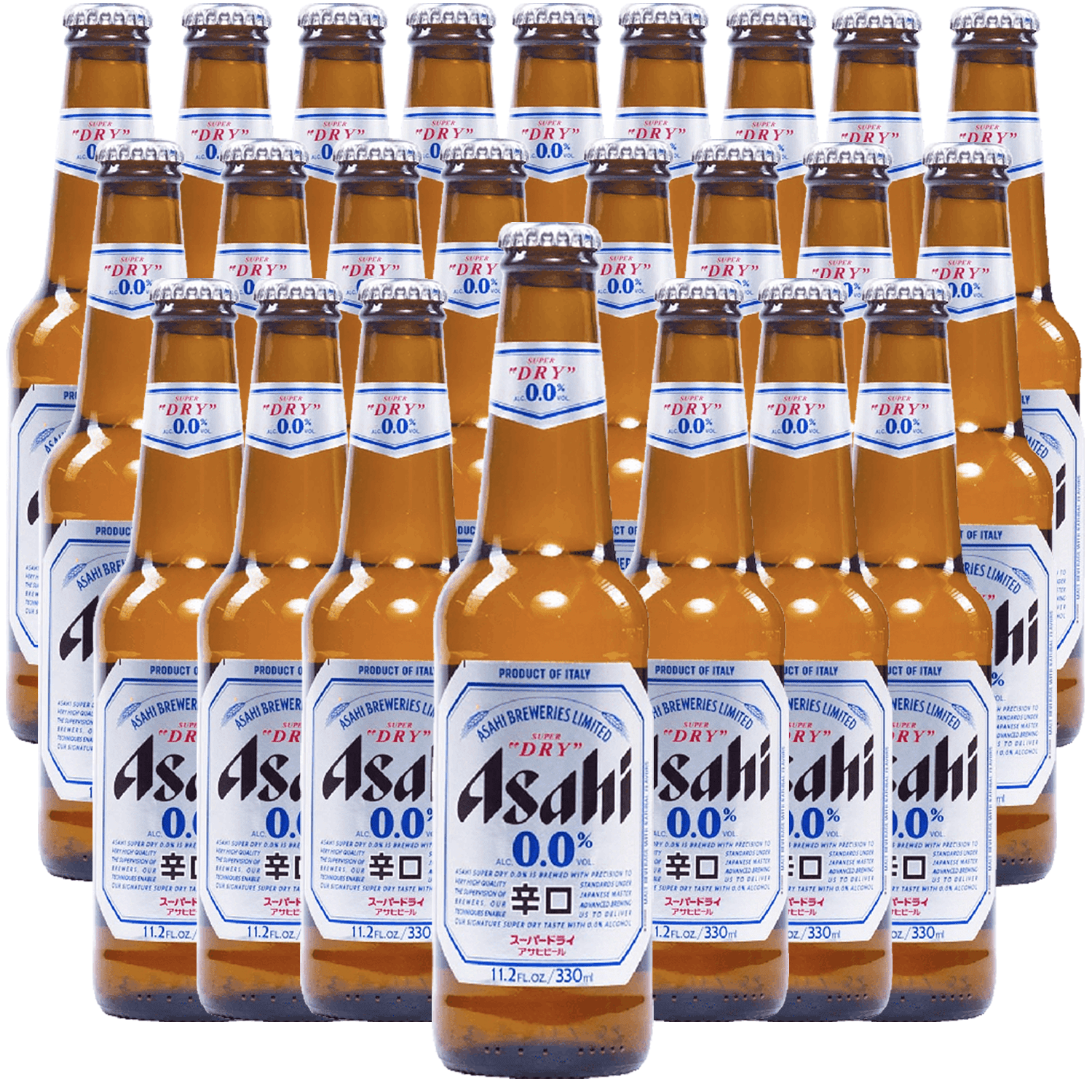
For hosts and event planners, curating an inclusive beverage menu involves providing distinct, high-quality alternatives that match the celebratory tone of traditional gatherings. Offering premium alcohol-free beers, dealcoholized wines, and craft botanical waters ensures that all guests feel included regardless of their personal, religious, or health-related reasons for abstaining.
Practical Guidance for Selecting and Storing Alcohol-Free Products
Selecting the right alcohol-free beverage requires attention to storage, serving temperatures, and flavor pairing principles. Because these products lack the natural preservative qualities of ethanol, their chemical stability differs from traditional counterparts, particularly after opening.
- Check the Ingredients List: Look for natural botanicals, real fruit juices, and complex flavor bases rather than excessive artificial sweeteners and flavorings designed to mask a thin body.
- Observe Storage Guidelines: Unopened alcohol-free beer and wine should be kept in cool, dark environments. Once opened, they oxidize rapidly and should be consumed within 24 to 48 hours, with refrigeration strictly maintained.
- Match Serving Temperatures: Treat alcohol-free wines and craft beers with the same temperature respect as traditional equivalents. Lighter zero-proof whites and hop-forward alcohol-free IPAs shine when properly chilled, while heavier styles benefit from slight warming to release complex aromatics.
- Evaluate Sugar Content: Read nutritional labels carefully, as some non-alcoholic alternatives compensate for the loss of alcohol's body by adding higher amounts of sugar or fruit concentrates.
Frequently Asked Questions
Can alcohol-free beverages still contain trace amounts of alcohol?
Yes. Beverages labeled as "alcohol-free" can legally contain up to 0.05% ABV in many regions, while "non-alcoholic" products may contain up to 0.5% ABV. These trace amounts are comparable to levels naturally found in everyday foods like ripe bananas, burger buns, and fermented fruit juices.
Are alcohol-free drinks safe during pregnancy?
While the extremely low ABV in alcohol-free products (0.0% to 0.5%) is generally considered negligible by food safety standards, medical guidelines regarding alcohol consumption during pregnancy vary. Expectant mothers should consult their obstetrician or healthcare provider before consuming non-alcoholic beers, wines, or spirits.
Do alcohol-free wines taste identical to traditional wine?
They do not taste completely identical because ethanol plays a major structural role in carrying aromas, providing mouthfeel, and creating a warming sensation in the throat. However, modern dealcoholization techniques and the addition of tannins, acids, and grape must have significantly closed the gap in quality.
How are calories in alcohol-free beer compared to regular beer?
Alcohol-free beers typically contain significantly fewer calories than standard beers—often between 50% and 80% less—primarily because they lack the caloric density of ethanol (which provides approximately seven calories per gram). However, caloric content varies based on residual sugars added to mimic the body of regular beer.
Can alcohol-free beer trigger a relapse for someone with alcohol use disorder?
For individuals in recovery, the sensory experience of drinking—such as the taste, smell, and social context of holding a beer bottle—can sometimes act as a psychological trigger. It is advisable for individuals with alcohol use disorder to assess their personal comfort levels and consult addiction support specialists or healthcare providers before introducing these products into their routines.
Optimizing Your Zero-Proof Transition
Transitioning successfully to an alcohol-free lifestyle or expanding your repertoire of zero-proof beverages involves experimenting across different categories to find products that match your palate. Begin by sampling various craft non-alcoholic IPAs, stouts, and botanical spirits to discover which manufacturing styles and flavor profiles appeal most to your preferences. Prioritize products that emphasize natural ingredients and sophisticated flavor extraction methods, ensuring a satisfying experience that supports your long-term health and wellness objectives.