Alcohol formats encompass the diverse array of packaging types, volume measurements, and delivery structures utilized across the beverage alcohol industry. From traditional glass wine bottles and standardized beer cans to alternative formats like bag-in-box, aluminum bottles, and kegs, container choice directly influences product stability, logistics, shelf life, and consumer experience. Understanding these physical formats is essential for manufacturers, hospitality operators, and consumers navigating commercial regulations and storage requirements.
Evolution and Classification of Beverage Alcohol Packaging
The packaging of alcoholic beverages has evolved from ancient clay amphorae and wooden casks into a highly regulated science balancing preservation, logistics, and branding. In modern commercial markets, alcohol formats are primarily categorized by material composition, volume capacity, and functional application. These divisions serve both regulatory compliance, such as tax determination and consumer protection labeling, and operational efficiency throughout the supply chain.
Glass remains the historic baseline for wine, spirits, and many craft beers due to its complete impermeability to oxygen and liquids. However, the contemporary market incorporates rigid metals, flexible polymers, and paper-based composites. Each format possesses distinct thermal, mechanical, and chemical properties that interact with the packaged liquid over time. Furthermore, packaging must adhere to strict volumetric standards established by government bodies, such as the Alcohol and Tobacco Tax and Trade Bureau (TTB) in the United States or the International Organization of Legal Metrology (OIML) internationally, to ensure fair trade and accurate taxation.
Glass Formats: Bottles, Decanters, and Standardized Sizes
Glass bottles represent the dominant format for high-value spirits and fine wines, prized for their chemical neutrality and aesthetic appeal. Traditional wine bottle shapes—such as Bordeaux, Burgundy, and Champagne—reflect historical regional adaptations designed for specific grape varieties and carbonation levels. For instance, sparkling wine bottles feature thicker walls and deep punted bottoms to withstand internal pressures exceeding five atmospheres.
Spirits typically utilize standardized metric volumes, with the 750-milliliter bottle serving as the global baseline, alongside 1-liter, 1.75-liter (handle), and smaller airplane-sized miniatures (nips). Wine volumes follow a similar standardized hierarchy, codified by historical naming conventions derived largely from biblical figures.
| Format Name | Volume Equivalent | Typical Application |
|---|---|---|
| Split / Piccolo | 187.5 mL (0.1875 L) | Single-serving sparkling wine |
| Half / Demie | 375 mL (0.375 L) | Dessert wines, half-bottles of table wine |
| Standard | 750 mL (0.750 L) | Global standard for wine and spirits |
| Magnum | 1.5 L | Premium wine, enhanced aging potential |
| Jeroboam / Double Magnum | 3.0 L | Large-format celebrations, extended maturation |
The choice of glass color also impacts product longevity. Amber and dark green glass filter out ultraviolet (UV) light, protecting photosensitive compounds in beer and wine from developing lightstruck or skunky off-flavors caused by the degradation of hop acids or organic molecules.
Metal Formats: Aluminum Cans, Kegs, and Modern Innovations
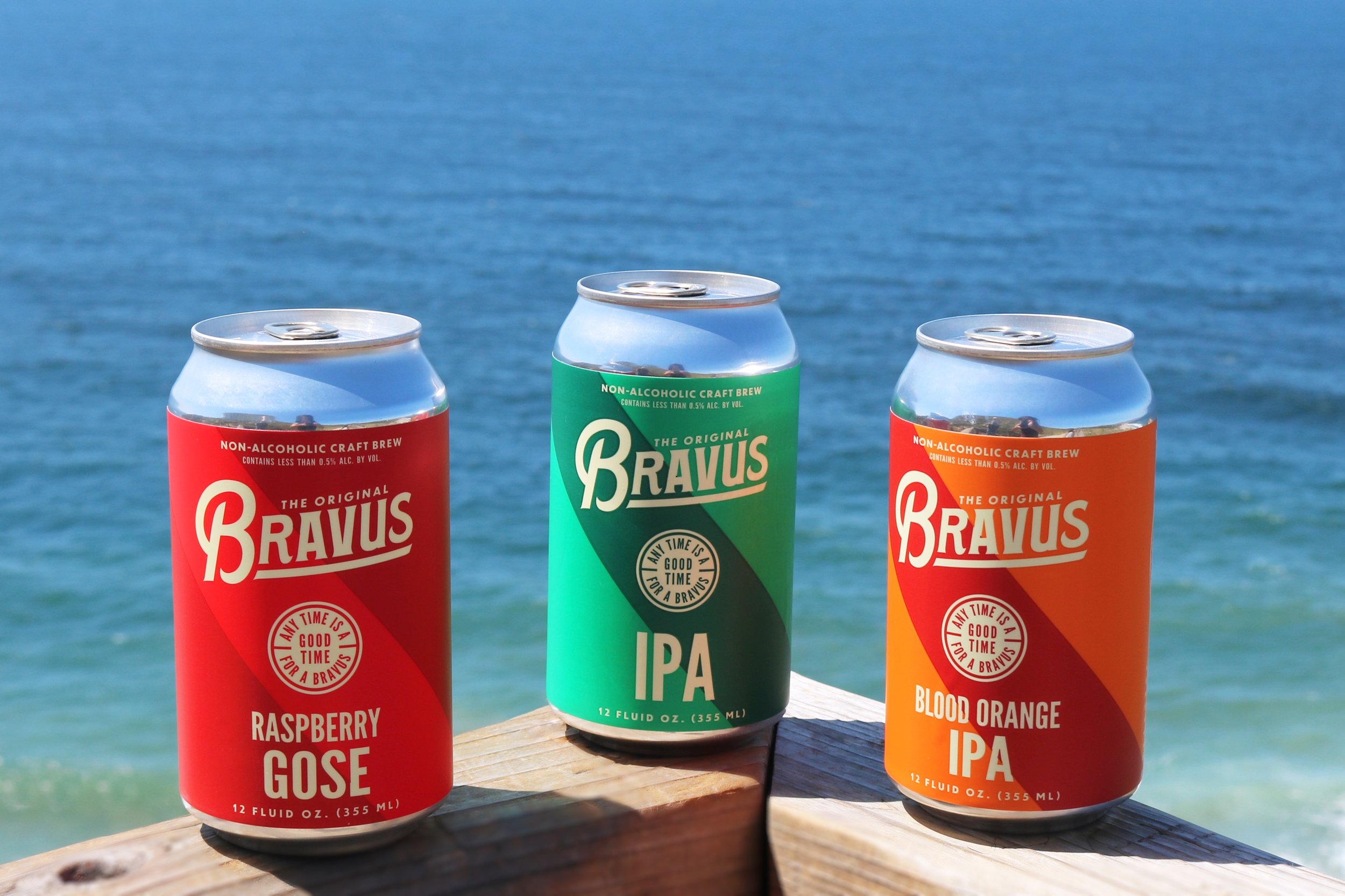
Aluminum packaging has experienced rapid expansion across the beer, cider, ready-to-drink (RTD) cocktail, and wine sectors. The modern aluminum can offers a completely opaque barrier against light and oxygen, combined with rapid thermal conductivity that chills beverages faster than glass. Innovations in internal polymer linings, or lacquers, prevent the beverage from interacting directly with the metal, eliminating metallic taste transfer while preserving carbonation.
In commercial hospitality, stainless steel kegs serve as the primary bulk format for draft beer, cider, and wine on tap. Keg systems rely on pressurized carbon dioxide or nitrogen gas to push the liquid through dispensing lines, maintaining carbonation levels and preventing oxidation during service.
- Sixth Barrel (Sixtel): Holds approximately 5.16 gallons (19.5 liters), ideal for craft beer rotation in smaller venues.
- Quarter Barrel (Pony Keg): Holds 7.75 gallons (29.3 liters), commonly used for medium-volume events and bars.
- Half Barrel (Full Size Keg): Holds 15.5 gallons (58.7 liters), the industry standard for high-volume commercial establishments.
Aluminum bottles have also emerged as a hybrid format, offering resealability similar to traditional glass bottles combined with the shatterproof, lightweight durability of metal. These are frequently utilized at large-scale entertainment venues and outdoor events where glass safety restrictions apply.
Flexible and Alternative Packaging Solutions
Beyond rigid containers, the beverage industry increasingly adopts flexible and alternative formats aimed at reducing carbon footprints, lowering transportation costs, and extending post-opening shelf life. Bag-in-box (BIB) technology utilizes a collapsible inner plastic bladder sealed with a tap valve, enclosed within a paperboard box. As the liquid is dispensed, the bladder collapses to prevent air from entering the container, shielding wine or cider from oxidation for weeks after initial opening.
Pouch formats and aseptic cartons (Tetra Pak) represent another category gaining traction for single-serving cocktails, bulk wine, and outdoor-oriented alcoholic beverages. These formats require significantly less energy to manufacture and transport compared to glass, reducing overall greenhouse gas emissions associated with distribution. However, they generally offer shorter total shelf lives and are less suitable for long-term bottle aging, which relies on the micro-oxygenation permitted by natural cork closures in glass bottles.
Regulatory Standards and Labeling Compliance for Alcohol Containers
Navigating alcohol formats requires strict adherence to jurisdictional labeling laws and net content declarations. Regulatory agencies mandate specific placement, font size, and visibility for alcohol volume percentages (ABV), health warning statements, and country-of-origin details. For instance, the TTB in the United States and the Directorate-General for Health and Food Safety in the European Union enforce rigid standards regarding container fill heights and net quantity statements to protect consumers from deceptive packaging.
Furthermore, packaging materials must comply with food-contact safety regulations. Linings inside metal cans and polymer bladders in bag-in-box systems must pass migration testing to ensure that chemical plasticizers, bisphenols, or heavy metals do not leach into the alcohol over time. Producers exporting across international borders must also account for varying metric versus imperial volume requirements, ensuring that localized packaging meets regional customs and excise tax criteria.
Frequently Asked Questions
What is the standard volume of a commercial wine bottle globally?
The international standard volume for a commercial wine bottle is 750 milliliters. This measurement has historical roots in European trade and provides an optimal balance between single-meal consumption, storage dimensions, and production standardization.
Why do some beer and wine containers use dark glass instead of clear glass?
Dark glass, particularly amber and dark green, filters out ultraviolet (UV) light rays. UV radiation reacts with compounds in hops and organic molecules, causing chemical reactions that produce undesirable skunky aromas and flavors in beverages.
How does bag-in-box packaging affect the shelf life of wine?
Bag-in-box packaging significantly extends the post-opening shelf life of wine compared to a standard glass bottle. The internal plastic bladder collapses as liquid is dispensed, preventing oxygen from contacting the remaining wine and preventing premature oxidation for up to several weeks.
What are the main advantages of aluminum cans over glass bottles?
Aluminum cans are lighter, completely opaque to light, shatterproof, and chill much faster than glass. These qualities reduce transportation fuel consumption, minimize breakage risks, and protect the liquid from lightstruck degradation.
Are alternative alcohol formats suitable for long-term aging?
Most alternative formats, such as aluminum cans, pouches, and bag-in-box containers, are designed for immediate or near-term consumption. Long-term bottle aging typically requires traditional glass containers with natural cork or high-integrity closures that permit controlled, micro-oxygenation over years.
Selecting the Right Format for Storage and Service
When evaluating alcohol formats for personal collection, retail distribution, or hospitality service, prioritize storage capability and intended consumption timeline. For long-term cellaring, select traditional glass formats sealed with high-quality closures stored in temperature-controlled environments between 10°C and 15°C. For immediate consumption, outdoor venues, or high-volume service, alternative lightweight containers such as aluminum cans or bag-in-box units reduce logistical overhead and eliminate breakage hazards. Verify all local recycling and municipal waste guidelines for specific packaging materials to ensure proper disposal and environmental compliance.