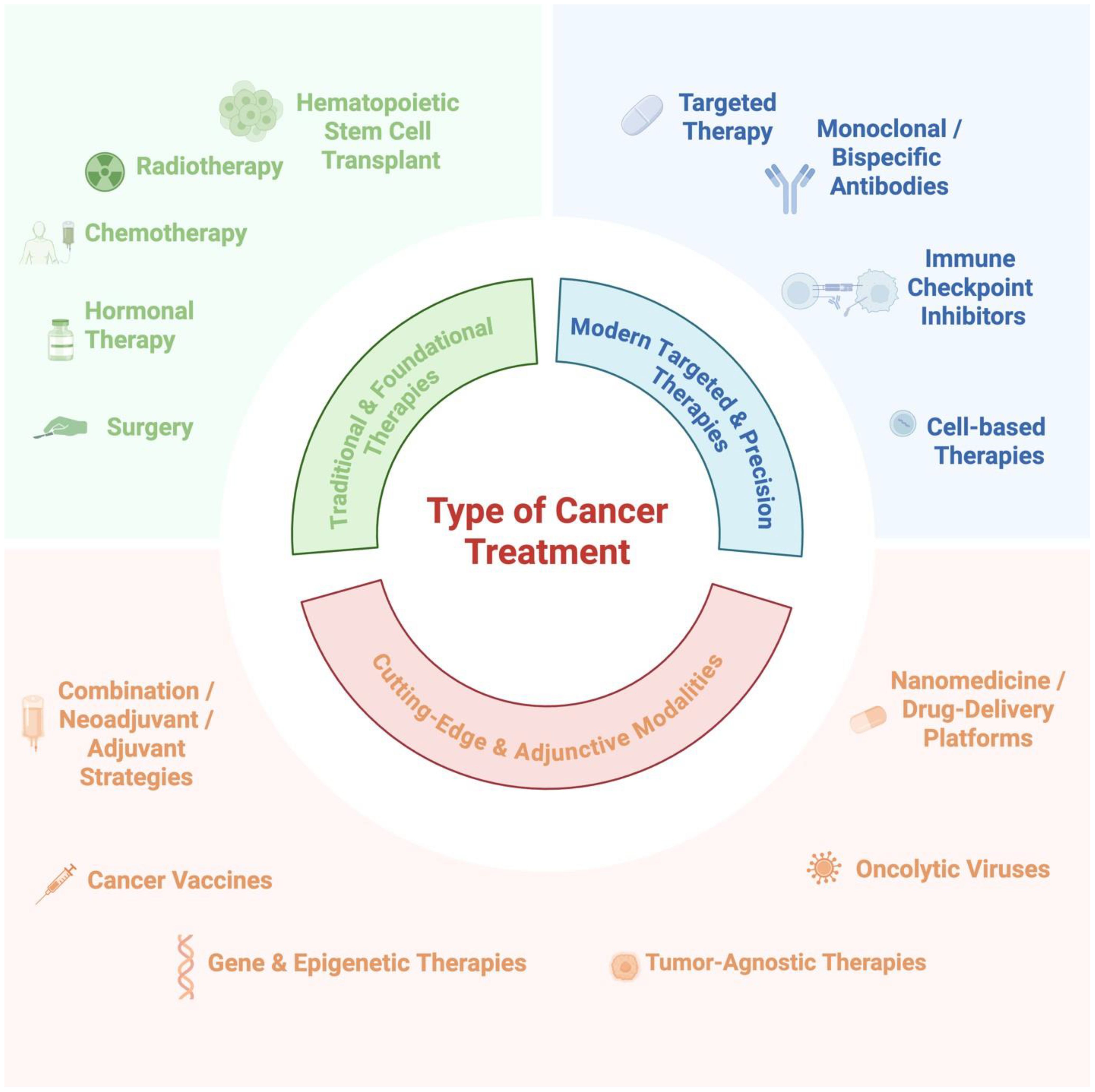
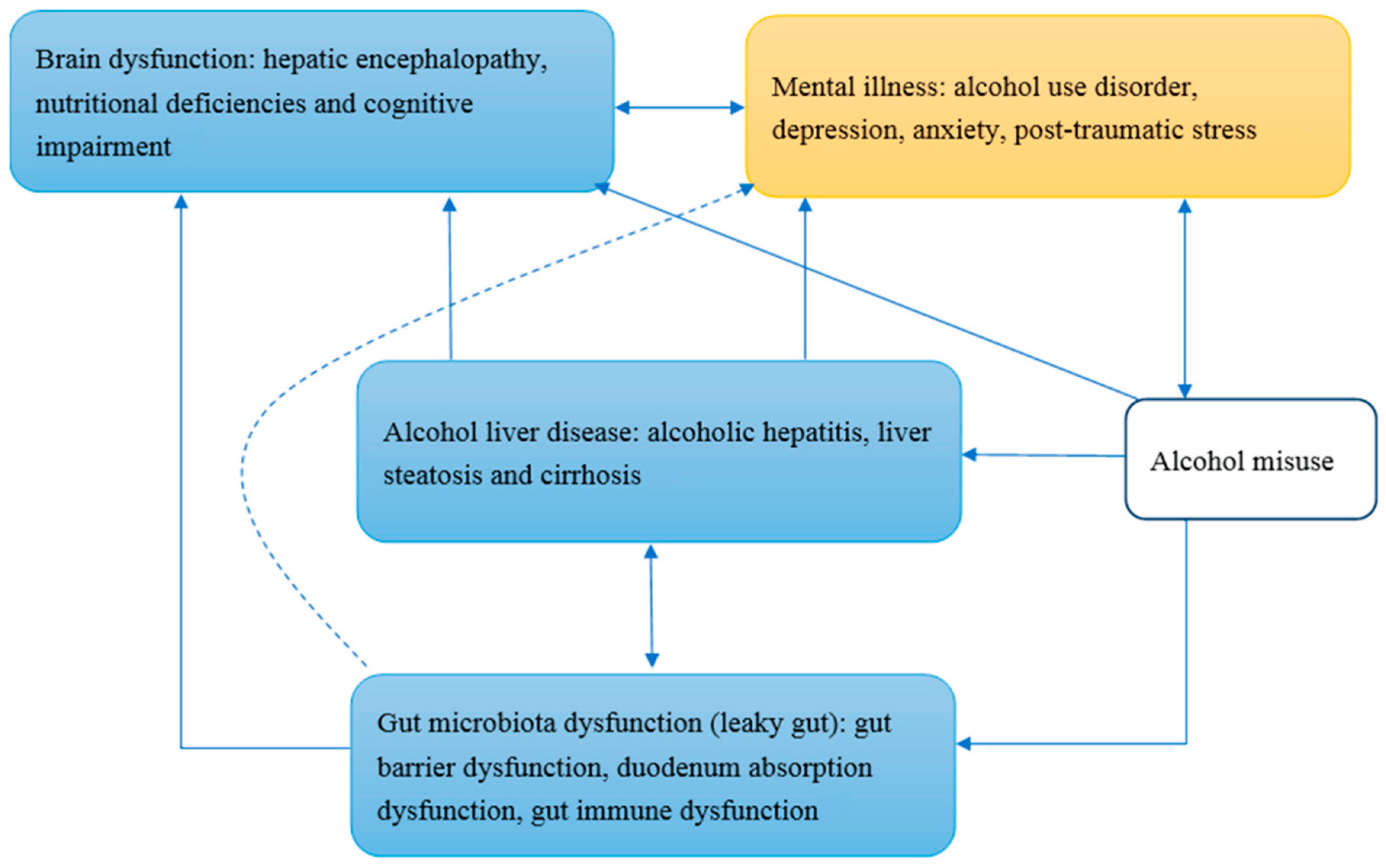
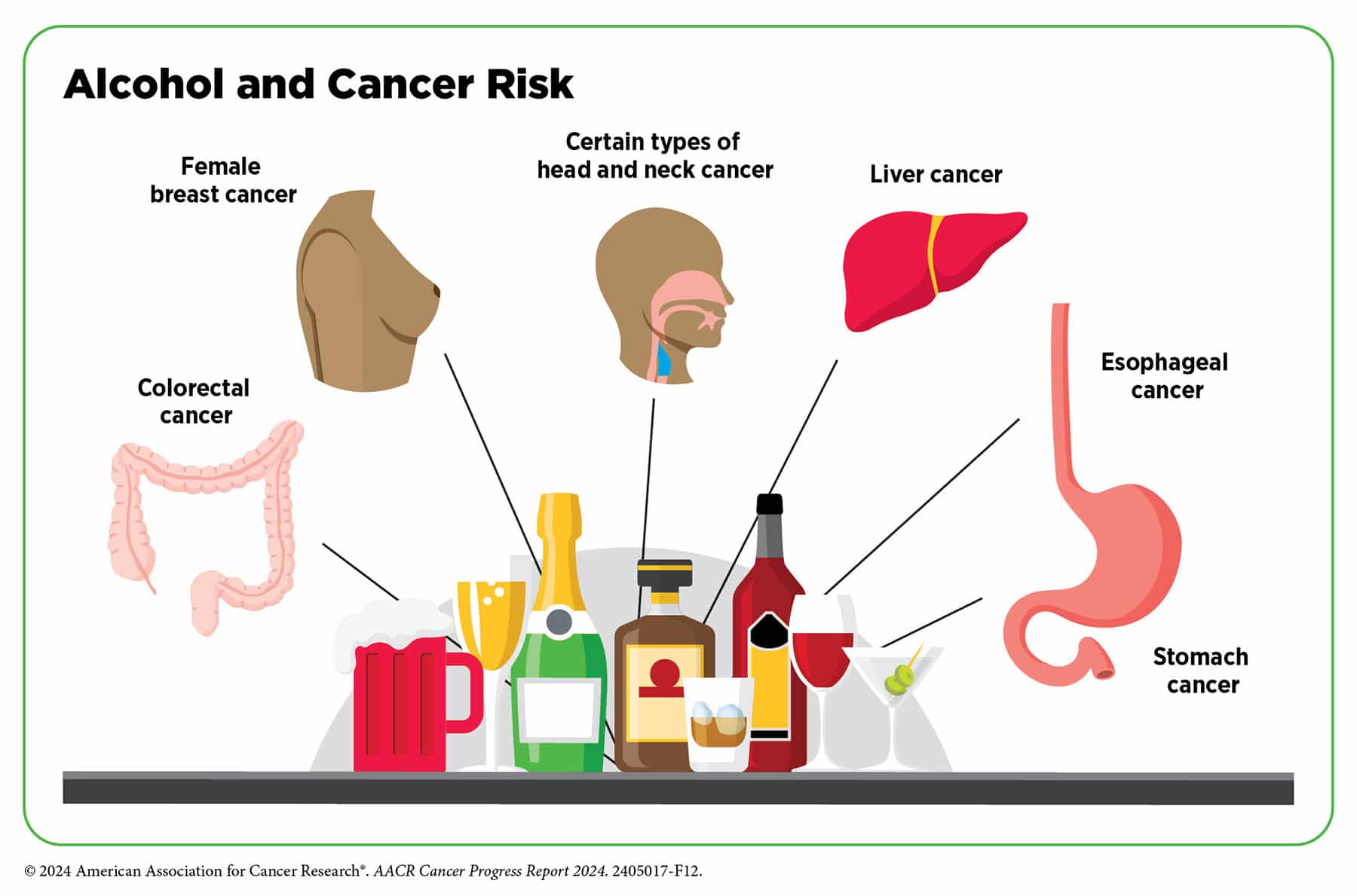
Navigating alcohol consumption during cancer treatment requires careful clinical consideration, as ethanol can interact adversely with chemotherapy, radiation, and surgical recovery. Oncologists generally recommend abstaining or strictly limiting alcohol because it can exacerbate treatment toxicities, impair immune function, compromise liver and kidney pathways, and potentially increase the risk of cancer recurrence or secondary malignancies.
Mechanisms of Interaction Between Alcohol and Oncological Therapies
The human body processes alcohol primarily through hepatic enzyme systems, notably alcohol dehydrogenase (ADH) and aldehyde dehydrogenase (ALDH), which convert ethanol into acetaldehyde—a known carcinogen. When a patient undergoes active cancer treatment, the introduction of alcohol places an additional metabolic burden on organs already taxed by pharmaceutical agents. Many chemotherapy drugs are cleared through the liver; concurrent alcohol consumption can alter the pharmacokinetics of these medications, potentially leading to unintended toxicity or altered therapeutic efficacy.
Furthermore, systemic treatments frequently cause side effects such as mucositis, nausea, fatigue, and peripheral neuropathy. Alcohol is a mucosal irritant that can worsen inflammation of the gastrointestinal tract, compounding the painful ulcerations caused by specific chemotherapeutic regimens. Additionally, alcohol acts as a central nervous system depressant and a diuretic, which can worsen treatment-induced dehydration, exacerbate fatigue, and complicate the management of chemotherapy-induced peripheral neuropathy (CIPN).
Clinical Guidelines and Professional Recommendations
Major health organizations, including the National Cancer Institute (NCI) and the American Society of Clinical Oncology (ASCO), emphasize that there is no safe threshold of alcohol consumption when evaluated in the context of cancer etiology and treatment. While social drinking is culturally common, the clinical reality of oncology care demands a heightened level of caution.
| Treatment Modality | Potential Interaction with Alcohol | Clinical Implication |
|---|---|---|
| Chemotherapy | Altered hepatic metabolism; increased organ toxicity | Risk of heightened side effects or reduced drug clearance |
| Radiation Therapy | Tissue inflammation; exacerbated skin and mucosal damage | Delayed healing of radiated tissues and worsened mucositis |
| Surgery | Dehydration; impaired blood clotting; anesthesia interaction | Extended recovery times and heightened postoperative risks |
| Immunotherapy | Immune system modulation; gastrointestinal irritation | Potential interference with immune-based therapeutic response |
Oncologists evaluate each patient on an individual basis, taking into account the specific cancer type, stage, treatment protocol, and pre-existing organ function. However, the overarching clinical consensus prioritizes minimization or complete cessation of alcohol intake from the time of diagnosis through the completion of active therapy.
Long-Term Implications for Survivorship and Recurrence Risk
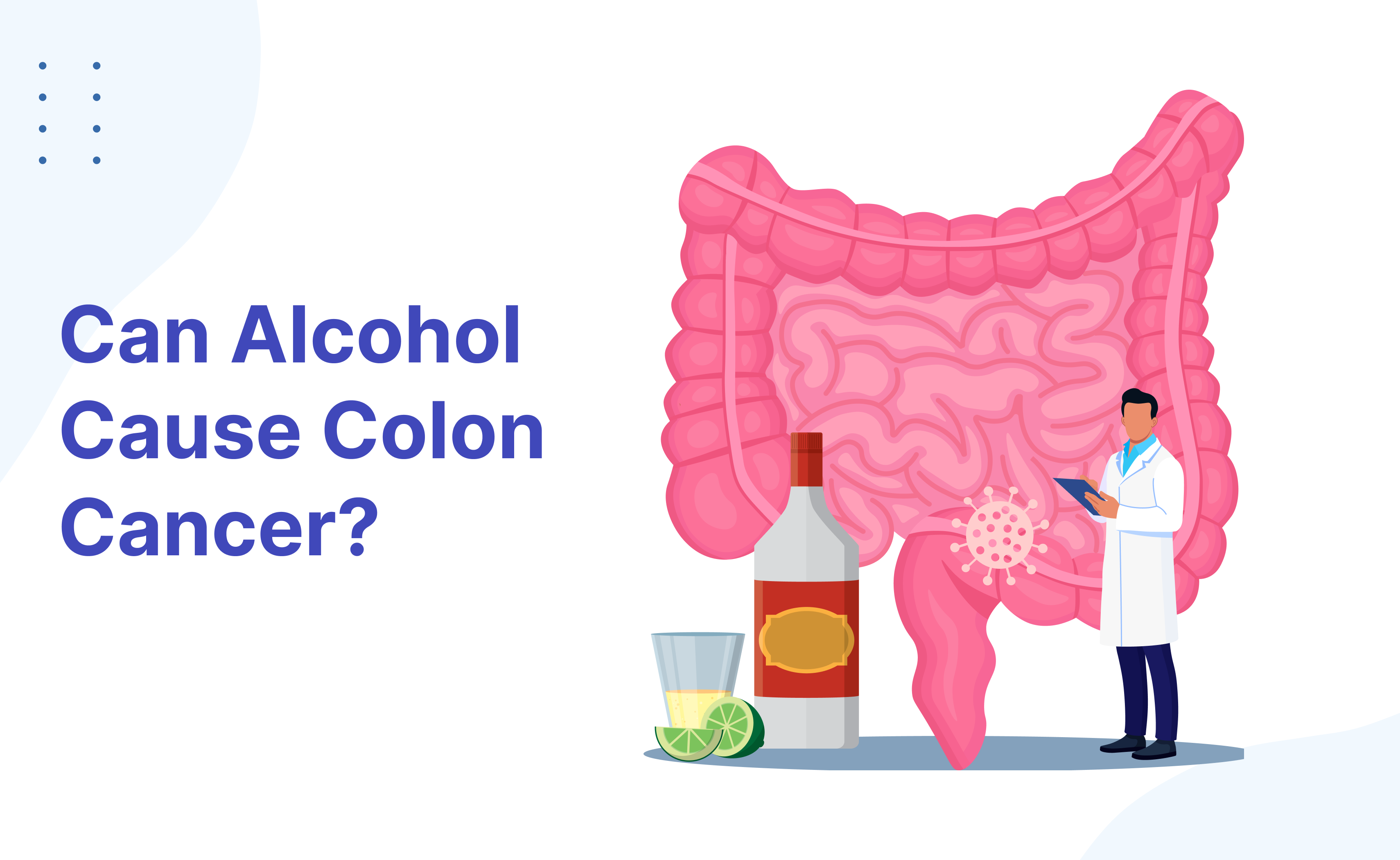
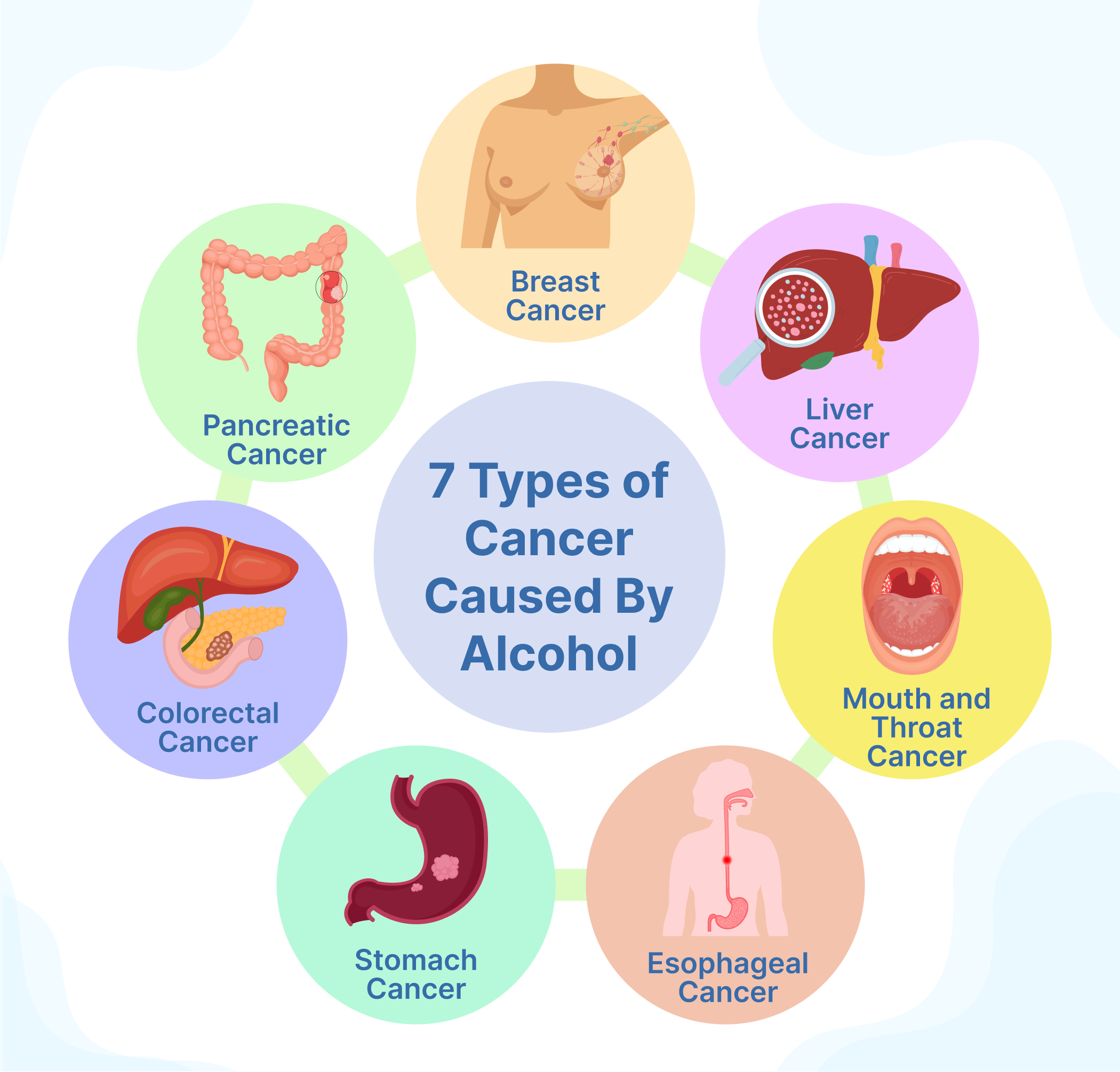
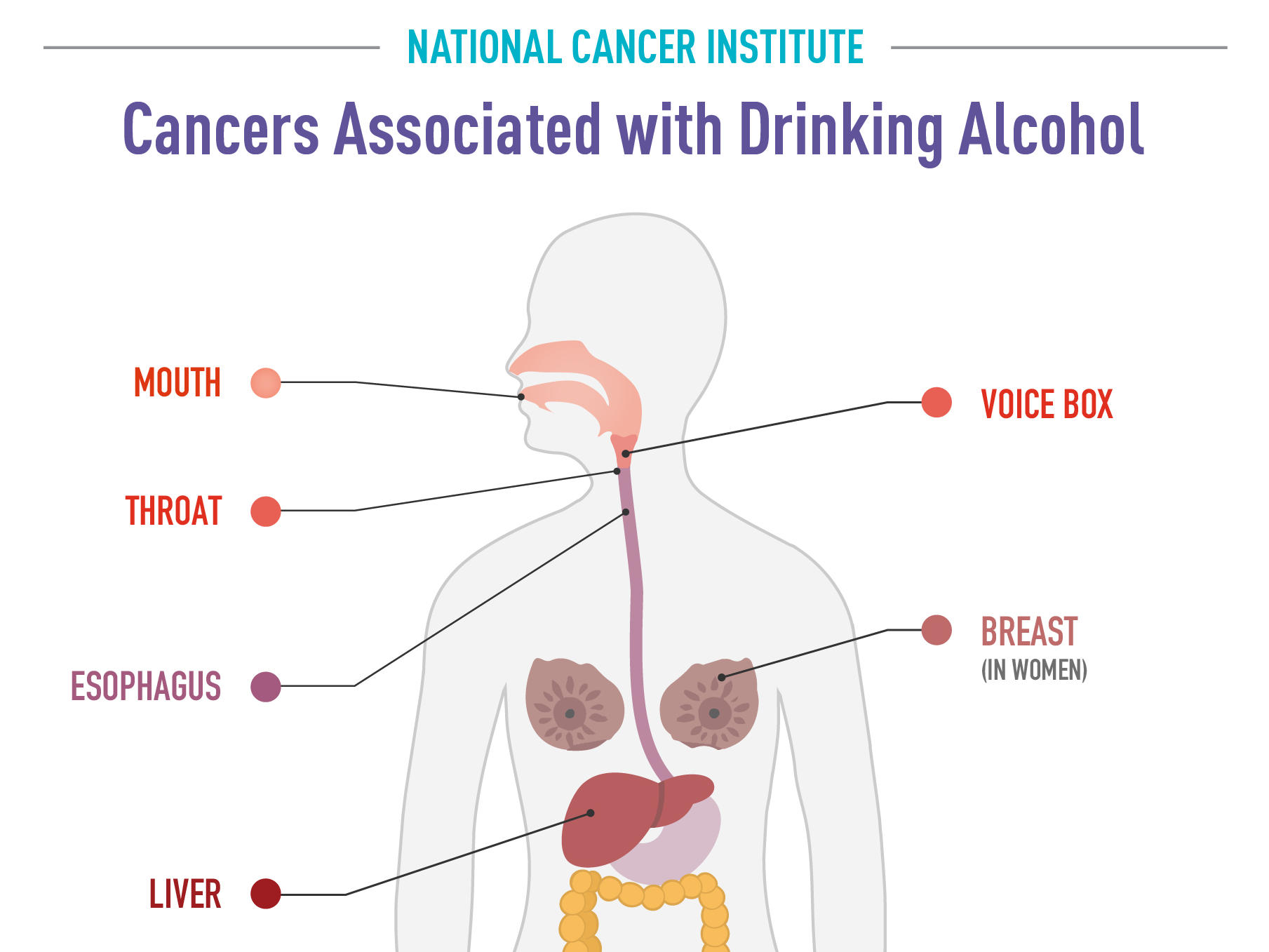
The impact of alcohol extends beyond active treatment protocols into long-term survivorship. Epidemiological research published by institutions such as the International Agency for Research on Cancer (IARC) classifies alcohol as a Group 1 carcinogen, causally linked to cancers of the breast, colorectum, esophagus, larynx, pharynx, liver, and oral cavity. For individuals who have successfully completed primary cancer treatment, continued or resumed alcohol consumption can elevate the risk of cancer recurrence or the development of second primary cancers.
Survivors often face chronic health challenges stemming from their initial treatments, such as cardiovascular vulnerabilities from certain anthracycline-based chemotherapies or bone density loss. Alcohol can negatively interact with these lingering conditions, contributing to hypertension, cardiomyopathy, or nutritional deficiencies. Consequently, lifestyle modifications that include minimizing or eliminating alcohol consumption form a cornerstone of comprehensive survivorship care plans designed to maximize long-term health outcomes.
Managing Lifestyle Adjustments and Seeking Support
Transitioning away from alcohol during and after cancer treatment can present social and psychological hurdles. Patients often find it helpful to communicate openly with their oncology care team, including oncology social workers, registered dietitians, and psycho-oncology specialists, who can provide resources and coping strategies.
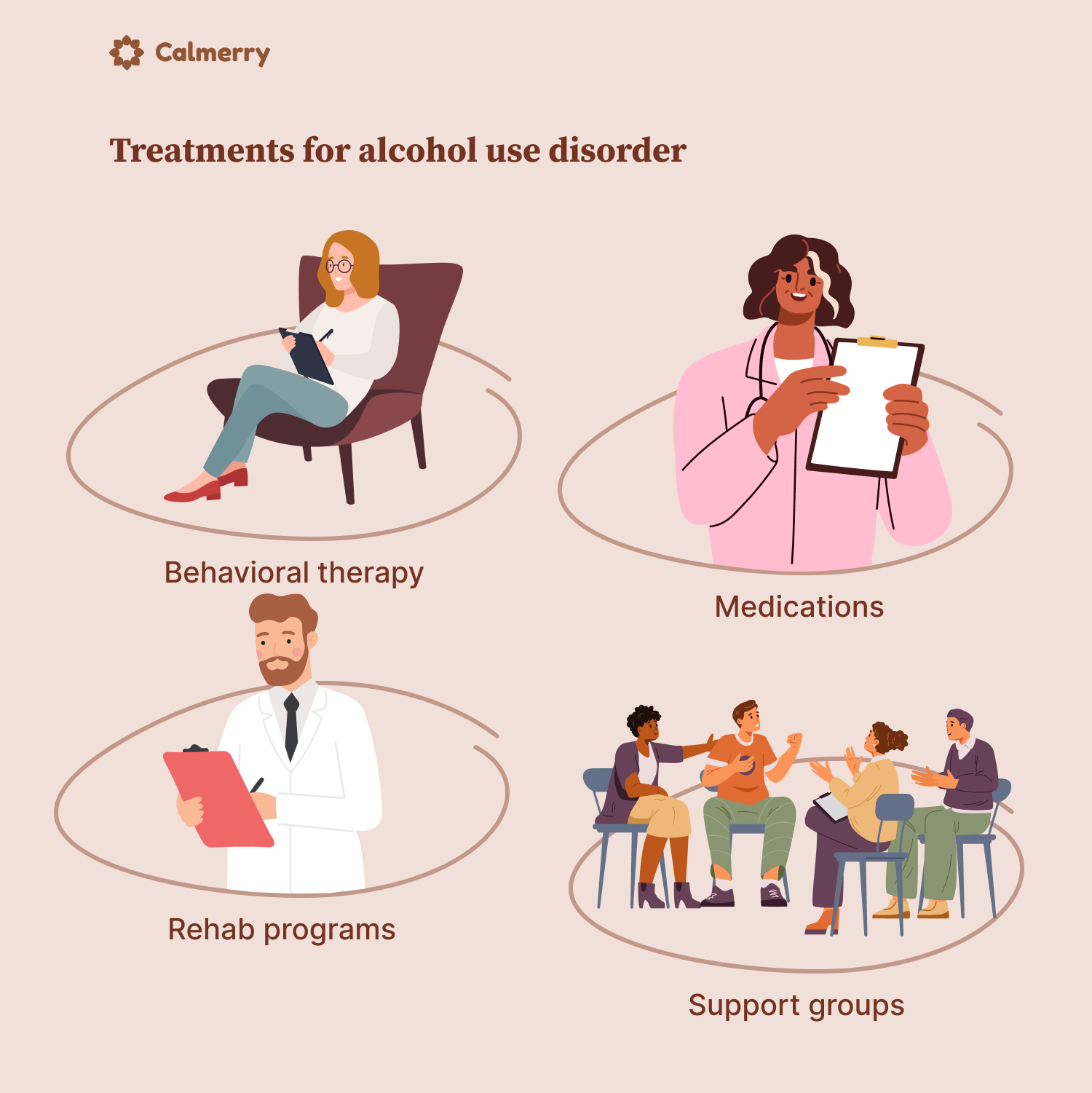
Engaging with support networks, exploring non-alcoholic beverage alternatives, and focusing on nutritional health can ease the adjustment period. Because nutritional status is vital for cellular repair and immune maintenance during oncology care, replacing alcohol-derived empty calories with nutrient-dense foods supports overall physical resilience. Patients experiencing dependency or finding it difficult to reduce intake independently should request a referral for specialized addiction medicine or behavioral health support tailored to oncology patients.
Frequently Asked Questions
Can I drink a small glass of wine occasionally during chemotherapy?
Even moderate or occasional alcohol consumption can interact unfavorably with certain chemotherapeutic agents and worsen side effects like nausea, fatigue, and mouth sores. Because individual drug regimens carry unique risks, patients must consult their medical oncologist before consuming any alcohol during active therapy.
Does alcohol affect radiation therapy differently than chemotherapy?
Both therapies are negatively impacted by alcohol, though through slightly different physiological mechanisms. Radiation causes localized tissue damage and inflammation, which alcohol can exacerbate—particularly for cancers of the head, neck, and gastrointestinal tract—by further irritating inflamed mucous membranes and impeding cellular recovery.
How soon after finishing cancer treatment is it safe to drink again?
There is no universal timeline for resuming alcohol consumption post-treatment, as it depends on the specific cancer type, lingering side effects like neuropathy or organ damage, and long-term recurrence risks. Oncologists generally advise maintaining abstinence or keeping intake well below standard health guidelines to minimize the risk of secondary malignancies.
Does alcohol consumption increase the risk of developing cancer in the first place?
Yes, alcohol is a classified human carcinogen. Regular consumption, even in moderate amounts, increases the risk of developing several types of cancer, including breast, colorectal, esophageal, and liver cancers, by damaging cellular DNA and interfering with folate metabolism.
Are certain cancer types more sensitive to alcohol intake than others?
Cancers of the upper aerodigestive tract (oral cavity, pharynx, larynx, esophagus) and breast cancer show a particularly strong dose-dependent relationship with alcohol. Furthermore, because alcohol is metabolized primarily in the liver, individuals being treated for hepatic cancers or those with compromised liver function face heightened risks.
Navigating Conversations With Your Care Team
To ensure optimal safety and personalized care, patients should proactively discuss alcohol consumption habits during initial oncology consultations and follow-up appointments. Preparing specific questions about how your prescribed medications interact with ethanol allows you to make informed decisions regarding your treatment plan. Share any challenges you anticipate regarding lifestyle modifications with your healthcare providers, as they can connect you with integrated support services tailored to your clinical needs and survivorship goals.