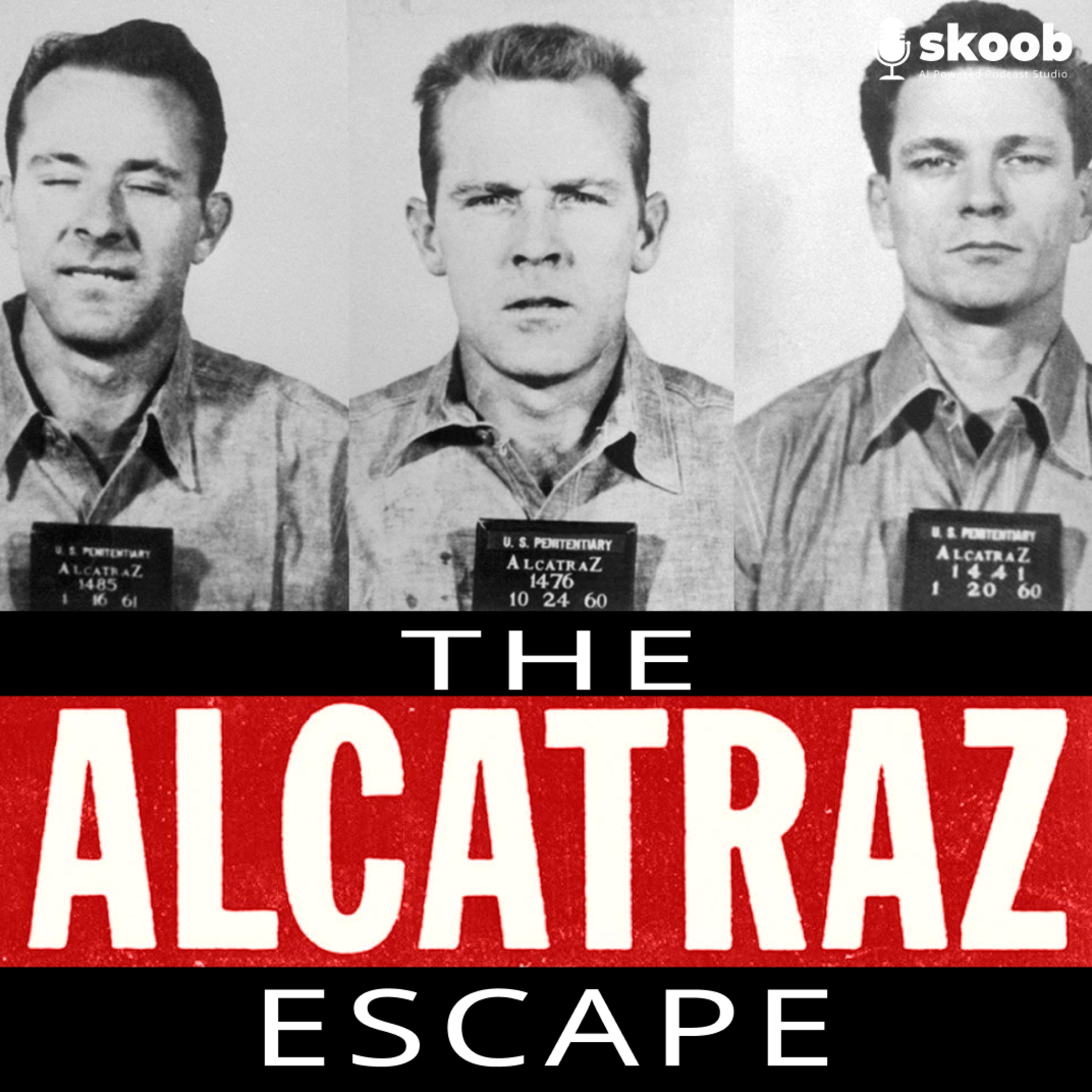
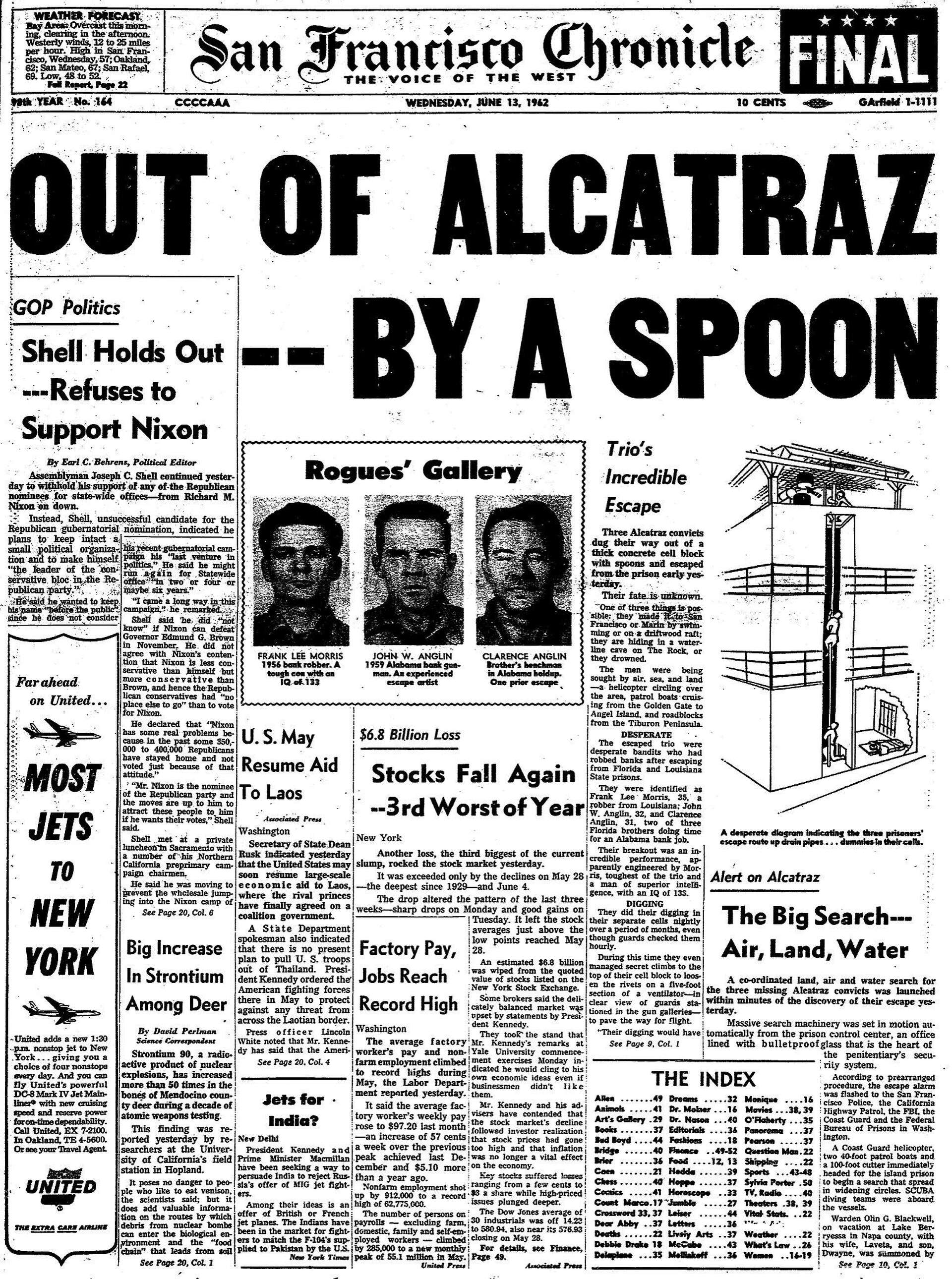
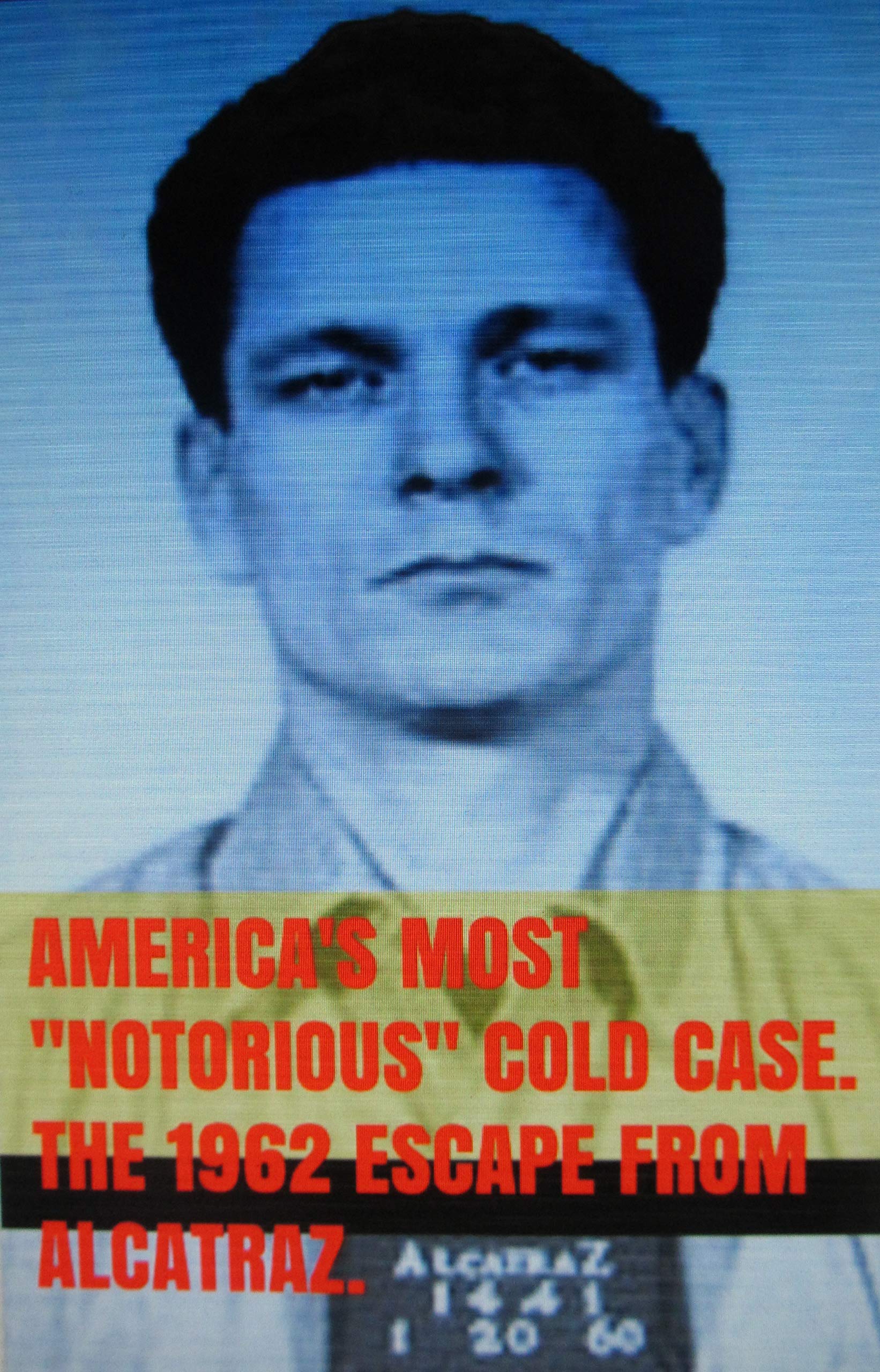
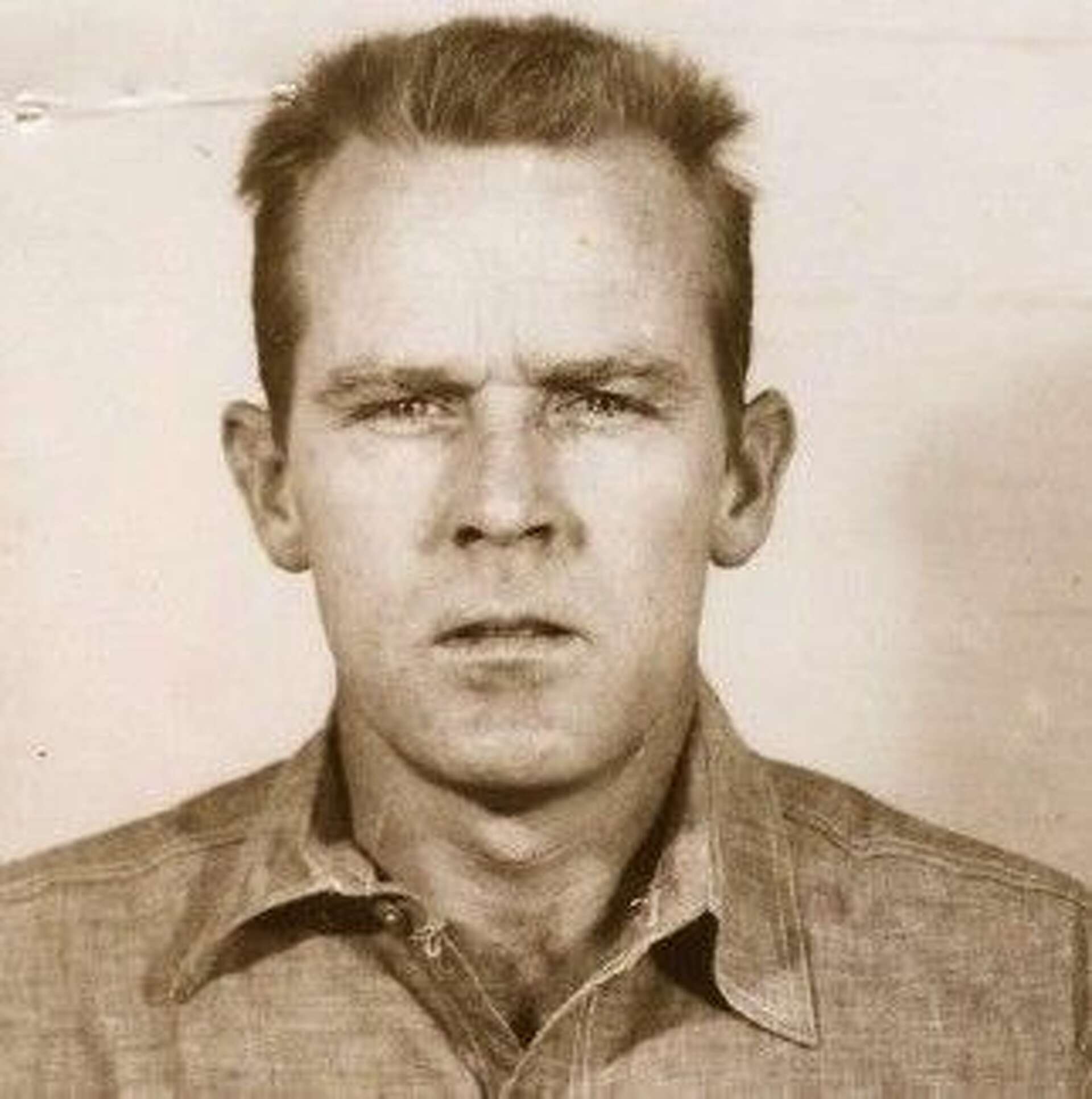
On the night of June 11, 1962, inmates Frank Morris and brothers John and Clarence Anglin executed a meticulously planned breakout from the maximum-security federal penitentiary on Alcatraz Island, leaving behind papier-mâché heads in their beds and vanishing into the freezing waters of San Francisco Bay without a trace.
Historical Context and the Myth of Escape-Proof Incarceration
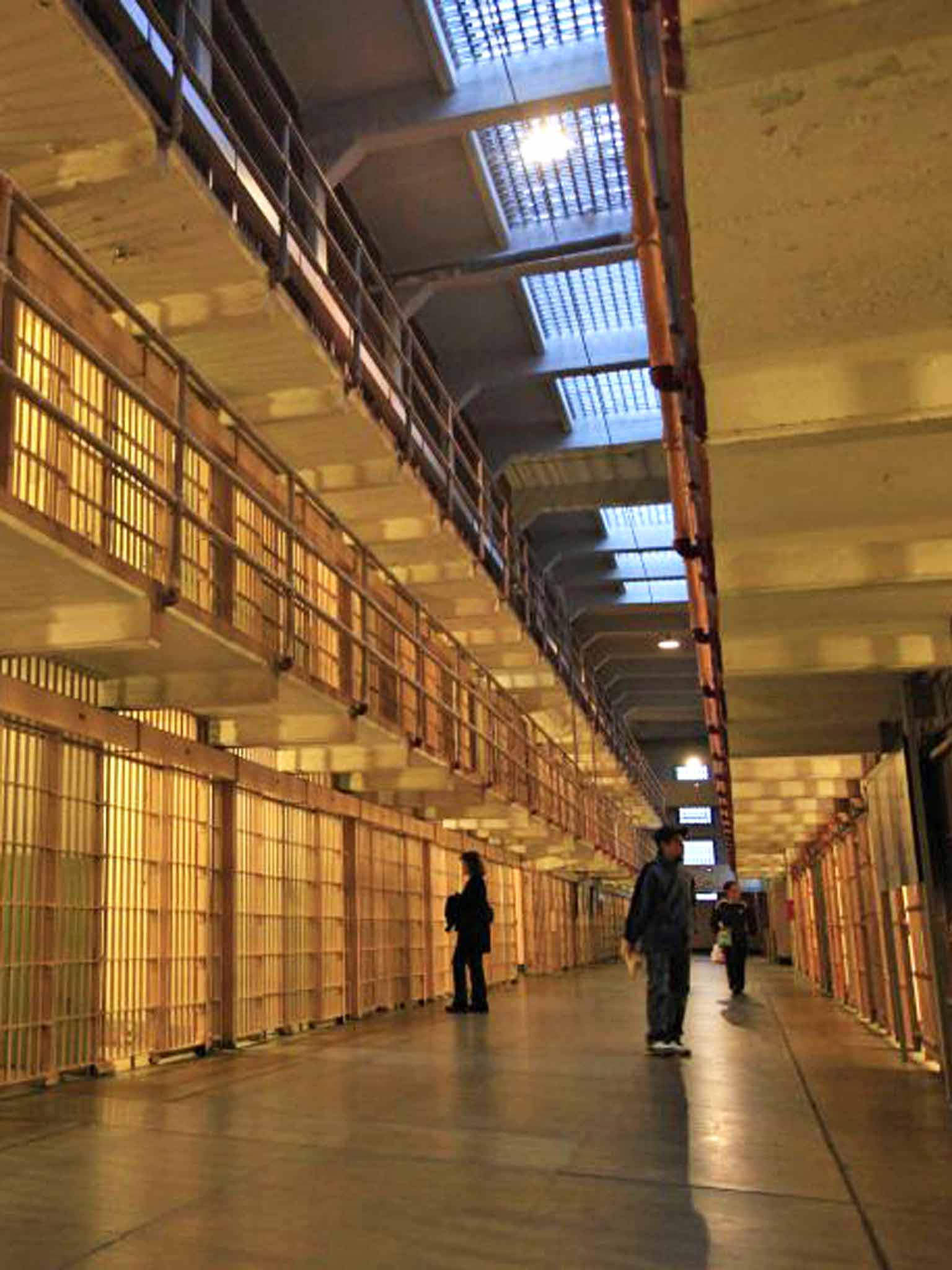
Located 1.25 miles off the coast of San Francisco, Alcatraz Federal Penitentiary was established in 1934 to house America's most incorrigible, violent, and escape-risk criminals. Surrounded by the notoriously frigid, swift-moving currents of San Francisco Bay, the island fortress was billed by the Federal Bureau of Prisons as an inescapable institution. Its architectural design featured a high guard-to-inmate ratio, gun galleries lining the cellhouse blocks, and stringent daily headcounts designed to neutralize security threats before they materialized.
Despite this formidable reputation, the prison's very isolation created unique vulnerabilities. The saltwater environment caused the building's concrete structure to corrode steadily, weakening the walls around the utility corridors at the back of the cell blocks. Recognizing these structural weaknesses, long-term inmates began gathering materials years before the 1962 breakout. The operational environment of the prison demanded absolute vigilance, yet routine complacency among guards and the sheer monotony of daily confinement provided the conspirators with the psychological and physical cover needed to orchestrate their clandestine workshop.
The Conspirators and the Preparation Phase
The orchestration of the June 1962 breakout involved a carefully selected quartet of inmates: Frank Lee Morris, John Anglin, Clarence Anglin, and Allen West. Morris, possessing a high tested intelligence quotient, assumed the role of intellectual mastermind. He was joined by the Anglin brothers, seasoned bank robbers whose lifelong criminal partnership forged a tight bond of trust. The fourth member, Allen West, completed the primary planning circle, though logistical errors on the night of the escape would ultimately leave him behind.
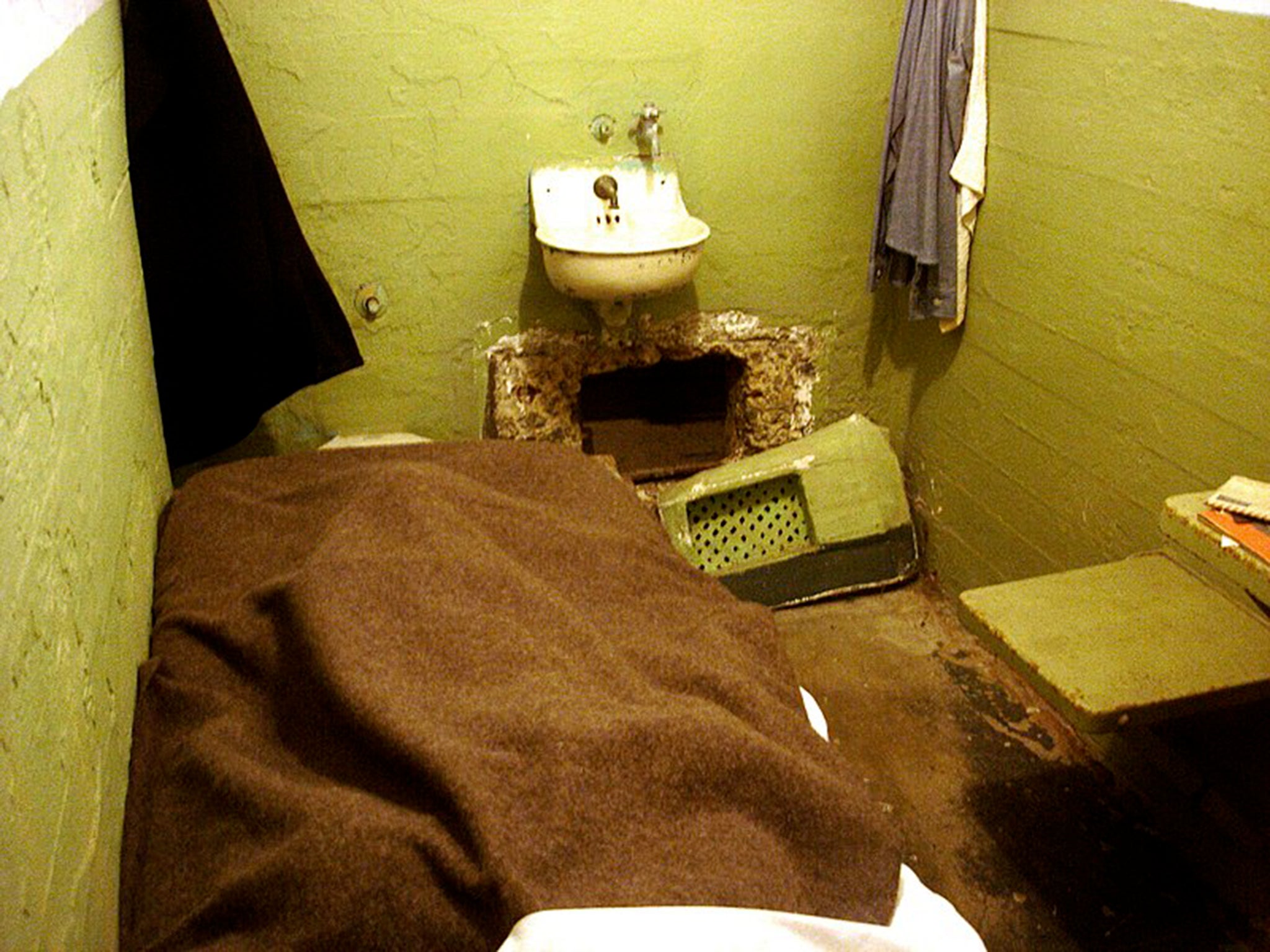
Preparation for the event spanned months of painstaking labor utilizing makeshift tools. The inmates manufactured a functional drill from a discarded electric vacuum cleaner motor, hidden beneath their bunks and muffled by the daily hour of institutional band practice. They stole metal spoons from the dining hall and repurposed metal file blades. Working during the evening recreation hours and late-night lockup periods, the men slowly chipped away at the old, moisture-damaged concrete surrounding the ventilation ducts at the rear of their respective cells in B Block. To avoid detection during routine night guards' rounds, they constructed realistic dummy heads out of a mixture of soap, toilet paper, actual human hair collected from the prison barbershop, and flesh-toned paint.
Execution of the June 11, 1962 Breakout
On the night of June 11, 1962, the conspiracy shifted from preparation to execution. The men successfully widened the corroded ventilation openings behind their cells, squeezing through the narrow utility corridor and climbing up to the unprotected roof of the cellhouse block. They carried with them a critical piece of engineering: a makeshift rubber raft and life preservers constructed out of more than 50 stolen raincoats, carefully stitched together and vulcanized using the heat from steam pipes in the prison's utility tunnels.
Climbing down a ventilation pipe to the ground outside the cellhouse perimeter fence, the trio made their way to the rocky shoreline on the northeastern side of the island. Allen West, however, encountered difficulties removing the concrete around his vent and could not break through in time to join his peers; by the time he freed himself, the others had already departed. Morris and the Anglin brothers inflated their makeshift raincoat raft, pushed off into the icy waters of the bay, and paddled away into the dark, using a makeshift pair of wooden paddles and relying on an ebb tide to carry them toward the Marin County shoreline.
The Investigation and Official Findings
The following morning, June 12, 1962, the prison guards discovered the deception during the 7:00 AM head count when the dummy heads failed to respond to commands and rolled off the pillows. A massive, multi-agency manhunt was launched immediately, involving the Federal Bureau of Investigation, the U.S. Coast Guard, local police departments, and military personnel scouring the bay and surrounding coastlines.
The investigation quickly recovered crucial physical evidence floating in the waters of San Francisco Bay and near neighboring shores. Authorities found a packet of personal letters, photographs, and personal effects belonging to the Anglin brothers, along with parts of the raincoat raft and homemade life vests. Despite extensive dragging operations and shoreline sweeps, no bodies were ever recovered.
| Evidence Category | Description | Location Recovered |
|---|---|---|
| Inmate Decoys | Papier-mâché heads with real human hair | Alcatraz Cell Block B (Beds 138, 150, 152) |
| Flotation Gear | Portions of a rubberized raincoat raft and vests | Waters of San Francisco Bay / Angel Island |
| Personal Effects | Wallets, waterproof packets, family photographs | Near Angel Island shoreline |
| Escape Tools | Homemade drills, metal spoons, sharpened files | Utility corridor behind B Block |
The official FBI investigative conclusion rested heavily on the harsh environmental conditions of the bay. Federal authorities maintained that the men succumbed to hypothermia within minutes in the frigid waters or drowned when their rudimentary flotation device failed, causing the case to remain officially unsolved and open within federal archives until jurisdiction was transferred to the U.S. Marshals Service.
Modern Theories, Cold Case Reconstructions, and Ongoing Investigations
Decades after the event, the Alcatraz escape of 1962 remains a subject of intense public fascination, scientific modeling, and renewed investigative scrutiny. The U.S. Marshals Service has kept active warrants on file for Morris and the Anglin brothers, aging their photographs digitally to reflect what they would look like decades later.
In subsequent years, various documentary teams and scientific researchers have attempted to test the viability of the escape plan. Oceanographers and hydrodynamic modelers using computer simulations demonstrated that if the inmates departed the island at precisely 11:30 PM on an outgoing tide, a raft could indeed successfully land on nearby Horseshoe Bay or the Marin headlands, provided they timed their paddling correctly. Furthermore, surviving family members of the Anglin brothers have repeatedly come forward with claims that John and Clarence survived the crossing, reportedly fleeing to South America and sending cryptic Christmas cards for years afterward, though none of these claims have been definitively verified by federal law enforcement agencies.
Frequently Asked Questions About the 1962 Alcatraz Escape
Did anyone actually survive the 1962 Alcatraz escape?
Official law enforcement agencies, including the FBI and the U.S. Marshals Service, have never found conclusive physical proof that Frank Morris or the Anglin brothers survived the crossing. They remain officially listed as wanted fugitives, and the case file stays open because their bodies were never recovered from San Francisco Bay.
What tools did the inmates use to break out of their cells?
The prisoners utilized a custom-built drill constructed from a discarded electric vacuum motor, along with sharpened metal spoons stolen from the mess hall and discarded saw blades. They spent months slowly chipping away at the moisture-degraded concrete surrounding the ventilation ducts at the back of their cells.
What happened to Allen West during the escape?
Allen West was the fourth member of the primary escape conspiracy, but he failed to escape on the night of June 11, 1962. The concrete surrounding his cell vent had hardened in a way that prevented him from widening the hole in time, leaving him trapped in his cell while the other three men departed. He later cooperated fully with the FBI and was not charged as a primary escape fugitive.
How did the inmates fool the night guards during bed checks?
The inmates manufactured realistic dummy heads out of a mixture of toilet paper, soap, and paste, embedding real human hair harvested from the prison barbershop. They propped these heads up on their pillows under the blankets to simulate sleeping bodies during the routine night guard flashlight checks.
Why was Alcatraz chosen to house high-security prisoners?
Alcatraz Island was selected due to its geographic isolation in the middle of San Francisco Bay, surrounded by freezing water and powerful currents. The Department of Justice converted the military fortification into a maximum-security civilian penitentiary in 1934 to isolate incorrigible troublemakers from other federal prisons and deter escape attempts through sheer physical isolation.
Next Steps and Historical Research Actions
For researchers, historians, and true-crime investigators seeking to examine the primary source materials surrounding this event, the National Archives and Records Administration (NARA) maintains extensive documentation, including the original FBI investigative case files, daily prison logs, and architectural blueprints of the cellhouse. Visiting the physical site via official park concessionaires also allows modern observers to inspect the utility corridors and ventilation shafts that made this legendary prison break possible.