Albuquerque pets benefit from a robust network of municipal animal services, non-profit rescue organizations, and specialized veterinary care tailored to the unique high-desert environment of New Mexico. Navigating pet ownership in this vibrant metropolitan area requires understanding local licensing ordinances, seasonal health precautions, and the diverse resources available for adoption, sheltering, and daily animal welfare. Whether you are a lifelong resident or a newcomer integrating a four-legged companion into your household, mastering the local pet landscape ensures compliance with city codes and promotes optimal animal health.
Understanding Municipal Animal Services and Ordinances
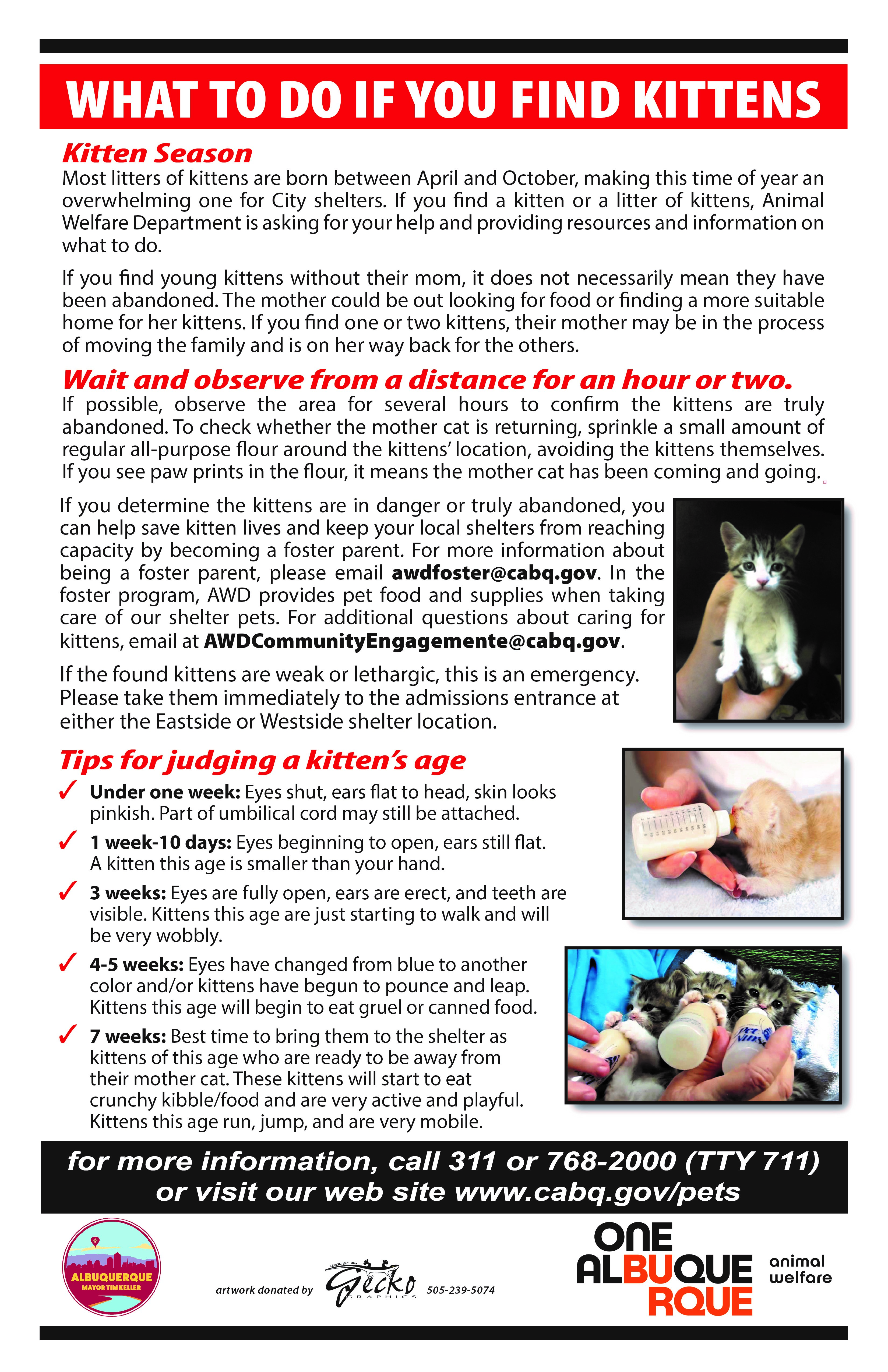
Pet ownership within Albuquerque and the surrounding Bernalillo County is governed by specific local ordinances enforced by the City of Albuquerque Animal Welfare Department. The primary facility managing stray intakes, adoptions, and animal control enforcement is the Albuquerque Animal Welfare Department, which operates multiple shelters across the city, including the Eastside Animal Shelter and the Westside Animal Shelter. These municipal facilities handle thousands of surrendered, stray, and abandoned animals annually, providing essential intake, medical triage, and behavioral evaluation services.
Compliance with local municipal code requires all dogs and cats over the age of three months to be vaccinated against rabies and microchipped. Additionally, licensing is mandatory for all dogs and cats residing within city limits. Licensing fees vary depending on whether the animal is sterilized, and proof of current rabies vaccination is required to complete registration. Sterilization is heavily emphasized throughout New Mexico to combat pet overpopulation, and low-cost spay and neuter vouchers are frequently subsidized by city programs or local philanthropic groups. Furthermore, Albuquerque enforces strict leash laws; dogs are prohibited from running at large in public spaces unless within designated off-leash dog parks, such as the popular North Domingo Baca Dog Park or the UNM North Golf Course perimeter trails.
Veterinary Care and High-Desert Health Considerations
Providing medical care for Albuquerque pets involves addressing environmental factors specific to the high-desert climate, which sits at an elevation of roughly 5,300 feet above sea level. The intense ultraviolet radiation, low humidity, and extreme seasonal temperature swings present distinct health challenges that require proactive veterinary management. Hydration is a primary concern; pets expend moisture more rapidly in arid climates, making constant access to fresh water essential during both summer heatwaves and dry winter months.
Veterinary infrastructure in the Duke City ranges from general practice clinics to 24-hour emergency and specialty hospitals like Veterinary Emergency & Specialty Center of New Mexico. When selecting a veterinarian, owners should verify accreditation and inquire about specialized services such as dermatology, oncology, or advanced diagnostics. Local environmental hazards also dictate specific preventive care protocols:
- Parasite Prevention: Ticks, fleas, and mosquitoes are prevalent seasonally, but desert-specific vectors like rattlesnakes pose a severe threat during warmer months. Many local veterinary clinics offer rattlesnake vaccine aversion training and autogenous venom immunotherapy to mitigate envenomation risks.
- Valley Fever (Coccidioidomycosis): Endemic to the soil in the American Southwest, this fungal infection is contracted when pets inhale spores kicked up by digging or wind. Regular screening and prompt treatment with anti-fungal medications are critical for animals showing signs of respiratory distress or lethargy.
- Paw Protection: Asphalt and concrete temperatures soar well above ambient air temperatures during summer afternoons, leading to severe digital burns. Walking pets during early morning hours or late evenings protects paw pads from thermal trauma.
Adoption, Rescue Organizations, and Foster Networks
For individuals looking to expand their families, Albuquerque features an extensive network of animal rescue organizations operating alongside municipal shelters. These entities include large open-admission facilities, breed-specific rescues, and private foster-based groups that work tirelessly to rehome stray and surrendered companions. Private non-profits such as Animal Humane New Mexico operate state-of-the-art adoption centers and community clinics, offering comprehensive behavioral assessments and veterinary care prior to adoption.
The adoption process typically involves an application, an interview to match household dynamics with animal temperament, and an adoption fee that covers spay/neuter surgery, microchipping, initial vaccinations, and baseline parasite treatment. Foster networks play a vital lifesaving role in the region by temporarily housing animals that require socialization, medical recovery, or relief from crowded shelter environments. Prospective pet owners can utilize adoption platforms and community outreach events hosted at local businesses to meet animals in low-stress settings.
| Organization Type | Primary Function | Typical Services Provided | Funding Source |
|---|---|---|---|
| Municipal Shelter | Animal control, stray intake, public safety | Licensing, rabies vaccination, microchipping, adoptions | City taxes and municipal budgets |
| Private Non-Profit | Adoption placement, community education | Spay/neuter clinics, behavioral training, adoptions | Donations, grants, and private fees |
| Breed-Specific Rescue | Rehabilitation of distinct breeds | Foster placement, specialized medical care, adoption | Private donations and fundraising |
| Emergency Vet Hospital | 24/7 critical care and surgery | Trauma treatment, intensive care, diagnostics | Direct client fees and pet insurance |
Community Resources, Parks, and Training
Integrating a pet into daily Albuquerque life is supported by an array of community-centric infrastructure, including dedicated parks, professional trainers, and pet-friendly commercial establishments. Socialization is a key component of behavioral health, and the city maintains multiple fenced, off-leash dog parks equipped with agility equipment, double-gated entries, and water stations. Notable locations include the timed and separated spaces at the Journal Center Dog Park and the sprawling fields at the Tom Tenorio Park.
Beyond recreation, professional training and obedience classes help manage behavioral issues rooted in anxiety or lack of structure. Positive reinforcement trainers throughout the metropolitan area offer puppy socialization classes, obedience coaching, and specialized rehabilitation for rescue dogs with trauma histories. Pet owners should seek certified professional dog trainers (CPDT-KA) who utilize humane, science-based methodologies. Additionally, numerous local restaurants, cafes, and breweries feature pet-friendly patios, reflecting Albuquerque's deeply ingrained cultural acceptance of animal companions in public spaces.
Emergency Preparedness and Disaster Planning for Animals
Living in New Mexico exposes residents and their pets to specific environmental emergencies, including flash floods, severe wildland fires in nearby mountain ranges, and occasional severe winter storms. Responsible pet ownership in Albuquerque mandates a comprehensive disaster preparedness plan that accounts for companion animals. Municipal emergency management guidelines advise maintaining a pet disaster kit that includes a minimum of a one-week supply of food, bottled water, medications, medical records, and appropriate containment gear such as crates, leashes, and muzzles.
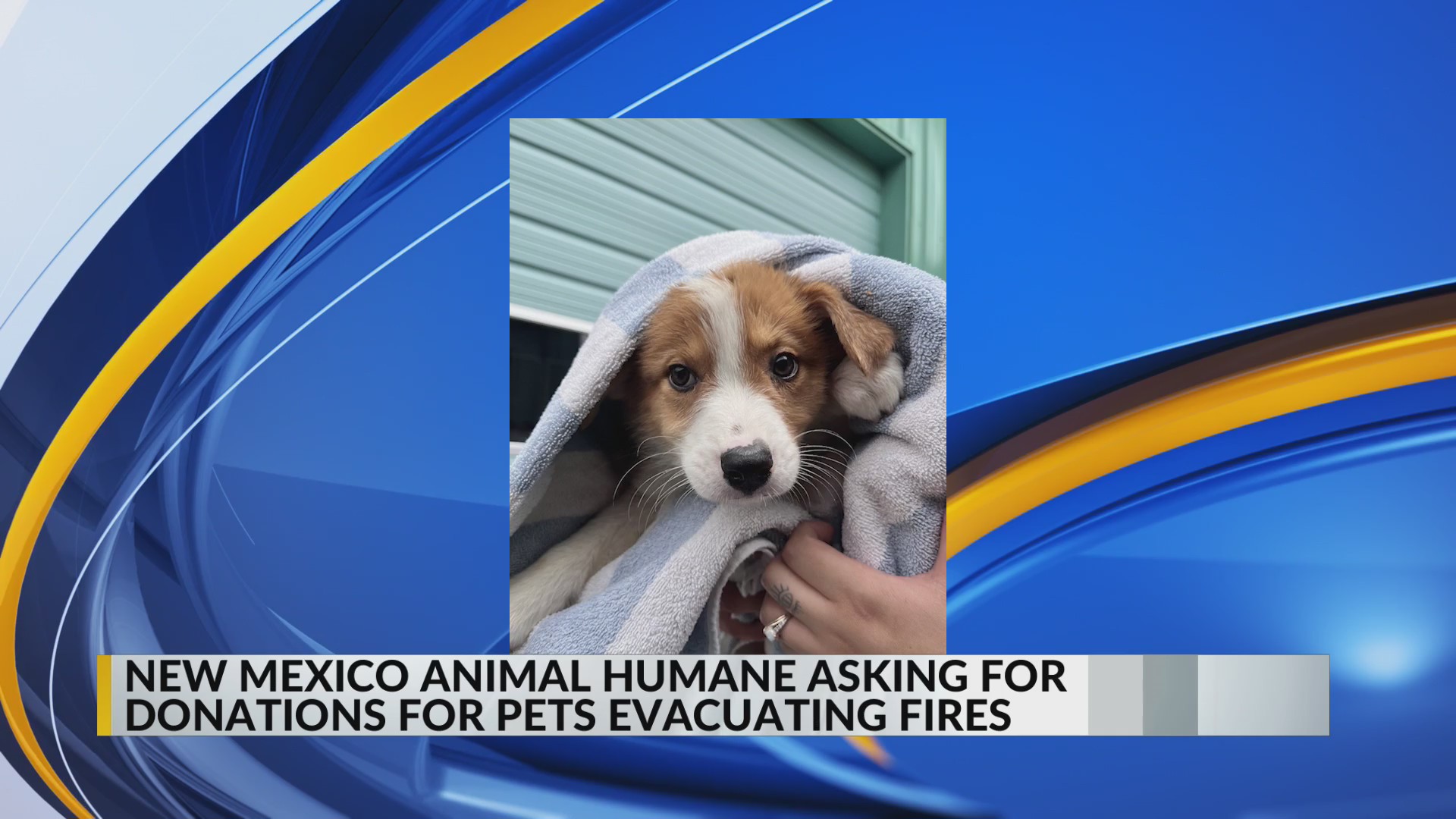
During regional evacuations, not all human emergency shelters accept animals due to health regulations, though designated emergency evacuation centers set up by the American Red Cross and local animal welfare agencies often coordinate pet-friendly sheltering options. Identifying pet-friendly hotels outside the immediate hazard zone or establishing reciprocal boarding arrangements with veterinary clinics or friends in unaffected areas is a critical preventative step. Microchip registration details must be kept strictly up to date with current phone numbers and physical addresses to ensure rapid reunification if an animal becomes displaced during an emergency event.
Next Steps for Albuquerque Pet Owners
To ensure compliance, safety, and optimal well-being for your companion animals in Albuquerque, begin by auditing your current municipal licenses and rabies vaccination records through the Animal Welfare Department. Schedule a comprehensive wellness examination with a local veterinarian to discuss high-desert health risks such as Valley Fever and heat-related precautions. Finally, explore local training resources or off-leash parks to enrich your pet's daily routine while fully engaging with the city's active animal-loving community.