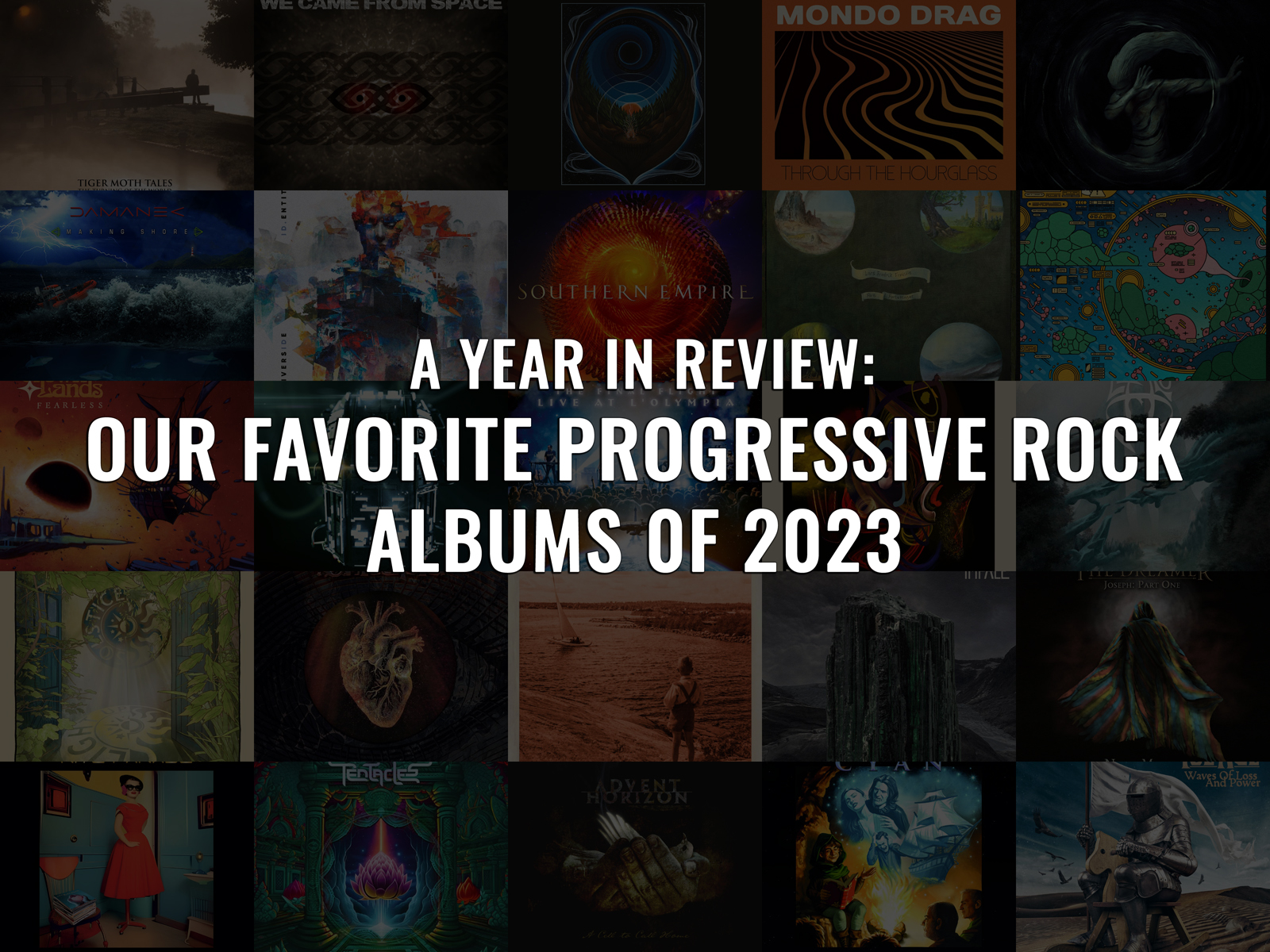
The designation of album of the year serves as the ultimate benchmark of critical and commercial achievement in the music industry, recognizing a full-length body of work that defines a cultural moment, pushes sonic boundaries, and achieves artistic cohesion.
Defining the Standard of Excellence in Recorded Music
The phrase "album of the year" carries immense weight across the global music landscape, functioning simultaneously as a pinnacle of critical validation, a driver of commercial success, and a historical marker for cultural eras. Unlike singles or extended plays that often target specific radio formats or streaming algorithms, a full-length album requires a cohesive artistic vision, sustained thematic depth, and structural integrity from track to track. Major cultural institutions, influential music publications, and prestigious awards bodies leverage this title to honor releases that capture the zeitgeist while demonstrating superior musicianship, lyrical sophistication, and innovative production techniques.
Understanding what makes a release a contender for album of the year requires examining how tastes have evolved alongside distribution models. In the era of physical media, this accolade highlighted records that commanded uninterrupted, front-to-back listening experiences. In contemporary streaming ecosystems, where listener attention is highly fragmented and single-track consumption dominates, the modern contenders must bridge the gap between individual playlist viability and a unified, immersive listening journey. Consequently, the title remains the most coveted prize in recorded music because it validates an artist’s ability to sustain creative excellence across an entire project rather than a single hit.
Historical Evolution of Music Industry Accolades
To appreciate the modern significance of album of the year honors, one must trace the historical development of institutional music criticism and peer recognition. For decades, print journalism and specialized trade publications set the standard for critical evaluation. As the recording industry expanded through the mid-to-late twentieth century, major organizations established formal ceremonies to codify excellence. The most globally recognized of these accolades is presented by the Recording Academy at the annual Grammy Awards, where the category has evolved from a narrower focus on traditional pop and easy listening to encompass rock, hip-hop, electronic, R&B, and global music traditions.
Parallel to industry-voted awards, critical aggregates and independent publications established their own year-end lists. Outlets such as Pitchfork, Rolling Stone, and The New York Times developed rigorous peer-review processes that often contrasted sharply with commercial popularity charts. This duality created a dynamic tension within the music industry. While some recognized projects achieve massive mainstream commercial dominance, others earn top honors primarily through critical acclaim, shifting the public discourse around musical innovation and artistic risk-taking.
Core Criteria and Evaluation Metrics
Awarding bodies and critics evaluate hundreds of eligible projects annually, applying a rigorous set of criteria to determine which release ultimately claims the top spot. While individual panels and editorial boards maintain distinct methodologies, several universal metrics consistently define top-tier contenders.
The evaluation framework typically balances technical execution, cultural resonance, and structural ambition. Reviewers analyze how effectively an artist utilizes instrumentation, vocal performance, mixing, and mastering to create a distinct sonic identity. Furthermore, lyrical depth and thematic consistency play a pivotal role; a collection of disparate songs rarely wins top honors unless they cohere around a unifying narrative or emotional thesis.
| Evaluation Dimension | Primary Focus | Key Indicator of Excellence |
|---|---|---|
| Sonic Innovation | Production, arrangement, and mixing | Introduction of novel textures, boundary-pushing sound design, or masterclass use of traditional instruments. |
| Thematic Cohesion | Narrative arc and lyrical depth | Seamless transitions between tracks supporting a unified conceptual message or emotional journey. |
| Cultural Resonance | Societal impact and zeitgeist capture | Ability of the music to reflect, critique, or influence contemporary cultural and social dialogues. |
| Execution & Craft | Technical proficiency and performance | Exceptional vocal delivery, instrumental tightness, and pristine audio engineering. |
Beyond pure musicality, voters and critics frequently weigh an artist's personal growth, contextual relevance, and the project's capacity to challenge prevailing industry norms. A record that introduces a new subgenre or revitalizes a stagnant style often receives higher consideration than one that merely replicates established formulas.
Commercial Success Versus Critical Acclaim
A perennial debate surrounding album of the year selections involves the tension between commercial blockbusters and underground critical darlings. In an ideal scenario, a winning project achieves both massive commercial penetration and universal critical praise, creating a unified cultural moment. However, deep artistic innovation frequently outpaces commercial acceptance, leading panels to select complex, niche projects over chart-topping commercial releases.
This dichotomy influences how audiences consume and perceive music. Commercial metrics—such as streaming volume, physical vinyl sales, and Billboard chart longevity—measure broad appeal and economic viability. Conversely, critical metrics assess artistic risk, structural complexity, and influence on fellow musicians. When an awards body or publication selects a challenging, avant-garde record over a globally dominant pop album, it sparks intense debate among fans and industry insiders regarding the primary purpose of the accolade: should it celebrate cultural popularity or artistic advancement?
The Impact of Streaming and Digital Consumption on Album Integrity
The transition from physical formats like vinyl, cassette, and compact discs to on-demand streaming platforms fundamentally altered the creation and evaluation of full-length projects. Artists now face economic incentives to release longer tracklists designed to maximize streaming revenue, a trend that critics argue can dilute the focus and structural integrity of an otherwise strong release.
Despite these economic pressures, the concept of the album has endured. Contemporary creators frequently utilize the format as an immersive multimedia experience, pairing sonic releases with visual films, interactive websites, and elaborate live performance tours. Award committees have adapted their eligibility rules to accommodate these digital-first releases, ensuring that projects distributed exclusively through streaming platforms can compete on equal footing with physical records. This technological evolution has democratized the creation process, allowing independent artists working outside traditional major label infrastructure to produce critically acclaimed, award-winning bodies of work from home studios.
Frequently Asked Questions About Major Music Accolades
What makes an album eligible for major year-end awards?
Eligibility typically depends on a specific commercial release window set by the governing body, such as the Recording Academy. Projects must consist of a minimum number of tracks or total playing time—usually defined as new material comprising multiple distinct songs—and be made commercially available to the public via digital distribution, streaming, or physical purchase within the designated tracking year.
How do critics and awards panels vote on top musical releases?
Voting processes vary widely depending on the organization. Industry-voted accolades rely on peer panels composed of active creators, including musicians, producers, songwriters, and engineers, who cast ballots based on professional expertise. Critical publications utilize internal editorial boards, often aggregating staff writer ballots to compile a consensus ranking that reflects the publication's critical values.
Can an instrumental or non-English release win top industry honors?
Yes. Modern evaluation panels have increasingly recognized the global scope of recorded music. Instrumental projects are fully eligible across performance and engineering categories, and non-English language releases frequently secure nominations and top wins, reflecting a broader industry shift toward embracing diverse linguistic and cultural traditions.
How has the definition of a record changed in the modern era?
The traditional concept of a twelve-track physical record has expanded to include digital mixtapes, unbundled streaming playlists, visual albums, and continuous audio suites. While the delivery format has diversified, the underlying expectation of artistic unity, intentional sequencing, and thematic focus remains the central standard for top-tier evaluation.
What is the difference between a song award and a full-length project award?
Song-based awards focus on songwriting, composition, and individual performance for a single track, often emphasizing radio appeal or standalone catchiness. Full-length project accolades evaluate the collective weight, sequencing, overarching narrative, and sustained artistic vision demonstrated across an entire body of work.
Strategic Approach for Aspiring Artists and Industry Professionals
Securing recognition for a major release requires a deliberate strategy that aligns artistic ambition with professional execution. Creators aiming for top-tier industry consideration must prioritize sonic quality from the initial recording phase through final mastering, ensuring that every audio element serves the overarching creative vision. Collaborating with skilled engineers, thoughtful arrangers, and visionary producers elevates bedroom recordings to professional standards that capture the attention of voting bodies and tastemaker publications alike. Furthermore, intentional project sequencing and thoughtful visual accompaniment help contextualize the music, allowing critics and fans to engage with the release as a complete cultural artifact rather than a disjointed collection of singles.