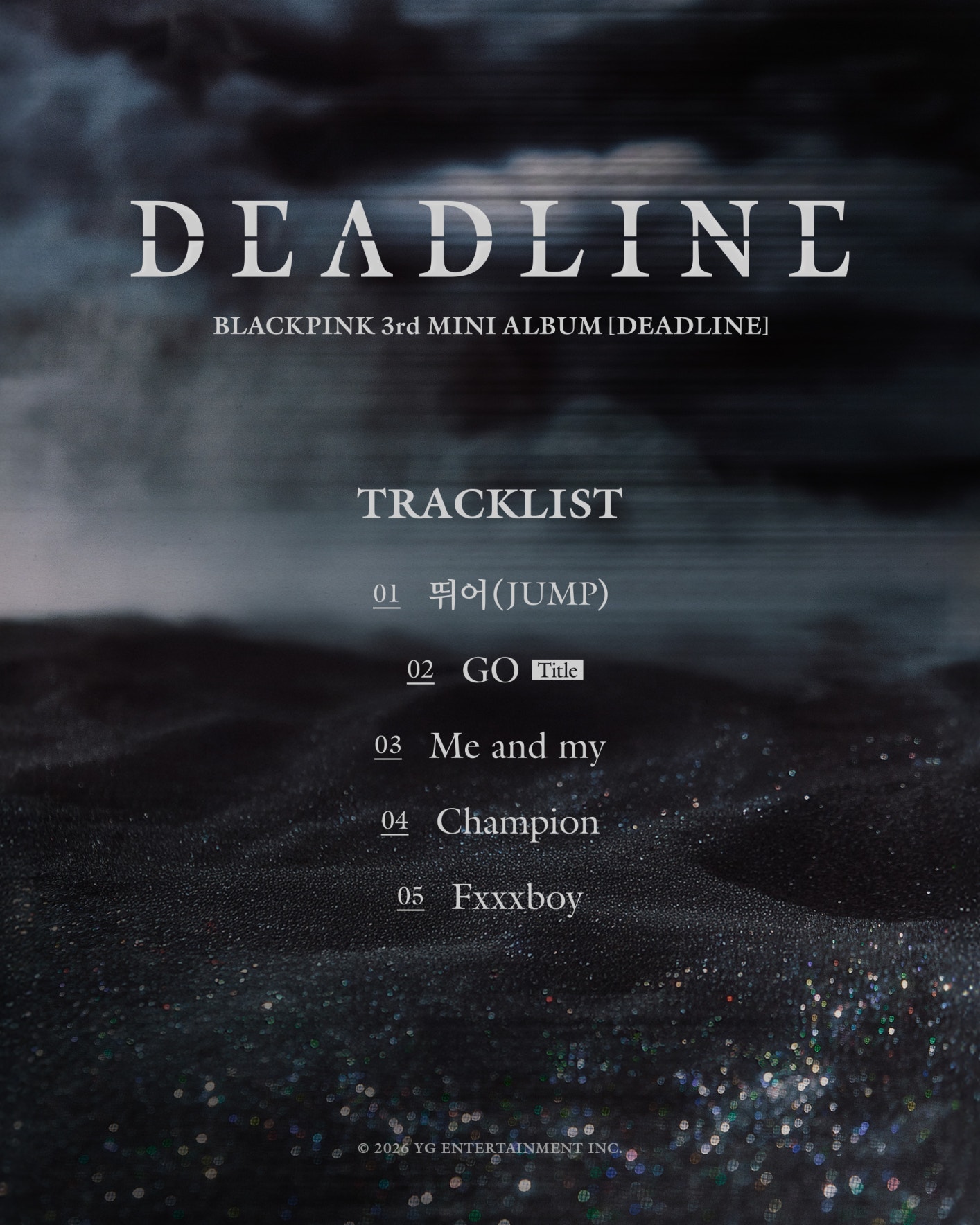
An album tracklist is the official, ordered sequence of songs released on a musical project, serving as the narrative blueprint that guides the listener through an artist's artistic statement. Understanding how to structure, format, and present a tracklist is essential for musicians, producers, and music industry professionals alike.
Understanding the Purpose and Evolution of the Album Tracklist
An album tracklist is far more than a mere table of contents for a collection of audio files. Historically rooted in the physical constraints and creative opportunities of the vinyl long-play (LP) record, the tracklist represents a carefully curated sequence designed to evoke specific emotional, psychological, and narrative arcs. The division between Side A and Side B of a vinyl record fundamentally shaped how artists conceptualized pacing, opening with strong statements, introducing dynamic shifts in the middle, and resolving with definitive concluding tracks.
In the contemporary digital streaming era, the function of the tracklist has evolved, yet its core psychological impact remains unchanged. While streaming platforms like Spotify, Apple Music, and Tidal allow listeners to shuffle tracks or build personalized playlists, the default album tracklist preserves the artist's intended listening journey. Whether conceptualized as a rock opera, a hip-hop concept album, or a curated pop compilation, the sequence dictates how tension is built, sustained, and released.
Furthermore, the tracklist serves as a vital metadata asset in the digital supply chain. Distributors, digital service providers (DSPs), and copyright organizations rely on precise tracklisting data to ensure accurate crediting, royalty distribution, and categorization. From International Standard Recording Codes (ISRCs) to explicit content labeling, every entry on a tracklist carries legal and operational significance that directly affects an artist's career.
Key Principles of Sequencing a Musical Project
Creating a compelling tracklist requires a balance of artistic intuition and structural discipline. A poorly sequenced album can alienate listeners and dilute the impact of strong individual songs, whereas an expert sequence enhances the cohesion and replay value of the entire body of work.
The opening track, often referred to as the opener or intro, must establish the sonic landscape and thematic tone of the project. It needs to capture immediate attention without necessarily giving away every musical trick the album has to offer. Conversely, the closing track provides emotional and narrative closure. It leaves a lasting impression on the listener, tying together the themes explored throughout the preceding minutes.
Between the opening and closing tracks, the sequencing must maintain momentum. Producers often utilize the concept of "peak and valley" pacing—alternating between high-energy singles and more introspective, mid-tempo, or ambient pieces. Placing too many high-intensity tracks consecutively can cause listener fatigue, while too many slow songs in a row can lead to disengagement.
| Track Position | Primary Artistic Purpose | Common Structural Characteristics | Industry & Streaming Considerations |
|---|---|---|---|
| Track 1 (Opener) | Establish tone, capture attention, set thematic expectations | High impact, signature sound, concise length | Often released as a pre-album single to drive anticipation |
| Middle Tracks | Maintain momentum, explore diverse sonic textures | Alternating tempos, collaborative features, thematic development | Crucial for sustaining algorithmic engagement and playlisting |
| Interlude | Provide narrative breathing room, bridge thematic shifts | Spoken word, instrumental, under 90 seconds | Frequently filtered out or skipped; should serve the overarching narrative |
| Final Track (Closer) | Provide resolution, summarize thematic journey, leave lasting impression | Epic scale, emotional resonance, or lingering ambiguity | Often becomes a fan favorite and a defining track for the release |
Technical Requirements and Metadata Standards for Digital Distribution
When preparing an album tracklist for commercial release through a digital music aggregator or distributor (such as DistroKid, TuneCore, or CD Baby), strict adherence to technical and metadata standards is mandatory. Failing to meet these specifications can result in distribution rejections, delayed release dates, or misallocated royalties.
Every track must be accompanied by accurate metadata. This includes the precise song title, featuring artists, producer credits, and songwriter attributions. Primary artists and featured artists must be clearly separated according to DSP style guides; for example, writing "Song Title (feat. Artist Name)" in the designated artist field rather than cluttering the track title itself.
Additionally, audio files must adhere to industry-standard specifications, typically uncompressed WAV or FLAC files at 24-bit/44.1kHz or higher. Each track requires a unique International Standard Recording Code (ISRC) to track radio play, digital streams, and mechanical royalties globally. If a track contains explicit lyrics, the explicit content warning flag must be activated during the upload process to comply with regional content rating regulations and platform policies.
Step-by-Step Guide to Finalizing Your Tracklist
Finalizing a tracklist involves a methodical review process that moves from rough drafts to final master sequencing. Follow this structured approach to ensure your project is ready for the world.
- Audit and Categorize: Gather all completed mixes. Group them by tempo, key, lyrical theme, and emotional resonance to understand the raw materials available for sequencing.
- Select the Anchors: Identify your strongest singles, standout mood pieces, and potential openers and closers. Lock these pivotal positions into place before arranging the middle of the album.
- Draft the Sequence: Build an initial digital playlist of the proposed tracklist. Listen to the sequence from start to finish on multiple playback systems—studio monitors, consumer headphones, and car speakers—to evaluate transitions and pacing.
- Evaluate Crossfades and Gaps: Determine whether specific tracks bleed into one another seamlessly or require standardized two-to-three-second silences to allow the listener's ear to reset.
- Verify Metadata and Compliance: Cross-reference your final list with your publishing data and distributor requirements, confirming that ISRCs, explicit tags, and songwriter credits are fully accurate.
Common Mistakes in Tracklist Sequencing
Even experienced artists occasionally fall into traps that undermine the listening experience of their albums. Recognizing these common pitfalls can save a project from pacing errors and administrative delays.
Front-loading the tracklist with every major single is a frequent error. While it may appeal to immediate streaming algorithms, it often leaves the second half of the album feeling like an afterthought. A balanced sequence weaves singles naturally among deeper cuts to maintain engagement throughout the entire runtime.
Another common mistake is ignoring transition dynamics, such as jarring key changes or abrupt volume drops between tracks that lack a natural buffer. Furthermore, neglecting administrative accuracy—such as misspelling featured artist names or omitting proper songwriter splits—can lead to severe royalty collection issues and legal disputes after release.
Frequently Asked Questions About Album Tracklists
What is the ideal number of songs for a standard album tracklist?
A standard album typically contains between 10 and 14 tracks, resulting in a runtime of 35 to 50 minutes. This length satisfies traditional vinyl and CD constraints while aligning with modern streaming habits, preventing listener fatigue while offering substantial artistic depth.
How do deluxe editions affect the original album tracklist?
Deluxe editions append bonus tracks, acoustic versions, or remixes to the end of the original tracklist. Industry standard dictates that the original track order remains entirely unaltered to preserve the integrity of the primary artistic statement, with bonus tracks appended as a distinct secondary block.
Can an album tracklist be changed after it has been distributed?
Altering a tracklist after distribution is technically possible through your digital distributor, but it is strongly discouraged. Changing track orders or deleting tracks after release can break existing streaming playlists, reset stream counts, and cause administrative errors with royalty collection agencies.
What is the difference between a tracklist and a setlist?
An album tracklist dictates the permanent, recorded sequence of songs on a released commercial project. A setlist, by contrast, is the curated order of songs an artist performs live during a specific concert or tour, which frequently changes from night to night.
How are interludes handled in streaming tracklists?
Interludes are short bridging tracks, usually under a minute and a half, placed between full-length songs. On streaming platforms, they are treated as standard tracks with their own ISRCs, though artists must ensure they serve a genuine narrative purpose to prevent high skip rates.
Next Steps for Publishing Your Project
Once your tracklist is locked, tested, and verified against technical distribution standards, export your final sequenced master audio files and compile your metadata spreadsheet. Submit your project to your chosen aggregator at least four weeks prior to your intended release date to allow sufficient time for DSP curation pitching, playlist submission, and quality control checks.