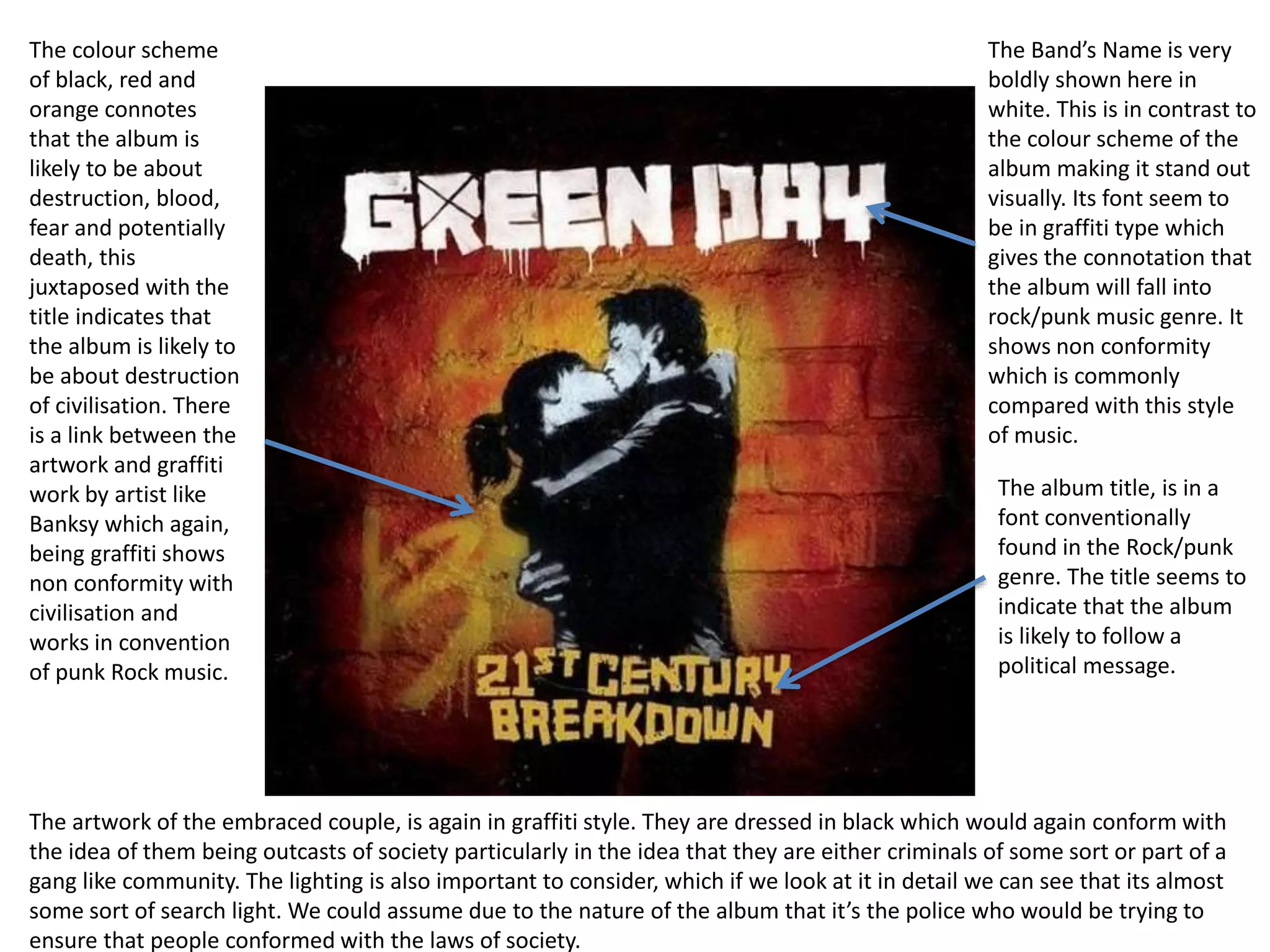
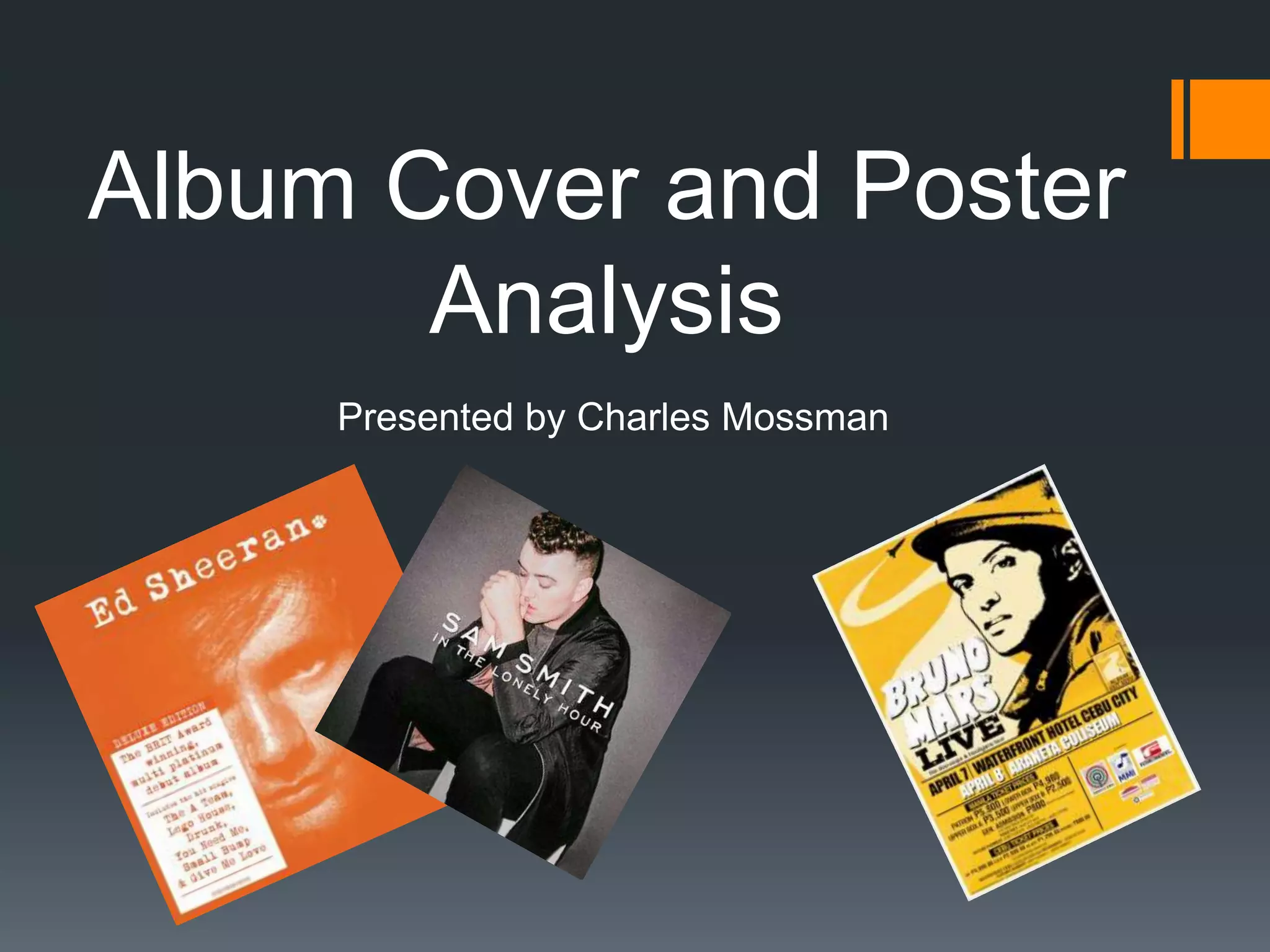
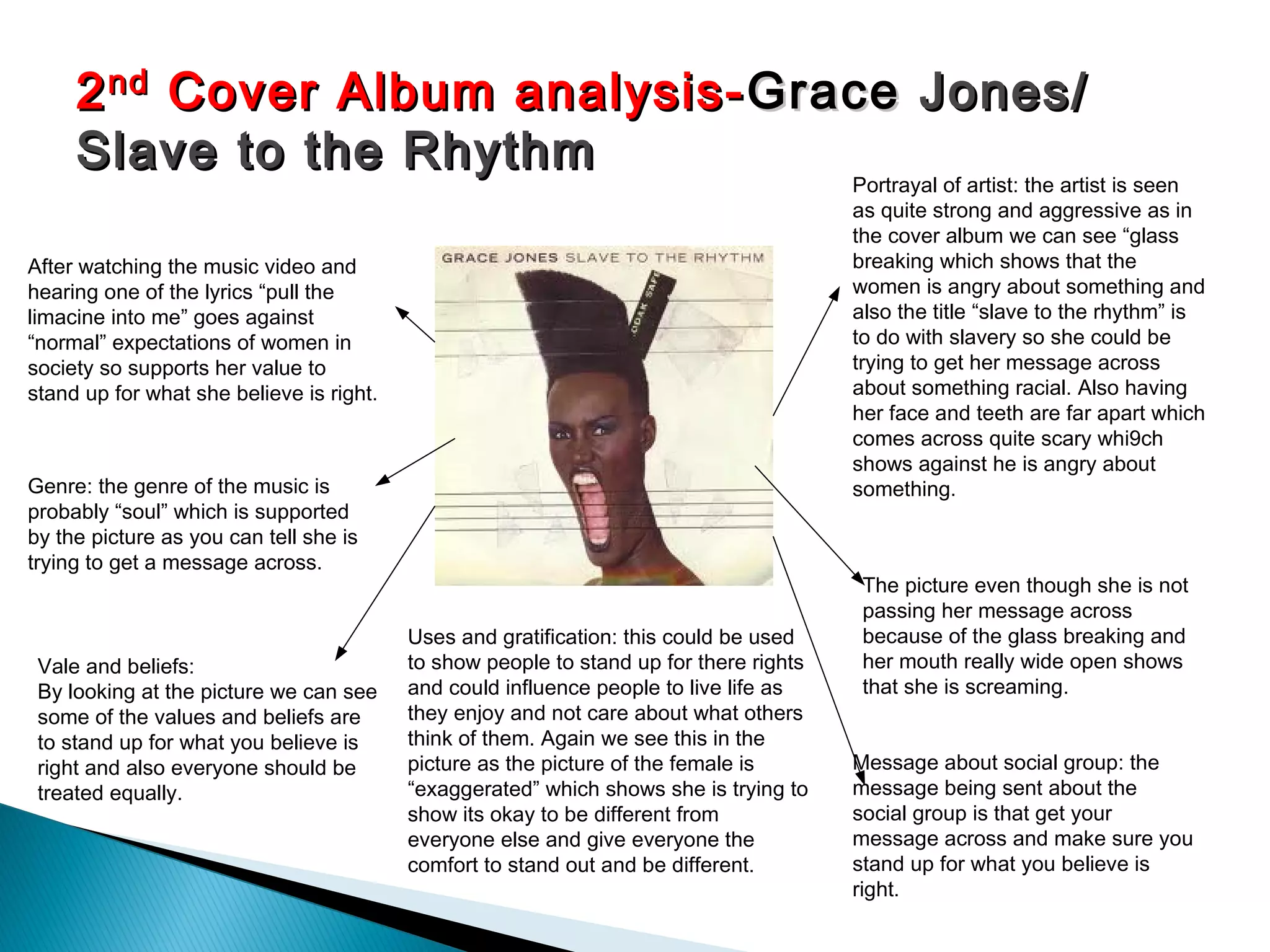
Album track analysis is the systematic examination of individual songs within the context of a cohesive body of work, focusing on how sequencing, lyrical motifs, sonic textures, and structural pacing contribute to the overarching narrative of a release. This evaluative practice bridges music theory, cultural critique, and audio engineering, allowing creators, critics, and listeners to deconstruct how a collection of tracks functions as an integrated artistic statement rather than a random assortment of singles.
Understanding the Scope of Album Track Analysis
At its core, album track analysis requires looking beyond the isolated hook or individual radio edit to evaluate how a song interacts with its neighbors. When an artist or producer sequences a record, the placement of every track serves a specific psychological and narrative purpose. Deconstructing this process involves mapping out the listener's journey from the opening track to the closer, examining the strategic deployment of interludes, tempo shifts, and dynamic contrasts.
In contemporary music criticism, this form of analysis serves as a vital tool for assessing an artist's artistic growth. By comparing tracks across a discography or within a single concept album, analysts can trace recurring motifs, evolving production techniques, and shifts in thematic focus. This requires a strong grasp of both technical audio terminology—such as compression, spatial imaging, and frequency balance—and contextual musicology, which places the work within historical and cultural frameworks.
Furthermore, album track analysis is indispensable during the mixing and mastering stages of record production. Audio engineers and producers utilize track-by-track evaluations to ensure sonic continuity across an entire project. By assessing how transient responses, stereo widths, and low-end weights translate from one song to the next, production teams can prevent listener fatigue and maintain a cohesive sonic signature from the first track to the final fadeout.
Structural Elements and Sequencing Strategies
The architecture of a well-crafted album relies heavily on strategic sequencing. The opening track, often called the opener or intro, must establish the sonic world of the project while capturing immediate attention. Analysts examine whether an opener introduces a central lyrical theme, establishes a signature instrumental palette, or utilizes immersive sound design to draw the listener into the album's universe.
Mid-album sequencing introduces concepts like the narrative turning point or the stylistic pivot. Many albums place a high-energy track or a stylistic outlier near the midpoint to re-engage the listener, followed by a sequence of introspective deep cuts. Analysts pay close attention to transitional devices, such as crossfades, shared harmonic keys, or spoken-word interludes, which create seamless bridges between distinct musical ideas.
| Sequencing Position | Primary Functional Role | Common Production Techniques |
|---|---|---|
| Opener | Establish mood, hook the listener, set sonic palette | High dynamic range, ambient intro, signature motif introduction |
| Mid-Album Pivot | Prevent fatigue, introduce narrative climax | Tempo acceleration, genre shift, contrasting vocal arrangement |
| Deep Cuts | Explore niche themes, showcase artistic versatility | Minimalist instrumentation, unconventional song structures |
| Closer | Resolve themes, leave lasting emotional resonance | Reprise of opening motifs, extended outro, fading dynamics |
The closing track bears the responsibility of resolution. An effective closer often ties together disparate lyrical threads introduced earlier in the tracklist, sometimes incorporating lyrical callbacks or harmonic reprises of the opening song. Analyzing the final track reveals how the artist intends the overall experience to linger in the memory of the listener, transforming a passive listening session into a memorable journey.
Lyrical Motifs and Thematic Continuity
Lyrical analysis within an album framework goes beyond interpreting individual verses; it maps the evolution of a narrator's perspective or a central story arc across multiple tracks. Concept albums offer the clearest examples of this phenomenon, where songs act as chapters in a larger narrative. However, even non-concept releases frequently exhibit thematic continuity through recurring metaphors, imagery, and emotional touchstones.
When conducting a track-by-track lyrical examination, critics look for shifting tones in vocabulary and perspective. For instance, an early track might feature externalized observations and urgent rhythms, while later tracks transition toward internal reflection and slower tempos. This evolution reflects a deliberate authorial choice to mirror psychological states through linguistic and poetic devices.
Moreover, examining recurring vocal production choices—such as heavy vocal tuning, intimate dry close-miking, or expansive stadium reverb—provides insight into the emotional distance the artist wishes to establish. When production techniques shift dynamically from track to track, they often reinforce the lyrical narrative, underlining moments of vulnerability, alienation, or triumph with distinct acoustic environments.
Technical Production and Sonic Consistency
Behind the creative choices of album track analysis lies a rigorous examination of technical mixing and mastering decisions. A cohesive album requires careful management of sonic elements across every track to prevent jarring disparities in volume, frequency distribution, and dynamic range. Audio professionals evaluate how each track utilizes the stereo field, ensuring that panning choices and spatial effects complement the overall aesthetic.
Frequency balancing is a primary focus of technical track analysis. If one song features an overly aggressive high-mid range while the preceding track is dark and bass-heavy, the listening experience suffers. Engineers use reference mixing and spectrum analyzers to maintain a consistent spectral footprint across the tracklist, even when instrumentation changes drastically between acoustic ballads and electronic anthems.
| Technical Parameter | Evaluation Metric | Production Objective |
|---|---|---|
| Integrated Loudness | LUFS (Loudness Units Full Scale) | Ensure consistent perceived volume across all tracks |
| Dynamic Range | Crest factor and transient retention | Preserve emotional impact without over-compression |
| Stereo Imaging | Correlation meters and phase coherence | Maintain mono compatibility and wide spatial separation |
| Spectral Balance | Frequency response curves | Prevent harsh resonance peaks and muddy low-end buildup |
Dynamic range management also dictates how an album feels over time. Pushing every track to maximum loudness can lead to listening fatigue, whereas thoughtful dynamic variation allows energetic peaks to stand out against more restrained, intimate arrangements. Analysts study how mastering engineers balance modern loudness standards with the expressive peaks and valleys required for artistic depth.
Practical Approaches for Conducting Your Own Analysis
Performing an effective album track analysis requires active listening strategies that transcend casual consumption. Rather than simply listening from start to finish, analysts often employ iterative listening passes, focusing on a single dimension—such as rhythm, lyrics, or mixing choices—during each pass. This granular approach uncovers subtle production details and structural callbacks that are easily missed during casual playback.
To begin a structured analysis, gather the necessary materials: high-fidelity playback equipment, lyrics sheets, and a notebook for tracking structural markers. Documenting timestamps for key events, such as the entrance of a secondary vocal harmony, a sudden key change, or the deployment of a specific effect, allows for precise mapping of the song's architecture. Comparing these structural maps across the entire tracklist reveals patterns in the artist's composition style.
Finally, place the album in its historical and biographical context. Understanding the timeline of creation, the equipment available to the producer, and the cultural climate surrounding the release enriches the analytical framework. While the music must ultimately stand on its own, contextual awareness prevents misinterpretation of stylistic choices and illuminates the influences that shaped the final project.
How Can Listeners Improve Their Critical Listening Skills for Albums?
Listeners can develop their critical listening skills by intentionally shifting from passive background consumption to active, analytical engagement with the music. This process begins with eliminating distractions and utilizing high-quality headphones or speakers to discern subtle details in the mix. Practicing active listening involves focusing on individual elements—such as identifying the specific role of the bass guitar, tracking the panning of backing vocals, or noticing how a snare drum's reverb tail decays into silence. Over time, consistent practice builds a mental vocabulary for describing sound, rhythm, and structure, transforming how you experience recorded music.
What Distinguishes a Concept Album from a Standard Release in Track Analysis?
A concept album is explicitly organized around a central narrative, theme, or visual motif that governs the composition, lyricism, and sequencing of every track on the record. In contrast, a standard release typically features a collection of standalone songs united primarily by an artist's general stylistic signature or production era. During track analysis, a concept album requires the critic to trace explicit plot developments, character arcs, and recurring musical motifs across the entire tracklist, whereas a standard release focuses more on thematic resonance, mood curation, and stylistic variety.
Why Is Track Sequencing Critical to an Album's Commercial and Artistic Success?
Track sequencing dictates the psychological momentum and narrative pacing of an entire record, directly influencing whether a listener remains engaged or experiences fatigue. A poorly sequenced album can bury strong material behind abrasive transitions or disorienting shifts in mood, weakening the impact of the artistic statement. Conversely, thoughtful sequencing builds emotional tension, provides necessary moments of relief through interludes or slower tempos, and guides the listener toward a satisfying, memorable conclusion.
How Do Producers Maintain Sonic Continuity Across Different Studios and Engineers?
Maintaining sonic continuity across disparate recording environments relies on rigorous reference mixing, standardized mastering targets, and clear communication between the artist, mixing engineer, and mastering engineer. Producers often establish a template or a sonic "anchor track" early in the recording process that defines the desired frequency balance, dynamic range, and tonal character. When tracks are recorded in various studios, the mastering engineer acts as the final quality control checkpoint, applying equalization, multiband compression, and limiting to unify the disparate audio files into a cohesive listening experience.
Next Steps for Deepening Your Musical Understanding
To further refine your ability to conduct comprehensive album track analyses, start by selecting a critically acclaimed album across a genre you enjoy. Listen to the project three times consecutively, dedicating each listening session to a single analytical pillar: lyrics and narrative on the first pass, structural arrangement and instrumentation on the second, and technical mixing choices on the third. Document your observations in a journal to track your evolving analytical insights and apply these listening frameworks to future musical discoveries.