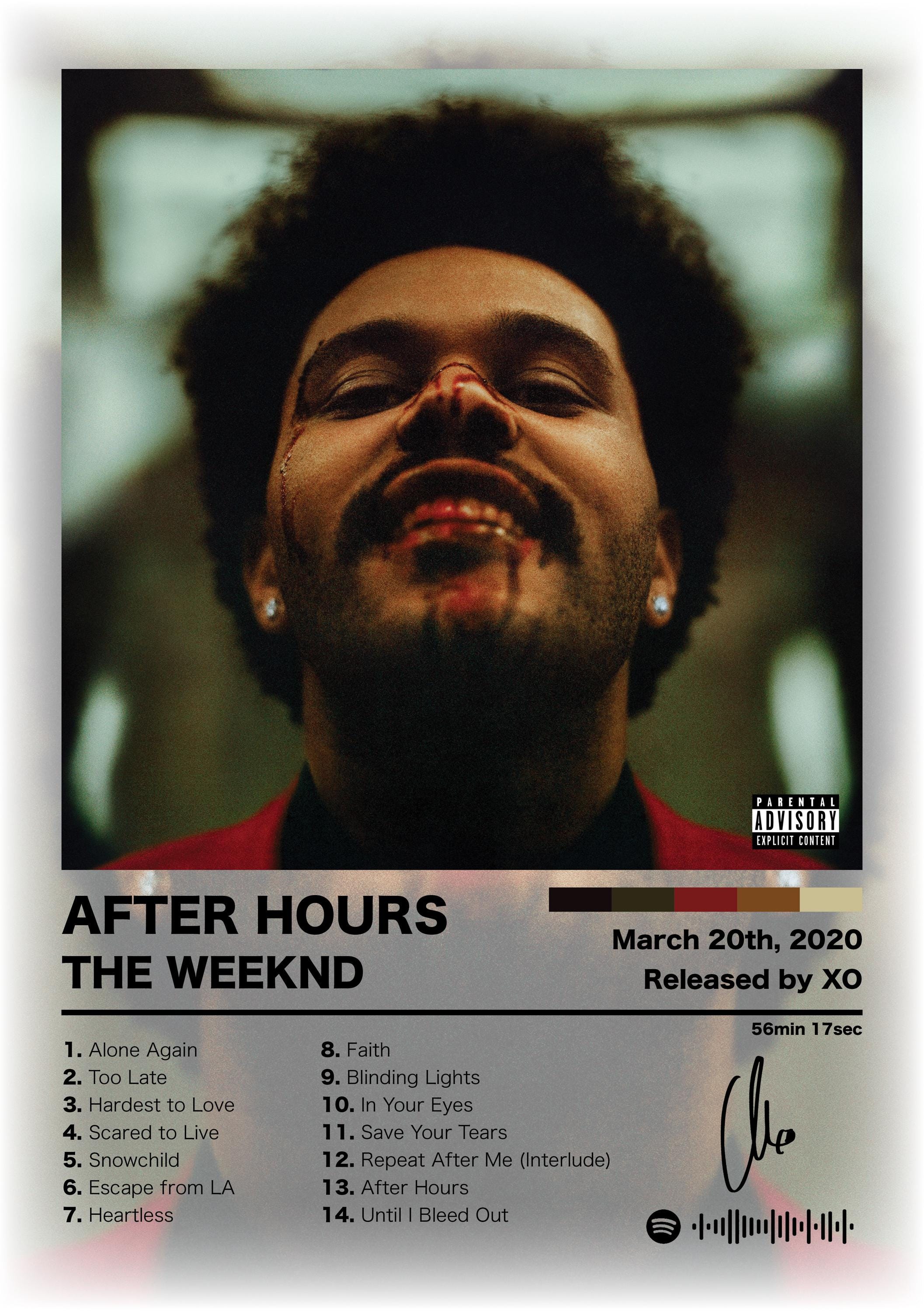
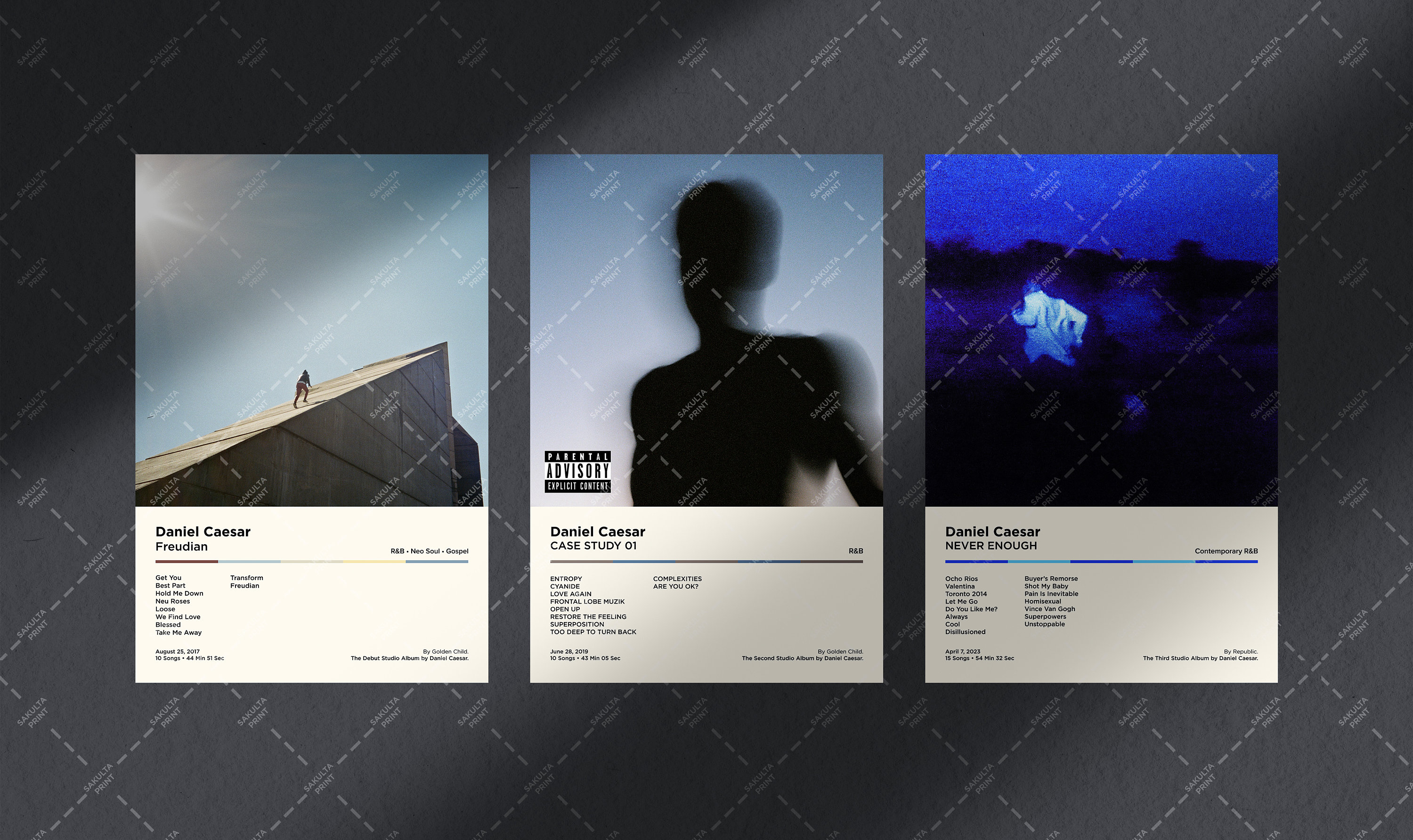
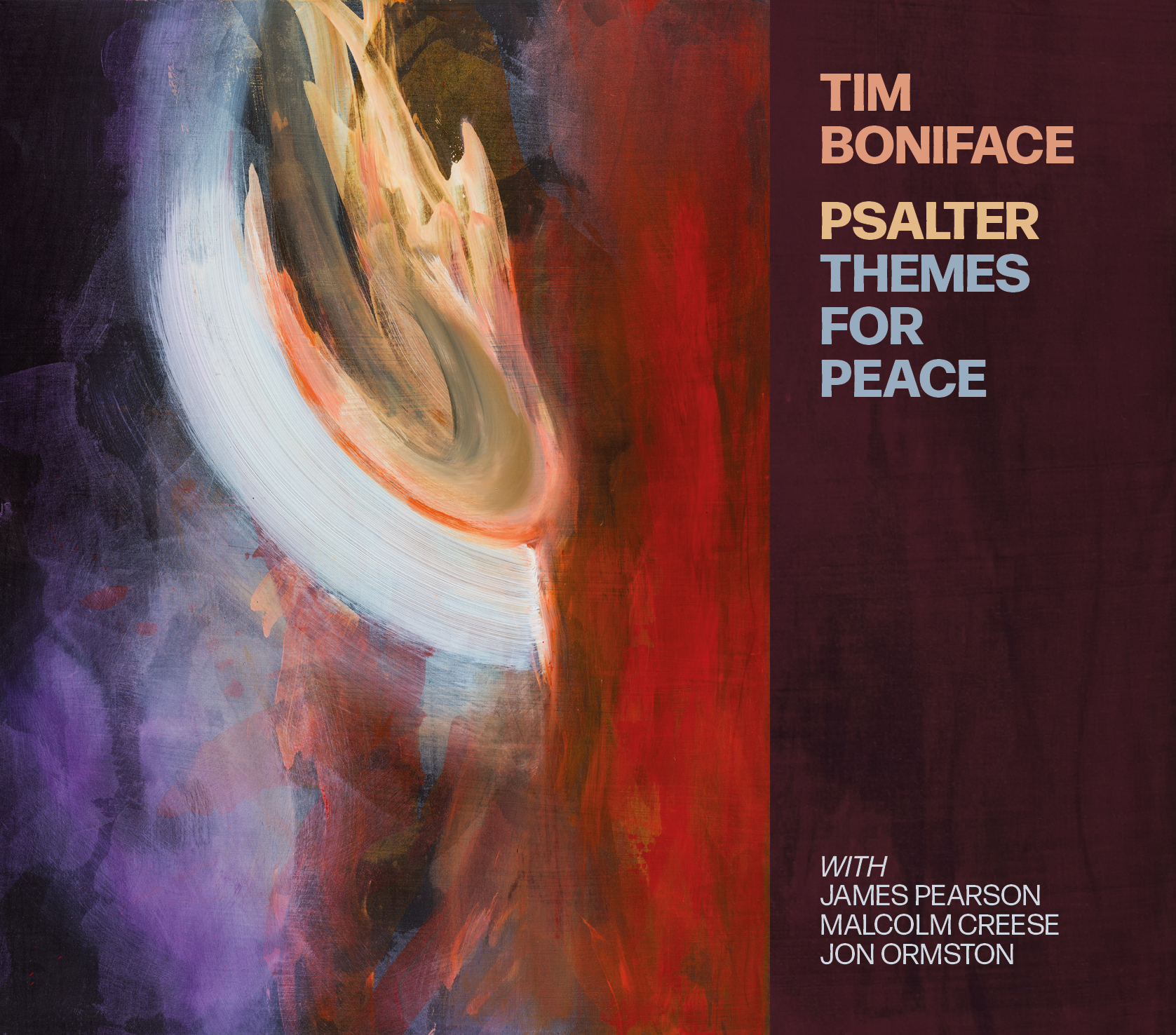
Album themes provide a cohesive narrative, emotional spine, or conceptual framework that unites a collection of musical or artistic tracks into a unified body of work. By establishing a shared motif, lyrical thread, or sonic atmosphere, creators transform individual pieces into an immersive listening experience that guides audiences through a structured journey.
An album theme functions as the overarching conceptual or narrative anchor for a collection of recorded works, shaping everything from lyrical content and instrumentation to visual aesthetics and marketing campaigns. Rather than existing as a loose compilation of standalone singles, a themed record utilizes recurring motifs, specific storytelling arcs, or shared psychological states to connect disparate tracks. This structural approach has influenced music production, visual art curation, and media consumption habits for decades, allowing artists to explore complex subjects with greater depth.
The Evolution and Cultural Significance of Conceptual Records
The concept of a unified artistic statement stretches back to early classical music and thematic song cycles, but the modern iteration was forged during the mid-20th century vinyl boom. As recording technology advanced and long-playing records (LPs) replaced 78 RPM singles, musicians gained the physical canvas necessary to experiment with extended formats. Creators realized that an entire side of vinyl—or eventually an entire compact disc—could be dedicated to a single, unbroken train of thought.
During the late 1960s and 1970s, rock, jazz, and progressive music scenes elevated the format into high art. Artists used structured song sequences to critique socio-political systems, explore internal mental landscapes, or tell fictional stories through recurring character perspectives. This era established that popular music could transcend radio-friendly brevity and engage listeners on a literary or cinematic level.
In contemporary production, the relevance of a unified artistic concept has evolved alongside streaming platforms. While modern listening habits frequently favor randomized playlists and single-track consumption, cohesive collections offer a distinct counterweight. Creators utilize them to foster dedicated fan communities, encourage active listening, and deliver immersive multimedia experiences that extend across social media, live tours, and visual albums.
Core Categories of Conceptual Frameworks
Understanding how creators structure their projects requires examining the primary categories of conceptual frameworks. While every project is unique, most thematic designs fall into one of several distinct archetypes. Recognizing these structural types helps listeners interpret the deeper meaning behind the art and helps creators maintain internal consistency throughout the production process.
The following categories outline the most common structural approaches used in modern and historical compositions:
- Narrative Storytelling: Projects built around a linear or non-linear plot involving specific characters, settings, and dramatic stakes. Each track acts as a chapter or scene in a larger theatrical production.
- Lyrical and Philosophical Motifs: Collections united by an exploration of abstract concepts such as grief, existentialism, technological alienation, or political rebellion, where individual tracks examine different facets of the central idea.
- Sonic and Atmospheric Consistency: Works defined primarily by a specific sonic palette, instrumentation style, or production environment rather than an explicit story, creating a uniform mood or spatial immersion.
- Autobiographical and Confessional Journeys: Intimate works that chronicle a specific phase of a creator's life, processing personal trauma, triumph, or psychological transformation in chronological or thematic sequence.
Structural Typology of Conceptual Projects
| Framework Type | Primary Focus | Common Artistic Mediums | Listener Engagement Style |
|---|---|---|---|
| Narrative Arc | Plot development, character arcs, chronological storytelling | Rock opera, concept metal, hip-hop concept records | Active following of plot points and character fates |
| Philosophical Motif | Exploration of an abstract idea, moral question, or emotion | Alternative rock, ambient electronic, jazz | Intellectual and emotional introspection |
| Sonic Atmosphere | Unified production techniques, specific instruments, ambient textures | Post-rock, synthwave, instrumental electronica | Environmental immersion and mood enhancement |
| Autobiographical | Personal processing, historical reflection, diary-style confession | Folk, singer-songwriter, indie pop, blues | Empathetic connection and narrative resonance |
Production and Execution Methodologies
Designing a cohesive body of work requires meticulous planning across multiple creative disciplines. The process begins during the writing stage, where lyricists and composers establish the foundational vocabulary, key signatures, and recurring lyrical motifs that will unify the tracklist. This foundational work ensures that even tracks with different tempos or instrumentation feel anchored to the same core project.
During the recording and arrangement phases, producers select specific gear, acoustic treatments, and mixing techniques to reinforce the intended atmosphere. For instance, a project centered around retrofuturism might rely heavily on analog synthesizers and tape saturation, while an organic, acoustic project might utilize live room microphones and minimal processing. Transitions between tracks—such as crossfades, spoken-word interludes, or recurring instrumental motifs—are carefully engineered to maintain momentum and prevent the listening experience from fracturing.
Visual components play an equally vital role in modern execution. Album artwork, music videos, typography, and stage design are all synchronized with the central concept to provide visual cues that deepen audience comprehension. When these auditory and visual elements align, the final product transcends audio files, becoming a multi-sensory destination for the audience.
Common Challenges and Pitfalls in Conceptual Design
While ambitious conceptual frameworks can elevate an artistic project, they also introduce significant creative and commercial risks. Creators often encounter specific hurdles that can undermine the effectiveness of their work if not managed carefully. Recognizing these pitfalls is essential for both creators and critics evaluating the success of a themed release.
One primary hazard is sacrificing musical quality for the sake of the concept. When an artist forces every single track to serve a rigid narrative or philosophical point, individual songs can suffer from repetitive instrumentation, forced lyrical phrasing, or a lack of standalone memorability. A successful project must strike a balance where each track functions as a compelling piece of music on its own while simultaneously serving the larger structural architecture.
Another common challenge involves pacing and listener fatigue. Long-form projects that explore dense, heavy themes without dynamic contrast risk losing the audience's attention halfway through the sequence. Skilled creators introduce variation in tempo, emotional intensity, and dynamic range to keep listeners engaged throughout the entire runtime, ensuring that the thematic journey feels rewarding rather than exhausting.
How Do Creators Select and Develop a Cohesive Concept?
Selecting a compelling concept requires identifying a subject broad enough to sustain multiple tracks yet specific enough to maintain focus. Creators often draw inspiration from personal experiences, literary works, historical events, or philosophical dilemmas. The development process typically involves outlining a central thesis or story arc before writing begins, mapping out how individual songs will contribute different perspectives to the main theme.
What Role Do Interludes Play in Unified Projects?
Interludes function as acoustic bridges, scene transitions, or psychological pauses between major tracks. They help reset the listener's ear, signal a shift in the narrative timeline, or reinforce the ambient atmosphere without requiring a full-length song structure. By guiding the listener smoothly from one movement to the next, interludes preserve the immersive quality of the overarching project.
Can Instrumental Music Successfully Convey a Theme?
Instrumental music communicates themes effectively through tone, harmony, rhythm, and dynamic arrangement. Without relying on explicit lyrics, creators use specific musical keys, tempo fluctuations, and recurring instrumental motifs to evoke distinct emotions, settings, or narrative developments. Ambient, classical, and post-rock genres frequently rely entirely on sonic architecture to tell stories.
How Do Streaming Platforms Impact Themed Releases?
Streaming platforms alter how audiences interact with themed projects by emphasizing single-track discovery and algorithmic playlist placement. While this makes it easier for casual listeners to encounter isolated songs, it can disrupt the intended chronological flow. To counter this, creators often use visual albums, immersive audio formats, and narrative music videos to encourage listeners to experience the work in its entirety.
What Defines the Difference Between a Compilation and a Concept Project?
A standard compilation is a collection of previously released or loosely related tracks gathered together for commercial or archival purposes, often sharing little more than the same artist or genre. In contrast, a concept project is intentionally designed from the ground up around a shared narrative, philosophical, or sonic framework where the sequence and relationship between tracks are integral to the meaning of the work.
Strategic Next Actions for Creators and Enthusiasts
For creators embarking on a thematic project, the most effective next step is to draft a comprehensive creative brief outlining the central motif, desired emotional tone, and visual direction before entering the studio. Establishing these parameters early prevents scope creep and keeps the production focused. For listeners and critics, approaching a themed release with active attention—listening from start to finish without interruption—unlocks the full artistic depth and narrative nuance embedded within the work.