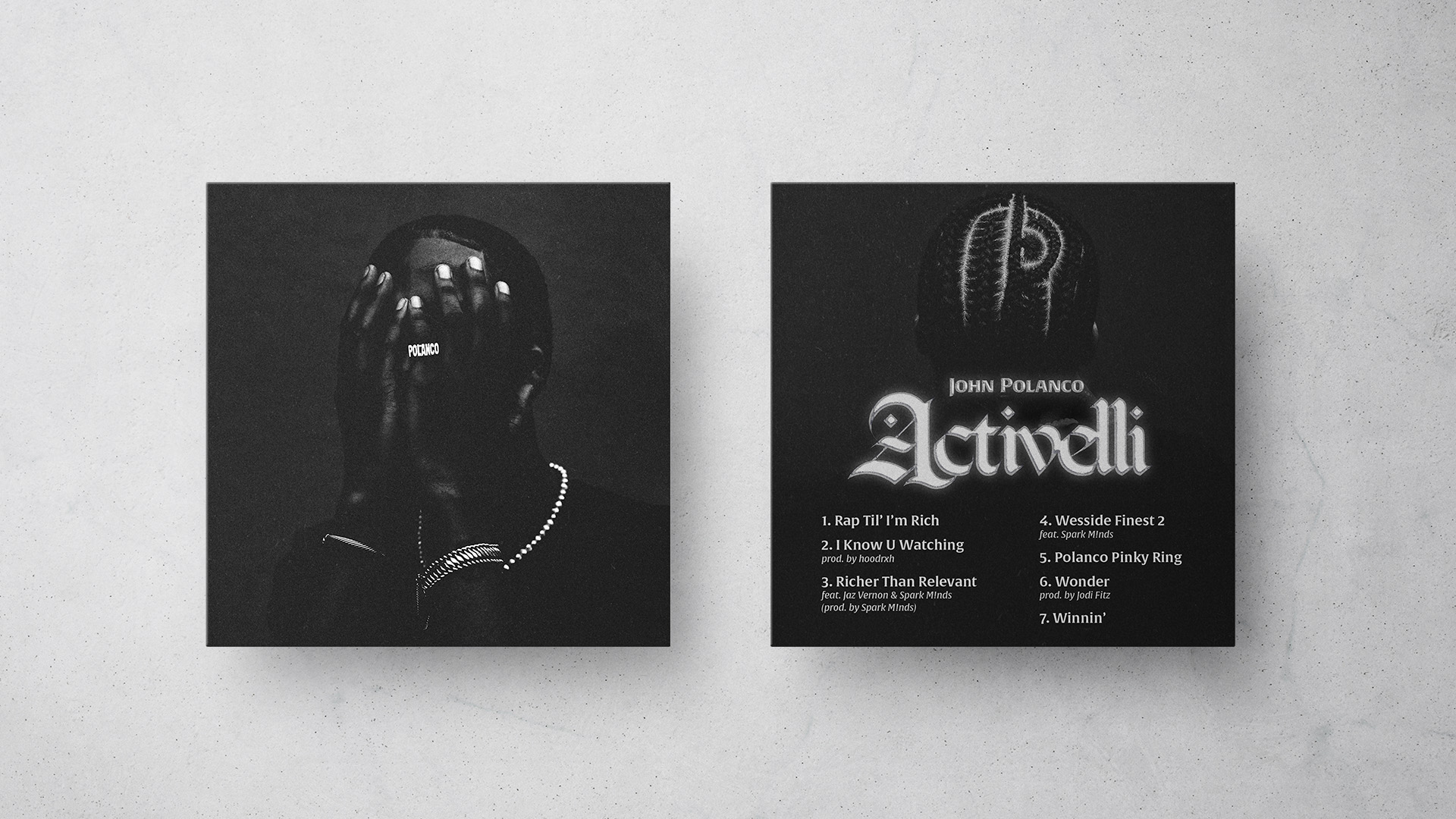
An album rollout strategy is a phased, multi-channel marketing blueprint designed to build anticipation, capture audience attention, and maximize commercial and streaming impact prior to and following a record's release. Far more than simply dropping files on a digital distributor, a successful rollout coordinates PR, social media, merchandise, touring, and playlist pitching over a deliberate timeline to turn a collection of songs into an unmissable cultural event.
Defining the Modern Album Rollout Framework
In the streaming era, an album rollout strategy has shifted from a compressed, radio-heavy sprint to an elongated, community-driven marathon. Historically, record labels relied on a single lead single followed immediately by a compact player in stores. Today's fractured attention spans and algorithmic discovery engines demand a continuous drip of content that keeps listeners engaged for months before and after the actual drop date.
A comprehensive framework requires balancing artistic vision with data analytics. Artists must define their core audience segments, map out critical path milestones, and align every marketing asset—from visual aesthetics to short-form video clips—around a central narrative. This structural approach prevents chaotic, last-minute promotions and ensures that every piece of content compounds the momentum generated by the last.
Understanding the mechanics of algorithmic platforms like Spotify, Apple Music, and YouTube is foundational to this framework. Streaming algorithms reward velocity, continuous user engagement, and saves. Therefore, a modern rollout is deliberately engineered to spike these metrics at precise moments, convincing recommendation engines to push the music to wider, passive audiences who have not yet discovered the artist.
Phase One: The Pre-Announcement and World-Building Stage
The earliest stage of any effective campaign begins months before the first single drops. This foundational period focuses on world-building—establishing the visual, thematic, and sonic universe of the forthcoming project. Without a compelling narrative, even masterfully mixed tracks struggle to hold attention in a crowded marketplace.
During this phase, artists often wipe their social media grids, introduce a new aesthetic, or subtly hint at lyrical motifs through cryptic imagery. The goal is to signal to core fans that a new era has begun. This creates immediate intrigue and signals professional intent to industry gatekeepers, including playlist curators, booking agents, and music journalists.
Simultaneously, creators must audit and optimize their digital infrastructure. This involves claiming and updating profiles on Spotify for Artists, Apple Music for Artists, and YouTube Creator Studio. Metadata consistency across these platforms ensures that when the rollout accelerates, fans experience zero friction when searching for merchandise, tour dates, or pre-save links.
Phase Two: Single Strategy and Algorithmic Momentum
The single strategy forms the engine of the pre-release timeline. Releasing multiple tracks ahead of the full-length project allows artists to test different sonic angles, feed the streaming algorithms, and build a cumulative catalog of assets. Typically, an artist will drop three to four singles spaced four to six weeks apart, culminating in the full album release.
| Single Number | Timing Prior to Album | Primary Objective | Key Marketing Activity |
|---|---|---|---|
| Lead Single | 12 to 16 Weeks | Broad discovery and tone-setting | High-budget music video, DSP pitching, playlist targeting |
| Second Single | 8 to 10 Weeks | Re-engagement and fan conversion | Short-form video challenges (TikTok/Reels), merchandise drop |
| Third Single | 4 to 5 Weeks | Deepening lore and pre-save push | Exclusive listening sessions, press features, radio push |
| Focus Track | Release Day | Instant streaming velocity | Playlist banner ads, visualizers, social media push |
Selecting the correct lead single requires ruthless objectivity. The track must represent the album's core sound while possessing immediate hook-driven appeal. Once chosen, the track must be submitted to streaming services via their native pitching tools at least four weeks prior to its distribution date to secure consideration for official editorial playlists.
As each single rolls out, secondary content must support it. This includes behind-the-scenes studio footage, lyric breakdown videos, and interactive social media challenges. Every piece of content should drive traffic toward a centralized pre-save link, which acts as a vital metric for measuring audience size and gauging regional interest for future touring schedules.
Phase Three: Media, Public Relations, and Narrative Building
While algorithmic streaming drives top-of-funnel discovery, traditional media and targeted public relations solidify an artist's cultural credibility. Securing press coverage requires a compelling press release and an electronic press kit (EPK) that contextualizes the album within the broader cultural landscape or the artist's personal growth.
Publicity efforts should be staggered to match the music releases. Early singles might land premiere reviews or track features in niche music blogs, while the full album release warrants deeper profile pieces, interviews with prominent podcasters, and reviews in major cultural publications. Independent artists can leverage specialized PR platforms or hire freelance publicists to pitch stories directly to relevant editors.
In addition to written journalism, synchronization licensing (sync) and brand partnerships play a major role in expanding a release's footprint. Securing a placement in a television show, video game, or commercial provides both financial support and exposure to entirely new demographics. These partnerships must be negotiated well in advance to align with the album's release window.
Phase Four: Execution, Release Day, and Immediate Aftermath
The culmination of months of planning occurs on release day, but the work intensifies rather than pauses. The primary objective on release day is maximizing conversion velocity—translating the built-up anticipation into immediate streams, physical purchases, and digital downloads within the first 48 hours.
Coordinating simultaneous drops across all time zones requires meticulous scheduling with digital aggregators like DistroKid, TuneCore, or CD Baby. Physical variants—such as vinyl records, cassettes, and CD bundles—should be manufactured and shipped to distribution warehouses months in advance to avoid supply chain delays that could frustrate eager buyers.
| Execution Element | Key Requirement | Common Pitfall |
|---|---|---|
| Digital Distribution | Upload assets 4-6 weeks early | Last-minute audio changes causing metadata mismatches |
| Physical Merchandise | Pre-order fulfillment guarantees | Delays in vinyl pressing plants missing the release window |
| Social Media Content | Scheduled reminders and countdowns | Relying solely on release day posts without sustained updates |
| Live Performance | Launch show or listening party | Failing to capture professional video content for later use |
Post-release engagement is where many campaigns stumble. Once the album is live, artists must pivot to sustaining momentum. This involves releasing focus track music videos, sharing fan reactions, updating playlist features, and launching the live tour supporting the project. Keeping the conversation active prevents the album from fading into obscurity after its first week on the charts.
Phase Five: Long-Tail Optimization and Analytics Review
A rollout does not end when the release week charts close. Long-tail optimization focuses on extracting ongoing value from the recorded work over a period of months or years. This phase relies heavily on analyzing data provided by streaming dashboards and social media analytics tools.
Artists and managers should examine listener retention rates, skip rates, and geographic concentration data. If a specific track is gaining organic traction in a city where the artist has not yet performed, booking agents can immediately target that market for upcoming tour routing. Similarly, algorithmic spikes on specific songs should dictate which tracks receive subsequent marketing spend and paid advertising support.
Continuous content creation—such as acoustic renditions, remixed versions, or live performance videos—can breathe new life into older tracks months after the initial release. Treating the album as a living catalog rather than a disposable product ensures steady, long-term revenue generation and fan loyalty.
Frequently Asked Questions
How far in advance should I start planning an album rollout?
You should begin planning your album rollout at least six months before your scheduled release date. This window allows adequate time for mixing and mastering, manufacturing physical goods, pitching to streaming editorial teams four weeks prior to single drops, and securing public relations coverage without rushed deadlines.
How many singles should I release before dropping the full album?
Releasing three to four singles spaced four to six weeks apart is the industry standard for most independent projects. This cadence keeps your name active in the streaming ecosystem, provides multiple opportunities for playlist pitching, and builds a substantial narrative arc leading into the full-length release.
What is the importance of a pre-save campaign?
A pre-save campaign acts as a vital metric for measuring audience intent while automatically adding your upcoming music to a listener's library the moment it drops. High pre-save numbers signal strong audience demand to digital service providers, which can positively influence your chances of securing algorithmic and editorial playlist placement.
How do I pitch my music to Spotify editorial curators?
You can pitch your unreleased music directly to Spotify editorial teams through the Spotify for Artists portal. You must submit your track at least two to four weeks before its release date, provide detailed genre and cultural context, and select appropriate mood tags to ensure your submission reaches the correct genre editors.
What should I do if my physical vinyl records are delayed past release day?
If manufacturing delays push back your physical inventory, communicate transparently with your fanbase via email newsletters and social media. Offer digital downloads or exclusive streaming links to compensate for the wait, and ensure your webstore clearly displays updated estimated shipping timelines to maintain consumer trust.
Next Steps for Planning Your Campaign
Begin your rollout by auditing your existing catalog, updating your digital profiles, and establishing a realistic timeline that accounts for manufacturing and distribution lead times. Map out your asset creation schedule—including music videos, visualizers, and social media content—ensuring you have a deep reserve of material ready before your first promotional push begins. By treating your music release as a structured, multi-phase project rather than a single event, you maximize your creative impact and build a sustainable foundation for your career.