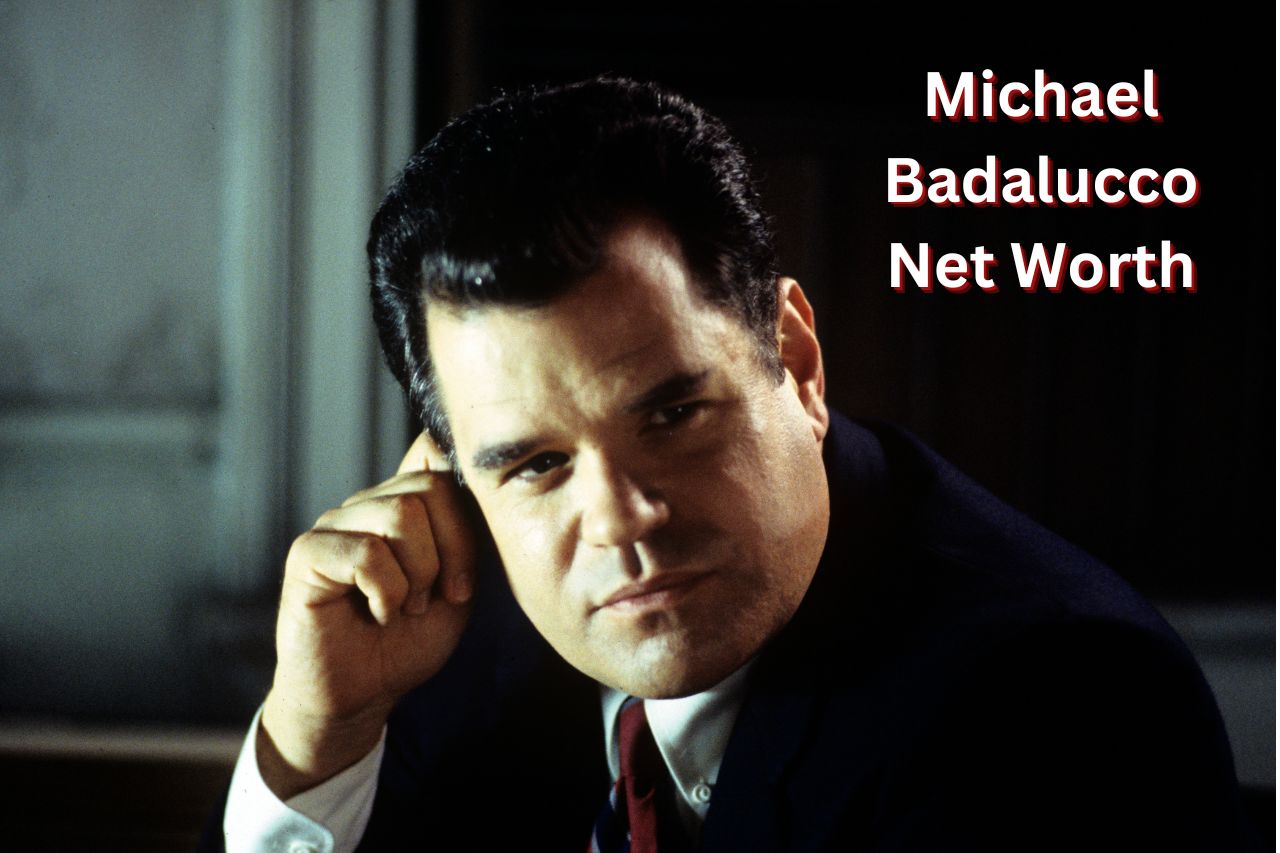
Albery Maury accumulates his net worth primarily through professional acting roles in film, television, and stage productions, supplemented by strategic endorsements, brand partnerships, and independent creative ventures. While specific public asset disclosures for private or character actors can vary widely in estimation, his financial standing reflects decades of continuous industry engagement, professional union memberships, and diversified media appearances.
Evaluating the financial footprint of a career actor requires looking beyond a single salary or breakout role. In the modern entertainment industry, an actor's total valuation stems from a complex ecosystem of recurring residual payments, contractual back-end points, commercial agreements, and long-term asset management. Understanding how professional performers sustain and grow their capital provides valuable insight into the economics of the contemporary entertainment landscape.
The Foundation of Acting Income: Base Salaries and Residuals
The core driver of Albery Maury's net worth originates from primary performance fees earned across television series, feature films, and theatrical engagements. Professional actors operating within the mainstream entertainment market typically negotiate compensation structures governed by collective bargaining agreements, most notably those established by SAG-AFTRA in the United States or equivalent international trade unions. These contracts establish minimum daily and weekly pay rates, commonly referred to as scale, while affording established performers the leverage to command above-scale salaries based on their market demand, past box office performance, or critical acclaim.
Beyond initial compensation, long-term financial stability for working actors heavily relies on residual payments. Whenever a television program, film, or commercial featuring Maury is rebroadcast, syndicated, or licensed to streaming video-on-demand (SVOD) platforms, union rules mandate that participants receive supplementary compensation. These recurring disbursements can provide a predictable baseline of passive income long after principal photography has concluded. For character actors and dependable supporting performers who maintain a high volume of credits across multiple projects, these aggregated residuals form a substantial pillar of cumulative net worth.
The structure of actor compensation varies significantly depending on the medium. The following breakdown illustrates the primary income tiers and financial characteristics associated with different performance sectors:
| Performance Sector | Primary Compensation Model | Key Financial Driver | Long-Term Revenue Potential |
|---|---|---|---|
| Feature Films | Upfront episodic or flat fee | Box office bonuses and profit participation | Moderate to high via syndication and physical media sales |
| Television Series | Per-episode or per-season salary | Syndication milestones and streaming residuals | High, especially with long-running network or cable shows |
| Commercials | Session fee plus usage rights | Airtime frequency and regional vs. national broadcast scope | Short-term spikes based on broadcast duration |
| Stage & Theater | Weekly salary per performance run | Critical reception and limited engagement extensions | Generally low compared to screen acting; primarily prestige-driven |
Diversifying Revenue Through Commercials and Brand Endorsements
In addition to traditional narrative storytelling, commercial acting and promotional endorsements represent vital avenues for wealth accumulation. Major brands frequently seek recognizable faces and trusted voices to anchor marketing campaigns across digital, print, and broadcast channels. For actors like Albery Maury, commercial work often offers a high return on investment for relatively short production schedules.
Endorsement agreements typically involve contractual terms where the artist grants a brand the temporary right to use their likeness, name, or persona in exchange for a guaranteed financial retainer. These deals are negotiated independently of union scale when non-union digital campaigns are concerned, or under strict commercial contracts that mandate additional compensation for extended broadcast windows. By selectively aligning with reputable brands, performers can secure lucrative revenue streams that insulate them from the inherent volatility of episodic television and independent film casting cycles.
Strategic Investments and Independent Production Ventures
Sustaining long-term wealth in the entertainment industry necessitates moving beyond active performance income into entrepreneurial and investment strategies. Many professional actors channel their earnings into diversified portfolios, real estate holdings, and independent production entities. By establishing personal production companies, performers can transition from hired talent to intellectual property owners, capturing a larger share of project revenues through executive producer credits and equity stakes.
Investing in real estate remains a traditional wealth-preservation tactic for high-earning individuals in media hubs like Los Angeles, New York, or international production centers. Residential and commercial property acquisitions provide tangible asset backing and potential appreciation over time. Furthermore, diversifying capital into venture capital, start-ups, or passive financial instruments helps mitigate the financial risks associated with an industry dictated by fluctuating public tastes and cyclic production budgets.
The Role of Representation and Financial Management
Navigating the financial architecture of an acting career requires specialized professional guidance. Talent agents, personal managers, entertainment attorneys, and certified public accountants play a critical role in maximizing an artist's net worth. Agents negotiate baseline compensation and secure auditions, while attorneys scrutinize contract clauses regarding billing, moral rights, profit participation, and merchandising percentages.
Once revenue is generated, business managers and tax professionals implement structured wealth-management strategies. This includes handling complex multi-jurisdictional tax obligations—common for actors who travel internationally or interstate for shoots—and establishing corporate entities or trusts to manage income efficiently. Professional stewardship ensures that capital earned during peak earning years is properly protected, taxed correctly, and reinvested for long-term security.
Frequently Asked Questions
What is Albery Maury's estimated net worth?
Exact net worth figures for individual actors are rarely disclosed publicly and often rely on speculative industry estimates. Albery Maury's net worth is accumulated through decades of professional acting credits, residuals, commercial endorsements, and personal investments, positioning him as a financially established working professional in the entertainment industry.
How do actors continue to earn money after a project ends?
Actors earn ongoing income primarily through residual payments, which are mandated by unions when television shows, films, or commercials are re-aired, syndicated, or streamed on digital platforms. Additionally, merchandising rights and profit-participation points on successful theatrical releases can generate continuous passive income.
Why are commercial endorsements important for actors?
Commercial endorsements provide high-yield income streams for relatively brief time commitments. They offer financial stability between major acting gigs and allow performers to leverage their public recognition and brand alignment for substantial flat fees or usage-based royalties.
How do television residuals work for supporting actors?
Supporting and guest actors receive residual payments calculated as a percentage of their initial compensation or based on a standardized formula tied to the number of times a program is broadcast or the number of subscribers an SVOD platform has in relevant markets. These payments decrease over time but can accumulate significantly for popular shows.
What role do entertainment lawyers play in building an actor's wealth?
Entertainment lawyers negotiate the finer points of talent contracts, ensuring that actors secure favorable terms regarding back-end profit participation, billing, promotional obligations, and intellectual property rights. Their work directly impacts the long-term earning potential of any given project.
Strategic Financial Planning for Working Performers
For actors navigating the modern media landscape, building enduring financial health depends on treating performance work as both a creative endeavor and a commercial enterprise. Aspiring and established artists alike must balance immediate project earnings with long-term asset accumulation, ensuring that temporary windfalls from high-profile roles are systematically channeled into diversified investments, real estate, and passive income streams. By combining rigorous contract negotiation, professional financial management, and smart entrepreneurial diversification, industry professionals can maintain economic resilience throughout every stage of their careers.