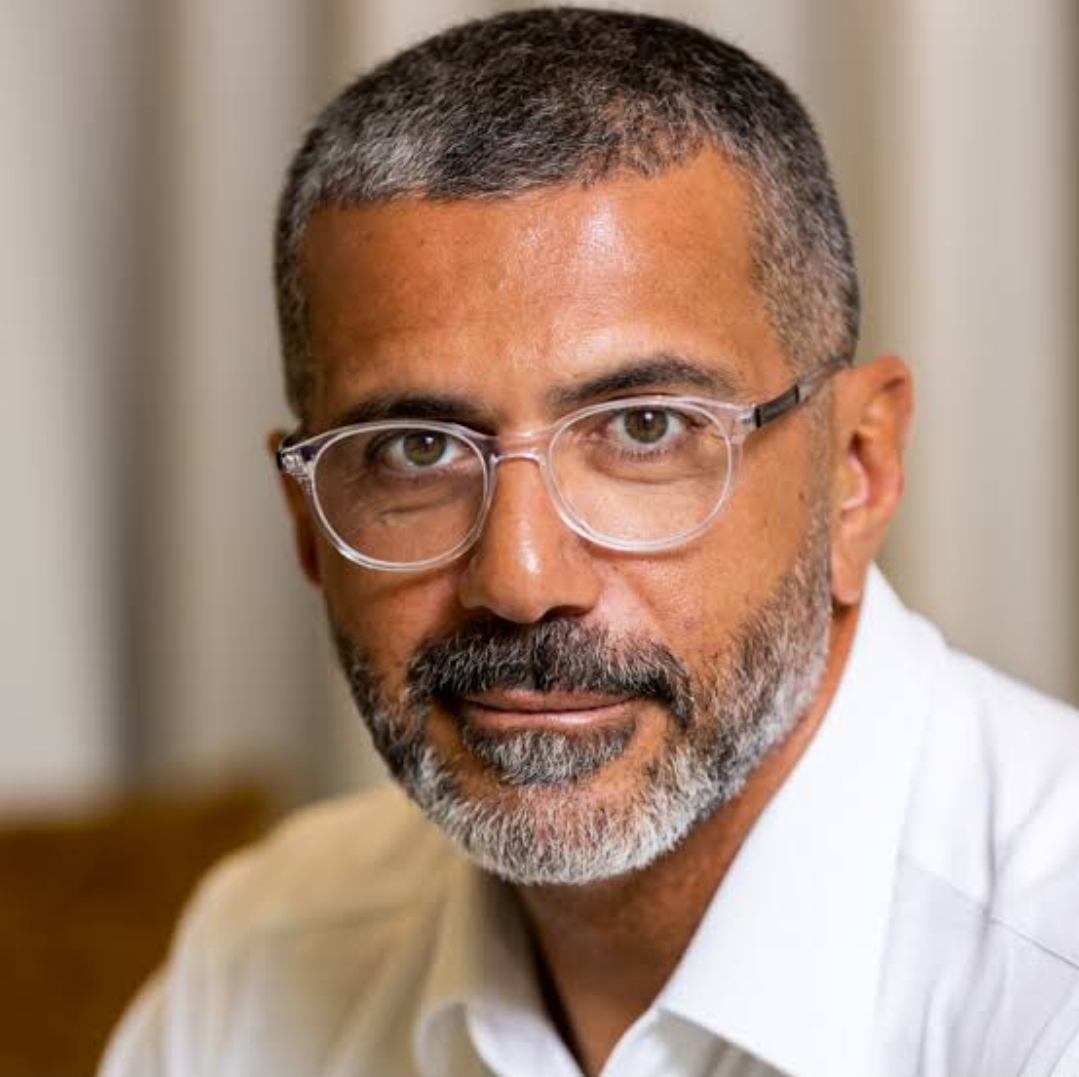
Alberto Baillères González built a formidable industrial and commercial empire through Grupo Bal, balancing multi-sector diversification with long-term capital stewardship. Understanding his business trajectory requires examining his asset strategies, corporate governance models, and leadership principles.
Alberto Baillères González stands as one of the most significant figures in modern Latin American capitalism. As the driving force behind Grupo Bal, a sprawling conglomerate encompassing mining, retail, insurance, financial services, and agriculture, Baillères shaped the economic landscape of Mexico for over half a century. Unlike public-facing entrepreneurs who court constant media attention, Baillères operated with a disciplined, low-profile approach, prioritizing operational excellence, strategic risk management, and generational continuity. His business philosophy combined traditional capital preservation with aggressive, calculated expansion into high-barrier-to-entry sectors. This examination explores the structural mechanics of his business empire, the core operational strategies that fueled its growth, and the foundational lessons modern executives can draw from his legacy.
Foundations of Grupo Bal: Structuring a Multi-Sector Conglomerate
The backbone of the Baillères empire is Grupo Bal, a privately held consortium that unites diverse market leaders under a single strategic umbrella. Building a conglomerate requires a delicate balance between centralized financial control and decentralized operational autonomy. Baillères mastered this balance by acquiring and scaling businesses in sectors with strong macroeconomic tailwinds, such as precious metals, consumer retail, and financial security.
Grupo Bal’s architecture is designed to withstand economic volatility. When commodity prices face downward pressure, the cash flows from retail operations or insurance premiums provide a stabilizing cushion. Conversely, during inflationary periods, commodity assets like gold and silver act as natural hedges. Baillères did not build a sprawling collection of unrelated companies; he constructed an integrated ecosystem where capital generated in one division could be systematically deployed into high-potential projects elsewhere in the portfolio. This structural resilience remains a primary study point for corporate strategists analyzing conglomerate valuations and risk mitigation.
Mining and Metals Dominance: The Core of the Fortune
At the heart of the Baillères financial empire is Industrias Peñoles, and its subsidiary Fresnillo plc, which established him as a global titan in silver and gold production. Mining is a capital-intensive industry characterized by immense geological uncertainty, long development cycles, and high regulatory scrutiny. Baillères approached the sector not as a speculative venture, but as a long-term industrial science.
Under his leadership, Peñoles evolved into the world's leading primary silver producer and a major gold and base metals refiner. Key strategic pillars of this dominance included:
- Aggressive Exploration Budgets: Maintaining consistent spending on exploration even during cyclical downturns to secure future reserves.
- Technological Modernization: Early adoption of advanced automation, safety protocols, and efficient extraction technologies to lower cash costs per ounce.
- Environmental and Social Compliance: Establishing rigorous standards for community relations and environmental management to secure social licenses to operate across rural mining regions.
By maintaining operational efficiency and financial discipline, the mining division generated the robust free cash flow necessary to fund the expansion of other Grupo Bal holdings without incurring crippling debt loads.
Retail and Financial Expansion: Scaling Consumer and Capital Markets
While mining laid the foundation, Baillères diversified aggressively into consumer-facing and financial sectors to capture domestic economic growth in Mexico. El Palacio de Hierro, the luxury department store chain acquired by the family, became a cultural touchstone for high-end retail in the country. The business secret behind El Palacio de Hierro was not merely selling luxury goods, but engineering an aspirational consumer experience anchored in prime real estate ownership.
Simultaneously, Grupo Bal expanded deeply into the financial services sector through Grupo Financiero GNP (Grupo Nacional Provincial), Profuturo (pension fund management), and Valmex (brokerage house). These institutions provided a steady stream of recurring revenue and controlled massive pools of institutional capital.
| Company | Sector | Primary Value Driver | Strategic Role in Empire |
|---|---|---|---|
| Industrias Peñoles | Mining & Metallurgy | Precious & base metals extraction | Generates heavy cash flow and global commodity exposure |
| El Palacio de Hierro | Luxury Retail | High-end department stores & real estate | Captures domestic consumer wealth and prime property value |
| GNP Seguros | Insurance | Risk underwriting & policy management | Provides stable, recurring float and financial security |
| Profuturo | Financial Services | Pension & retirement fund administration | Manages long-term institutional capital pools |
This table highlights the structural diversification of Grupo Bal, demonstrating how industrial output, retail prestige, and financial services formed a balanced economic flywheel.
Governance, Succession, and the Art of Quiet Leadership
One of the defining business secrets of Alberto Baillères was his preference for discretion and institutional longevity over personal celebrity. In corporate governance, he prioritized long-term board stability, meritocratic executive placement, and meticulous succession planning.
When Baillères stepped down as chairman of Grupo Bal, handing the leadership reins to his son Alejandro Baillères, the transition was executed with minimal market disruption—a stark contrast to family-owned conglomerates that suffer internal power struggles upon leadership changes. The transition relied on institutionalized decision-making frameworks, ensuring that company values, risk appetites, and capital allocation strategies remained consistent across generations. Furthermore, his commitment to education, notably through his longtime stewardship of the Instituto Tecnológico Autónomo de México (ITAM), ensured a steady pipeline of rigorously trained economists, administrators, and engineers entering both his corporate ranks and the broader Mexican economy.
Practical Lessons and Modern Applications
Analyzing the trajectory of Alberto Baillères offers actionable insights for modern entrepreneurs, executives, and investors looking to scale sustainable enterprises:
- Build Economic Moats via Asset Quality: Focus on acquiring assets that possess inherent scarcity or strong pricing power, whether high-grade mineral reserves or prime urban real estate.
- Maintain Balance Sheet Conservatism: Avoid over-leveraging during economic expansions so that capital remains available to acquire distressed assets during downturns.
- Diversify Across Correlated Vectors: Structure multi-sector holdings where cyclical downturns in one industry are balanced by cash-generative stability in another.
Frequently Asked Questions
What was Alberto Baillères' primary source of wealth?
Alberto Baillères generated the core of his wealth through Industrias Peñoles and Fresnillo plc, making him a global leader in silver and precious metals mining. However, his fortune was substantially amplified by diversified holdings in luxury retail, insurance, and financial services through Grupo Bal.
How is Grupo Bal structured today?
Grupo Bal operates as a private conglomerate holding company that manages independent operating companies across mining, retail, insurance, pensions, and financial brokerage. Each entity maintains its own executive leadership and operational autonomy while benefiting from the central financial backing and strategic oversight of the group.
What role did education play in the Baillères business model?
Baillères was deeply committed to higher education, serving for decades as the president of the board of ITAM. This institution produced top-tier financial, economic, and managerial talent, directly supporting the human capital needs of Grupo Bal and contributing to Mexico's broader corporate infrastructure.
How was the succession handled within the Baillères empire?
The succession was managed through structured, long-term institutional planning. Alberto Baillères gradually transitioned operational and board responsibilities to his son, Alejandro Baillères, ensuring stability, continuity of corporate culture, and market confidence without abrupt governance shocks.
What are the core investment principles associated with Grupo Bal?
The core principles include long-term capital preservation, maintaining conservative debt profiles, continuous reinvestment in operational efficiency during industry downturns, and strategic diversification into sectors with strong domestic consumption drivers.