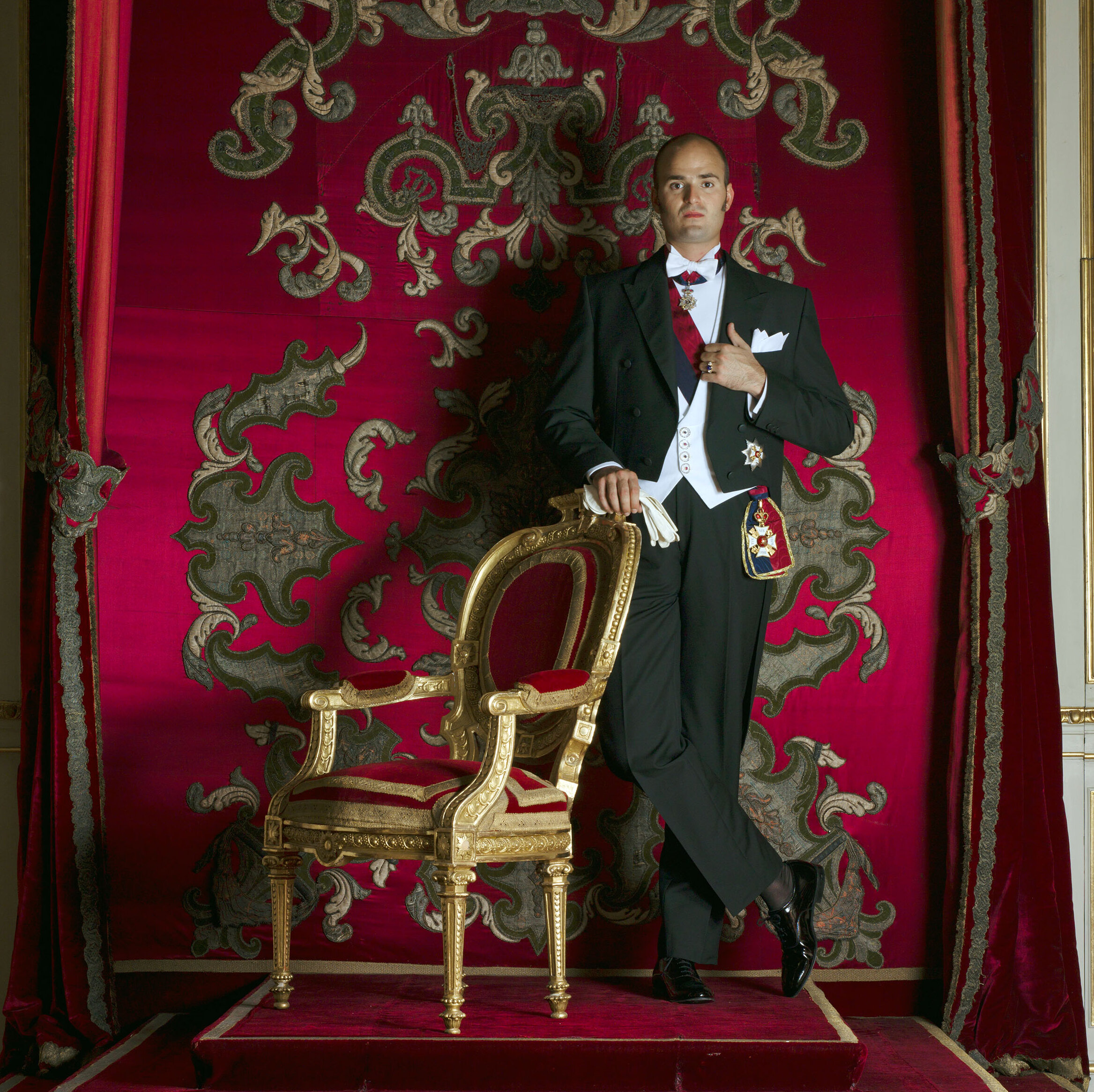
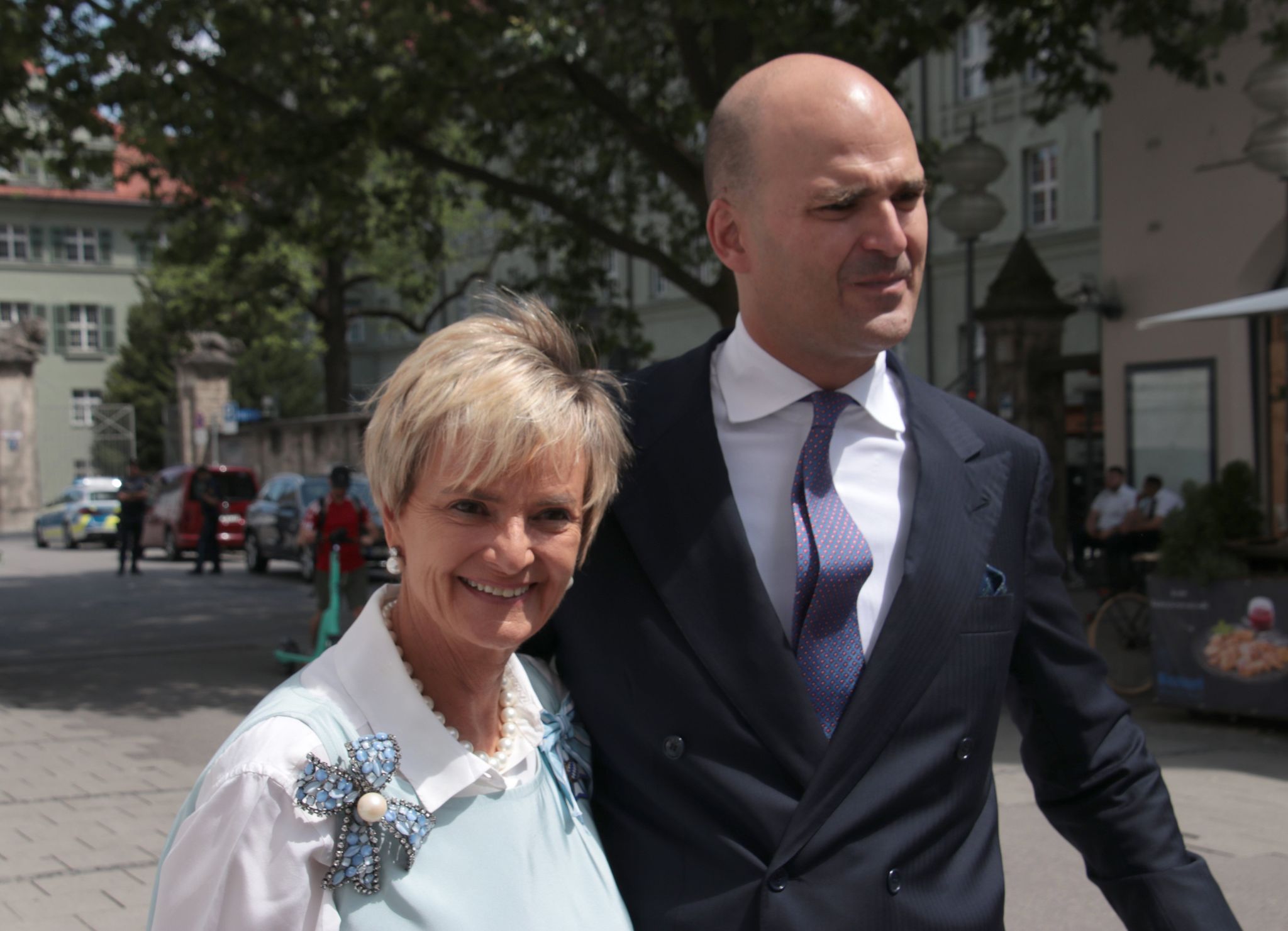
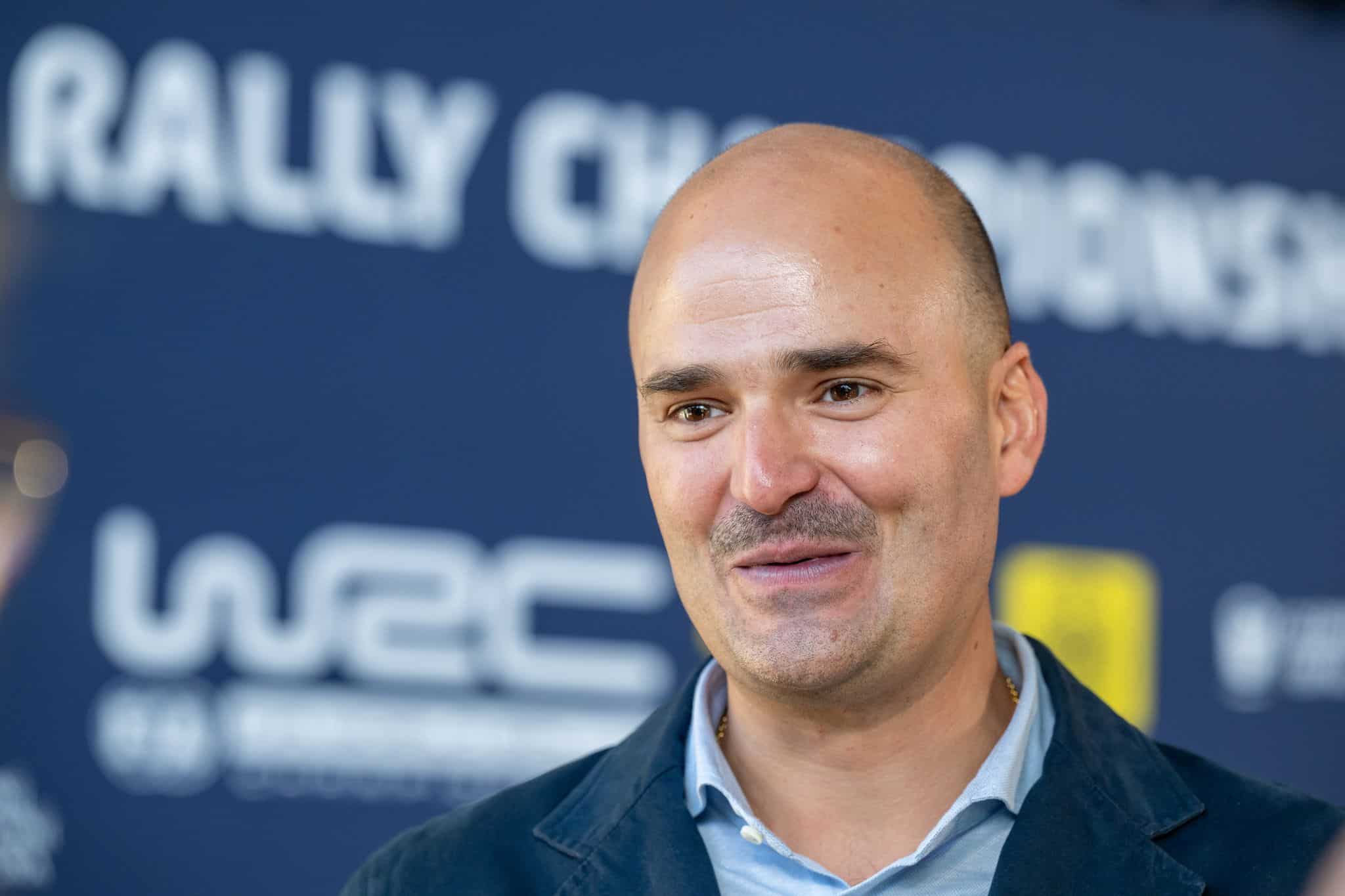
Albert von Thurn und Taxis balances an ancient aristocratic lineage with modern industrial management, high-performance GT racing, and institutional commitments to ecological sustainability. As the head of one of Europe’s oldest noble houses, his professional life bridges traditional asset preservation, large-scale forestry, and the rigorous demands of professional motorsport. Rather than remaining a figurehead of historical aristocracy, he has actively integrated environmental conservation into his business operations, transforming ancestral estates into models of contemporary ecological stewardship while remaining a fixture on international racing circuits.
Noble Heritage and the Legacy of the Thurn und Taxis House
The House of Thurn und Taxis holds a foundational place in European history, most notably for establishing the first imperial postal system across the Holy Roman Empire during the late 15th century. This early enterprise laid the groundwork for modern communications networks, generating immense wealth and political influence that spanned centuries. Following the centralization of postal services by European nation-states in the 19th century, the family transitioned its focus toward real estate, banking, brewery operations, and vast agricultural and forestry holdings, particularly centered around St. Emmeram’s Abbey in Regensburg, Germany.
Albert II, 12th Prince of Thurn und Taxis, inherited this massive estate at a young age following the passing of his father, Johannes von Thurn und Taxis, in 1990. Formal assumption of management occurred upon reaching his majority in 2001. His mother, Gloria von Thurn und Taxis, played a prominent role in stabilizing and managing the estate during his minority. The family portfolio has historically included extensive commercial forests, real estate developments, art collections, and industrial investments. Managing this diversified wealth requires navigating complex modern tax structures, corporate governance requirements, and international asset management protocols while maintaining historic cultural artifacts.
Transitioning from Aristocracy to Professional Motorsport
Beyond his administrative and financial responsibilities, Albert von Thurn und Taxis established a prominent reputation as a competitive racing driver. Entering motorsport in the early 2000s, he transitioned from amateur track days to elite GT championship racing. His career spans decades of competition in high-performance GT3 machinery, including campaigns in the ADAC GT Masters, the GT World Challenge, and various endurance racing series across Europe.
Racing at a professional level demands physical conditioning, mechanical comprehension, and split-second decision-making under high-stress conditions. Competing alongside professional co-drivers, he has secured numerous podium finishes and race victories. This career trajectory distinguishes him from traditional landowners, demonstrating an active, risk-tolerant engagement with competitive sport. His presence in the paddock bridges old-world elite culture with the high-octane engineering environments of modern motorsport, where precision, telemetry analysis, and team coordination dictate success.
| Racing Category / Series | Vehicle Class | Primary Focus / Involvement |
|---|---|---|
| ADAC GT Masters | GT3 | Sprint and endurance races featuring high-performance sports cars. |
| GT World Challenge Europe | GT3 | International endurance and sprint competition against professional teams. |
| Historic and Classic Rallies | Vintage / Classic | Occasional participation in curated classic car driving events. |
Ecological Stewardship and Modern Sustainability
The intersection of extreme motorsport and environmental sustainability presents a paradox that modern public figures increasingly navigate through carbon offsetting, technological innovation, and sustainable land management. For the Thurn und Taxis estate, sustainability is rooted primarily in its vast forestry and agricultural operations. The management of thousands of hectares of European forest requires balancing commercial timber yield with ecological biodiversity, climate resilience, and carbon sequestration initiatives.
Modern forestry management on historic estates utilizes selective harvesting, continuous-cover forestry, and habitat preservation techniques to ensure that woodlands adapt to changing climatic conditions. Furthermore, the broader industrial and real estate holdings under the family's influence have increasingly incorporated energy-efficient infrastructure, renewable energy investments, and resource-conscious operational frameworks. In the context of motorsport, the industry's ongoing evolution toward carbon neutrality, synthetic fuels, and hybrid or electric powertrains aligns with a broader push to reconcile high-speed competition with environmental responsibility.
Asset Management, Wealth, and Business Operations
Managing a multi-billion-dollar ancestral estate in the 21st century involves complex financial engineering and regulatory compliance. The Thurn und Taxis enterprise operates across multiple sectors:
- Forestry and Agriculture: Sustainable timber production, agricultural leasing, and land stewardship spanning extensive acreage in Bavaria and beyond.
- Real Estate Portfolio: Commercial and residential properties, historic buildings, and urban developments requiring ongoing capital expenditure and maintenance.
- Art and Cultural Assets: Preservation and curation of priceless historical artifacts, libraries, and art collections housed within St. Emmeram’s Palace.
- Venture and Private Equity: Diversified investments in global capital markets to protect against inflation and sector-specific downturns.
Navigating these responsibilities requires close collaboration with financial advisors, estate lawyers, and environmental scientists. The transition of wealth across generations also necessitates strict adherence to German inheritance laws and foundation regulations, ensuring that historical assets remain intact and financially viable without relying solely on historical prestige.
How Does Albert von Thurn und Taxis Balance Racing and Estate Management?
Balancing competitive professional motorsport with the oversight of a massive historical estate requires disciplined time management, delegating authority to specialized executives, and maintaining a clear separation between personal pursuits and corporate governance. While professional racing demands rigorous travel schedules, physical training, and intensive testing sessions during the racing season, the day-to-day operations of the Thurn und Taxis holdings are managed by professional boards and directors.
This structured division allows the prince to participate at elite levels of motorsport while retaining ultimate oversight of strategic asset allocation, forestry practices, and cultural preservation efforts. By employing qualified professionals across finance, real estate, and agriculture, he ensures operational continuity regardless of his immediate sporting commitments.
Frequently Asked Questions
What is the primary source of the Thurn und Taxis family fortune?
The family’s historical wealth originated in the 15th and 16th centuries with the establishment of the European imperial postal and courier system. Over subsequent centuries, this wealth was diversified into vast real estate holdings, commercial forests, banking, brewing, and modern global investments.
What racing series does Albert von Thurn und Taxis compete in?
He is best known for competing in GT3 championships, most notably the ADAC GT Masters and the GT World Challenge Europe, driving high-performance sports cars such as the Lamborghini Huracán GT3 and Reiter Engineering machinery in past campaigns.
How are the family's forests managed for sustainability?
The extensive forestry holdings are managed using modern ecological standards that emphasize biodiversity, continuous-cover forestry, carbon sequestration, and climate-resilient replanting strategies to balance commercial viability with environmental protection.
Is St. Emmeram’s Palace open to the public?
Yes, parts of the massive St. Emmeram’s Palace in Regensburg, which serves as the family residence and administrative headquarters, are accessible for guided tours, allowing visitors to view the state rooms, cloisters, and historical museum collections.
What role does sustainability play in modern aristocratic estate management?
Modern estate management requires active adaptation to climate change, stringent environmental regulations, and corporate social responsibility. This includes transitioning to renewable energy, practicing sustainable agriculture, and investing in green technologies across commercial operations.
Strategic Asset Oversight and Future Outlook
Maintaining the longevity of a historic European house in an era of rapid technological and economic change demands adaptability. Albert von Thurn und Taxis represents a modern archetype of nobility—one who engages directly with competitive modern industries while anchoring his professional identity in the sustainable stewardship of ancestral land. By combining rigorous financial discipline, active ecological management in forestry, and high-performance racing endeavors, the enterprise continues to navigate the complexities of 21st-century wealth and heritage preservation.