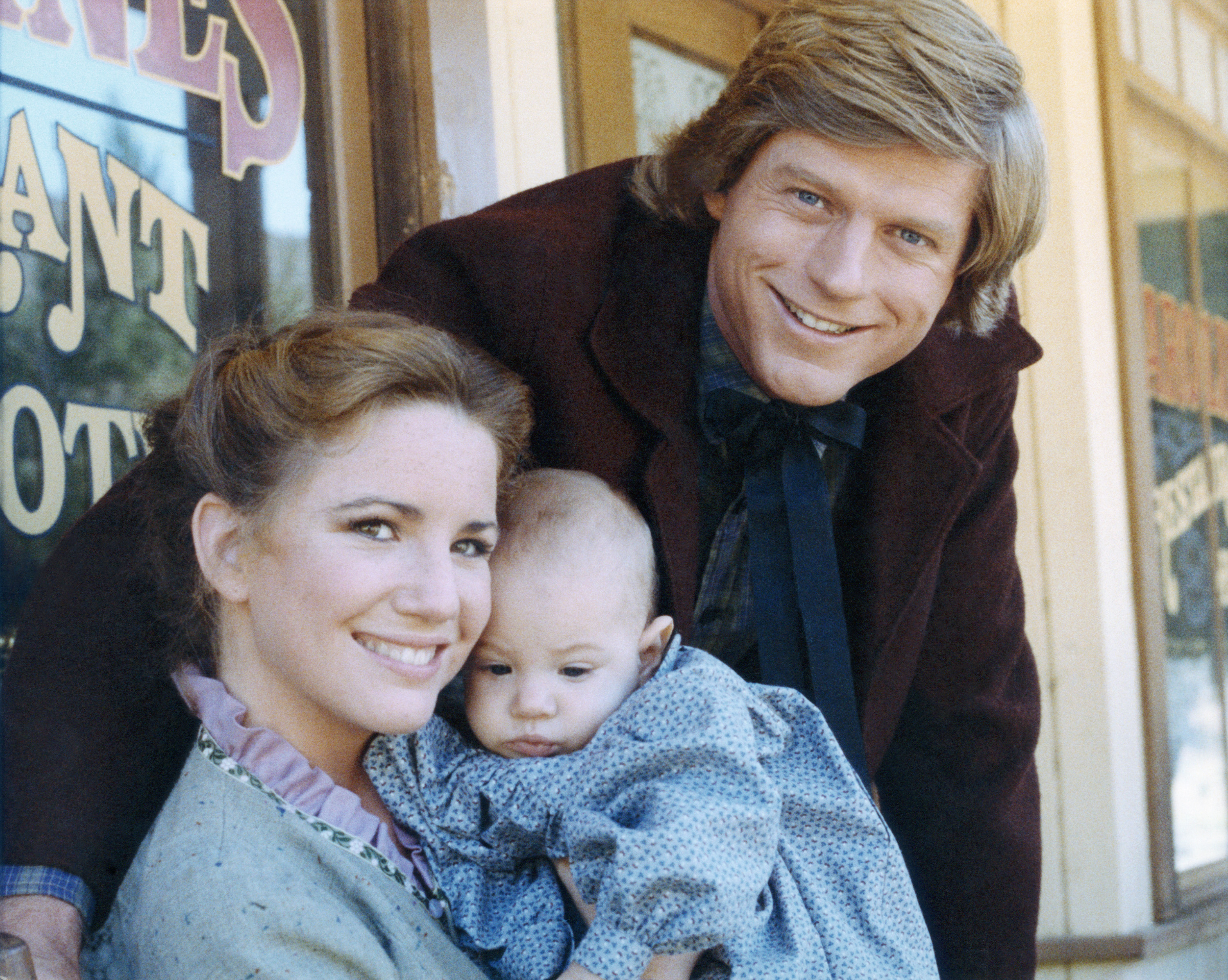
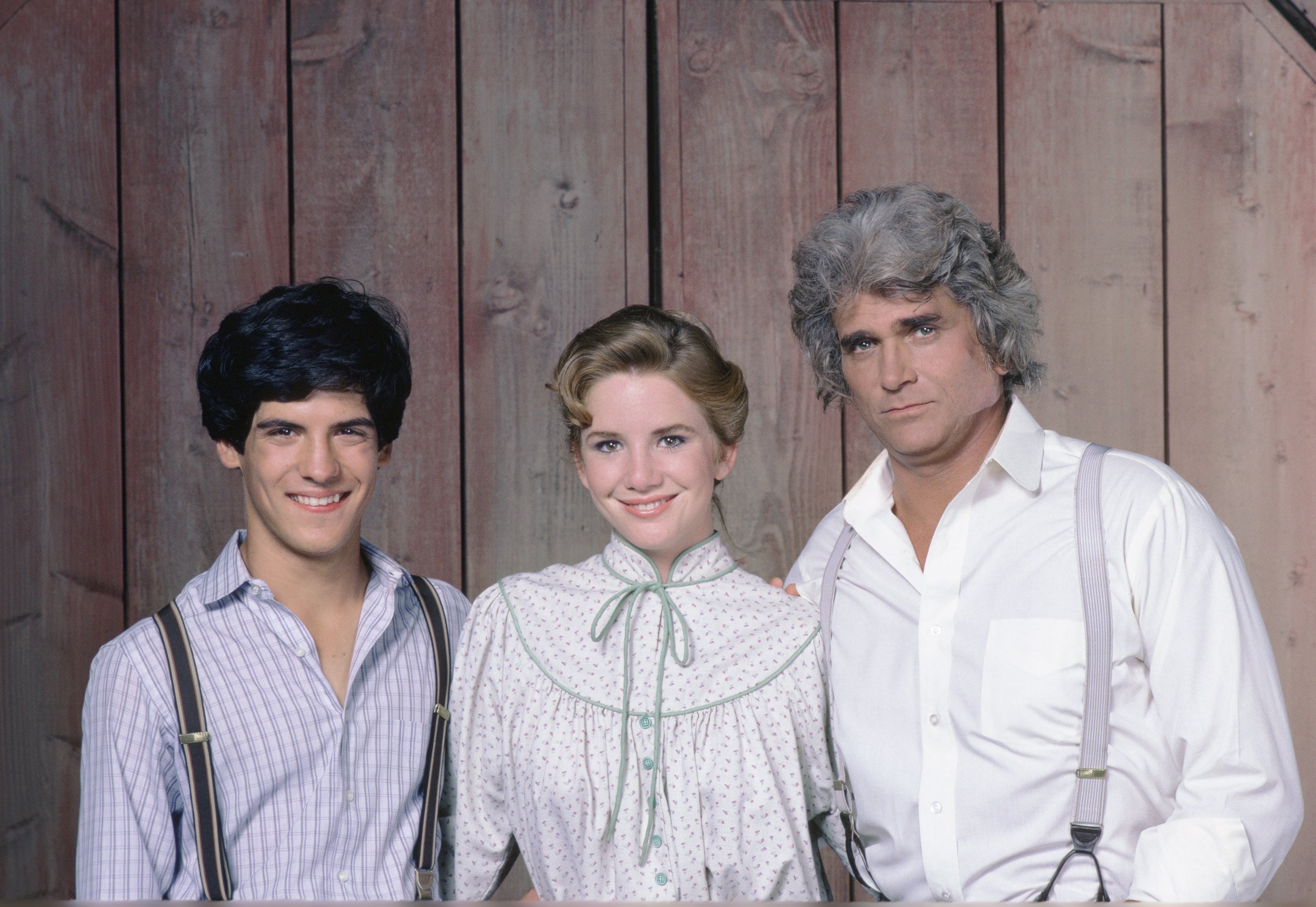
Matthew Laborteaux portrayed the beloved character Albert Ingalls on the historical drama television series Little House on the Prairie, appearing in over one hundred episodes between 1976 and 1983. His work on the show established him as a prominent child actor of the era, bringing emotional depth to storylines involving adoption, illness, and rural frontier life.
Understanding the Role of Albert Ingalls in Television History
The character of Albert Ingalls holds a unique place in the legacy of Little House on the Prairie, television creator Michael Landon’s long-running adaptation of Laura Ingalls Wilder’s classic autobiographical novels. Unlike many of the original literary characters, Albert was entirely fictional, created by Landon to inject fresh narrative conflict and emotional resonance into the series during its middle seasons. First introduced in the fifth season premiere titled "As Long as They're Together," Albert arrives as an orphaned street urchin in Walnut Grove whom Charles and Caroline Ingalls eventually take in and adopt.
The introduction of Albert expanded the domestic dynamics of the Ingalls household. He served as a protective older brother to Carrie and Grace, a foil and eventual close confidant to Laura, and a loyal friend to Andy Garvey and other neighborhood children. His storylines frequently tackled heavy social issues and dramatic plot devices common to late-1970s and early-1980s network television. These included struggles with drug addiction, juvenile delinquency, tragic illnesses, and the psychological burdens of abandonment.
Through these demanding narratives, Matthew Laborteaux delivered performances that resonated deeply with viewers, cementing Albert Ingalls as a fan-favorite character. The success of the role relied heavily on Laborteaux's naturalistic acting style, which balanced mischievous charm with profound vulnerability. His ability to anchor complex, serialized dramatic arcs helped sustain high ratings for the NBC series as it transitioned away from the lighter, episodic pastoral storytelling of its earliest seasons.
Biography and Early Career of Matthew Laborteaux
Matthew Laborteaux was born on December 8, 1963, in Los Angeles, California. He entered the entertainment industry at an early age, following in the footsteps of his older brother, Patrick Laborteaux, who also pursued a successful career as a child and television actor. Before landing his iconic role on Little House on the Prairie, Matthew appeared in television commercials and made guest appearances in various episodic series, building a reliable reputation as a young working professional in Hollywood.
His association with Michael Landon began prior to his regular casting as Albert Ingalls. In 1976, Laborteaux was cast to play a younger version of Charles Ingalls in flashbacks during the third-season episode "The Long Road Home." This initial collaboration left a strong impression on Landon, who later sought out Laborteaux when developing the character of Albert. Additionally, Laborteaux appeared in the critically acclaimed 1976 television film The Boy Who Drank Too Much and secured a notable role in the 1974 horror film A Woman Under the Influence, directed by John Cassavetes.
Beyond his acting endeavors during his youth, Laborteaux developed a lifelong passion for video games and technology. In the 1980s, he became a nationally recognized competitive video game player, winning major tournaments and demonstrating an early aptitude for digital systems. This technical inclination eventually transitioned into a successful career in voice acting and automated dialogue replacement (ADR) for major motion pictures and television series, allowing him to remain active within the entertainment industry away from the physical demands of on-camera television production.
Chronological Overview of Albert Ingalls' Storylines
The character arc of Albert Ingalls unfolded across multiple seasons, featuring distinct narrative milestones that shaped the trajectory of the series. The chronology of Albert's presence on Little House on the Prairie highlights the evolution of the character from a troubled runaway to a maturing young man facing adult responsibilities.
| Season | Key Episodes & Storyline Focus | Character Development |
|---|---|---|
| Season 5 (1978–1979) | "As Long as They're Together," "The Wedding" | Introduced as an orphan; brought into the Ingalls family and integrated into Walnut Grove. |
| Season 6 (1979–1980) | "The Odyssey," "Annabelle's Homecoming" | Explores identity, struggles with school, and deepens bonds with Charles and Laura. |
| Season 7 (1980–1981) | "The Divinity Student," "To See the Light" | Tackles peer pressure, moral dilemmas, and religious questioning in a tight-knit community. |
| Season 8 (1981–1982) | "Barn Burner," "The Spunk of a Child" | Faces severe consequences from reckless behavior, including an accidental fire storyline. |
| Season 9 / Movies (1982–1984) | "The Last Farewell," Look Back to Yesterday | Explores adult ambitions, medical tragedies, and the eventual dismantling of Walnut Grove. |
These chronological phases illustrate the dramatic weight carried by the character. Writers utilized Albert to explore themes of redemption, forgiveness, and family loyalty. Whether running away to find his biological relatives or confronting life-altering health crises, Albert's journey mirrored the trials of frontier survival combined with universal adolescent struggles.
Verification of Facts and Common Misconceptions
When examining historical data regarding television programs from the 1970s and 1980s, viewers often encounter misinformation regarding casting choices, production schedules, and actor biographies. Verified documentation from studio archives, cast interviews, and television registries clarifies several common points of confusion surrounding Matthew Laborteaux and his time on the show.
A frequent misconception involves the relationship between Matthew Laborteaux and his on-screen brother, Patrick Laborteaux. While they played brothers on television—with Patrick portraying Andrew Garvey—they are adoptive brothers in real life, having been adopted into the same family as infants. Another persistent myth concerns the fate of Albert Ingalls in the series finale movies. While the final television film The Little House Years and subsequent specials depicted tragic circumstances for the character, canonical details established that Albert intended to pursue a medical career, returning to Walnut Grove as a doctor in training during the narrative wrap-up.
Furthermore, production records confirm that while Laborteaux was a central figure throughout the middle and late seasons, his screen time fluctuated during the final traditional season as he pursued other guest-starring opportunities and theatrical film projects. His commitment to the franchise remained strong, however, as he returned for the subsequent post-series television movies that brought formal closure to the residents of Walnut Grove.
Impact of the Role on Matthew Laborteaux's Career and Legacy
The role of Albert Ingalls served as the defining cornerstone of Matthew Laborteaux's live-action television career. The immense global syndication of Little House on the Prairie ensured that his work reached subsequent generations of viewers across multiple continents. The emotional resonance of his performances earned him widespread recognition among fans of classic family television.
Transitioning past his tenure in Walnut Grove, Laborteaux maintained a steady presence in the entertainment sector. He starred as Paul Conway in the 1986 sci-fi horror film Deadly Friend, directed by Wes Craven, which showcased his range in feature films outside of wholesome television dramas. He also made notable guest appearances in popular 1980s and 1990s television series such as The Love Boat, Simon & Simon, Night Court, and Silk Stalkings.
In the later stages of his career, Laborteaux carved out a prolific niche in voice acting. He lent his vocal talents to numerous animated series, video games, and feature films, contributing ADR services to major Hollywood blockbusters. This behind-the-scenes work allowed him to maintain professional longevity while largely stepping away from the public eye and the pressures of on-camera celebrity culture.
How to Verify Classic Television Cast Profiles and Production Details
For researchers, educators, and dedicated fans seeking to verify historical data about television programs like Little House on the Prairie, utilizing reliable primary and secondary sources is essential. Relying on unverified fan wikis or social media rumors often leads to inaccurate timelines and misattributed credits.
- Consult official studio archives, network production logs, and copyright filings held by entities such as NBCUniversal to confirm episode counts and original air dates.
- Cross-reference actor filmographies using established industry databases like the Screen Actors Guild records and verified trade publications such as Variety or The Hollywood Reporter.
- Examine published autobiographies and authorized biographies written by cast members and crew, such as Melissa Gilbert's memoir Prairie Tale, which provide firsthand context regarding production environments.
- Review copyright-cleared interviews, promotional stills, and press kits preserved by television historians and museum collections.
Applying these verification steps ensures historical accuracy when documenting the contributions of child actors and television productions from the twentieth century.
FAQ
Was Albert Ingalls a real person in Laura Ingalls Wilder's books?
No, Albert Ingalls was entirely fictional. He was created by television producer and star Michael Landon specifically for the television adaptation to introduce new dramatic storylines and family dynamics not present in the original autobiographical novels.
What years did Matthew Laborteaux star on Little House on the Prairie?
Matthew Laborteaux appeared on the series from 1976 to 1983, spanning seasons five through nine, as well as subsequent television movies produced after the show's regular broadcast run concluded.
Are Matthew Laborteaux and Patrick Laborteaux related in real life?
Yes, they are brothers in real life, though they are adoptive brothers rather than biological siblings. Both were adopted into the same family and pursued successful acting careers in film and television.
What happened to Albert Ingalls at the end of the series?
In the narrative timeline of the television movies, Albert struggles with severe illness before deciding to pursue a career in medicine, ultimately returning to Walnut Grove as a doctor-in-training prior to the town's dynamiting in the final special.
What did Matthew Laborteaux do after Little House on the Prairie?
Following his time on the show, Laborteaux continued acting in feature films like Deadly Friend, appeared in guest television roles, became a competitive video game player, and established a successful career in voice acting and automated dialogue replacement for major films.
Next Steps for Enthusiasts and Researchers
To deepen your understanding of Little House on the Prairie and the career of Matthew Laborteaux, explore published cast memoirs and academic analyses of 1970s family television. Reviewing restored episode box sets and documentary extras provides direct visual evidence of production techniques and cast interviews, offering a comprehensive view of how classic television history is preserved.