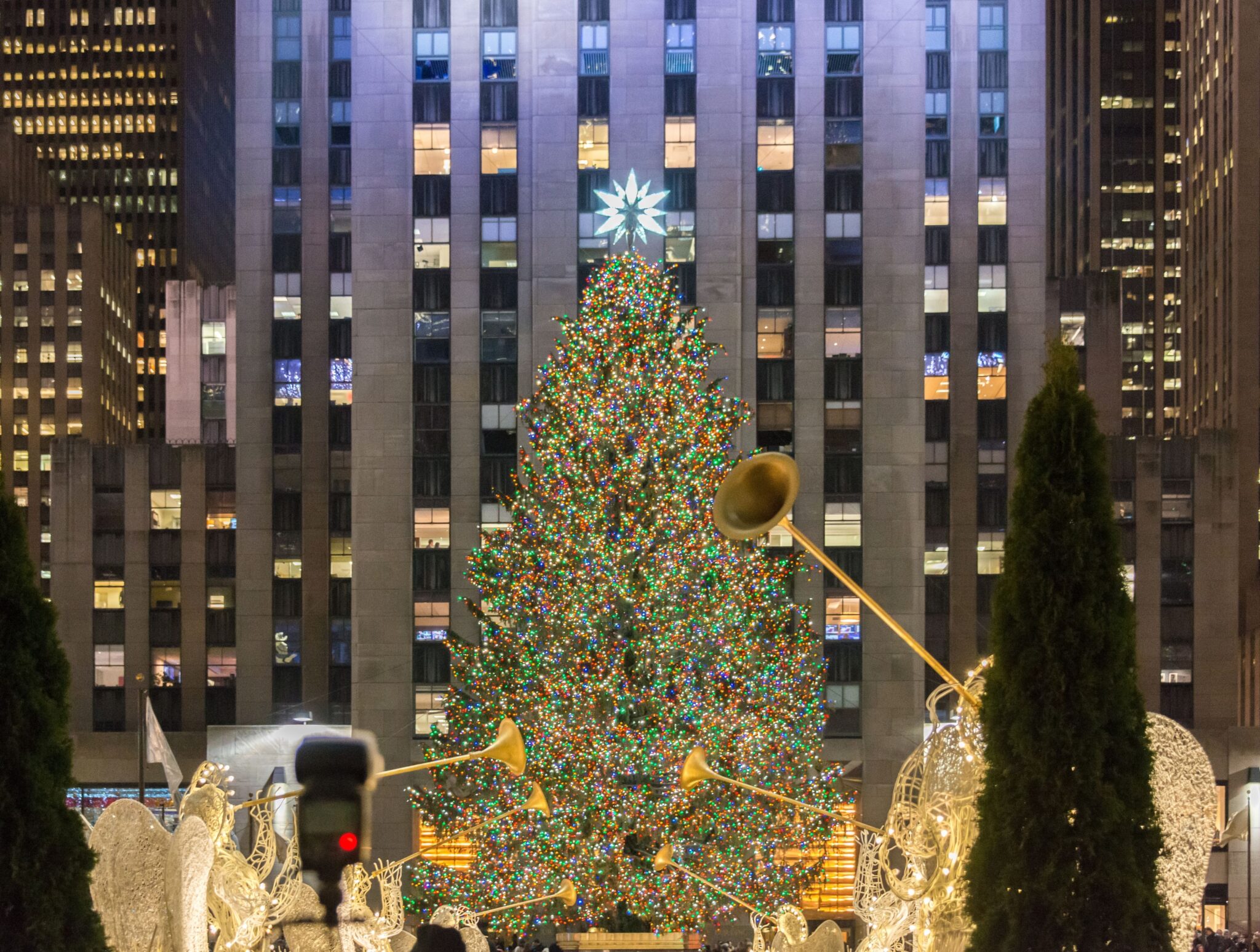
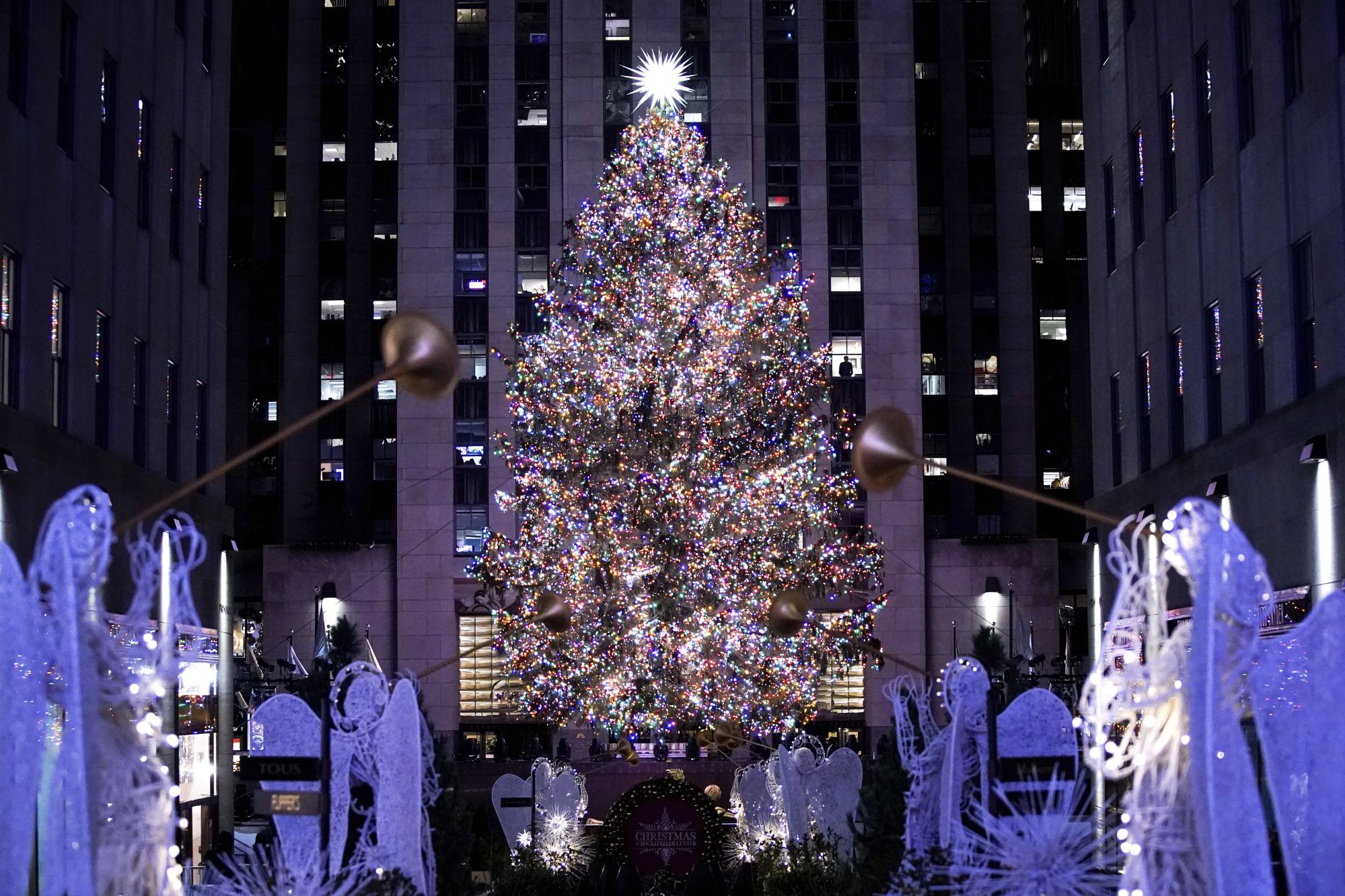
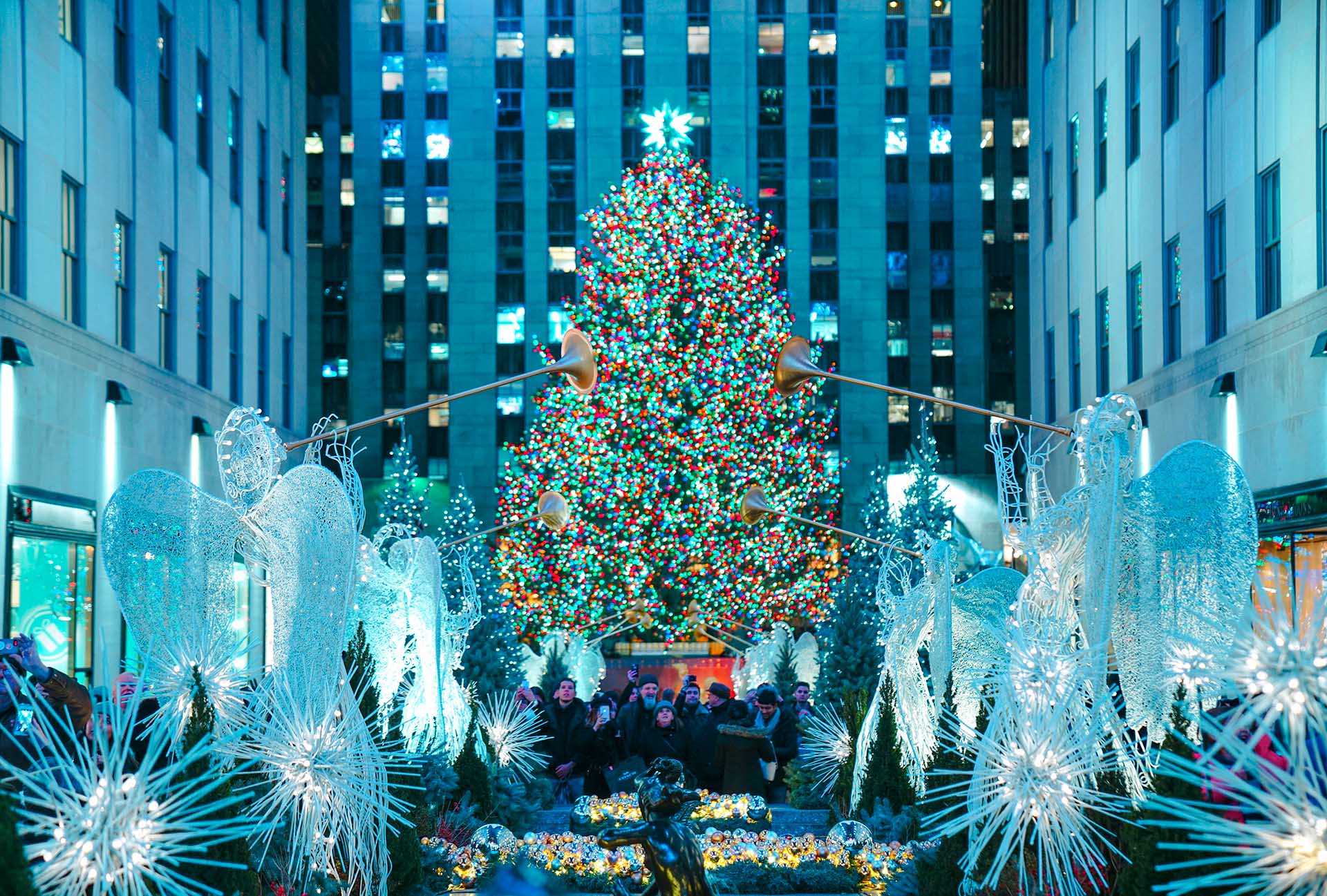
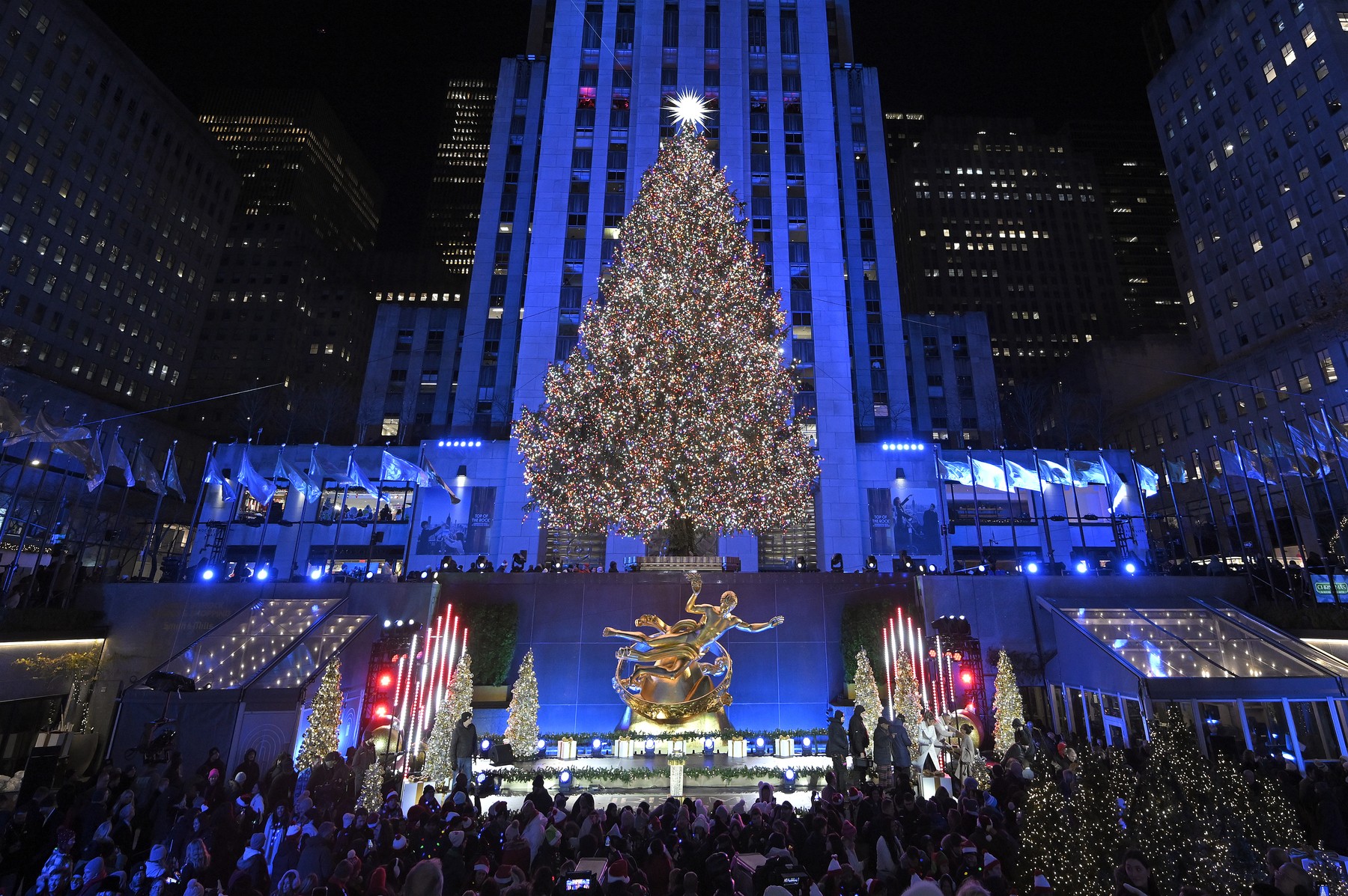
The Rockefeller Center Christmas Tree stands as a premier icon of New York City’s mid-century urban design, serving as an annual temporary installation that integrates seamlessly into the Art Deco aesthetic of the complex. Beyond its status as a holiday centerpiece, the tree represents the intersection of public space utilization, structural engineering, and the enduring civic legacy of the Rockefeller family.
Architectural Context of Rockefeller Center
To understand the significance of the Rockefeller Center Christmas Tree, one must first recognize the architectural framework it occupies. Designed primarily by Raymond Hood and an ensemble of associated architects in the 1930s, the center is a definitive masterwork of the Art Deco style. The complex was conceived as a "city within a city," emphasizing verticality, limestone facades, and the integration of fine art with commercial functionality.
The plaza, specifically the sunken skating rink area where the tree is positioned, functions as the heart of this urban ensemble. The architecture is characterized by its dramatic set-backs—a response to the 1916 Zoning Resolution—which create the soaring, canyon-like atmosphere that defines the Manhattan skyline. The tree acts as a focal point, drawing the eye toward the 30 Rockefeller Plaza skyscraper, the centerpiece of the development. The installation process itself must respect the integrity of the plaza, which serves as a vital pedestrian artery and a landmarked historic district.
Structural and Engineering Challenges
Installing an evergreen of such massive proportions—typically ranging from 75 to 100 feet in height—presents a significant logistical and engineering undertaking. The process involves identifying a specimen (usually a Norway Spruce) that possesses the density and structural symmetry required to support thousands of LED lights and a heavy, multifaceted star.
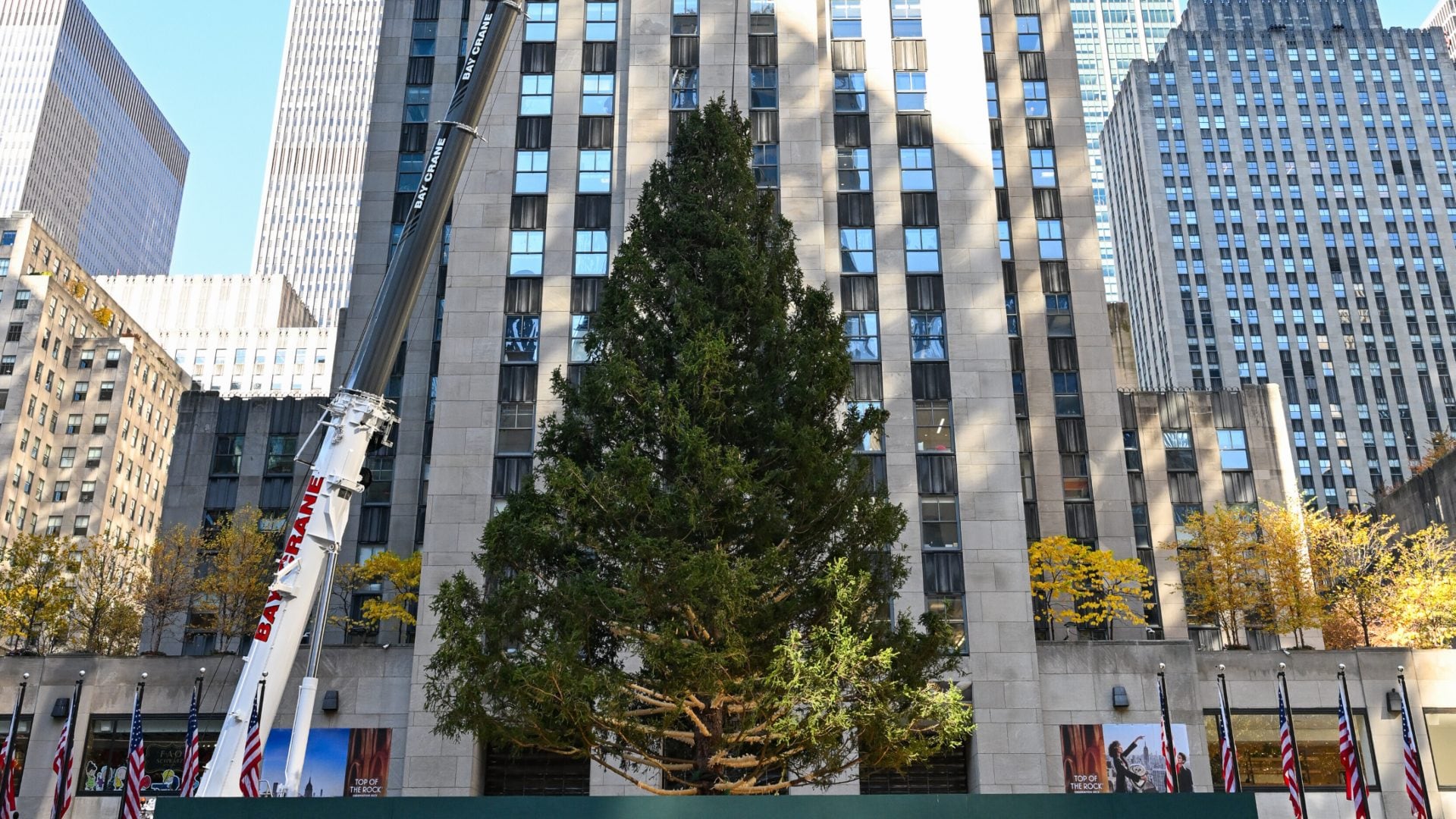
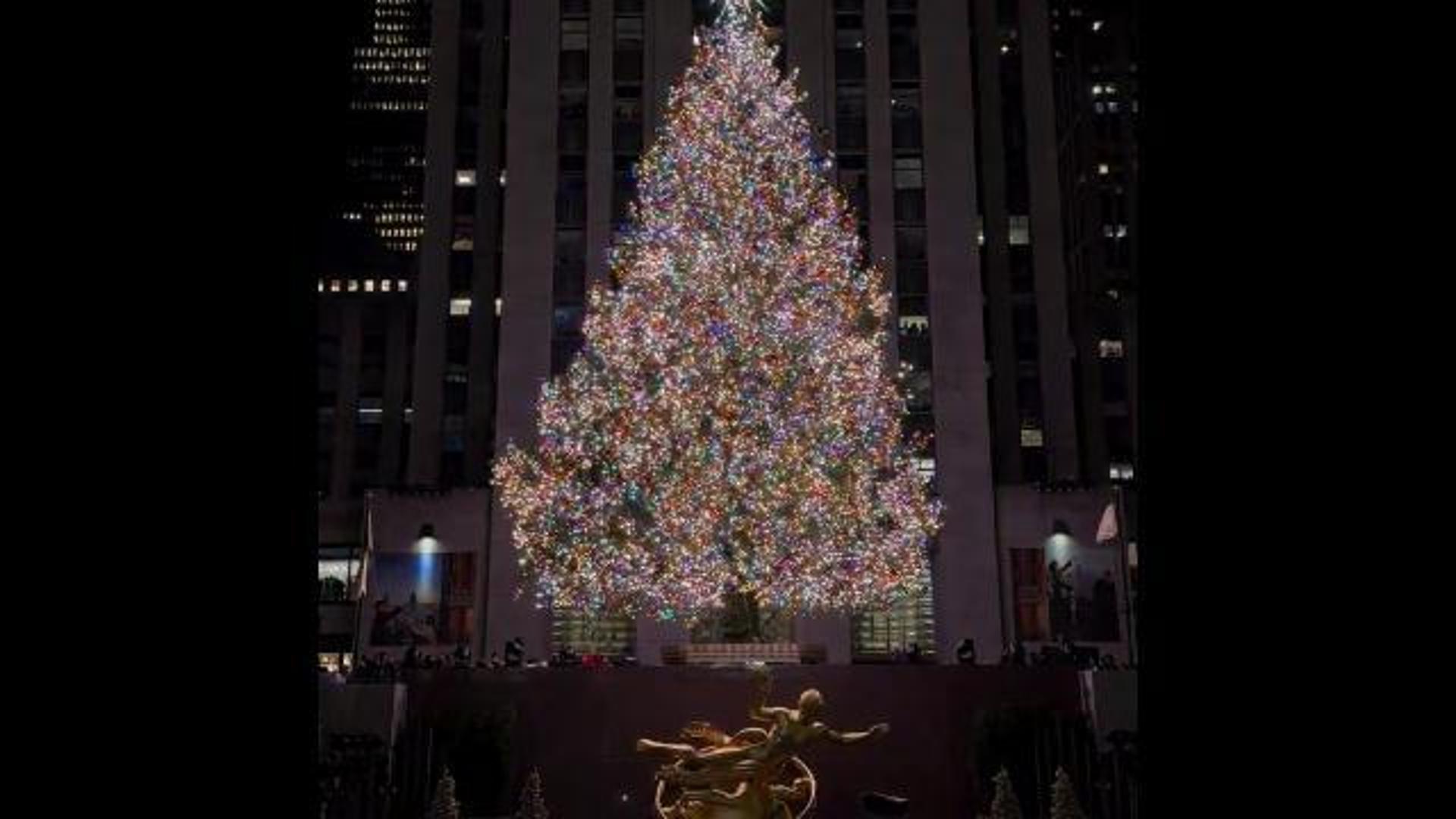
Once a tree is sourced and transported via flatbed truck to Midtown Manhattan, it is hoisted into position using massive cranes. The base of the tree is secured into a sophisticated steel spike system embedded in the plaza floor. This ensures the structure can withstand the high-velocity wind loads prevalent in the dense urban corridor of Manhattan. The lighting design has evolved over the decades, transitioning from incandescent bulbs to energy-efficient LEDs, which reduced the weight load on the tree's branches while increasing the luminosity and color-depth of the display.
Cultural and Symbolic Significance
The tradition began in 1931 during the height of the Great Depression, when construction workers erected a modest balsam fir on the dirt site of the building project. This original act of community spirit was intended to signal hope and resilience, setting the tone for the site's future identity. By 1933, the first official tree lighting ceremony was held, codifying the practice into an annual civic ritual.
The tree functions as an architectural punctuation mark. In the architectural narrative of the complex, the tree serves as a soft, organic contrast to the rigid geometry of the limestone and steel. This juxtaposition is vital to the psychological experience of visitors; the natural form of the tree humanizes the overwhelming vertical scale of the surrounding skyscrapers, creating a sense of intimacy within the vast public plaza.
Operational Standards and Sourcing
Sourcing for the tree is a rigorous process managed by the Rockefeller Center gardening staff. The selection criteria prioritize height, branch fullness, and the ability to endure the transition to an urban environment. Once the season concludes, the sustainability of the tree is a priority; the lumber is processed and donated to charitable organizations, such as Habitat for Humanity, where it is milled into timber for housing construction. This lifecycle—from a forest specimen to an urban monument, and finally to a residential building material—highlights the intersection of environmental stewardship and architectural utility.
Comparative Analysis of Festive Installations
| Feature | Rockefeller Center Tree | Typical Urban Plaza Display |
|---|---|---|
| Height Range | 70–100+ Feet | 20–40 Feet |
| Structural Basis | Permanent Steel Socket | Weighted Base/Sandbags |
| Lighting Technology | High-Density LED (approx. 50,000) | Standard String Lights |
| Design Philosophy | Verticality and Monumentality | Pedestrian Accessibility |
| Lifecycle | Donated for Sustainable Milling | Often Mulched/Composted |
Maintenance and Technical Guidelines
Maintaining the visual integrity of the tree requires daily oversight. The lighting arrays are monitored by technicians who ensure that the electrical systems are protected from the harsh New York winter weather. Because the tree is "dead" upon arrival (lacking a root system), its appearance is maintained through the environmental conditions of the plaza, which stays relatively cool, slowing the needle drop.
Visitors should note that the plaza’s capacity is strictly managed. From an architectural circulation perspective, the presence of the tree alters the flow of thousands of daily commuters and tourists. The management of the Rockefeller Center space ensures that fire safety codes, emergency egress paths, and structural weight limits are strictly adhered to, especially when the plaza reaches maximum occupancy during the lighting ceremony.
Frequently Asked Questions
How is the Rockefeller Center tree anchored to the ground?
The tree is mounted on a heavy-duty, custom-fabricated steel spike system. This base is inserted into a dedicated sleeve built into the plaza’s foundation, designed to provide stability against wind forces and the significant weight of the decorative ornaments and electrical infrastructure.
What is the criteria for selecting the annual tree?
Selection is based on height (ideally 75-90 feet), branch density, and structural symmetry. The sourcing team looks for a specimen that can withstand transport and maintain a healthy, full appearance for the duration of the holiday season, typically sourced from the Northeast United States.
Does the tree installation damage the historic plaza?
No. The Rockefeller Center management team employs specific structural protocols to ensure the installation does not impact the integrity of the Landmark-designated plaza. The load-bearing capacity of the sub-plaza structural grid is calculated to ensure the safety of the site and the public.
Why is the tree considered a "permanent" part of the site’s design?
While the tree is temporary, it is considered an essential component of the plaza's "seasonal architecture." The original design of the site by the Associated Architects in the 1930s anticipated the use of the plaza as a space for public gatherings and artistic installations, allowing the tree to become a foundational element of the complex's identity.
How are the lights maintained during the season?
Technicians utilize elevated work platforms to inspect the strands daily. Since the transition to LED systems, the reliability of the light strings has significantly increased, reducing the need for extensive repairs during the month-long display.
Recommendations for Visiting
For those interested in studying the architectural and structural aspects of the installation, visiting during off-peak hours (early morning) is recommended. This allows for a clearer view of the interaction between the tree’s vertical form and the Art Deco setbacks of the surrounding towers without the obstruction of heavy crowds. Observation of the tree’s base reveals the sophistication of the engineering mount, while a view from the upper-level promenades provides context on how the installation serves as the "anchor" for the entire Rockefeller Center pedestrian grid.