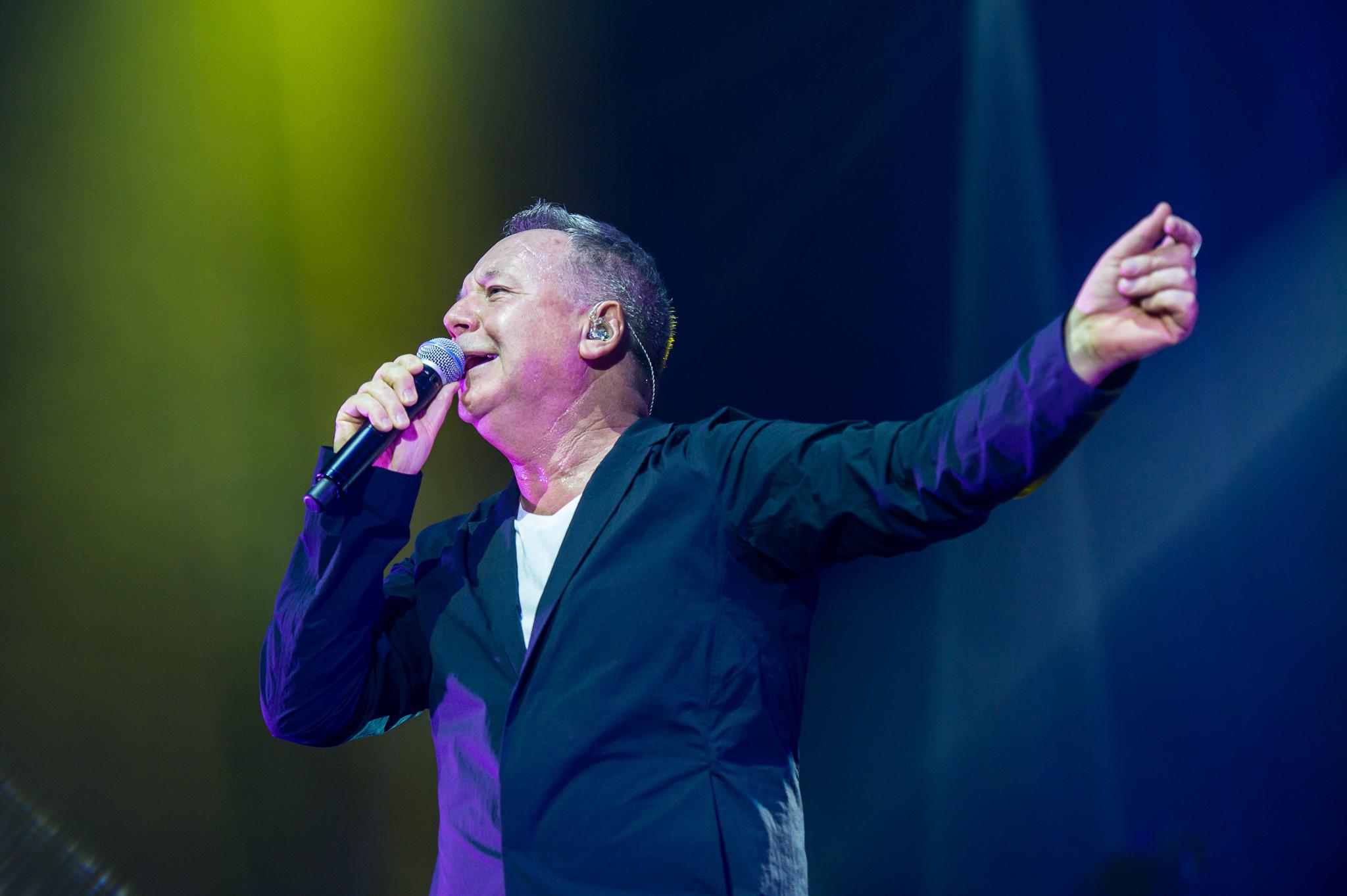
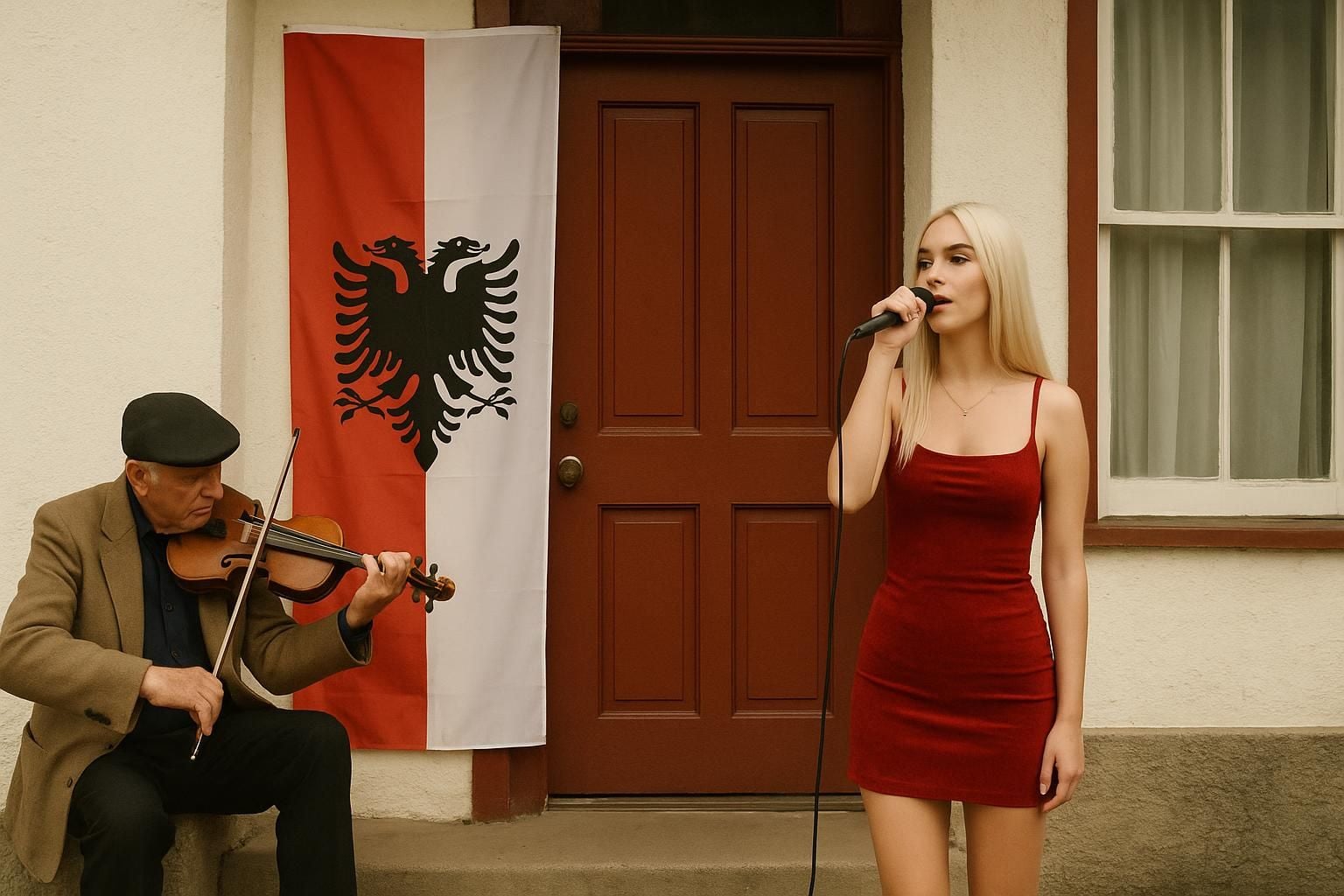
An Albanian pop singer is a musical artist originating from Albania, Kosovo, or the wider Albanian diaspora who performs contemporary popular music, often blending traditional Balkan folk elements with modern Western production styles like synth-pop, R&B, and dance. These artists have gained significant international prominence in the 2020s, leveraging digital platforms and cross-cultural collaborations to achieve global chart success.
Defining the Albanian Pop Identity
The term "Albanian pop singer" encompasses a diverse range of talent that has effectively bridged the gap between regional Balkan markets and the global music industry. Historically rooted in traditional Albanian music—characterized by complex rhythms and unique vocal ornamentations—the modern genre has evolved into a powerhouse of commercial sound.
Today’s Albanian pop stars often operate at the intersection of local cultural pride and global aesthetic trends. While the linguistic focus is predominantly Albanian (Gheg or Tosk dialects), many artists now release bilingual tracks or perform entirely in English to cater to international audiences. This strategic shift has allowed singers from Tirana, Pristina, and the diaspora in cities like London and New York to dominate streaming platforms. The core identity of these artists is defined by a high-gloss, high-production value, often featuring sophisticated music videos that emphasize visual storytelling, fashion, and choreography.
Prerequisites for International Breakthrough
Achieving the status of a globally recognized Albanian pop singer is rarely an accident of talent alone; it involves a confluence of technical, professional, and digital infrastructure. Prospective artists must navigate several key requirements to transition from a local favorite to an international act.
Language and Songwriting Strategy
Language versatility is the primary engine of international reach. Most successful artists now employ a hybrid approach, using English for choruses to maximize global radio appeal while maintaining Albanian lyrics in verses to preserve their unique identity. Songwriting is increasingly handled by teams that understand the structural demands of Western pop music, ensuring that song lengths, hook placements, and dynamic progressions meet the standards of major streaming playlists.
Digital Distribution and Streaming
In 2026, the barrier to entry for music distribution is minimal, but the barrier to discovery is immense. A successful Albanian pop singer must maintain an ecosystem of digital platforms:
- Spotify and Apple Music: Essential for cataloging and algorithmic promotion.
- YouTube: Crucial for the visual-heavy nature of Balkan pop, where production budgets for music videos often rival those of international pop counterparts.
- Social Media Integration: Platforms like TikTok are the primary drivers of viral hits. Artists typically create short-form content that emphasizes dance challenges or "behind the scenes" glimpses, which are essential for driving engagement with international listeners who may not understand the language but respond to the aesthetic.
Economic and Operational Realities
The business of being a pop singer in the Albanian-speaking world has shifted from local live performances to a digital-first, global-export model. Unlike in decades past, when success was limited by the geography of the Balkan Peninsula, modern artists operate within a borderless economy.
Revenue Streams
For an established Albanian pop singer, revenue is multifaceted:
- Digital Royalties: The primary income source, generated through global streaming counts.
- Endorsements and Partnerships: Due to the massive social media followings of these artists, partnerships with global fashion, cosmetic, and tech brands are standard.
- Touring and Festival Circuits: While the diaspora provides a built-in audience for live shows across Europe and North America, these artists are increasingly booked at major international music festivals, further legitimizing their status as global performers.
Comparison of Market Reach
The table below illustrates the strategic differences between traditional and modern approaches to the Albanian pop industry.
| Feature | Traditional Industry (Pre-2015) | Modern Global Approach (2026) |
|---|---|---|
| Primary Language | Albanian (Regional) | Bilingual (English/Albanian) |
| Primary Distribution | Physical Media / Local Radio | Global Streaming / Social Media |
| Target Audience | Balkan/Diaspora only | Global/Mainstream |
| Production Style | Local Folk-Fusion | Electronic/Western Pop-Fusion |
| Marketing Focus | Television/Local Press | Influencer/Algorithm-Driven |
Navigating the Industry: Common Challenges
Despite the rise of success stories, the path for an aspiring Albanian pop singer is fraught with specific hurdles. One of the most significant challenges is maintaining brand authenticity while appealing to a global market. When artists shift too far toward a generic Western sound, they risk alienating their core fan base in Albania and Kosovo. Conversely, remaining too local can result in being "pigeonholed" into regional playlists, preventing the broader commercial breakthrough that defines a mainstream pop star.
Another technical issue involves copyright and performance rights management. With the rapid expansion of streaming, ensuring that royalties are correctly collected across multiple jurisdictions—especially where local licensing bodies might not have agreements with international platforms—requires diligent legal and management support. Artists often rely on specialized agencies that understand both the complexities of European royalty laws and the specific nuances of the Balkan music scene.
The Role of the Diaspora in Success
The Albanian diaspora is a fundamental asset that acts as a catalyst for musical exports. Large communities in the United Kingdom, Germany, Switzerland, and the United States provide an immediate, loyal fanbase that helps "seed" new tracks on social media. When a song gains traction within the diaspora, it creates the initial engagement data necessary to trigger recommendation algorithms on platforms like YouTube and Spotify, eventually exposing the music to non-Albanian listeners. This organic support system is a luxury that many other regional music industries lack.
Practical Guidance for Aspiring Artists
For those looking to enter the professional sphere as a pop singer, the priority is to invest in high-quality visual content and professional production from the outset. In the current market, the visual representation is often as important as the audio; a lower-quality video can negate the impact of an otherwise excellent song.
- Professional Polish: Do not release content that has not been professionally mastered. The "home-made" aesthetic is generally ineffective for building a pop career today.
- Collaborative Networking: Partnering with established producers and songwriters who have experience in international markets is highly recommended.
- Consistent Digital Presence: Maintain a continuous feed of content. The gap between releases is a primary cause for lost momentum in the modern streaming economy.
- Legal Compliance: Secure rights to all beats, samples, and lyrics early to avoid future disputes that could result in the removal of tracks from distribution services.
Frequently Asked Questions
What differentiates Albanian pop music from other European pop styles?
Albanian pop is distinct due to its integration of traditional Balkan musical textures, such as minor-key melodies and specific rhythmic patterns, often layered over contemporary house, trap, or R&B beats. This "folk-pop" hybrid gives it a unique sound that is distinct from the more standardized synth-pop found in other parts of Europe.
How do most Albanian pop singers gain international popularity?
The most effective path is through social media virality, particularly on platforms like TikTok, combined with collaborations with established international producers or artists. Once an algorithm begins favoring a track due to high engagement, it gains access to the "Global" charts, moving beyond the regional market.
Is it necessary to sign with a major label to be a successful singer?
No, it is not strictly necessary. In 2026, many independent Albanian artists manage their own careers by utilizing third-party digital distributors and social media marketing agencies. However, signing with a major label can provide access to larger promotional budgets and established radio networks.
What are the main obstacles to success in the music industry for this niche?
The primary obstacles include market saturation, the difficulty of translating regional fame into global recognition, and the ongoing need to manage complex royalty and copyright portfolios across multiple international territories.
Can an artist maintain a career solely by singing in Albanian?
While it is possible to have a successful career by singing only in Albanian, the audience will remain largely confined to the Balkans and the diaspora. To achieve mainstream international recognition and access the global music industry's full commercial potential, a transition to bilingual or English-language content is typically required.
What should an aspiring singer prioritize in their first year?
Prioritize building a professional team, focusing on high-quality audio production, and developing a visual brand that aligns with global standards. Consistency in output and building a data-driven strategy for digital engagement are more important than attempting to sign a traditional record deal immediately.
For those pursuing this path, the most practical next action is to audit current market trends by analyzing the visual and sonic elements of the top-trending tracks on Balkan-focused streaming charts and matching those quality standards in your next studio production session.