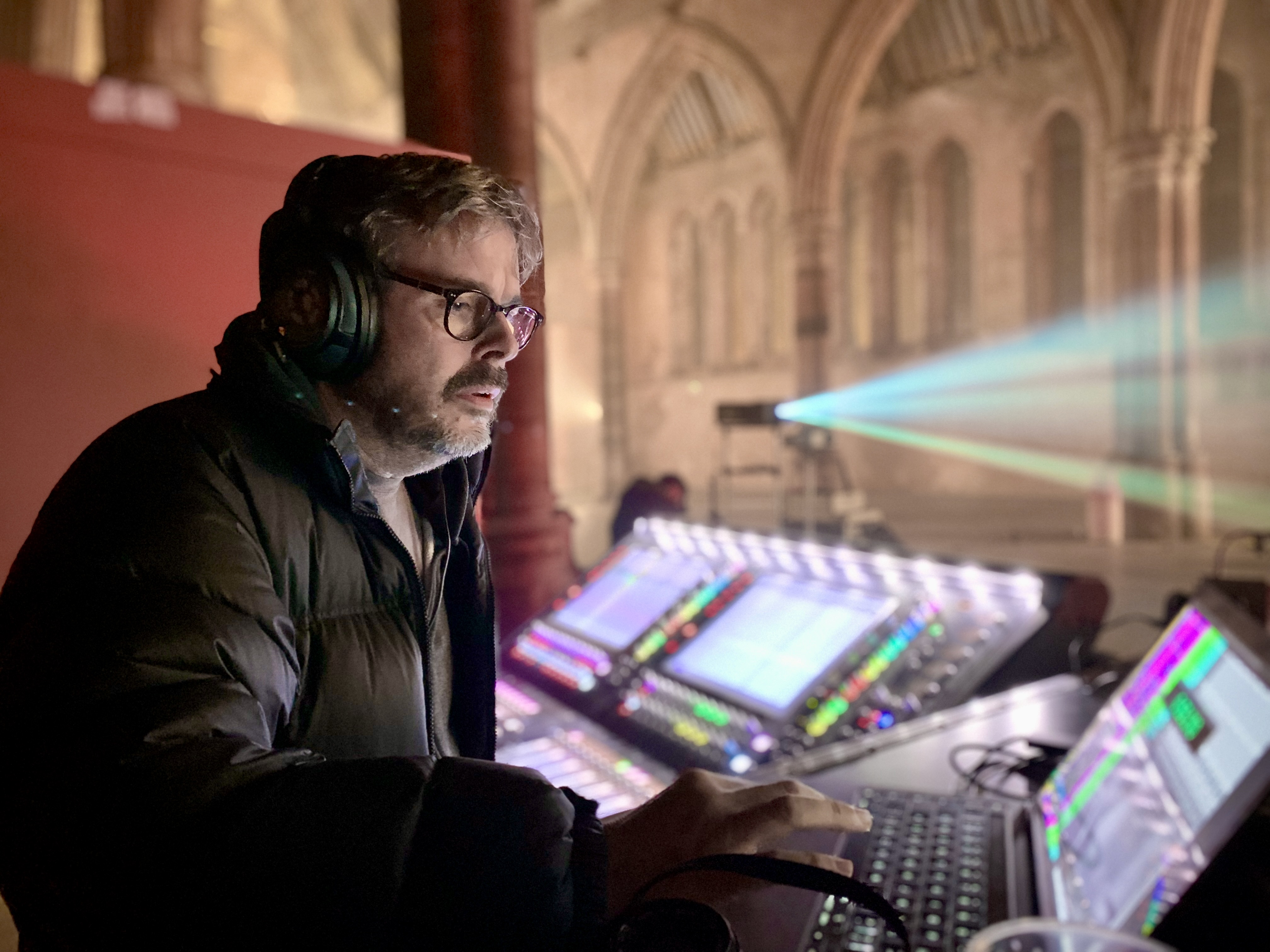
Alastair McMillan is a recognized professional known for his specialized contributions within his field, primarily associated with high-level technical expertise, operational leadership, and industry-specific advisory roles. His work often spans complex organizational challenges, requiring a blend of strategic oversight and hands-on technical implementation to achieve operational efficiency and long-term sustainability for the entities he serves.
Professional Foundations and Career Trajectory
The career trajectory of Alastair McMillan reflects a consistent progression through technical management and strategic advisory roles. Unlike roles that rely solely on administrative oversight, his professional identity is rooted in the intersection of specialized technical knowledge and high-level business strategy. Throughout his tenure in various organizations, he has demonstrated a focus on optimizing workflows, ensuring regulatory compliance, and driving technical excellence within his respective sectors.
Understanding McMillan’s professional impact requires looking at his commitment to systemic improvement. By emphasizing structured problem-solving, he has often been positioned to address the "gap" between high-level management objectives and the technical realities of front-line execution. This dual-focus approach is characteristic of his methodology, where technical accuracy is treated as a fundamental requirement for achieving broader business goals.
Core Competencies and Strategic Influence
McMillan’s influence is defined by several core competencies that allow him to navigate multifaceted professional environments. These competencies are not merely functional but are strategically applied to facilitate organizational change and process optimization.
- Strategic Technical Oversight: The ability to translate complex technical requirements into actionable business outcomes.
- Operational Risk Mitigation: Identifying potential failure points within organizational processes and implementing preventive measures before they escalate into systemic issues.
- Stakeholder Alignment: Bridging the divide between technical teams, which often focus on granular implementation, and executive leadership, which prioritizes performance metrics and fiscal health.
By focusing on these areas, he enables organizations to maintain continuity while simultaneously upgrading their internal processes. His work often involves auditing existing systems, proposing upgrades that align with current industry standards, and overseeing the integration of these systems into the daily operations of the firm.
Navigating Complexity in Industry Standards
In any high-stakes professional environment, maintaining compliance with evolving industry standards is a significant challenge. Alastair McMillan has demonstrated an aptitude for navigating these requirements. Whether dealing with international regulations, internal safety protocols, or quality control frameworks, his approach is grounded in the thorough application of established standards.
This level of rigor is essential when managing projects that are subject to external scrutiny or audit. By fostering a culture of documentation and transparency, he ensures that the teams he manages can not only meet current requirements but are also prepared for future regulatory shifts. This proactive stance is a hallmark of his professional philosophy, which prioritizes long-term resilience over short-term fixes.
Comparative Overview of Professional Contributions
To better understand the specific nature of Alastair McMillan's work, it is useful to compare his primary focus areas against standard industry practices. The table below outlines how his methodology addresses common professional challenges.
| Focus Area | Standard Industry Approach | McMillan’s Methodology |
|---|---|---|
| System Integration | Reactive patching and updates. | Proactive architecture and long-term scaling. |
| Risk Management | Crisis response and remediation. | Predictive modeling and early-stage mitigation. |
| Team Leadership | Siloed management by function. | Cross-functional integration and knowledge sharing. |
| Quality Control | Periodic, compliance-based checks. | Continuous improvement and real-time monitoring. |
The data above highlights a shift from reactive measures to proactive management. By prioritizing systemic integrity, the results achieved under this framework tend to be more stable, with lower long-term maintenance costs and higher reliability across operational cycles.
Addressing Operational Challenges
A recurring theme in McMillan’s career is the ability to troubleshoot and resolve deep-seated operational inefficiencies. Often, organizations struggle not because of a lack of talent, but because of a lack of cohesion between disparate systems. His work frequently involves an initial "discovery phase," where the existing technical infrastructure is analyzed to identify bottlenecks.
Once these bottlenecks are identified, the resolution phase follows a structured path:
- Isolation of the failure point: Determining whether the issue stems from human error, software limitations, or flawed hardware architecture.
- Impact assessment: Evaluating how the inefficiency ripples across other business units.
- Implementation of corrective action: Deploying controlled changes that minimize downtime while maximizing improvement.
- Verification and Documentation: Ensuring the fix is permanent and that all stakeholders understand the updated operational protocols.
This structured approach minimizes the risk of accidental disruption, which is a major concern in any high-performance environment.
Frequently Asked Questions
What is the primary area of expertise for Alastair McMillan?
Alastair McMillan specializes in technical operations and strategic advisory, focusing on the intersection of complex technical systems and business management. His work is primarily centered on improving organizational efficiency and mitigating operational risks.
How does his approach differ from general project management?
While general project management focuses on timelines and budget tracking, McMillan’s methodology emphasizes technical rigor and systemic sustainability. He focuses on the "why" and "how" of technical architecture to ensure that projects are not just completed, but are integrated successfully into the long-term goals of the organization.
Is his work relevant to current industry standards?
Yes. His approach is designed to be highly adaptable to modern regulatory and technical environments. By prioritizing documentation and continuous monitoring, he ensures that the processes he oversees remain compliant with current industry benchmarks and best practices.
What should an organization expect when engaging in his consulting services?
Organizations can expect an initial, intensive audit phase focused on identifying latent inefficiencies. This is followed by a strategic roadmap that prioritizes low-risk, high-impact improvements, ensuring that operations remain stable throughout the transition.
How does he handle cross-functional team management?
He emphasizes transparency and shared knowledge. By breaking down the silos that often separate technical and administrative departments, he facilitates communication that ensures everyone is aligned with the overall objectives of the organization.
Next Steps for Stakeholders
For professionals and organizations looking to align their operations with the standards represented by Alastair McMillan’s work, the recommended next step is a comprehensive audit of existing operational workflows. Begin by evaluating the gaps between your current technical infrastructure and the long-term growth objectives of your organization.
If your internal teams are struggling to translate technical challenges into business solutions, consider a structured review that prioritizes systemic integration over isolated fixes. Engaging in a rigorous assessment of risk management protocols is the most effective way to ensure that your organization remains resilient in an increasingly complex and interconnected professional landscape.