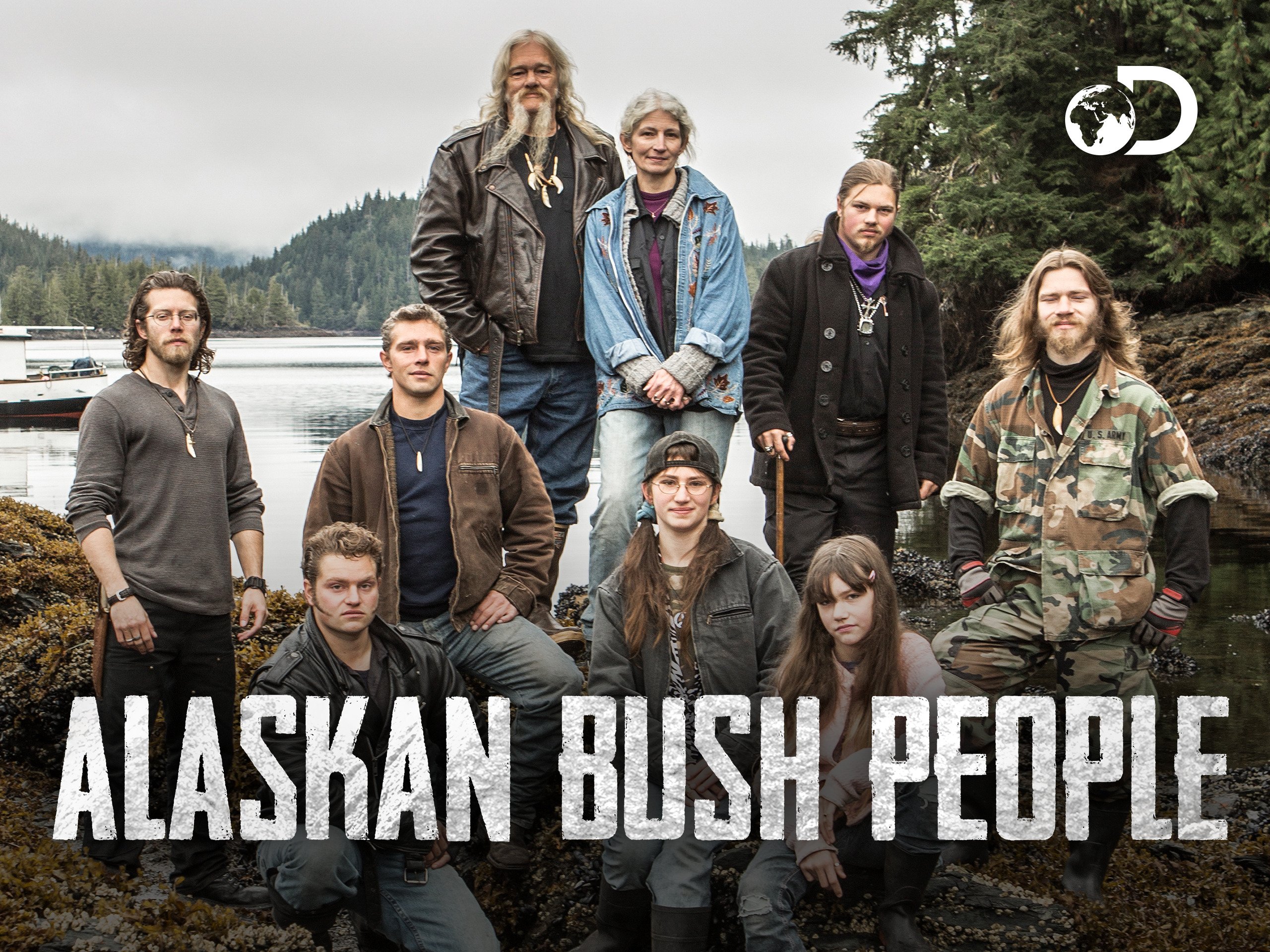
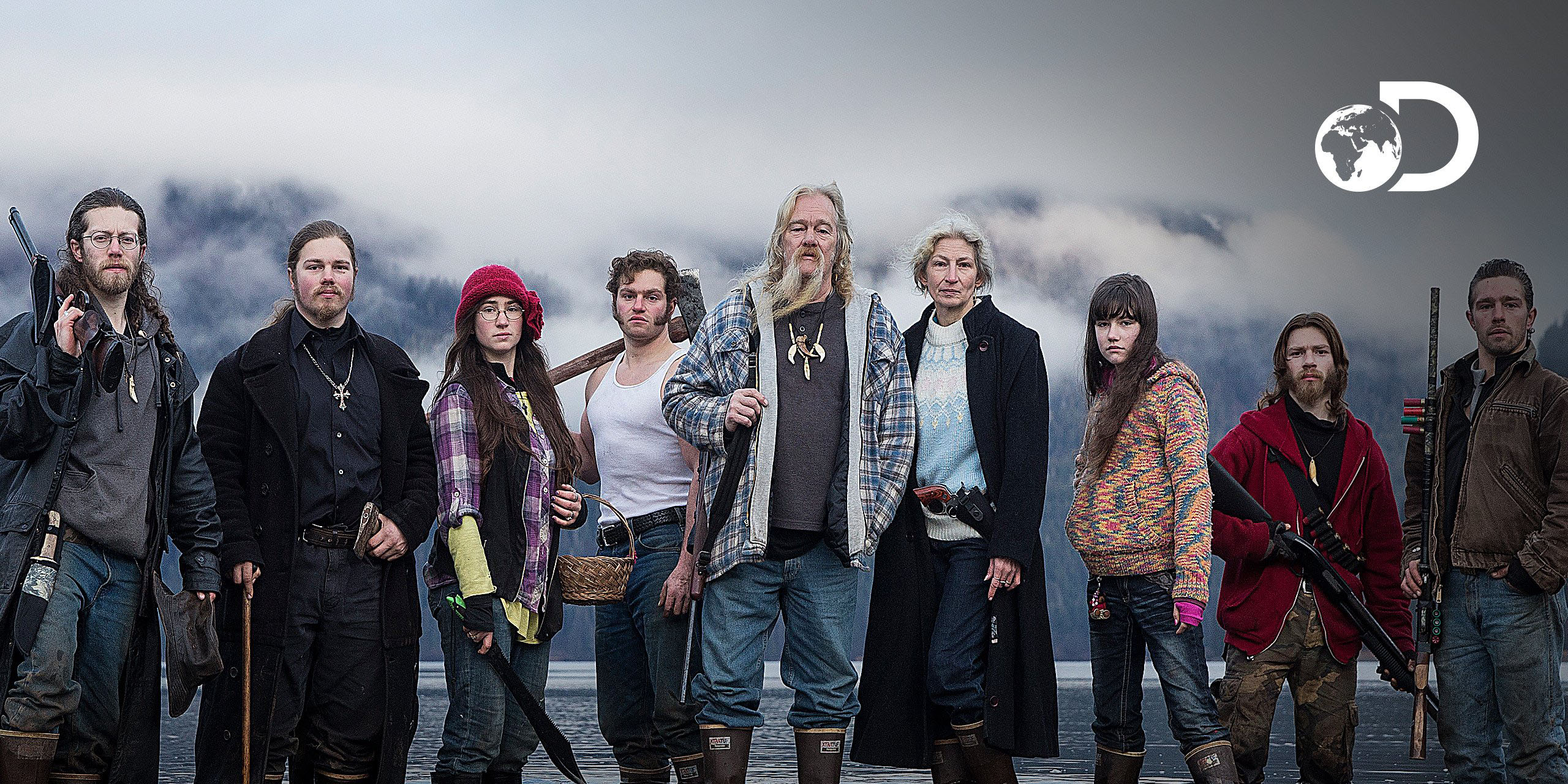
Alaskan Bush People is a long-running American reality television series that documents the lives of the Brown family as they attempt to live in remote regions of the Alaskan wilderness. The program explores themes of familial interdependence, unconventional survivalism, and the logistical challenges of maintaining a self-sustaining lifestyle away from modern metropolitan infrastructure.
The Origins and Evolution of the Series
Produced by Park Slope Productions and aired primarily on the Discovery Channel, the series debuted in 2014. The narrative centers on Billy Brown, his wife Ami, and their seven children. The premise of the show is founded upon the family’s assertion that they have spent the majority of their lives disconnected from mainstream society, practicing a lifestyle defined by hunting, gathering, and navigating the harsh environmental conditions of the Alaskan interior.
Throughout its run, the series has undergone significant shifts in both geography and production focus. While the early seasons emphasized the isolation of the Alaskan bush—often highlighting the technical challenges of building shelters and gathering resources in sub-zero temperatures—later iterations saw the family move toward different locations, including the Pacific Northwest. These shifts were frequently necessitated by a combination of personal health crises within the family and the practical realities of long-term wilderness survival.
Technical and Survival Considerations
Living in the "bush" requires a specialized set of skills that the show often attempts to highlight. From a survivalist perspective, the primary requirements for this lifestyle include water procurement, heat retention, and food security. In the Alaskan climate, these tasks are significantly complicated by daylight variability and extreme temperature drops.
The production value of the series typically focuses on the "hands-on" aspect of these tasks. For example, the construction of cabins in remote areas requires knowledge of local timber harvesting, foundation leveling on uneven permafrost or rocky soil, and the implementation of wood-burning heat sources. The show serves as a case study in the intersection of traditional survival techniques and the modern logistical support required to film such activities in remote, rugged, and often inaccessible terrain.
Comparing Wilderness Documentation Styles
The presentation of the Brown family's life differs from other wilderness-focused programming by prioritizing the "wolf pack" dynamic of the family unit. While other shows may focus on singular survival experts, the narrative arc of this series relies heavily on group decision-making and collective labor.
| Feature | Alaskan Bush People | Standard Survival Documentary |
|---|---|---|
| Primary Focus | Family dynamics and homesteading | Individual skill demonstration |
| Location Permanence | Variable (seasonal moves) | High (long-term site development) |
| Tone | Narrative/Character-driven | Educational/Instructional |
| Resource Procurement | Group-based labor | Independent foraging/trapping |
This table illustrates that while the series occupies the wilderness genre, its primary purpose is character development rather than acting as a technical manual for bushcraft. Viewers interested in the actual mechanical processes of off-grid living may find that the series glosses over the fine-grained details of legal land usage, sanitation requirements, and the complex interplay with local regulatory bodies in favor of creating a compelling television narrative.
Regulatory and Logistical Realities
One of the most persistent questions regarding the series involves the intersection of lifestyle and law. Living remotely in Alaska requires strict adherence to state and federal regulations, particularly concerning hunting permits, fishing quotas, and land ownership. The Alaska Department of Fish and Game manages the resources that the family relies upon, and any depiction of survivalist activities must operate within the framework of these legal mandates.
In 2026, as in previous years, viewers often inquire about the "reality" versus the "production" aspects of the show. It is well-documented within the media industry that reality television programs employ editors, producers, and directors to shape raw footage into a cohesive story. Elements such as the perceived isolation of the family are often contextualized by the presence of a film crew, which requires its own infrastructure—including satellite communication, generators, and medical safety support—to operate in remote environments. These auxiliary services are rarely shown, as they would disrupt the narrative of total isolation.
The Impact of Physical and Environmental Challenges
The family has faced numerous hurdles throughout the program's tenure, ranging from legal battles regarding residency requirements for the Alaska Permanent Fund Dividend to significant health challenges. These events have often necessitated changes in the program's format. The transition from the Alaskan wilderness to other environments was a direct response to both the need for accessible medical care and, in some cases, shifting production priorities as the family matured.
For the audience, these events emphasize that no amount of preparation can fully negate the unpredictability of both health and nature. The show serves as an unintended lesson in risk management: even those who seek to remove themselves from society are eventually impacted by institutional requirements, such as tax obligations, medical appointments, and insurance considerations.
Frequently Asked Questions
Are the survival techniques shown in the series reliable for beginners?
The techniques presented are largely illustrative rather than instructional. While they demonstrate the basic concepts of living in remote areas, they should not be treated as professional training. Proper wilderness survival requires formal education in first aid, navigation, and environmental safety under the guidance of certified instructors.
Does the family actually live in the wilderness full-time?
The series is a produced television program. While the family does reside in remote or rural settings for the purposes of the show, their daily existence is supported by the infrastructure provided by the production crew. The distinction between "living off the grid" as a lifestyle and "filming a production about living off the grid" is a significant factor in how the program is constructed.
How does the show handle the legal requirements for land use in Alaska?
The show generally operates on private land or through specific filming permits granted by state or private landowners. Any individual attempting to replicate a similar lifestyle must secure legal title to the land, understand local zoning laws, and ensure compliance with all state-specific environmental and game regulations.
What has been the primary reason for the family's relocation?
The family has relocated several times, primarily due to a combination of health-related needs, the search for more sustainable land, and the practical demands of film production. Each move has typically been framed within the show as a necessary step to maintain the family's survival or to adapt to changing circumstances.
Is the series still currently in production?
As of 2026, the series continues to exist as part of the broader reality media landscape. Its focus remains centered on the evolution of the Brown family as they navigate the challenges of their unconventional life choices, though the specific themes and settings are subject to the creative direction of the production network.
Preparing for Off-Grid Living
For those inspired by the premise of the show to pursue their own off-grid living, the first step is to conduct a thorough analysis of local requirements. This includes researching the tax laws of your chosen jurisdiction, understanding the availability of sustainable water sources, and calculating the true cost of off-grid infrastructure, such as solar arrays, well-drilling, and waste management systems. Unlike the televised version, real-world off-grid living is highly dependent on rigorous planning and adherence to civil codes, which are essential for ensuring both safety and long-term viability. Always consult with legal and financial advisors before attempting to divest from traditional housing models.