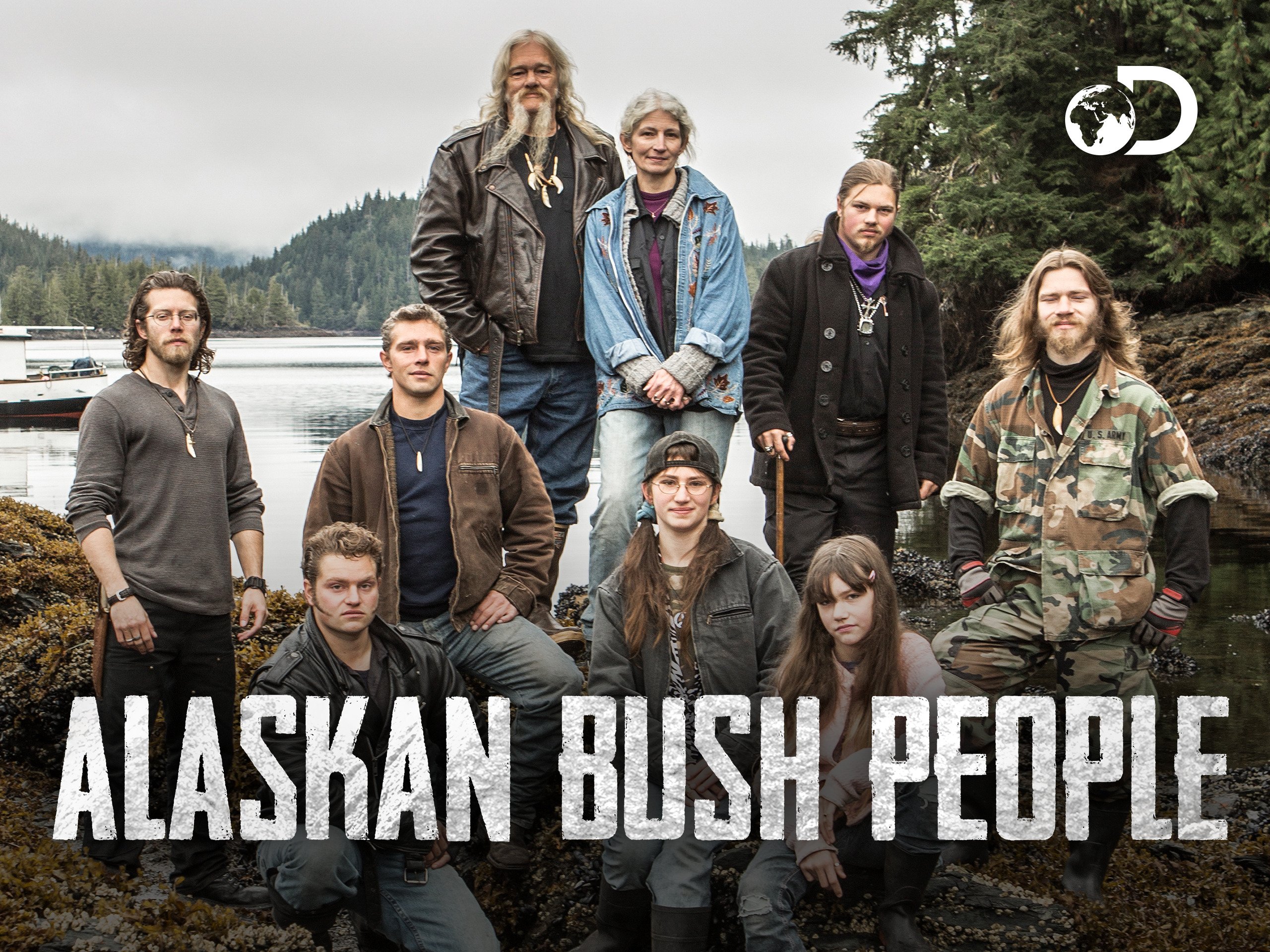
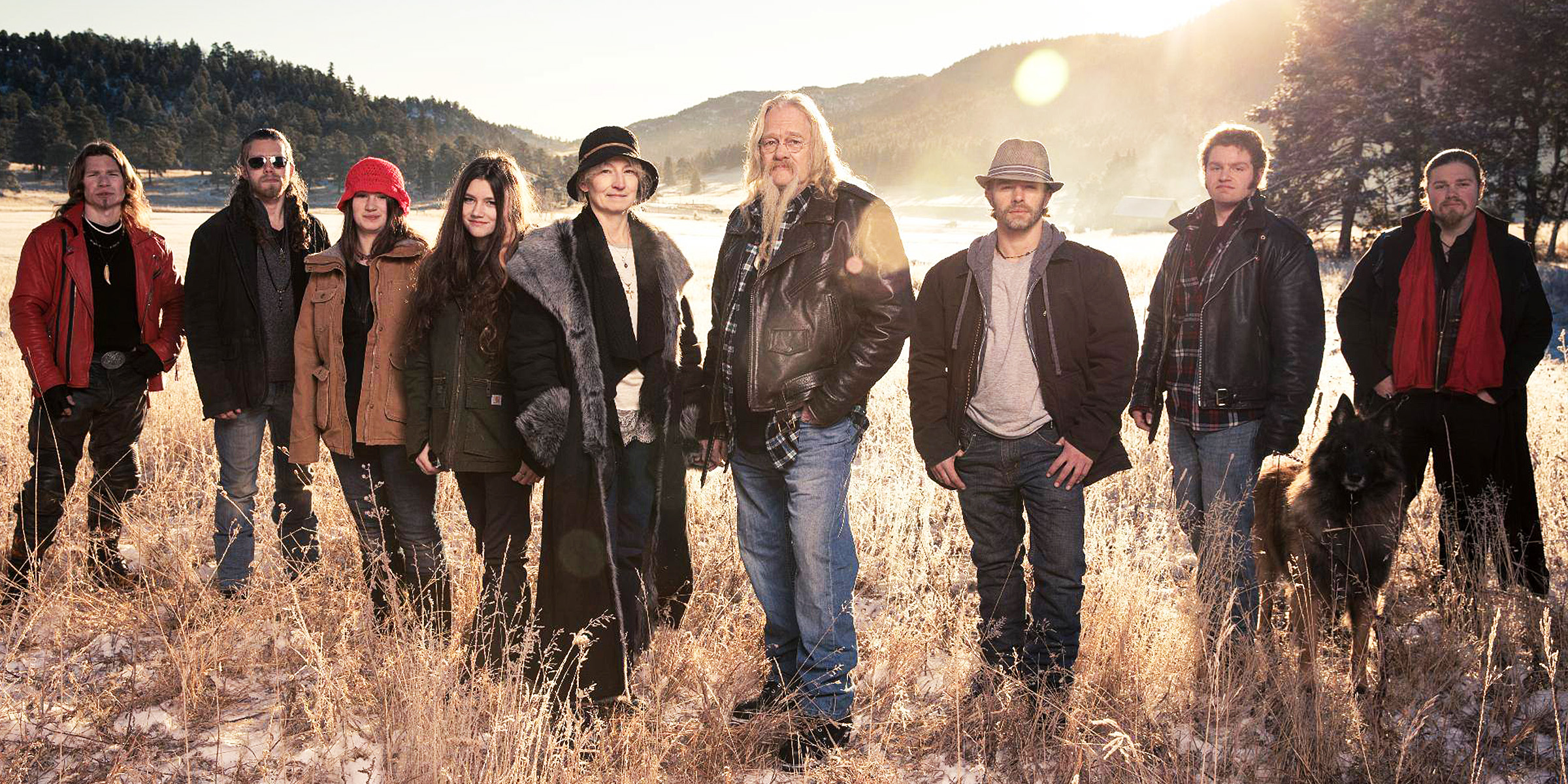
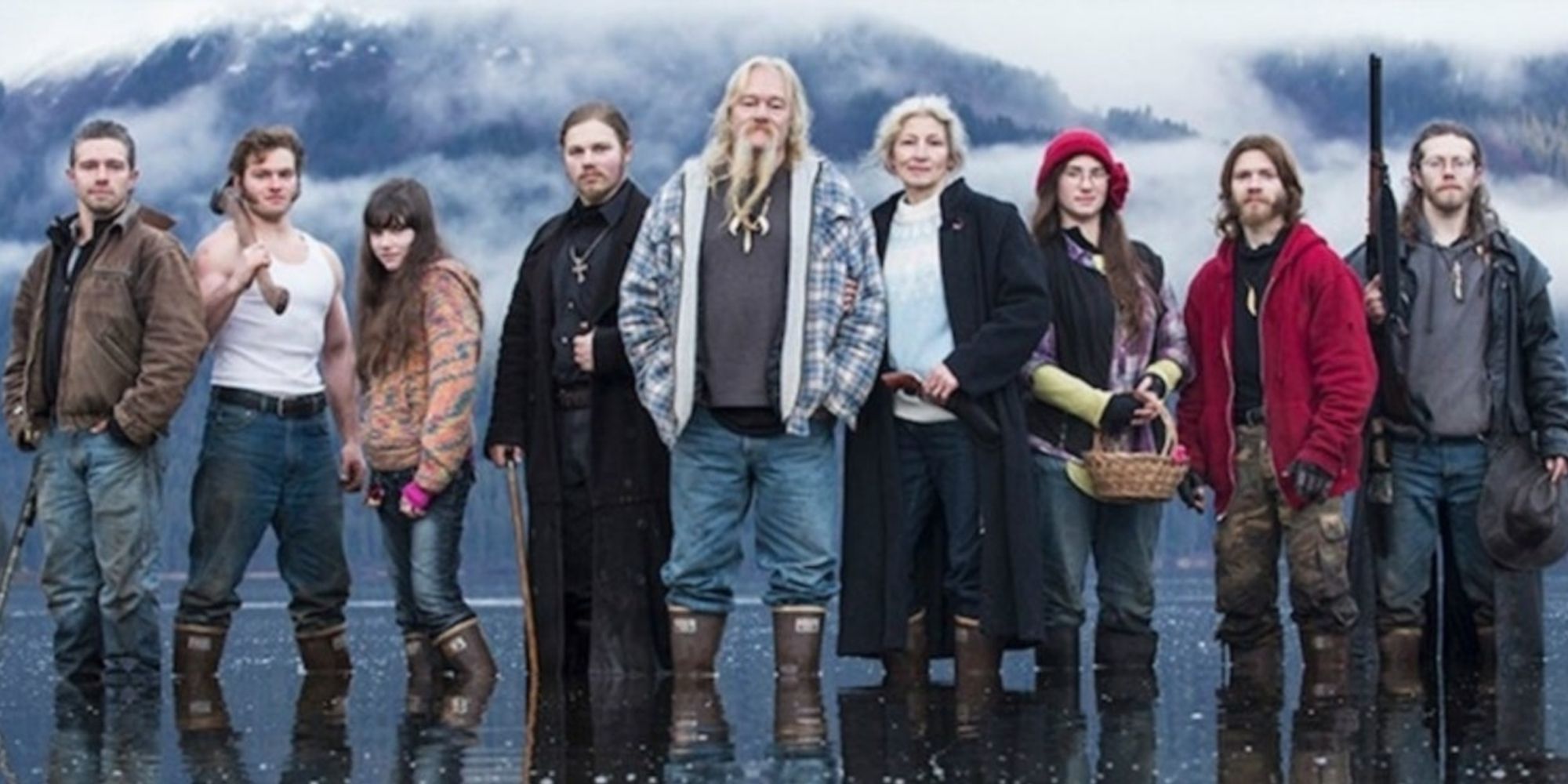
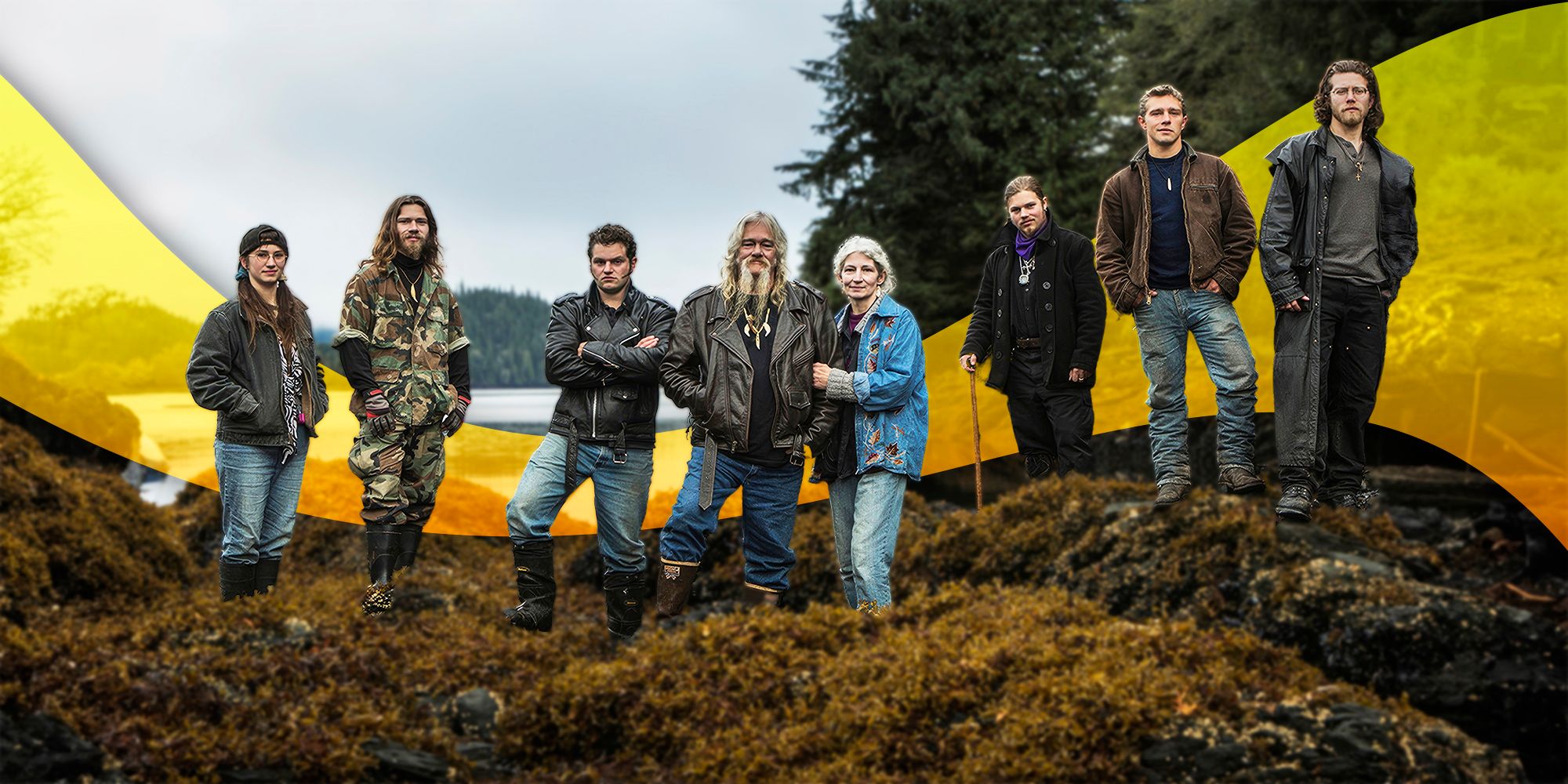
The Brown family, popularized by the Discovery Channel series Alaskan Bush People, has cultivated an image defined by isolation, self-reliance, and a nomadic existence in the wilderness. Their biography is a complex narrative that balances the romanticized portrayal of untamed living with the realities of modern media production, legal challenges, and the evolution of a family structure thrust into the public eye.
The Origins of the Brown Family Philosophy
The narrative of the Brown family centers on Billy Brown, the late patriarch, who established a lifestyle philosophy rooted in total detachment from modern societal structures. Following a childhood loss of his parents in a plane crash at age sixteen, Billy spent his early adulthood moving across the United States. His self-penned accounts suggest that he met his wife, Ami, in Texas, and together they began a life that would eventually lead them to the Alaskan frontier.
The "untamed" aspect of their story is predicated on the idea of the "Bush," a term used colloquially in Alaska to describe areas not connected to the road system. For decades, the Browns claimed to have raised their seven children—Matt, Bam Bam, Bear, Gabe, Noah, Bird, and Rain—in near-total seclusion, living off the land and avoiding the comforts of contemporary technology. This origin story became the foundational premise for the television series, which premiered in 2014 and focused on the family’s struggle to build cabins, harvest food, and survive the harsh conditions of the subarctic environment.
Television Production and the Reality of Wilderness Living
The transition from a secluded lifestyle to a reality television subject brought intense scrutiny to the family’s claims. As the production moved from Alaska to various filming locations, including a move to Washington State, viewers and critics began to distinguish between the show's narrative framing and the practical logistics of a long-running television production.
Television production requirements often necessitate proximity to power sources, logistics hubs, and medical support—factors that inherently conflict with the concept of "untamed" isolation. While the Browns often showcased survival skills like trapping, fishing, and rudimentary carpentry, the show’s editing emphasized a "wolf pack" mentality. This branding served to unify the family under a single, cohesive identity, even as the individual children grew into adulthood and began to establish their own lives, careers, and partnerships away from the primary family encampment.
Legal Challenges and Navigational Shifts
An essential, though often controversial, chapter in the Alaskan Bush People biography involves the family's legal entanglements. In 2014, the Alaska Department of Revenue charged Billy and Bam Bam Brown with multiple counts of unsworn falsification and theft for lying on Permanent Fund Dividend applications. The family had claimed to be residents of Alaska during periods where they were absent from the state.
These legal hurdles were significant because they challenged the authenticity of the family’s residence. The resolution of the case—which involved a plea deal, restitution payments, and community service—marked a turning point in how the public perceived the family’s "bush" lifestyle. Rather than ending their television tenure, the legal process became part of the public record, forcing a pivot in the show's narrative from pure wilderness survival to a broader family drama centered on overcoming external societal pressures.
Comparative Overview of Life Phases
The evolution of the family can be categorized into three distinct eras, each marked by different environmental and structural challenges. The following table outlines these shifts based on public records and production history.
| Era | Focus | Primary Location | Key Narrative Arc |
|---|---|---|---|
| Early Years | Survivalist Training | Various Alaskan Regions | Learning to live off the land as a unit |
| Television Era | Media Exposure | Hoonah/Chichagof Island | Establishing the "Wolf Pack" brand |
| Modern Expansion | Transition/Settlement | North Star Ranch, WA | Dealing with loss and individual independence |
The Impact of Loss and Structural Change
In February 2021, the family suffered a profound loss with the passing of Billy Brown. His death fundamentally altered the trajectory of the Alaskan Bush People biography. Billy had served as the primary architect of the family's image and the driving force behind their move from Alaska to Washington. Without his central authority, the show shifted its focus toward how his children and wife, Ami, would carry on his legacy and maintain the North Star Ranch property.
The "untamed" nature of their life took on a different meaning in the post-Billy era. The survival aspect was replaced by the challenge of estate management, the continuation of the family's business ventures, and the individual paths taken by the adult children. This period highlighted the inherent difficulty of maintaining a "wild" identity while dealing with the modern requirements of property taxes, professional production schedules, and public mourning.
Challenges of Maintaining a Public Persona
The Brown family's journey illustrates the difficulty of sustaining a niche, personality-driven identity in an era of digital transparency. The primary criticism faced by the family remains the perceived gap between their onscreen portrayal and their off-screen reality. Critics often point to the existence of supply runs, production crews, and the use of modern vehicles as evidence that the "untamed" lifestyle is a curated product.
From a production standpoint, these elements are standard components of reality television. However, because the Alaskan Bush People brand relies so heavily on the authenticity of the "bush" lifestyle, any evidence of modern convenience serves to undermine the core premise for the audience. The family has generally addressed these contradictions by emphasizing that their wilderness experience is about the spirit of independence rather than a rejection of all modern tools.
Next Actions for Fans and Researchers
For those interested in exploring the biographical history of the Browns beyond the edited television episodes, it is recommended to prioritize primary sources over secondary tabloid speculation.
- Review Official Court Records: Public documents related to the 2014 Alaska fraud case provide the most accurate timeline regarding their residency disputes.
- Analyze Production Credits: Understanding the shift in production companies and filming locations helps distinguish between genuine geographic relocation and television production cycles.
- Evaluate Documentary Interviews: Look for long-form interviews with the family members, which often offer more nuanced perspectives on their childhoods than the scripted sequences found in episodes.
- Monitor Property Filings: For those following their current status in Washington, local property records regarding the North Star Ranch provide objective data on the family’s current land holdings and residency status.
By examining the family’s life through these verifiable channels, one gains a clearer understanding of the Alaskan Bush People as a synthesis of real-world struggle, intentional image building, and the complex reality of life in the public eye.
Frequently Asked Questions
Did the Brown family actually live in the wilderness full-time?
The family did spend significant periods living in remote or semi-remote conditions in Alaska, though critics and legal records have established that they were not always compliant with state residency requirements and often spent significant time in more developed areas during the years preceding and during the show's production.
What caused the family to move from Alaska to Washington?
The move was primarily driven by the need for better medical facilities for Ami Brown, who was diagnosed with advanced lung cancer in 2017. The transition to Washington State allowed the family to remain in a rural environment while ensuring closer access to the necessary healthcare services.
How did Billy Brown's passing affect the show?
His death shifted the show's focus from patriarchal guidance to the collective decision-making of the surviving children and Ami Brown. The narrative themes moved from survival and bush-crafting to family unity, memorializing Billy, and managing the long-term future of the North Star Ranch.
Are the adult children still involved in the show?
Yes, most of the children have remained central to the series, though their individual levels of involvement fluctuate based on personal life events, marriages, and their own career pursuits outside of the production.
Is the "Wolf Pack" a formal organization?
No, the "Wolf Pack" is a branding term used by the family to describe their internal hierarchy and emotional connection. It holds no legal or formal status as a corporation or organization outside of their identity in the reality television industry.